Fire Alarm System Battery Life Tips for Longer Backup Power
In a well run facility, fire alarm system battery life is not a mystery, it is a mission. Kord Fire Protection technicians know that when backup power fades, the whole system becomes less reliable, and that is the last thing anyone wants during a real emergency. In this proactive guide, they walk through practical steps that help batteries last longer, hold stable voltage, and avoid the annoying “why did the panel complain?” moments that feel like a pop quiz you did not study for. And yes, smoke alarms can be dramatic, but their batteries do not have to be.
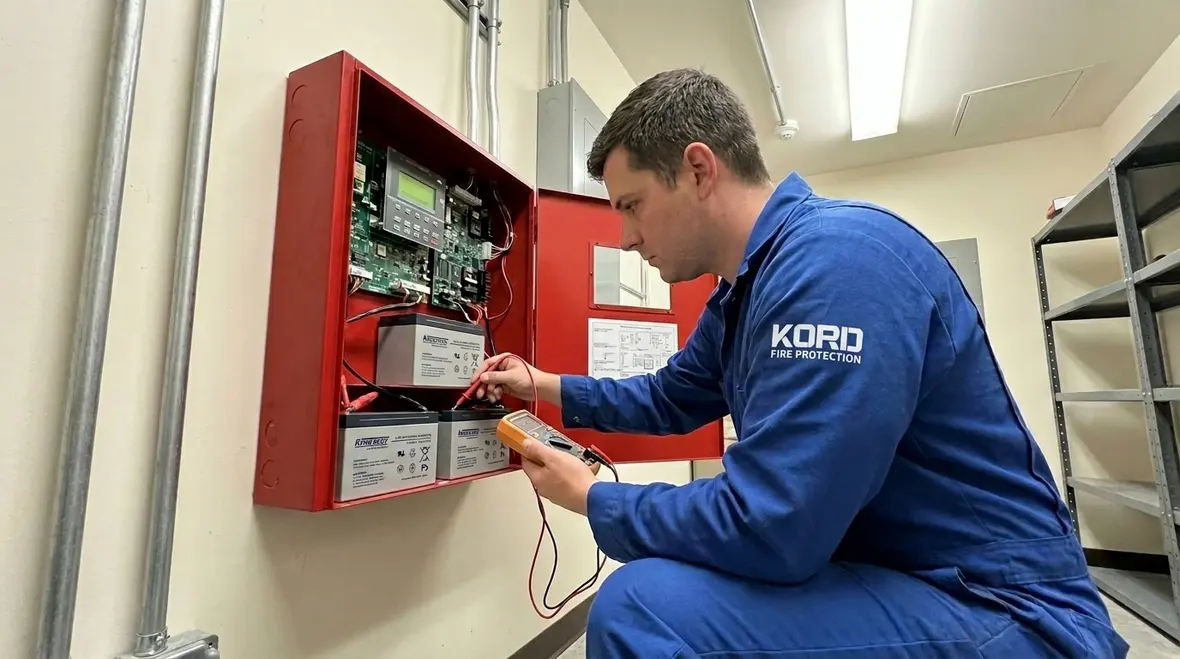
The goal is not just to swap batteries when they get old. The goal is to understand what makes them age faster, what a panel is really asking them to do, and how smart maintenance turns backup power into something facilities can trust. When Kord Fire technicians evaluate battery health, they are not guessing from the outside. They look at the full picture: panel demand, charging behavior, heat exposure, connection quality, and how the system performs when conditions are less than perfect.
That practical mindset also fits with broader system readiness. Facilities that want better reliability should look beyond the battery compartment and understand how standby power supports the full alarm ecosystem. For a related look at dependable system performance, see Fire Alarm System Reliability and Battery Health. When battery care and system reliability are treated as the same conversation, fewer surprises show up at the worst possible time.

Understand how backup power really behaves
Fire alarm batteries do not just sit there waiting to save the day. They cycle through discharge and recharge, and they slowly age as they work. Over time, the internal chemistry changes, and the battery holds less capacity even if the panel still shows a normal status. Fire alarm system battery life drops faster when the system stays in a high draw condition, like frequent supervisory traffic, higher standby loads, or aging power supply components that run warmer than they should.
Therefore, Kord Fire Protection technicians focus on the actual operating profile of the panel, not just the date on the label. They review typical standby current, alarm circuit loading, and any added devices that may have quietly increased demand. Then, they compare what the system reports with what it should do under load. That approach prevents a “looks fine on paper” situation that can turn into a real problem later.
Why standby conditions matter more than labels
A battery can be the right age and still be the wrong battery for the job if the actual system demand has changed. Panels that were once lightly loaded may now support more devices, more notification appliances, or more supervisory conditions than they did originally. That means the battery may be living a much harder life than anyone realizes. Kord technicians work backward from real use, because labels are helpful, but amperage never lies.
Pick the right battery chemistry and rating
When people rush, they often buy a replacement that “fits,” not one that matches the system needs. That is like replacing a car tire with one that has the same size but a different load rating, and hoping physics will take the day off. Kord Fire Protection technicians recommend using the manufacturer specified battery type and capacity for the control panel and the voltage requirements.
They also check for the correct terminal style and orientation and confirm the expected backup duration. Many facilities assume all backup batteries behave the same, but different chemistries and construction methods impact how the voltage settles and how the battery responds to charge. Moreover, a battery that is slightly under capacity can last less time than the code intent, especially as it ages.
This is also where replacement shortcuts can do real damage. A battery that physically fits the cabinet may still have the wrong characteristics for the panel charger or the required standby duration. That mismatch can show up later as nuisance troubles, unstable voltage, or weak performance during an outage. Kord Fire technicians would rather prevent that headache on day one than explain it later while everyone stares at the panel like it just developed a personality.
Control heat and keep the charging system healthy
Battery performance and temperature go hand in hand. Heat shortens life. So, technicians look at where the panel sits, how it is ventilated, and whether it runs near other heat sources like transformers or poorly routed power. Even if the facility looks clean, dust buildup can trap heat and lower cooling efficiency.
Next, they examine the charging behavior. A power supply that under charges can leave the battery weak. A charger that runs too hot, too often, or with improper voltage can accelerate wear. Therefore, Kord Fire Protection technicians verify charge settings and look for signs of drift. They also check for loose connections, corrosion, and vibration damage, because a slightly high resistance connection can act like a tiny heater inside the cabinet.
In short, if the battery stays cool and the charging stays correct, the system protects itself with less stress.
Small electrical issues create big battery stress
Loose terminals, mild corrosion, and poor cable support may not look dramatic, but batteries do not need dramatic to age early. They just need resistance, heat, or unstable charging. That is why Kord technicians inspect the little things with the seriousness of the big things. In fire protection, tiny problems are often just large problems wearing a disguise.
Prevent standby load creep
Another reason batteries age early is untracked changes. A facility might add devices, extend circuits, or upgrade panels, and then forget that standby load changes the load math. Over time, that extra demand adds up, and the battery has to work harder just to stay ready.
To prevent that issue, Kord Fire Protection technicians recommend a simple habit: document all panel connected devices and their circuits. Then, when changes occur, review standby current and power budget. They also verify that circuit supervision settings and end of line resistors match what the system expects. When those values drift, the panel can run at a higher supervisory state than intended.
Also, they advise keeping an eye on nuisance issues like frequent troubles or intermittent signals. Those events can trigger higher activity and increase the time spent drawing power while the system searches for stability.
Facilities usually notice major upgrades, but they do not always notice the slow drip of minor changes. A device here, a circuit there, one panel adjustment nobody wrote down, and suddenly the battery budget is tighter than expected. Good documentation is not glamorous, but it is one of the cheapest ways to extend battery life and reduce troubleshooting time later.
Use maintenance routines that catch weak batteries early
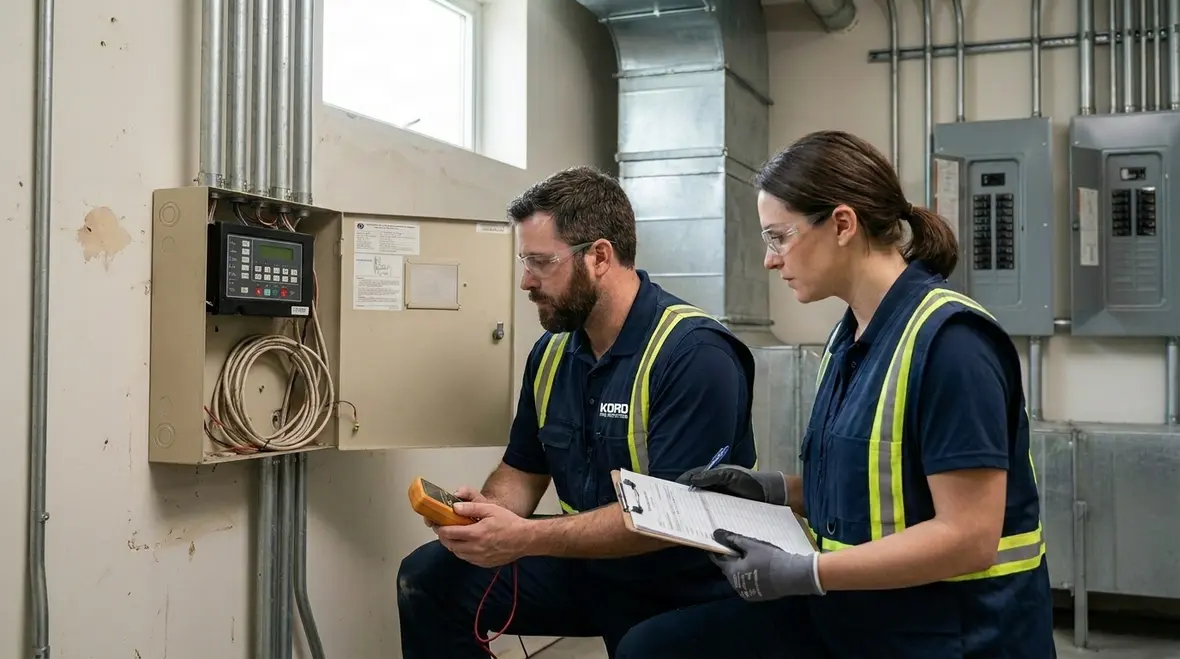
Replace on a schedule, but also test with a real plan. Kord Fire Protection technicians use battery testing that goes beyond “it passes inspection.” A battery can look fine on a quick check yet fail under proper load conditions. So, they test for capacity health and verify that the voltage sag and recovery match expectations.
They also confirm that terminals remain tight and clean, and they inspect cable routing so cables do not sit under stress. Furthermore, they check for water intrusion, condensation, and signs of cabinet corrosion. If the battery sits in a damp environment, it will not care about the calendar date. It will care about chemistry.
Finally, they keep records that show trends. A facility that tracks test results over time can spot a slow decline pattern and plan replacement before the system hits its uncomfortable “last chance” phase.
Trend data beats guesswork every time
One passing test does not tell the whole story. A pattern of results does. When technicians compare previous readings, they can spot declining capacity long before a panel throws a dramatic complaint. That gives facility managers time to plan a replacement, budget properly, and avoid emergency service calls that always seem to happen when everyone is already busy.
Dual column: what technicians do vs what facilities can do
Kord Fire Protection technicians
- Verify manufacturer battery specs and correct voltage ratings
- Check cabinet temperature, airflow, and nearby heat sources
- Inspect wiring, terminals, and look for corrosion or looseness
- Test batteries with load appropriate methods and track results
- Review panel charging behavior and verify settings
Facility owners and managers
- Request documentation of battery model and capacity at installation
- Maintain ventilation and avoid blocking panel clearance
- Report recurring troubles quickly instead of ignoring them
- Keep a simple log of inspections, upgrades, and added devices
- Avoid “quick swaps” with non matched batteries
How code checks and alarm readiness connect
Facilities often treat fire alarm battery testing like a checkbox. Yet, the real goal is alarm readiness under loss of normal power. Kord Fire Protection technicians connect code minded checks to practical battery health because a battery that only barely meets standby expectations may fail sooner when conditions change, like a warmer season, higher device load, or a control panel that runs a little harder than usual.
Therefore, they align testing intervals with documented results and actual system conditions. They also coordinate with service schedules so batteries do not get “surprise tested” at random times, which can hide real decline trends. In addition, they help teams understand that the panel is a living system. If it reports repeated power issues or troubles, that is not background noise. It is a clue.
And if someone ever says, “It always worked before,” Kord technicians have a calm answer. The battery is not loyal, it is chemistry.
That is one reason many property teams pair battery health reviews with broader fire alarm services. When inspections, testing, repairs, and replacement planning are handled together, the battery is no longer an afterthought buried in a cabinet. It becomes part of a reliability plan, which is exactly where it belongs.
FAQ
Conclusion: protect readiness and plan the next service
Fire alarm systems need backup power that stays strong when it matters. By managing heat, confirming correct battery specs, controlling standby load, and using real testing and trend records, Kord Fire Protection technicians help facilities extend performance and reduce surprises. If the panel is aging, if devices have changed, or if troubles keep popping up, it is time to get a targeted battery health review.
For teams ready to move from guessing to a documented service plan, Kord Fire offers dedicated fire alarm services that support inspections, repairs, testing, and long term system readiness. That makes the next step simple: address battery health before backup power becomes the weak link.
Ready for a battery health review?
Schedule service now and let the experts build a plan that keeps the system ready, every season of the year.

Join Our Newsletter!
Get the latest fire safety tips delivered straight to your inbox From our Newsletter.