Integrating Smart Fire Suppression Systems for Predictive Detection
Modern Fire Suppression Systems no longer rely on a simple “set it and forget it” mindset. Instead, teams increasingly choose integrating smart fire suppression systems that can watch conditions, learn patterns, and respond fast when every second counts. And because smoke and heat do not wait for meetings, smart tech helps protect people, assets, and downtime budgets. In this article, kord fire protection technicians break down how modern systems use sensing, control, and smart monitoring to improve performance. Along the way, they explain what works, what fails, and why a properly planned setup matters more than the coolest gadget in the box. Yes, the box matters too, but only after the planning.
The shift from reactive to predictive detection
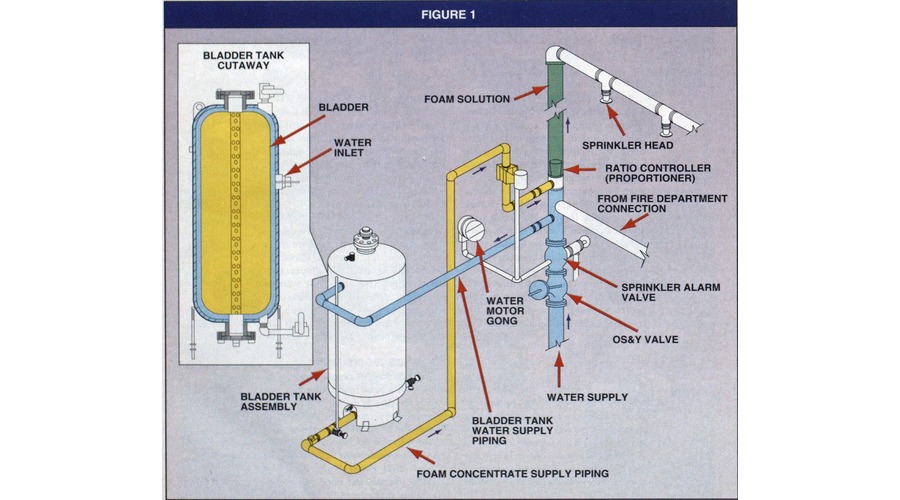
Traditional fire protection often acts after something already changes, such as when an alarm trips and a response team gets moving. However, modern smart suppression systems lean toward prediction. This means the system looks at multiple inputs at once, instead of relying on only one signal. Therefore, it can spot early trends, like a gradual rise in heat, fast growth in smoke particles, or a pattern that resembles known fire behavior. As a result, the system can alert sooner, and in many cases it can also prepare suppression devices to operate in a safer, more controlled way.
kord fire protection technicians explain that this shift reduces the “false alarm panic” that teams hate. For example, a dusty warehouse can look scary to a basic sensor. Yet, smart tech can apply logic based on time, airflow, and past events. So, the system behaves more like an experienced observer and less like a nervous alarm clock. And unlike a certain famous robot from a movie, it does not scream at everything in the room.
How smart sensors improve suppression decisions
Better sensing, better judgment
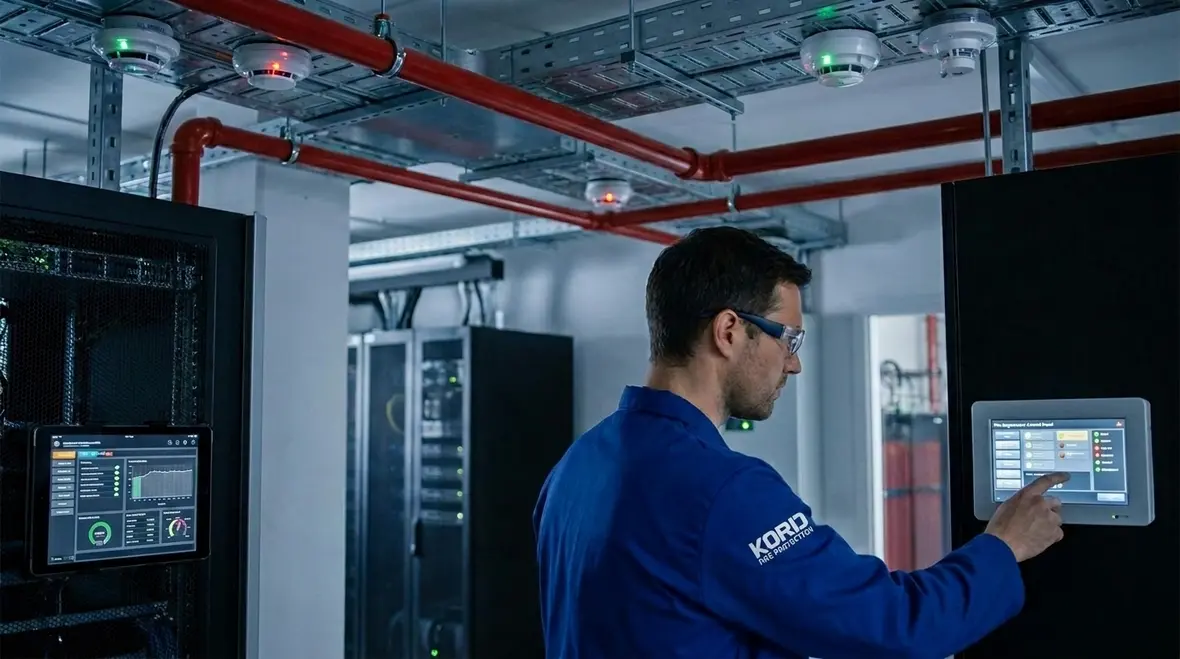
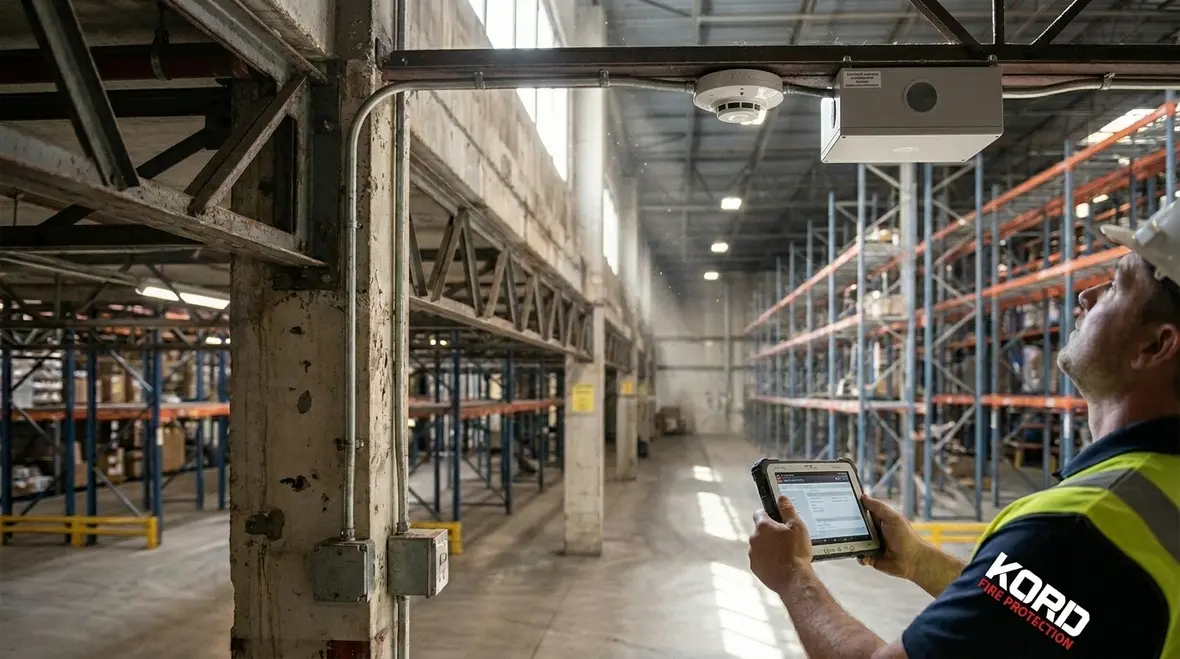
When people hear “smart,” they sometimes imagine flashy dashboards. Yet, the real power comes from sensing quality. Smart systems use advanced detectors that can better identify fire signatures, and they can also monitor their own health. Consequently, technicians can maintain higher confidence that the system still performs as designed.
Common sensor types may include heat detection, smoke sensing, flame detection, and gas related indicators. Then, the system correlates those signals with location data and system status. This matters because suppression is not a generic event. Different hazards demand different approaches, and smart tech helps a facility match the threat to the right response plan. In facilities that already rely on layered life safety systems, connecting smart suppression logic with a professionally maintained fire alarm service system can make alerts, occupant notification, and equipment response feel less like separate islands and more like a team effort.
kord fire protection technicians often stress that the value is not just in the sensor itself, but in the interpretation layer. For example, if a sensor ages, drifts, or gets dirty, the system can flag that change early. Therefore, the facility can schedule cleaning, calibration, or replacement before performance slips. And yes, that is less thrilling than a new gadget, but it saves money and headaches.
Control panels that coordinate with real time data
Why coordination matters inside the building
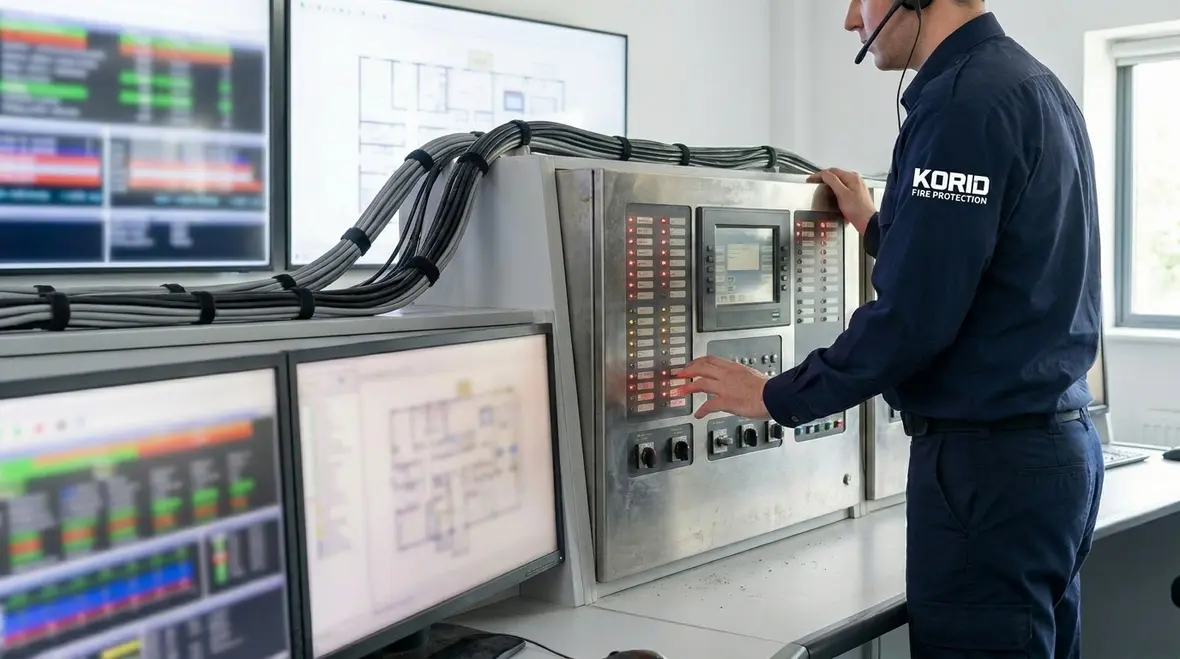
Smart fire suppression systems require more than detectors. They also need control logic that can coordinate multiple devices with speed and consistency. Modern panels can run decision rules that consider sensor readings, time of day, equipment status, and even shutdown sequences tied to building management.
As a result, suppression can coordinate with ventilation control, door status, and alarm routing. This improves the chance that suppression works as intended, instead of fighting the building’s own systems. In addition, systems can communicate with notification devices to guide occupants. Therefore, people can evacuate with less confusion, and maintenance staff can act faster after an event.
kord fire protection technicians explain that good coordination also supports safer testing. Because the system knows what it should see during test modes, it can verify circuits and outputs without guesswork. That means fewer “surprise moments” during inspections, which everyone pretends to enjoy but quietly does not. When facilities need broader support beyond a single control panel, Kord Fire Protection also offers fire suppression services that cover installation, maintenance, and code-focused upkeep for commercial and industrial environments.
Network connectivity and remote monitoring that protects uptime
Seeing trouble before it becomes downtime
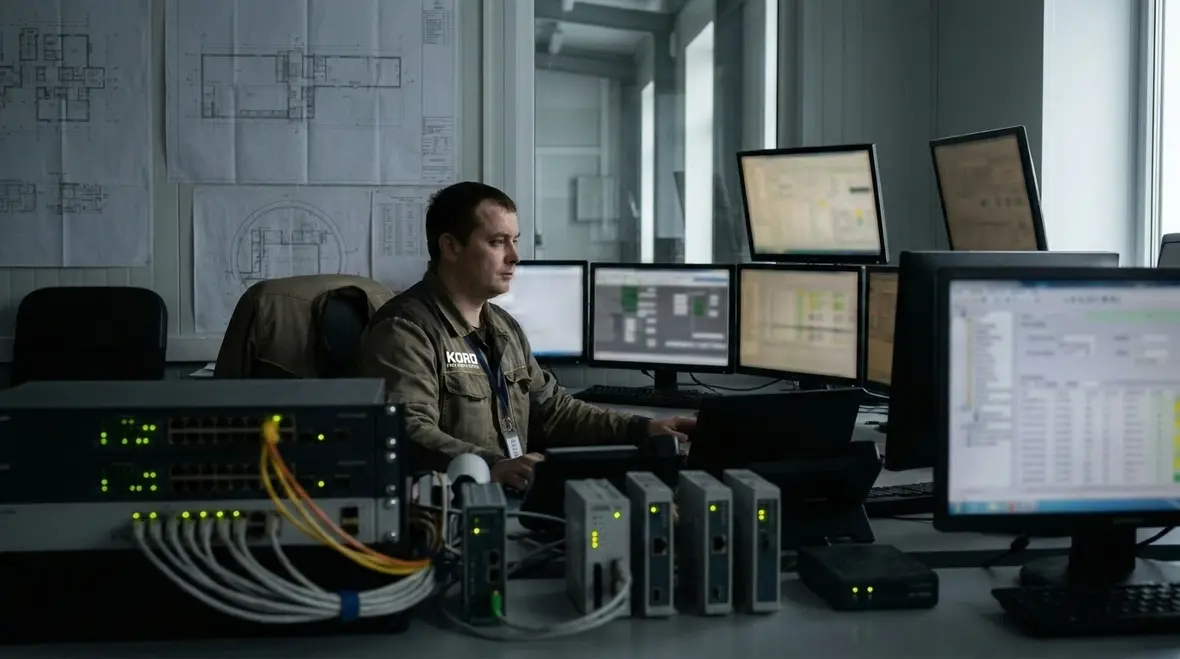
Another key role of smart technology involves connectivity. Many facilities connect fire systems to secure monitoring platforms. Then, authorized staff can receive alerts, view device status, and check fault history from a control room or a mobile device. However, the benefit goes beyond convenience.
When a detector or valve module shows early trouble, the facility can schedule service before a problem becomes a system outage. Consequently, response time improves because the first issue gets handled earlier. Also, smart systems can support predictive maintenance, using patterns in device performance rather than waiting for a test to reveal trouble.
Still, kord fire protection technicians remind clients to treat cybersecurity and access control as non negotiable. If connectivity exists, the system must stay protected. So, facilities should use proper authentication, network segmentation, and vendor best practices. In other words, smart tech should not become a smart way to invite trouble. That would be like using a smoke detector as a toaster, and nobody wants that.
Smart suppression performance across different hazards
One technology, very different environments
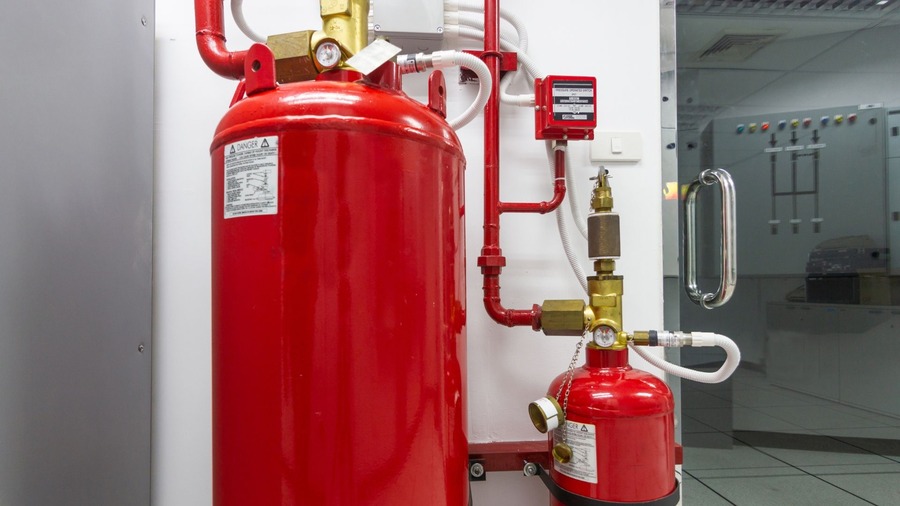
Smart technology does not replace good hazard planning. Instead, it improves how the system performs for the specific risk. For example, a data center, a manufacturing line, and a restaurant kitchen all behave differently. Therefore, a facility needs a suppression strategy that matches the fire load, occupancy, and fuel type.
Integrating smart fire suppression systems helps by tying sensor zones to mapped equipment areas and by supporting event logs that show how the system reacted. Then, technicians can review whether the sequence matched the design intent. This matters after commissioning and also matters after changes, such as new racking, moved machinery, or updated processes.
kord fire protection technicians explain that smart event history can reveal why an alert occurred. If a system suppressed and later inspections showed no fire, the log can help determine whether the trigger came from a process event, a sensor fault, or a configuration issue. Thus, the facility can refine settings and improve future outcomes without guessing.
That same principle becomes especially important in high value environments where downtime can hurt just as much as damage. Kord Fire Protection recently highlighted this in its guide to data center fire suppression system best practices, where planning, integration, and testing all work together to protect mission critical operations. Smart systems shine brightest when the technology is matched to the hazard instead of forced onto it like a one size fits all helmet.
Maintenance, testing, and training with real insight
Smarter upkeep without the guessing game
Smart tech also changes how teams maintain suppression systems. Instead of relying only on periodic inspections and manual checks, facilities can track device health over time. Then, maintenance work becomes targeted. Consequently, technicians can reduce downtime and handle issues before they become emergencies.
In addition, smart systems can support training. For example, a supervisor can review event timelines and explain what happened during a test or alert. Then, staff understand how alarms, notifications, and suppression outputs connect. This builds confidence and reduces the chaos that often follows an “unexpected” system action.
kord fire protection technicians often say training should match reality. So, they recommend that facilities practice the response plan using actual system behavior, including delays, alarm routing, and suppression sequencing. After all, knowledge gained in a quiet classroom does not help when the building decides to do something dramatic. Buildings do love drama.
FAQ
Smart suppression that stands up when it matters most
Smart technology strengthens modern fire suppression by improving detection, coordinating response, and supporting maintenance with real data. Meanwhile, integrating smart fire suppression systems helps facilities avoid blind reactions and reduces guesswork through logs, diagnostics, and secure monitoring. Yet, success depends on proper design, correct zoning, clean installation, and ongoing service. If a building wants protection that behaves like a plan, not a prayer, it should talk with kord fire protection technicians to evaluate hazards and build a system that fits.
Call kord fire protection technicians today to review current coverage, assess smart readiness, and map a solution that supports safety and uptime. Then, get the peace of mind that comes from knowing the system will act fast, for the right reason, every time. If you are ready to move from scattered components to a coordinated strategy, explore Kord’s fire suppression services or reach out through the contact page to start planning a system that is built for your facility, your hazards, and your uptime goals.

Join Our Newsletter!
Get the latest fire safety tips delivered straight to your inbox From our Newsletter.