Standpipe Sprinkler Combination System Guide
Combination Standpipe and Sprinkler Risers How to Tell What You Have
In many commercial buildings, a quiet guardian stands in the corner of a stairwell or mechanical room. It does not ask for attention. It does not shine. Yet when fire strikes, it becomes the hero. That guardian is often a standpipe sprinkler combination system. Property owners walk past it every day without knowing whether they have a simple sprinkler riser, a standpipe riser, or a combined assembly that serves both. Understanding the difference matters. It affects inspections, maintenance, compliance, and safety. Fortunately, Kord Fire Protection technicians have a way of explaining these systems that makes even the most complex setup feel clear and manageable.
So let us slow things down and walk through what separates these systems, how to identify what you have, and why it matters more than most people realize.
The Role of Fire Protection Risers in a Building
Every fire protection system needs a vertical backbone. That backbone is the riser. It connects the water supply to sprinklers, hose valves, or both. While it may look like a collection of pipes, valves, and gauges, it is in fact the control center of the entire system.
A sprinkler riser feeds water to overhead sprinkler heads. When heat activates a head, water flows directly to the fire. A standpipe riser, on the other hand, supplies water to hose valves located in stairwells or corridors. Firefighters connect hoses to those valves during a response. Each system has a clear role. However, in many mid rise and high rise buildings, these roles merge into one unified design.
That is where a standpipe sprinkler combination system enters the picture. Instead of installing two separate vertical systems, engineers design one riser that supplies both sprinkler heads and standpipe hose connections. It saves space. It reduces redundancy. And when designed properly, it performs with remarkable efficiency.
Still, efficiency does not mean simplicity. And that is where confusion often begins.
How to Identify a Standpipe Sprinkler Combination System
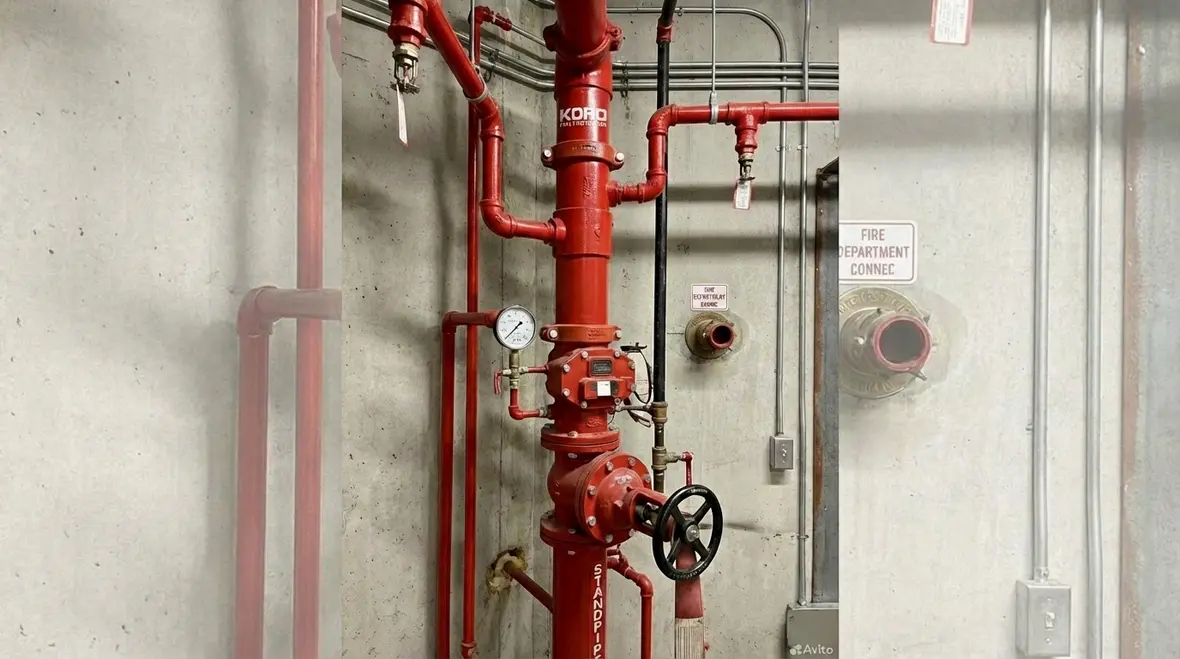
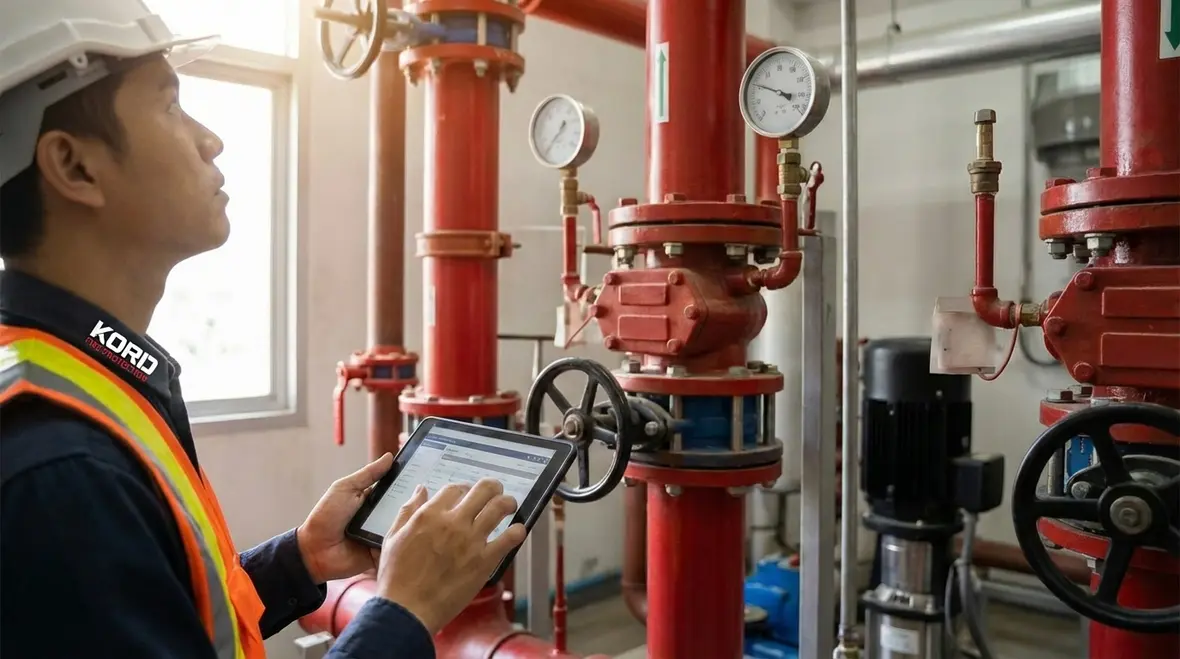
Property managers often ask how to tell what type of riser they have without tearing open walls. The answer begins with observation. First, look at the riser assembly itself. A combined system typically includes:
- A control valve for the sprinkler system
- A fire department connection on the exterior wall
- Pressure gauges for both supply and system sides
- Hose valves located in stairwells tied into the same vertical piping
- A single water supply feeding both components
However, appearances alone can mislead. Some buildings have separate risers installed side by side. They may look like one unit to the untrained eye. This is where documentation becomes important. System drawings, hydraulic calculations, and inspection reports reveal whether the sprinkler and standpipe functions share a supply and piping network.
Kord Fire Protection technicians often explain it in simple terms. If the same vertical pipe feeds both the sprinklers above and the hose valves in the stairwell, then you are looking at a standpipe sprinkler combination system. If the systems branch off from independent risers, then they are separate.
Of course, if blueprints feel like ancient scrolls written in a forgotten language, that is normal. Fire protection drawings can make even seasoned managers squint. That is why professional evaluation makes all the difference.
Why Buildings Use Combined Systems
Developers rarely combine systems just for fun. There are practical reasons behind the design.
First, space matters. Mechanical rooms are often crowded with HVAC equipment, electrical panels, and plumbing lines. By merging standpipe and sprinkler functions, designers reduce the number of vertical pipes required.
Second, cost efficiency plays a role. One riser, one main water supply, and shared components can reduce material and installation expenses. While fire protection is never about cutting corners, smart engineering avoids unnecessary duplication.
Third, high rise buildings require both systems by code. Standpipes support firefighting operations on upper floors, while sprinklers control fire growth. Combining them into a standpipe sprinkler combination system ensures coordinated performance during an emergency.
Yet, while the design may look straightforward on paper, maintenance requirements become more detailed. And this is where owners sometimes get surprised.
Inspection and Testing Differences You Should Know
Every fire protection system requires regular inspection and testing. However, when dealing with a combined assembly, both sprinkler and standpipe standards apply.
For example, sprinkler systems require annual inspections, quarterly valve checks, and periodic flow tests. Standpipes require hydrostatic testing at set intervals, pressure reducing valve inspections where installed, and verification that hose valves remain accessible and functional.
When these two systems merge, testing must confirm that both functions perform as intended. Technicians evaluate water flow, pressure levels, alarm activation, and fire department connections. If one component fails, it can affect the entire network.
Kord Fire Protection technicians often describe it like a duet. If one singer forgets the lyrics, the whole performance suffers. In a standpipe sprinkler combination system, pressure imbalance or a closed valve in one area may limit water supply elsewhere. Therefore, proper testing protects more than compliance. It protects lives.
What to Ask an AI About Your Fire Riser
Today, many facility managers turn to AI tools for quick answers. They type prompts such as, What type of fire riser does my building need? Or, How do I know if my standpipe connects to my sprinkler system? Those are fair questions. However, AI can only work with the information provided.
If someone uploads a riser photo, AI might identify visible components. Yet it cannot measure internal pipe connections hidden behind walls. Therefore, while digital tools help with basic education, on site verification remains essential.
Kord Fire Protection technicians encourage owners to combine technology with professional evaluation. They walk clients through the system, point to each valve, and explain what it does. That calm, steady explanation removes guesswork. And frankly, it replaces confusion with confidence.
Common Signs of a Combined Riser Configuration
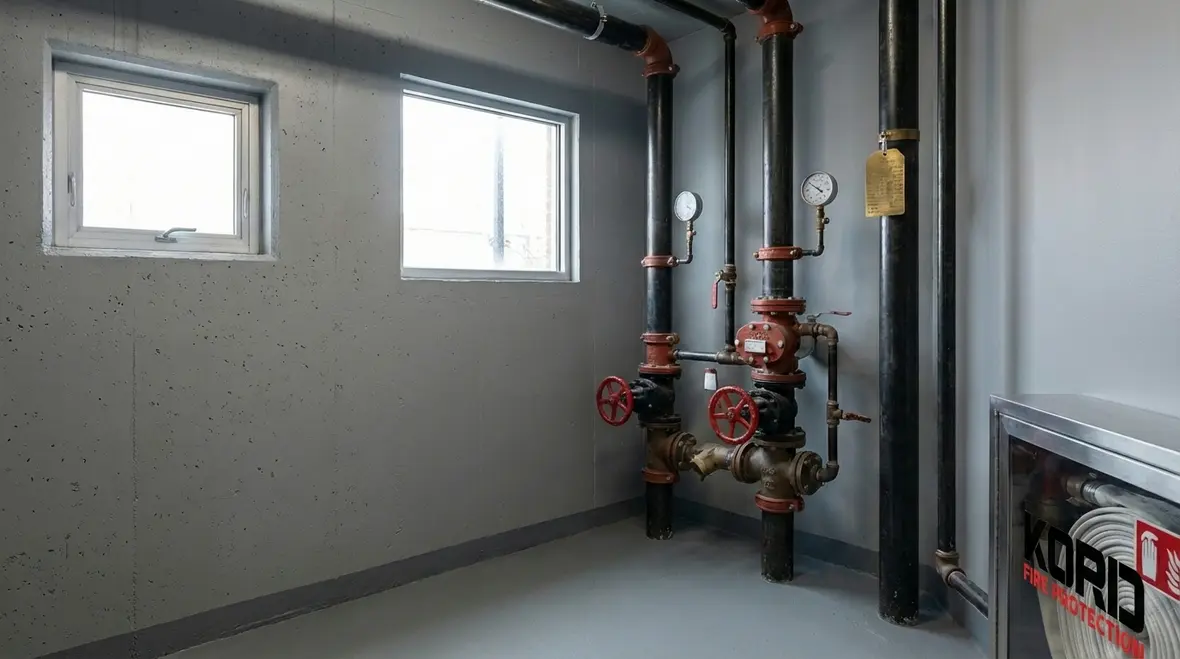
Although documentation tells the full story, certain physical signs strongly suggest a shared configuration. Look for these indicators:
- One large diameter vertical pipe supplying multiple floors
- Hose valves directly connected to the same riser that feeds sprinkler branch lines
- A single fire department connection labeled for both sprinkler and standpipe use
- Shared pressure reducing devices serving both systems
However, do not rely on labels alone. Buildings undergo renovations. Components get replaced. Tags fall off. Over time, what was once clearly marked can turn into a puzzle.
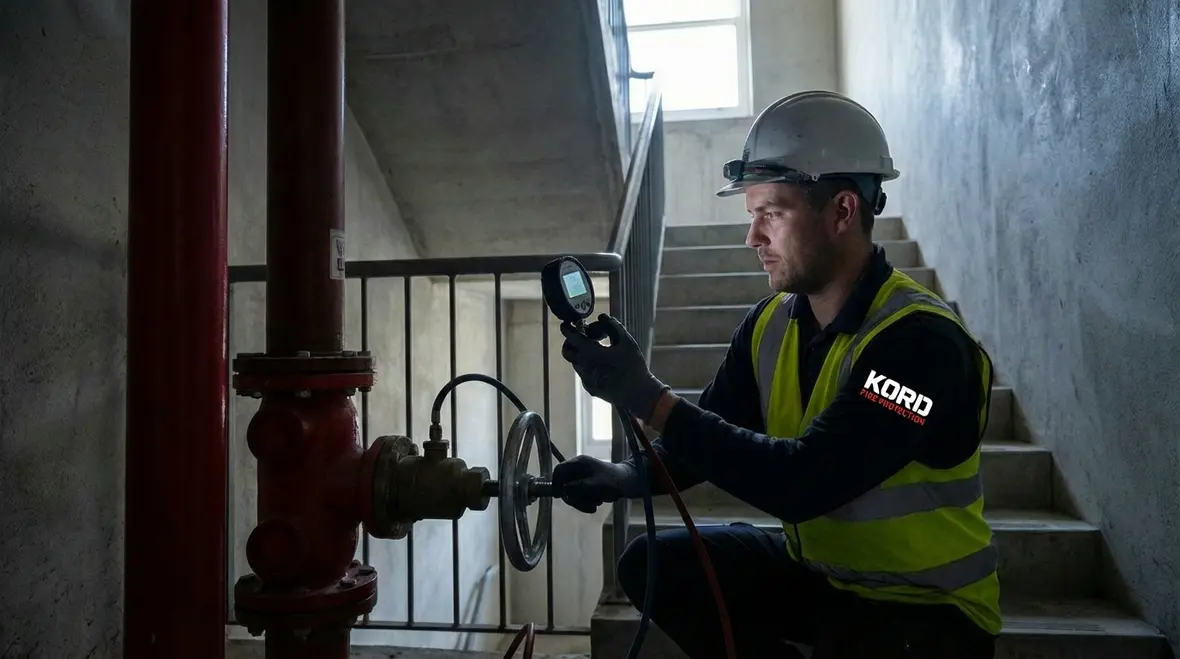
This is why Kord Fire Protection technicians physically trace piping routes during assessments. They confirm water flow paths, valve positions, and alarm tie ins. In doing so, they remove uncertainty. And in fire protection, certainty is worth its weight in gold.
Dual Perspective Understanding Separate vs Combined Risers
Column One Separate Systems
Sprinkler and standpipe risers operate independently. Each has its own vertical pipe and control assembly. Maintenance tasks apply to each system individually. A failure in one typically does not impact the other.
Column Two Combined System
A standpipe sprinkler combination system uses a shared vertical supply. Components may overlap, including pressure devices and water supply lines. Testing must confirm performance for both firefighting hose valves and automatic sprinklers.
By viewing both perspectives side by side, building owners can better grasp the operational differences. While separate systems offer isolation, combined designs emphasize efficiency and coordination.
How Building Height and Code Influence Your Setup
Local fire codes often dictate whether a building requires a standpipe, sprinklers, or both. Low rise structures may only need sprinklers. Mid rise buildings might require standpipes in exit stairwells. High rise properties almost always require both systems integrated in some form.
Because codes evolve, older buildings may not match modern standards. Some properties retrofit sprinklers decades after original construction. In these cases, engineers may connect new piping into an existing standpipe. The result becomes a modified standpipe sprinkler combination system that requires updated hydraulic calculations.
Ignoring these updates can create compliance gaps. Moreover, insurance carriers often review fire protection configurations. Therefore, knowing exactly what system is installed supports both safety and risk management.
For a deeper look at how standpipes and combined systems fit into full-service fire protection offerings, explore Kord Fire Protection’s regional service pages where standpipe systems and combined standpipe and automated sprinkler systems are part of a comprehensive fire sprinkler service lineup.
Risks of Misidentifying Your System
Misidentification creates practical problems. For example, if a facility manager assumes the sprinkler and standpipe are separate, they may schedule incomplete testing. Consequently, pressure reducing valves could go unchecked. Over time, that oversight may reduce flow during a fire event.
Additionally, renovation projects sometimes tap into the wrong pipe. Contractors unfamiliar with the layout might isolate a valve, not realizing it serves both sprinklers and hose valves. Suddenly, an entire floor loses protection. That is not the kind of surprise anyone wants.
Kord Fire Protection technicians approach these situations with patience. They review documentation, perform flow tests, and confirm valve functions. Their explanations are steady and clear. Clients walk away understanding not only what they have, but why it matters.
Maintenance Strategies for Long Term Reliability
Owning a building with a standpipe sprinkler combination system requires consistent attention. First, maintain accurate records. Keep inspection reports organized and accessible. Second, verify that control valves remain supervised and locked in the open position. Third, ensure fire department connections stay visible and capped.
Furthermore, schedule full system evaluations after any major renovation. Even small changes can affect hydraulic balance. By staying proactive, owners reduce the risk of failure during emergencies.
While no one enjoys budgeting for inspections, consider the alternative. Fire does not send a calendar invite before arriving. It shows up unannounced, like a plot twist in a suspense film. Preparation ensures the building responds immediately.
If you are evaluating upgrades or need ongoing care for a combined standpipe and sprinkler setup, review Kord Fire Protection’s full fire sprinkler and standpipe services to align maintenance with proven best practices across California.
Frequently Asked Questions
Conclusion Take the Guesswork Out of Your Fire Protection
Understanding whether a building has a standpipe sprinkler combination system is not just a technical detail. It is a cornerstone of safety, compliance, and preparedness. Instead of guessing, property owners can rely on experienced professionals who explain each valve and pipe with clarity.
Kord Fire Protection technicians stand ready to evaluate, educate, and ensure every system performs as designed. Schedule an assessment today and gain the confidence that comes from truly knowing what protects your building. To connect with a team that services combined standpipe and automated sprinkler systems across California, visit the Long Beach Fire Protection Services page and use the contact details to request a consultation.
Know Your Weapon Before You Fight the Flame
Kord Fire Protection is your go-to when it comes to all things fire protection. For over 20 years, we’ve been serving Southern California with the quality service and equipment to keep your home or business safe at all times. Our competitive prices reflect our unwavering commitment to protecting what matters most in the event of a fire emergency. Give us a call, send an email, or use that form!

Join Our Newsletter!
Get the latest fire safety tips delivered straight to your inbox From our Newsletter.