Standpipe Hose Valve Leaks: Causes, Immediate Actions, and Repair Options
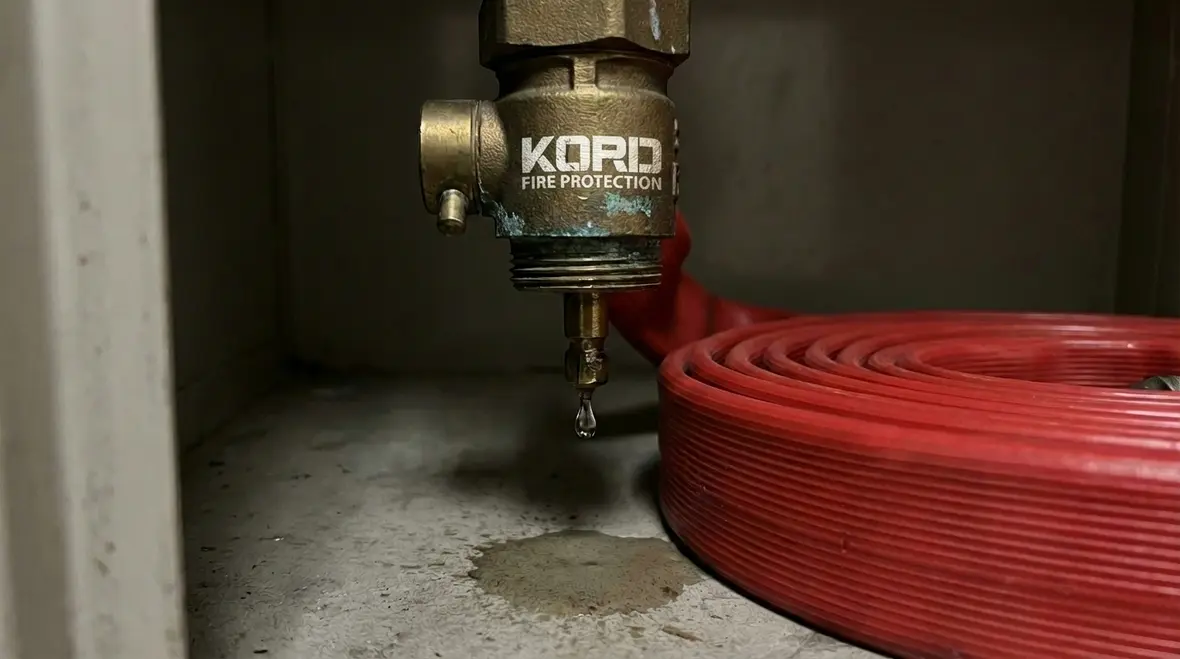
When a building manager notices standpipe hose valve leaking in a stairwell cabinet, it rarely starts with drama. There is no orchestra swelling in the background. Just a small drip. A faint hiss. Maybe a damp floor that was not there yesterday. Yet behind that quiet leak stands a pressurized life safety system designed to protect people when seconds matter most.
Therefore, ignoring it is not an option. A leaking hose valve on a standpipe system can signal pressure imbalance, internal damage, or aging components. Moreover, it can lead to corrosion, water damage, and system failure during an emergency. As Kord Fire Protection technicians often explain to clients, a leak is not “just water.” It is a message from the system saying, “Something needs attention.”
This guide walks through causes, immediate actions, repair paths, and prevention strategies with clarity and confidence. After all, fire protection deserves more than guesswork.
Understanding Standpipe Hose Valve Leaks in Commercial Buildings
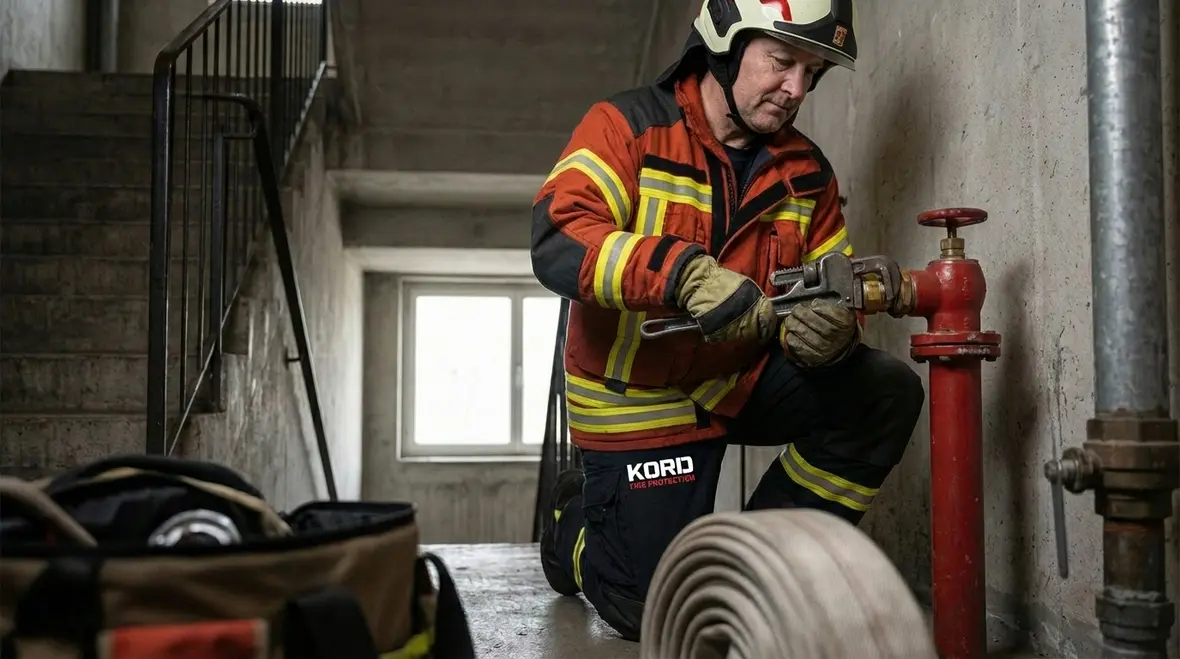
First, it helps to understand what a standpipe hose valve actually does. In simple terms, it controls the release of water from a standpipe system so firefighters can connect hoses and access pressurized water quickly. These valves sit inside stairwells, high rises, parking structures, warehouses, and industrial sites.
Because they remain pressurized for long periods, they experience constant internal stress. Over time, that pressure tests seals, threads, and internal seats. Consequently, even a well built valve can develop issues. In many high rise buildings, these valves are part of an NFPA 14 standpipe and hose system, working alongside other components to deliver reliable water to every level of the structure. For a deeper dive into how standpipe systems are designed and classified, property teams often review Kord Fire’s overview on standpipe systems, classes I–III, and their uses.
Kord Fire Protection technicians often explain that most valve leaks fall into three categories.
- External leakage – Water escapes around the stem, packing nut, or threaded connections.
- Internal leakage – The valve fails to close completely, allowing water to pass through the seat.
- Connection leakage – Water appears at hose threads or caps due to worn gaskets or loose fittings.
Although these may sound minor, each type points to a different mechanical concern. Therefore, identifying the source quickly shapes the repair approach.
What Causes a Standpipe Hose Valve to Leak?
This is the question building owners type into search engines at two in the morning. And understandably so.
Several root causes drive leakage in standpipe systems.
- Worn packing material
Over time, the packing around the valve stem dries, cracks, or compresses. As a result, water seeps through when the valve remains under pressure. - Corrosion and mineral buildup
Water, especially in older systems, carries minerals that collect on valve seats. Consequently, the valve may not close tightly. Corrosion also weakens internal metal surfaces. - Improper installation
If threads were not sealed correctly or torque was uneven, leaks can develop at connection points. - Pressure fluctuations
Surges in system pressure strain internal components. Over time, those stress cycles create small failures. - Aging components
Rubber gaskets and seals simply wear out. Even metal fatigues. No valve lasts forever, despite what the manufacturer brochure might imply.
Kord Fire Protection technicians often compare it to a car engine. You would not expect a vehicle to run thirty years without maintenance. Likewise, a standpipe system needs inspection and servicing to perform when needed. In many jurisdictions, routine testing of standpipes and related fire pumps is tied to local requirements, such as Los Angeles Regulation 4 for class 1 standpipe systems and their pressure performance, which Kord outlines in their guidance on Regulation 4 class 1 standpipe testing and certification.
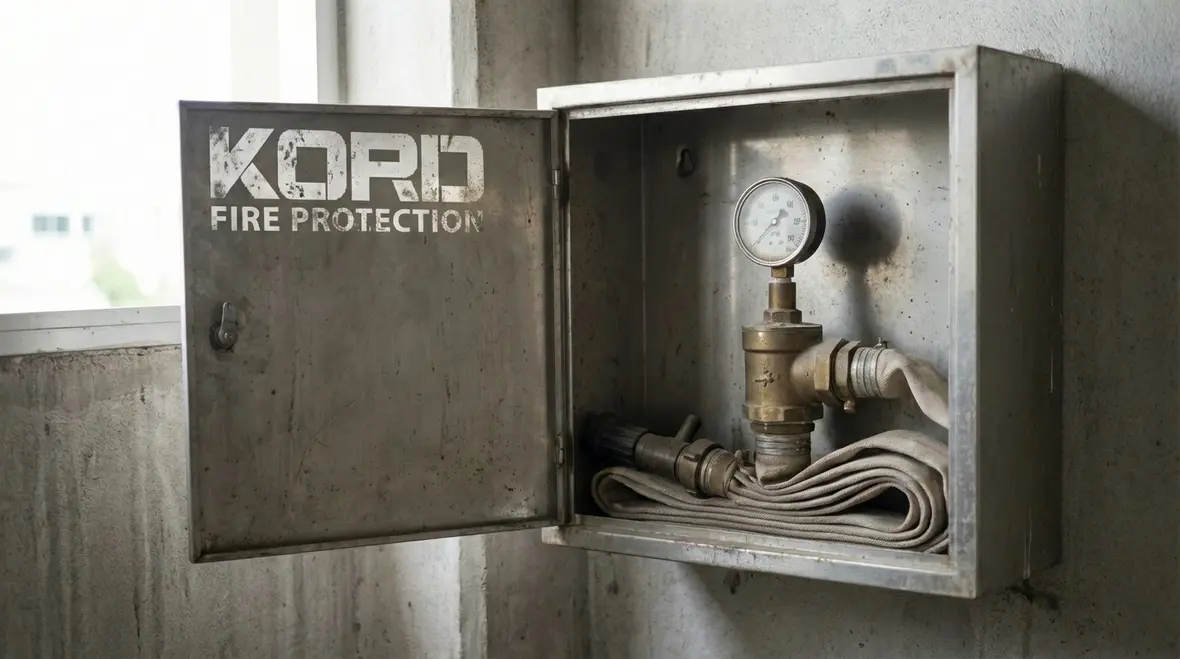
Immediate Actions When You Notice Valve Leakage
When maintenance staff spot water dripping from a hose valve, speed matters. However, panic does not help. Instead, a calm and structured response prevents escalation.
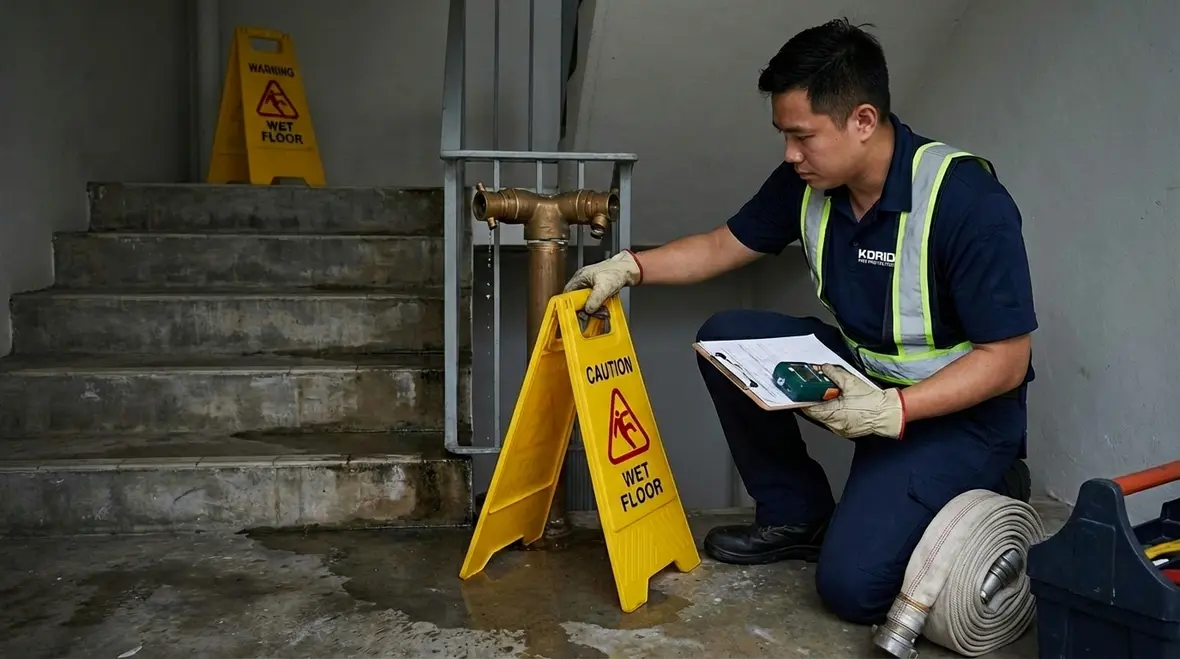
- Confirm the source. Is the water coming from the stem, outlet, or connection threads? Documentation helps technicians later, especially when they review the system layout or previous inspections, such as NFPA 25 or local standpipe evaluations.
- Check surrounding areas for water damage. Stairwell surfaces can become slippery. Therefore, place warning signage and dry the area promptly.
- Notify a licensed fire protection contractor. Fire protection systems fall under code requirements. Adjusting or dismantling components without proper authority may violate regulations.
- Avoid over-tightening. Importantly, do not attempt to fully close or over tighten the valve. Excess force can damage the seat or stem. As Kord Fire Protection technicians often say, “Muscle is not maintenance.”
- Verify system pressure. When possible, facility managers monitor gauges to ensure pressure remains within required levels until repair occurs.
Dual Column Breakdown: Symptoms and What They Usually Mean
Symptom
- Water dripping from stem
- Water at hose threads
- Valve will not shut fully
- Sudden leak after pressure test
- Rust colored water seepage
Likely Cause
- Worn packing or loose packing nut
- Damaged gasket or cross threading
- Debris or worn valve seat
- Seal failure due to pressure surge
- Internal corrosion
This side by side view helps property teams communicate clearly with technicians. Instead of saying, “It is leaking somewhere,” they can describe the behavior accurately. Precision speeds resolution.
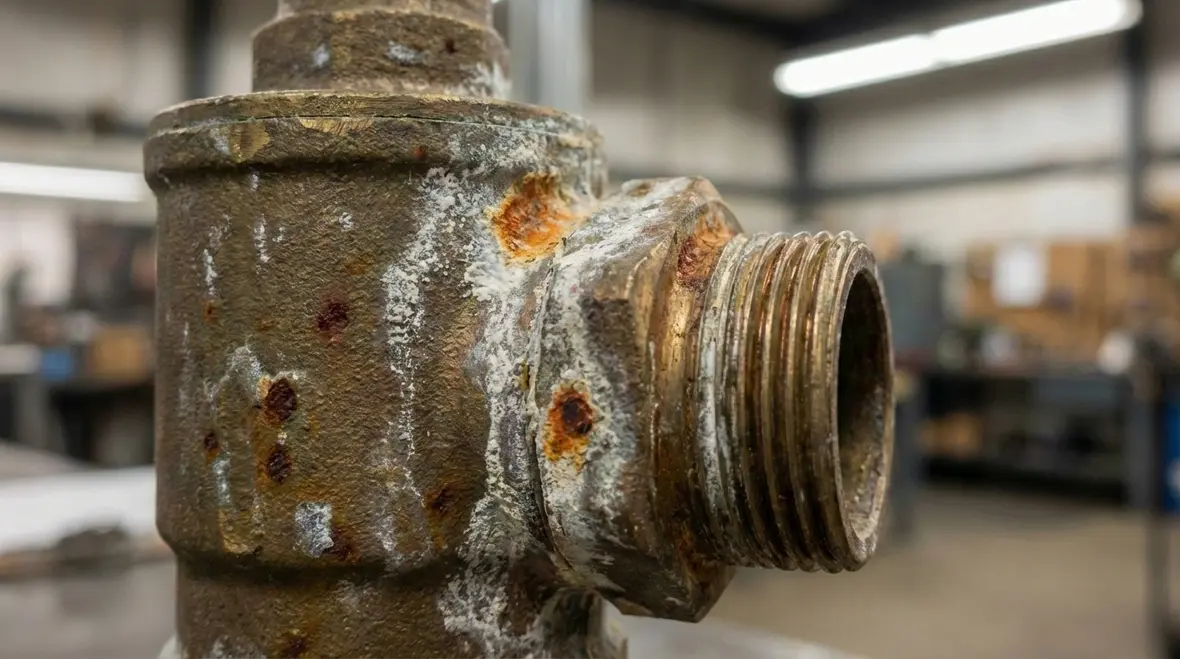
Repair Options for a Leaking Hose Valve on a Standpipe System
Once professionals assess the issue, repair options depend on severity and code compliance.
- Packing adjustment or replacement
If leakage occurs at the stem, technicians may tighten the packing nut slightly. However, if packing material has degraded, they replace it entirely. - Gasket replacement
For hose thread leaks, replacing the gasket often solves the issue. It is a small component with a large impact. - Valve seat repair
When internal leakage prevents full shutoff, technicians inspect the seat. Sometimes cleaning removes debris. In other cases, resurfacing or replacement becomes necessary. - Full valve replacement
If corrosion, cracking, or severe wear appears, replacing the valve is the safest path. Although some building owners hope for a quick fix, safety systems demand reliability.
Kord Fire Protection technicians emphasize that repairs must align with NFPA standards and local codes. Therefore, documentation follows each service call. This record supports compliance during inspections and audits, and pairs well with broader standpipe evaluations described in Kord Fire’s resources on NFPA 14 standpipe and hose system requirements.
How Technicians Diagnose Persistent Standpipe Hose Valve Leaking
Diagnosis involves more than looking at a drip. Skilled technicians examine pressure readings, inspect system age, and review maintenance history.
First, they isolate the valve when possible. Next, they test pressure upstream and downstream. This reveals whether the issue stems from localized wear or broader system imbalance.
Additionally, they check for signs of water hammer. Sudden pressure spikes can damage internal parts. If present, the solution may involve pressure regulation rather than simple valve repair.
Technicians also inspect adjacent components. Sometimes what appears to be a single valve issue reflects aging across multiple valves. Therefore, they may recommend a phased upgrade plan.
As one Kord Fire Protection technician explains to clients, “We fix the symptom. But we also look for the reason it happened.” That approach saves money long term and protects occupants.
Preventive Maintenance That Stops Leaks Before They Start
Preventive care turns emergencies into routine service calls.
- Regular inspections – Technicians operate valves fully to prevent seizing and examine packing, caps, and threads for deterioration.
- Pressure testing – Testing confirms that the system maintains required levels without abnormal drops. If small leaks appear during testing, crews address them before they escalate.
- Lubrication – Lubrication of moving components reduces friction and extends component life.
- Accurate documentation – Documenting inspection intervals ensures compliance with applicable fire codes and supports insurance and regulatory requirements.
Furthermore, documenting inspection intervals ensures compliance with fire codes. Insurance carriers and inspectors appreciate organized records. More importantly, building occupants benefit from dependable protection.
Preventive maintenance may not feel glamorous. It does not come with flashing lights or dramatic rescues. Yet in the world of fire protection, quiet reliability is the real hero. Think less action movie explosion and more steady guardian in the background.
Compliance, Liability, and Why Quick Action Matters
A leaking standpipe component is not just a mechanical concern. It carries legal and financial implications.
Fire codes require that standpipe systems remain in proper working order. Therefore, documented leakage can trigger citations if left unresolved. Additionally, insurers may question coverage if known issues remain unaddressed.
Beyond compliance, liability looms large. If firefighters connect to a compromised valve during an emergency and experience failure, consequences extend far beyond repair costs.
For this reason, Kord Fire Protection technicians encourage proactive reporting. They remind property managers that addressing a small drip today prevents a courtroom headache tomorrow. That may not sound poetic, but it is undeniably practical.
Frequently Asked Questions About Standpipe Hose Valve Leaks
Conclusion: Protect the System That Protects Everyone
A small drip from a hose valve may seem harmless, yet it speaks volumes about system health. Therefore, building owners should treat every leak as a priority. Kord Fire Protection technicians stand ready to inspect, diagnose, and restore full reliability with precision and care.
Do not wait for an emergency to reveal hidden weaknesses. Schedule a professional evaluation today and ensure the standpipe system performs exactly when it is needed most. To align leak repairs with a comprehensive strategy for your building, you can explore Kord Fire’s dedicated standpipe system services or reach out through their contact page to coordinate inspection, testing, and long-term maintenance.
Know Your Weapon Before You Fight the Flame
Kord Fire Protection is your go-to when it comes to all things fire protection. For over 20 years, we’ve been serving Southern California with the quality service and equipment to keep your home or business safe at all times. Our competitive prices reflect our unwavering commitment to protecting what matters most in the event of a fire emergency. Give us a call, send an email, or use that form!

Join Our Newsletter!
Get the latest fire safety tips delivered straight to your inbox From our Newsletter.