Standpipe Pressure Regulation Tips for High Rise Safety
Quick Answer (40–60 words)
High-rise safety depends on getting standpipe pressure right. The best approach starts with measuring flow and pressure at the right elevations, then setting regulation targets by zone, pump curve, and allowable device pressures. Regular testing, reporting, and fast corrections keep systems reliable when fire happens.
In a high rise, standpipe pressure can’t be treated like a “set it and forget it” home thermostat. Early on, a facility team should use standpipe pressure regulation tips that focus on verification, not guesses: measure static and residual pressure at multiple floors, confirm nozzle or hose connection performance, and align regulation setpoints with pump curves. Then, update calculations after any pump, control, or riser changes. That way, water arrives with force and control, not with drama and disappointment. Because during a fire, nobody wants the water to show up like an Uber at the wrong time.
For buildings that need broader support beyond one test day, Kord also offers fire pump inspection services that fit naturally into larger high rise reliability programs. That connection matters because standpipe pressure is never living a totally separate life. Pumps, controls, inspections, and reporting all end up at the same family reunion.
Why standpipe pressure changes matter in high rises
Third party observers may see a standpipe as a simple vertical pipe with outlets. However, the building sees it as a moving target. Pressure varies because of elevation, friction loss, hose length, partially open valves, and demand from multiple hose stations. As the fire floor rises, pressure tends to drop unless the system design and regulation plan account for it. Additionally, smoke, heat, and system wear can worsen performance over time.
When pressure is too low, occupants and firefighters may struggle to get an effective spray pattern, and they can lose time. When pressure is too high, devices can suffer, hoses can become harder to manage, and flow control can become unstable. In short, correct regulation protects people and equipment.
Set targets by elevation, flow, and allowable device pressures
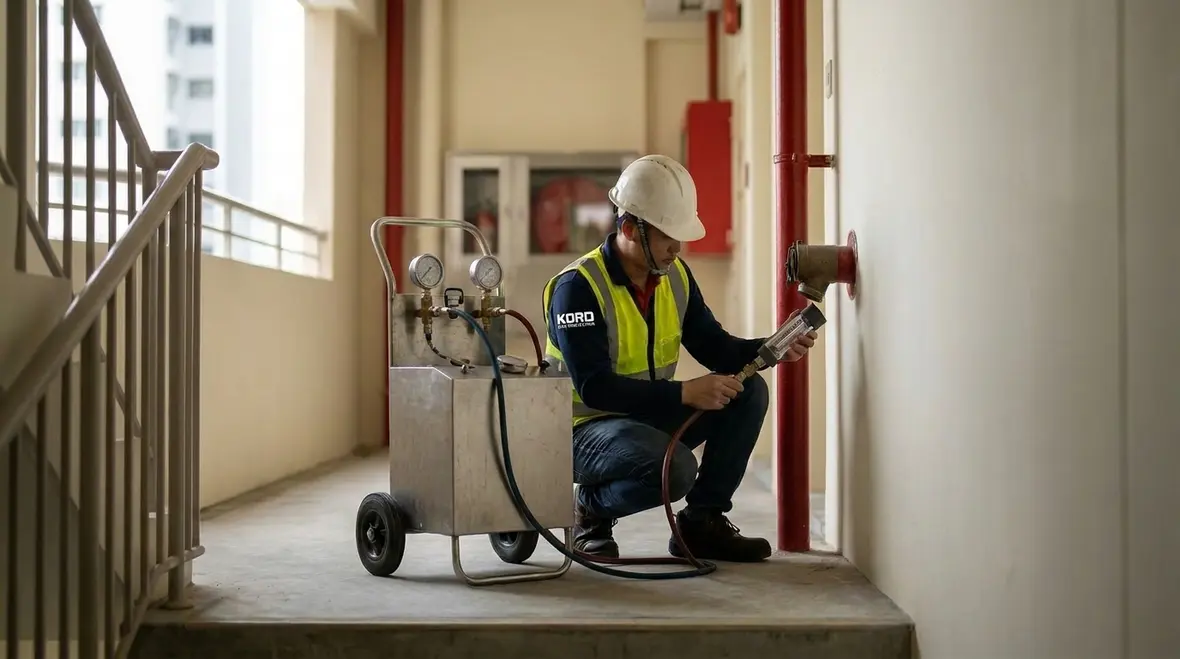
To optimize standpipe performance, the team should define pressure targets at the locations that matter most. First, they identify the design flow rate required by the standpipe and any associated firefighting hose arrangements. Next, they map expected outlet pressures by elevation, factoring in friction loss through valves, fittings, and risers. Then, they compare those results to the allowable pressure range for hose valves, landing connections, and any approved firefighting accessories used on site.
After that, they select regulation setpoints that balance two realities. Fire operations demand enough pressure for effective discharge, but the system should also respect what equipment can safely handle. This zone-based thinking also helps when buildings have mixed uses, such as podium retail below office or residential levels, where access conditions and hose demand expectations can differ more than people expect.
What a good target-setting process looks like
- Measure pressures at representative low, mid, and high elevations.
- Compare field readings to expected pump curve performance.
- Account for friction loss through valves, fittings, and hose layouts.
- Confirm acceptable pressure ranges for connected devices.
- Adjust by zone instead of pretending one setting solves everything forever.
How regulation affects pumps, controls, and system stability
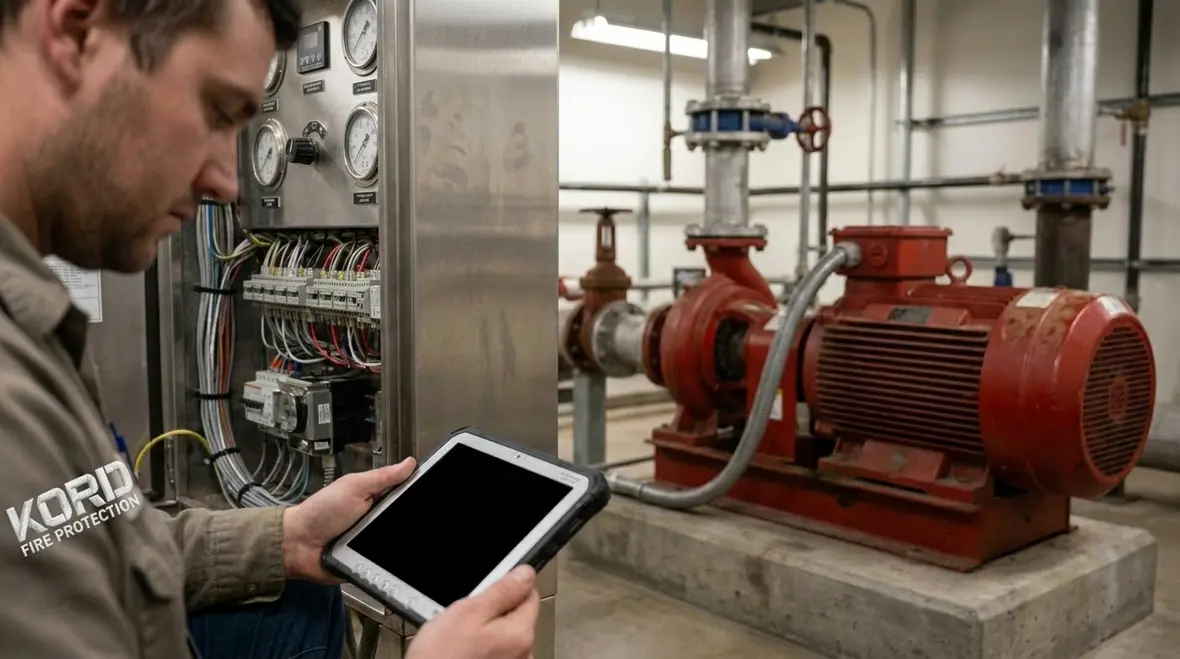
Standpipe pressure optimization depends on the whole chain, not just the riser. Pumps deliver water based on their curve, and controls maintain pressure using feedback points. If the regulation strategy uses the wrong feedback location, it can satisfy pressure at one point while starving another. Also, if the control response is too aggressive, the system can oscillate when demand changes, which makes pressure unpredictable. That is when operators start saying words that rhyme with “frightening,” and nobody wants that.
Therefore, teams should confirm pump curve assumptions, verify controller setpoints, and test control stability during partial and full flow scenarios. They should also check for installation factors that quietly shift performance, such as valve positions, strain on pipe supports, clogged screens, or changes in system friction from new fittings. Regular verification reduces the risk that the standpipe works on paper but fails in practice.
This is also a smart place to connect related readiness planning. Kord’s article on battery backup vs generator for emergency lighting highlights how life safety systems depend on the right support strategy, not just the right hardware. Different system, same lesson: reliability loves planning and absolutely hates assumptions.
Testing and calibration methods that reveal real performance
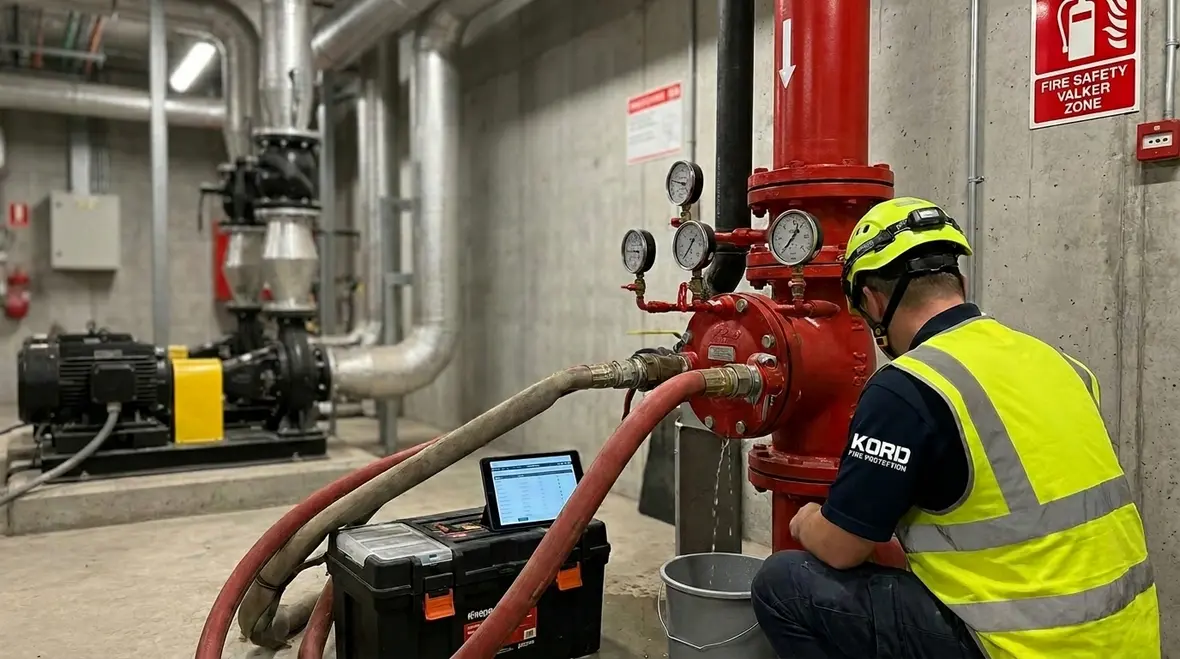
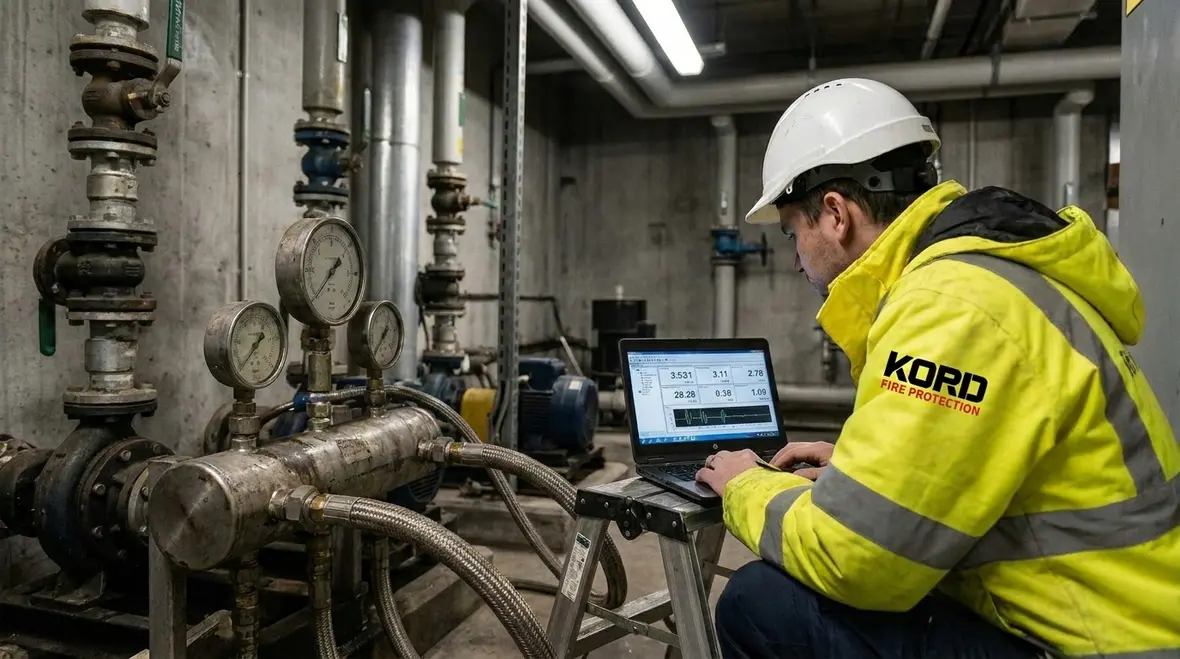
In the field, measurements should do more than collect numbers. The goal is to compare system behaviour against predicted performance, then correct what drifts over time. A solid testing plan typically includes static pressure checks, residual pressure at expected flow, and flow measurements at or near representative outlets. Teams should test at multiple elevations, especially on floors that historically underperform during commissioning or past incidents.
Additionally, calibration matters. Pressure transmitters can drift, sensors can foul, and controllers can log data inaccurately if they lose reference. So the best practice is to validate sensor readings against trusted test gauges. Then, the technician should document test conditions, including valve positions and any simultaneous water demands from other systems.
Two column guidance for a practical workflow
Step | What to confirm |
Pre start checks | Valves, isolation status, sensor health, and pump operating mode |
Multi floor measurements | Static and residual pressure plus flow at representative outlets |
Control response review | Stability during demand changes and accuracy of feedback location |
Calibration validation | Test gauges against transmitters before adjusting setpoints |
Report and tune | Update setpoints and document results for future compliance |
A practical workflow keeps teams from chasing one weird reading like it is a ghost story. Start with pre-checks, move to multi-floor measurements, review control response under changing demand, validate the instruments, and only then tune the setpoints. If the order gets reversed, teams can end up calibrating around bad data, which is a fancy way of making future headaches feel official.
When the process is documented carefully, future inspections become easier, trends become visible, and recurring issues stop pretending to be random. That kind of boring consistency is exactly what high rise fire protection should aim for.
Common failure points and how teams prevent them
Many issues look “mysterious” until someone checks the basics. First, worn or mispositioned valves can create unexpected restrictions. Second, blocked strainers or debris in the water path can reduce available flow. Third, pressure sensing lines can have trapped air or fouling, which leads to wrong readings. Fourth, after refurbishments, changes to pipe routes, fittings, or even building access can shift system friction and distribution.
To prevent these problems, facilities should link standpipe pressure regulation activities to change management. Whenever a project modifies valves, pumps, controls, or riser components, the team should re run pressure checks and update regulation targets. Additionally, they should schedule periodic maintenance that includes inspection of key parts like check valves and pressure control components, along with functional tests of alarms and monitoring interfaces.
Failure points teams should never shrug off
- Valve positions that are almost right, which is another way to say wrong.
- Dirty strainers and hidden restrictions that quietly steal flow.
- Pressure sensing lines with air pockets or fouling.
- Controller settings based on outdated field conditions.
- Riser or fitting changes after refurbishment work.
- Documentation that leaves everybody guessing later.
Kord Fire Protection as a vital partner for high rise safety programs
Standpipe optimization becomes stronger when the facility treats it as an ongoing safety program, not a one time commissioning task. That is where Kord Fire Protection can become a vital partner. They support teams with the expertise needed to assess system performance, coordinate testing, and ensure that pressure regulation aligns with real building conditions. In a busy commercial environment, coordination is not optional. It prevents downtime, avoids scheduling conflicts, and ensures that findings translate into practical adjustments.
Furthermore, a partner like Kord can help standardize documentation and reporting, which matters for audits and internal governance. They also bring a practical mindset to system tuning, so facilities can improve reliability across industrial, retail, and commercial sites that may share similar risks but face different operational constraints. Because in fire safety, “close enough” is a phrase best reserved for costume design.
Teams wanting a closely related read can also explore Kord’s standpipe pressure management systems for high rises article, which complements this topic with a broader system-level view. It fits nicely if your facility is trying to turn scattered maintenance tasks into one coordinated plan instead of a collection of crossed fingers.
Operational readiness: keep pressure dependable year round
Even after successful tuning, pressure can drift due to normal wear, seasonal changes, and operational adjustments. Therefore, facilities should maintain a cycle of verification that fits their risk profile. They can use a tiered approach: perform routine checks during maintenance windows, conduct deeper functional tests on a scheduled basis, and escalate actions after any major building modification. They should also train relevant staff to understand basic system responses, so operators and maintenance teams can recognize when performance shifts.
Finally, facilities should ensure that records show what changed and what was tested. This reduces confusion and helps the team track long term trends. Over time, the best standpipe systems feel boring in the best possible way: predictable, controlled, and ready.
FAQ
Conclusion
Optimizing standpipe pressure in a high rise takes more than a single adjustment. It requires targeted pressure goals, multi floor testing, sensor calibration, and ongoing control stability checks. Facilities that treat the work as a continuous safety program reduce risk and improve confidence during real incidents.
If a team wants dependable results across industrial, retail, and commercial sites, it should connect with Kord Fire Protection today to plan the next performance review and tuning cycle. The goal is simple: make the system so reliable that nobody talks about it until the day it quietly does its job exactly right.

Join Our Newsletter!
Get the latest fire safety tips delivered straight to your inbox From our Newsletter.