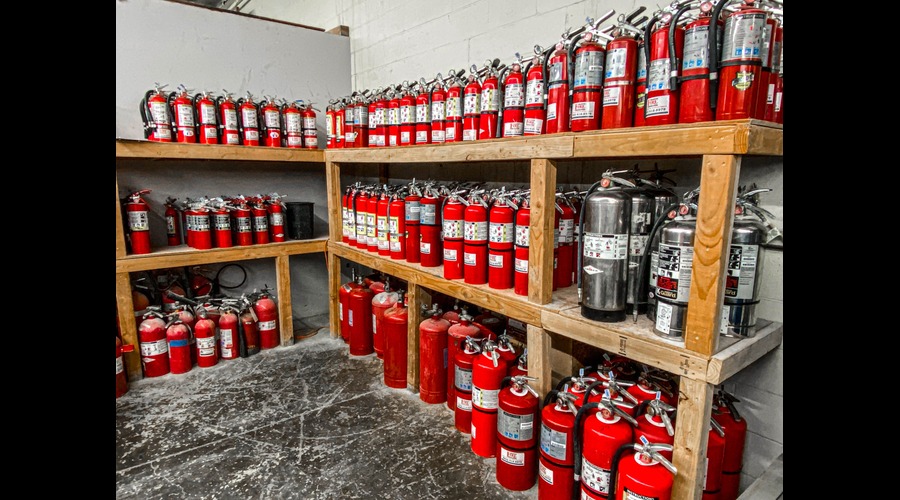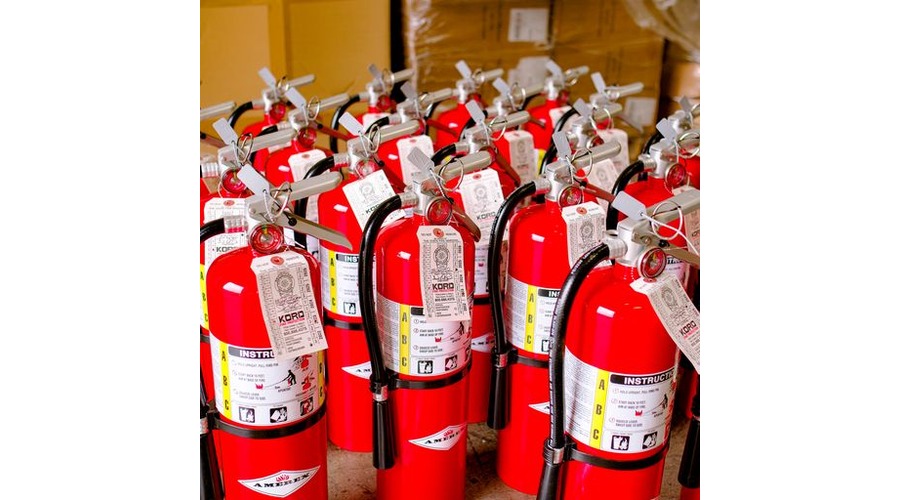
Fire Extinguisher Placement Optimization for Australia Sites
Quick Answer: Strategic fire extinguisher placement improves response time, supports code compliance, and reduces damage during an incident. It also helps facilities cover high-risk zones without turning hallways into obstacle courses. With fire extinguisher placement optimization, teams place the right extinguisher where it matters most.
For facilities that need practical support beyond a paper plan, professional fire extinguisher service and certification can help keep placement, inspection, and readiness aligned with how the site actually runs.
Plan Fire Extinguisher Coverage With Fire Extinguisher Placement Optimization
Fire emergencies move fast, and facilities usually do not. That is why fire extinguisher placement optimization starts with a simple goal: put extinguishers where staff can reach them quickly, safely, and correctly. When a plan is thoughtful, coverage looks less like guesswork and more like a system. And yes, it is possible to do this without stapling signs everywhere like confetti at a corporate event.
In Australia, industrial, retail, and commercial sites face different ignition risks, layouts, and staff patterns. Kord Fire Protection can become a vital partner in this job because they bring site focused guidance, practical installation planning, and ongoing support that helps facilities stay ready, not just “technically compliant.”
Start With Site Risk Mapping, Not Random Mounting
First, facilities should break the building into zones based on what could burn, how easily it spreads, and where people actually work. Therefore, the placement process begins with risk mapping. This step considers processes like welding, cooking, battery charging, electrical panels, flammable storage, vehicle movement, and even typical retail merchandising layouts.
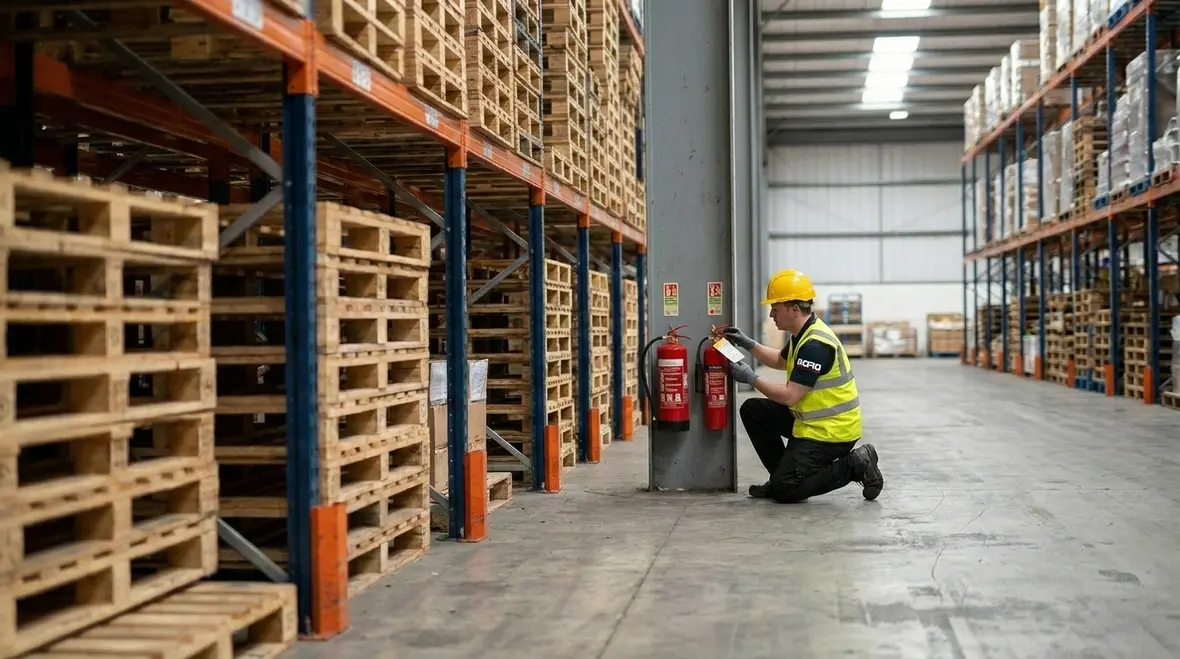
Next, the plan should account for how a person would move during a fire. Smoke changes everything. So, teams must consider visibility, door locations, walk paths, and whether an extinguisher might be blocked by pallets, stock carts, or temporary installations. If someone cannot reach the unit during an emergency, the unit may as well be a museum exhibit.
Finally, the facility should confirm that risks align with extinguisher types and travel distances. In other words, placement and selection should work together, not fight each other. This is where many otherwise smart layouts go a little sideways. A site can have plenty of extinguishers on paper and still leave people awkwardly far from the right one when seconds count.
What a useful risk map should include
A strong map usually marks ignition sources, fuel loads, access routes, staff work zones, and any places where normal operations regularly change the environment. Loading docks, plant rooms, stock receiving areas, kitchens, switch rooms, and back of house storage often deserve special attention because they combine activity, clutter, and risk in a way that rarely stays tidy for long.
It also helps to note where contractors work, where deliveries stack up, and where sight lines disappear. That may sound unglamorous, but safety planning is often just detail management wearing high visibility clothing.
Pick Locations That Keep Access Clear During Real Emergencies
Coverage is not only about numbers. It also depends on access. For that reason, extinguishers should sit along primary egress routes and near likely ignition points, while also maintaining clear paths to reach them under stress.
Core placement principles
- High visibility, low confusion: Mount extinguishers where people expect safety equipment, and ensure signage supports quick identification.
- Clear approach: Avoid placing units behind swing doors, inside narrow recesses with clutter, or near areas where maintenance teams routinely store tools.
- Distribution across hazards: Do not cluster all extinguishers in one corner. Instead, spread them so every team can act without sprinting through smoke.
- Path resilience: Ensure access remains usable even if certain exits or corridors become blocked.
And because facilities love “temporary” changes, the plan should include a review cycle. Stock layouts, production lines, and seasonal retail changes can quietly turn a well placed extinguisher into a hard to find one.
Another practical detail is human behavior. In an emergency, people rarely move like they do in training diagrams. They hesitate, double back, call for help, and try the route they know best. Placement should reflect those habits instead of assuming everyone becomes a perfect safety robot the moment an alarm sounds.
Match Extinguishers to Hazard Types and Staff Skills
Even the best fire extinguisher placement optimization plan falls apart if the extinguisher does not match the hazard. Therefore, each location should consider the likely fire class and the substances involved. Industrial sites may need coverage around flammable liquids, electrical risks, or hot work zones. Retail spaces often carry different fuel loads, like packaging, paper goods, and plastics in displays.
Next, facilities should think about how staff will use the equipment under pressure. A unit placed correctly but selected incorrectly can create a false sense of control. When the right type is present where people can reach it, the first response becomes more realistic and effective.
Kord Fire Protection can support this step by helping teams align extinguisher selection with site realities. That means less guesswork and fewer “we’ll figure it out later” decisions, which always arrive later, usually during an incident.
Selection works best when training supports it
Staff do not need a dramatic action montage, but they do need familiarity. If teams understand what type of extinguisher belongs in each zone, they are less likely to lose time second guessing labels or grabbing the nearest cylinder just because it happens to be shiny and nearby.
This is also a good place to connect extinguisher planning with broader system reliability. If your team is reviewing life safety infrastructure more generally, Kord Fire Protection’s fire alarm power requirements and reliable backup guidance offers a useful companion read on keeping critical systems dependable when conditions stop being polite.
Design Coverage for Multi Floor, Large Footprint, and Complex Layouts
Large facilities rarely behave like a neat textbook diagram. As a result, placement plans must handle stairs, mezzanines, loading bays, service corridors, warehouses, and staff areas that look connected on a blueprint but feel distant in real life.
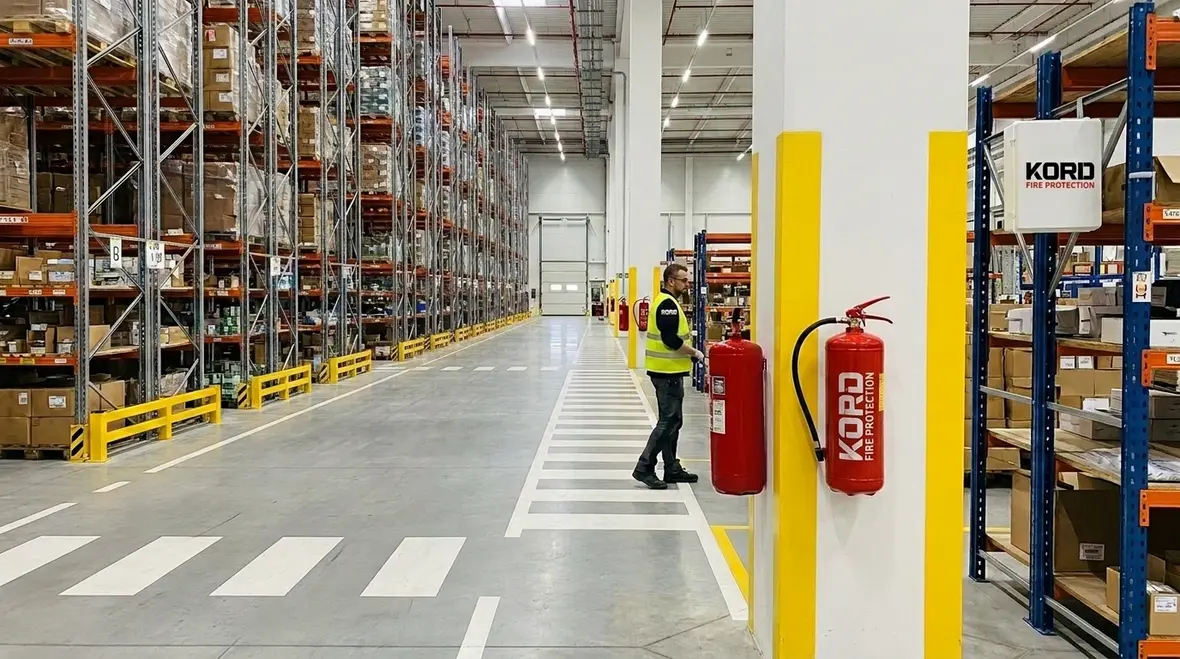
For multi floor buildings, teams should ensure coverage on each level, not only at ground level. Also, they should consider how fire doors and compartment walls affect movement and access. Likewise, warehouses and workshops often have long internal aisles. In those areas, extinguishers should appear at practical intervals so someone can find and reach one before the situation worsens.
Retail sites add their own twist. Displays create sight lines and blockages. Therefore, extinguishers should be placed where shoppers and staff can access them without navigating chaotic crowd flow, and where attendants can respond quickly without turning an aisle into a bottleneck.
Complex layouts need practical checkpoints
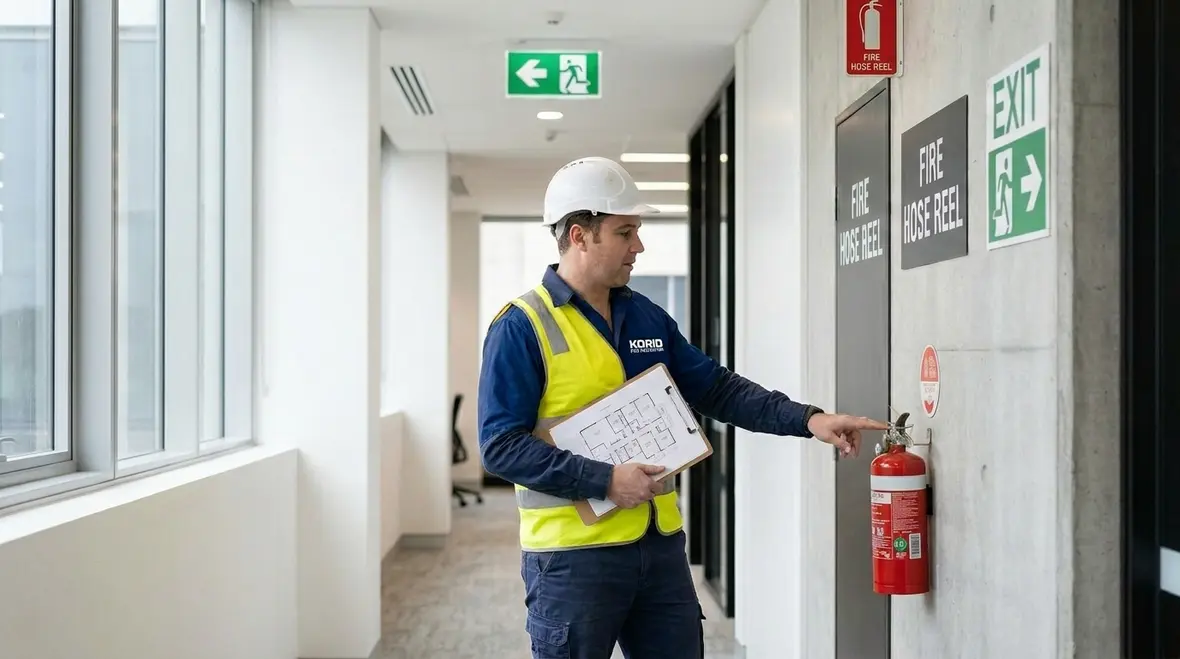
If a site has split levels, back corridors, locked service rooms, or seasonal pop up areas, the placement plan should be walked in person, not admired from a drawing and declared finished. Physical walkthroughs reveal what plans often miss: blocked corners, odd traffic patterns, and the uncanny ability of a single display rack to make safety equipment vanish from human memory.
Installation Standards, Maintenance, and Recordkeeping That Actually Work
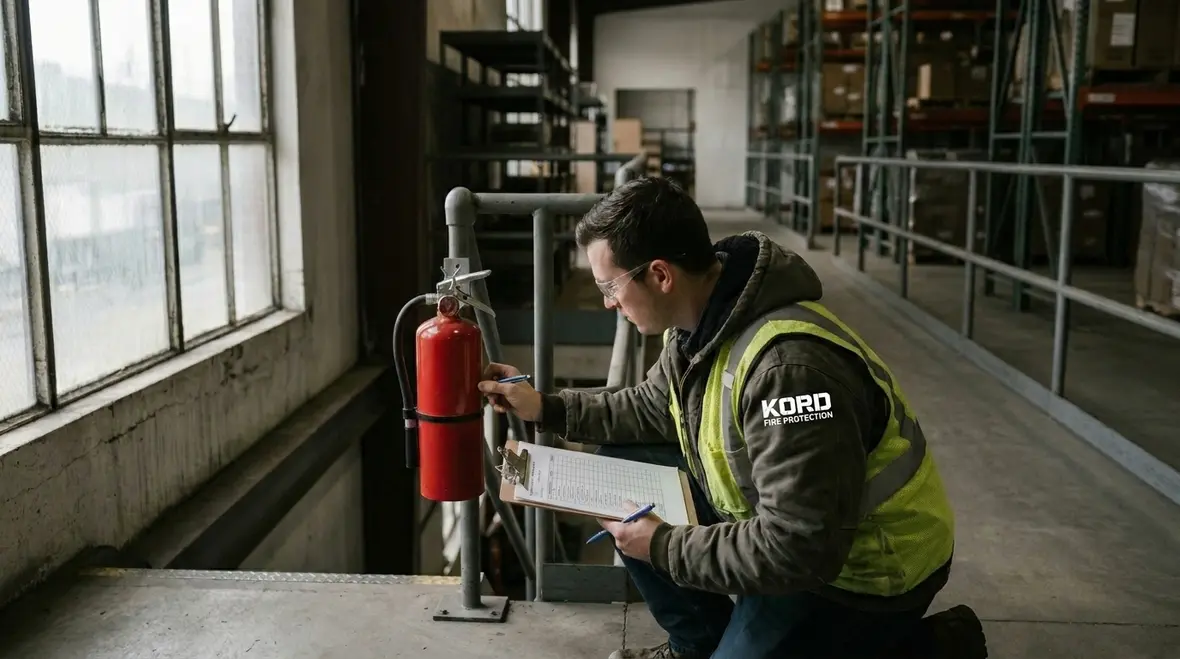
Placement does not end at mounting. The facility still needs a dependable installation and maintenance plan. If extinguishers are mounted inconsistently, hard to reach, or left uninspected, the entire strategy weakens.
To keep the system credible, facilities should plan for these actions:
- Consistent mounting height and visibility: Prevent “reachability drift” across different teams and contractors.
- Clear access checks: Verify that routine operations do not block equipment.
- Inspection and service scheduling: Stay on top of checks so pressure readings, seals, and conditions remain valid.
- Documented placement maps: Keep site diagrams so staff training stays accurate, even when layouts change.
Here is the business reality: someone will move a pallet, change a layout, or rearrange a store. That is why recordkeeping matters. Kord Fire Protection helps many facilities keep systems aligned so the plan remains true after the first big change.
Good records also make retraining easier. When supervisors can show current maps, service history, and documented changes, new staff do not have to learn the setup through rumor, vague pointing, or that one coworker who says, “I think there used to be one over there somewhere.”
How Kord Fire Protection Becomes a Vital Partner
Some services show up, install, and vanish. Others stick around long enough to understand how the facility truly operates. Kord Fire Protection fits the second category.
They help facilities build placement decisions around real risk, real access routes, and real operational change. That partnership matters across multiple sectors in Australia, including industrial operations, retail environments, and commercial buildings that require reliable readiness.
So, rather than treating extinguisher placement like a one time checkbox, Kord can support a calmer, smarter approach. Think of it like planning a fire response the way you would plan a route on a road trip: you do not want to rely on vibes and Google directions alone. And for legal reasons, let us not pretend vibes are a safety feature.
FAQ
Conclusion and Call to Action
Strategic extinguisher placement protects people and limits losses, but it must reflect actual risk, real access routes, and how your site changes day to day. A thoughtful plan supports faster first response and stronger code readiness.
If your facility needs a placement strategy that feels practical, not theoretical, contact Kord Fire Protection. They can help you build coverage that holds up when it matters.

Join Our Newsletter!
Get the latest fire safety tips delivered straight to your inbox From our Newsletter.