Proactive Maintenance for Fire Pump System Reliability
Quick Answer: Proactive maintenance prevents critical failures in fire pump systems by catching small issues early, before they turn into downtime or code noncompliance. By planning inspections, testing reliability, managing power and controls, and verifying performance, facilities reduce risk. Kord Fire Protection can partner on the full program, from risk review to ongoing fire pump service and maintenance.
When facilities focus on Preventing fire pump system failures, they stop treating fire pumps like “set it and forget it” equipment. They start treating them like life safety devices that must work when the building needs them most. And yes, that moment always arrives at the least convenient time.
In this guide, the article walks through proactive measures that help commercial, industrial, healthcare, education, and mixed use facilities protect people, property, and operational continuity. It also explains how Kord Fire Protection can become a vital partner, helping teams plan, document, and verify performance so the system stays reliable year after year. For readers who want a deeper look at compliance focused testing, Kord Fire Protection also breaks down the fire pump testing and certification process in more detail.
Why fire pump reliability fails when sites wait too long
Fire pump systems face a real mix of stressors. Over time, seals age, impellers can wear, sensors drift, and valves can stick. Even if the pump looks fine, hidden issues can build quietly. Then a test, an emergency event, or a maintenance window triggers the problem.
Meanwhile, operational pressures push facilities toward reactive responses. However, reactive work often means longer downtime, rushed troubleshooting, and incomplete documentation. As a result, teams get stuck in a loop of “we think it is okay” until it is not.
That pattern usually starts small. Maybe a pump room check gets delayed because production is busy. Maybe an old pressure switch keeps acting odd, but only sometimes, which is the mechanical equivalent of “trust me, I’m fine.” Then one day the issue compounds with another one. A sticky valve, weak power supply, poor housekeeping, or drifted controls can turn a manageable defect into a real reliability event.
To break that cycle, facilities should use proactive approaches that reduce uncertainty. In other words, they should verify performance, not just hope. That mindset shift is what separates a system that merely exists on paper from one that is ready when the building actually depends on it.
The hidden cost of reactive fire pump care
Reactive maintenance also hits operations harder than most teams expect. Emergency callouts are more disruptive, replacement parts are more urgent, and internal stakeholders suddenly want answers on schedule, safety, and compliance all at once. None of that is fun, and none of it makes the repair cheaper or easier. Preventive work spreads effort over time, which is a lot better than letting the pump choose the calendar for everyone.
Inspection planning that catches problems before they escalate
A solid program starts with a clear inspection plan that matches the site’s risk profile. A warehouse with long idle periods, a hospital with little room for disruption, and a retail property with varying occupancy all create different maintenance pressures. Therefore, sites should review operating history, seasonal impacts, previous deficiencies, and any recent building changes before setting inspection priorities.
Items that deserve early attention
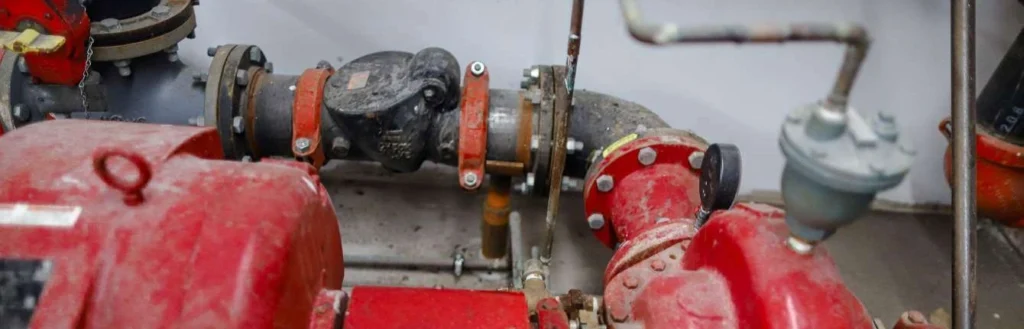
- Overlooked mechanical components: strainers, isolation valves, coupling alignment, pressure gauges, and vibration indicators.
- Corrosion and water quality: internal piping, pump casings, and the condition of suction and discharge lines.
- Access and housekeeping: pump rooms with blocked access slow response and complicate service checks.
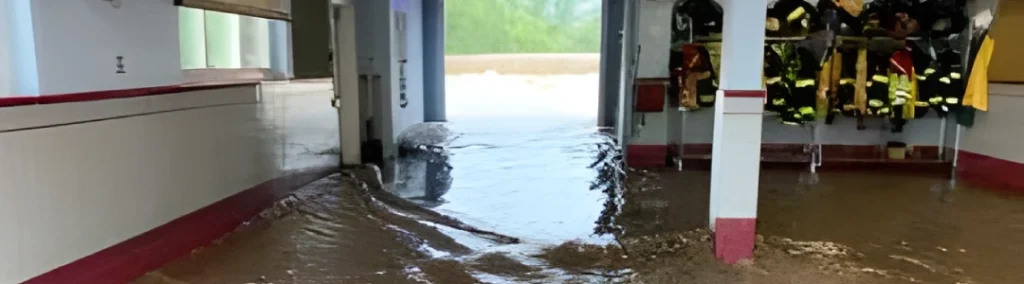
- Environmental conditions: moisture, dust, heat, and poor ventilation can shorten equipment life faster than teams realize.
Importantly, inspection should not become a box ticking exercise. Instead, teams should record observations in a way that supports analysis. When a facility tracks trends, it can schedule corrections at the right time rather than during an emergency. Honestly, the pump does not care about calendar dates, but it sure cares about wear and tear.
This is also where interlinked service data becomes useful. A site might notice repeat issues with corrosion, room conditions, or startup behavior that seem unrelated until the record shows they are recurring. Good inspection planning gives maintenance teams context, and context is often what turns random notes into useful decisions.

Testing discipline: what to verify during routine checks
Routine testing verifies the system’s ability to deliver water flow and pressure as required. However, testing only “runs the pump” if teams do not measure results. In practice, proactive testing includes three levels that build confidence.
Level 1: Functional verification
- Verify pump start and stop sequences
- Confirm automatic changeover behavior where applicable
- Check alarms, indicators, and status communication
Level 2: Performance verification
- Measure suction and discharge pressures
- Validate flow rates and duty point performance
- Confirm valve positions and system configuration
Level 3: Reliability verification
- Review test intervals and runtime history
- Examine recurring faults and their root causes
- Ensure changes after repairs do not create new issues
When facilities maintain disciplined testing, Preventing fire pump system failures turns from a slogan into a measurable process. And yes, measuring results sounds obvious, but plenty of sites “test” by listening for the familiar hum like it is a podcast.
Measured data matters because two pumps can both start, yet one may still be drifting away from the required performance point. Pressure instability, abnormal flow results, or repeated startup oddities are all signs that the system deserves more than a casual thumbs up. A disciplined test routine catches those clues before they stack into a bigger failure.
How power, controls, and automation drive failure modes
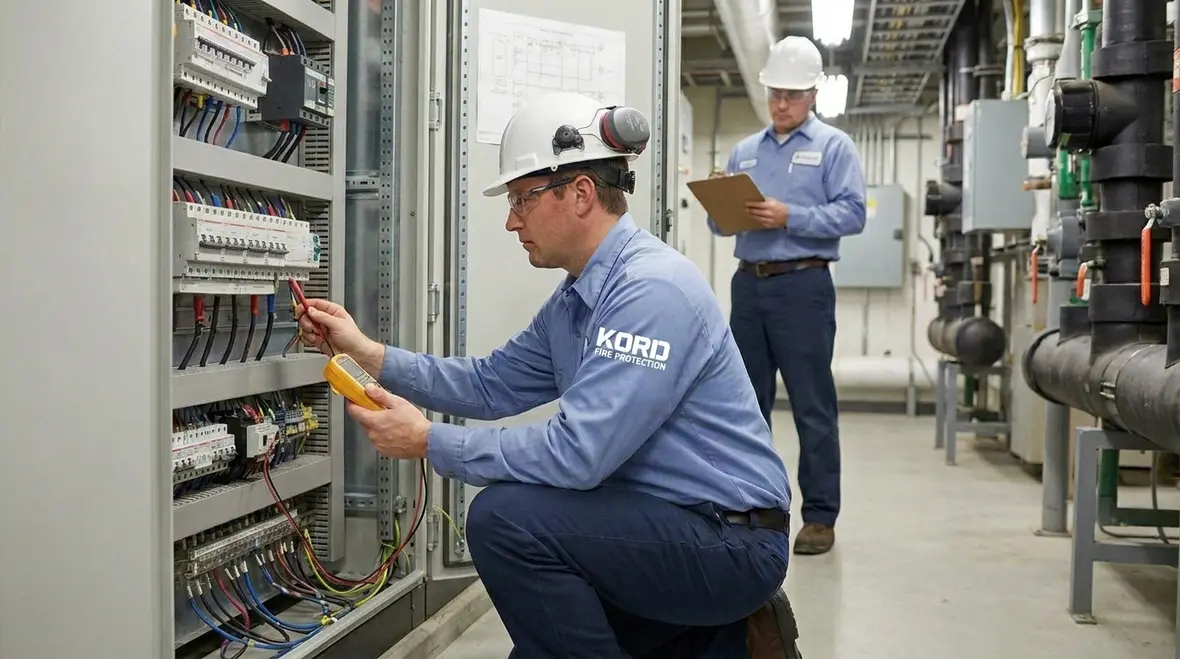
Many critical pump failures come from the environment around the pump, not the pump itself. Electrical and control components face heat, vibration, and ageing. Therefore, proactive maintenance must address power and control reliability as part of the fire protection strategy.
- Power quality: voltage stability, protective devices, and terminations
- Control panel condition: signs of moisture, loose wiring, and worn relays
- Sensor accuracy: pressure switches, flow detection, and feedback devices
- Start sequence logic: timers, permissives, and controller settings
Then, teams should verify that control settings remain correct after building modifications. A tenant improvement, plant expansion, or utility change can alter assumptions around load, distribution, and system response. In those cases, a pump may still operate, but no longer under the same conditions it was originally expected to handle.
That is why electrical reliability deserves the same attention as bearings and seals. Kord Fire Protection highlights this issue further in its article on fire pump power supply reliability, which explains how stable power and sound control logic help keep mission critical pump systems ready to respond.
In short, proactive work protects both the pump and the decisions that tell it what to do. Because a perfectly maintained pump still cannot save the day if a bad signal, weak connection, or flawed sequence keeps it from responding properly.

Maintenance strategies that extend component life
Proactive maintenance means doing the right tasks at the right times, not simply doing more work. The goal is to reduce wear, prevent contamination, and keep moving parts operating within safe tolerances. Facilities should focus on mechanical care that supports long service life.
Key maintenance actions include
- Seal and coupling checks: reduce leaks and prevent misalignment
- Impeller and wear component inspection: manage wear before performance drops
- Strainer cleaning: maintain flow paths and avoid cavitation risks
- Valve exercise and verification: keep isolation and check valves from sticking
Additionally, teams should confirm the pump’s hydraulic needs stay consistent. If the system experiences changes in back pressure, suction conditions, or pipework, then Preventing fire pump system failures requires updated verification. Otherwise, maintenance can become maintenance for a problem that quietly changed last quarter.
A smart strategy also distinguishes between components that need routine attention and components that need condition based follow up. Not every reading requires a teardown, but recurring deviations should trigger action before efficiency drops or wear accelerates. That balance helps facilities avoid both neglect and over servicing.
And for the record, cavitation does not announce itself politely. It just wrecks components and moves on, like a bad guest who never leaves.
Why documentation and reporting protect compliance and operations
Proactive programs rely on traceability. When incidents happen, facilities need clear proof of what was inspected, what was tested, and what was repaired. Documentation also supports better planning because it highlights trends and recurring risk.
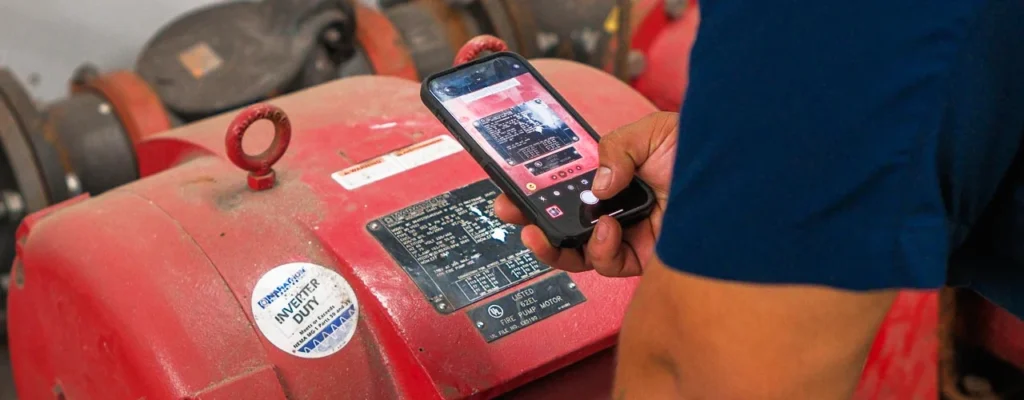
- Inspection reports with observations and photo evidence where relevant
- Test results with measured readings, not only pass or fail status
- Corrective actions, dates, and verification of completed work
- Recommendations that align with risk and operational impact
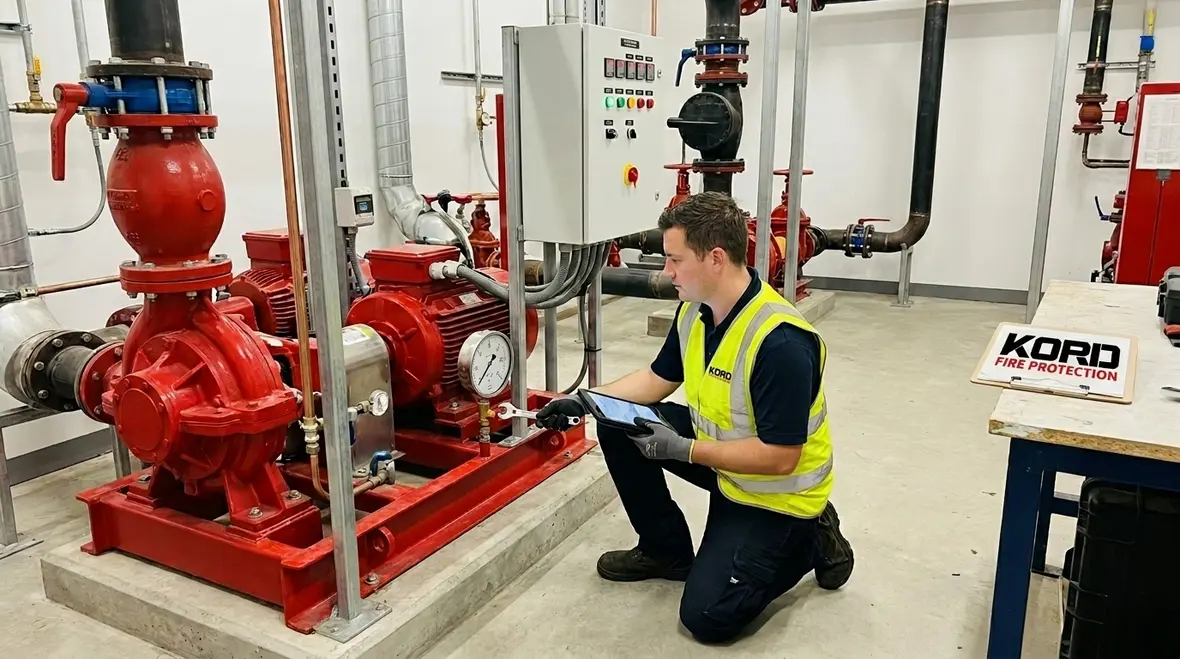
When Kord Fire Protection supports the service program, teams gain a partner that can help keep work organised, measurable, and audit ready. Instead of juggling emails, scattered spreadsheets, and “someone said it looked fine,” facilities get structured reporting that supports decision making.
Most importantly, this approach strengthens confidence. It tells management that the system reliability plan is real, not imagined. Good records also make handoffs easier between operations teams, vendors, and leadership, which matters a lot when priorities shift and no one wants to decode mystery notes from eighteen months ago.
How Kord Fire Protection becomes a vital partner for reliability
Kord Fire Protection can help facilities treat fire pumps as a managed reliability asset. That means building a service cadence, aligning testing with operational realities, and addressing both mechanical and control reliability. Therefore, sites reduce the chance of surprise failures and protect ongoing operations.
A practical reliability partnership can deliver
- Risk aware service scheduling that matches the site’s usage and environment
- Clear testing results that show performance, not just operation
- Action tracking so issues get corrected, verified, and closed
- Support during system changes so upgrades do not undermine performance
Facilities do not need to become fire pump experts overnight. Instead, they need a dependable partner who helps them plan, verify, and continuously improve. After all, the building’s safety system should not rely on guesswork or vibes.
That is where broader support matters too. Kord Fire Protection’s full fire protection services show how inspections, maintenance, repairs, and coordinated life safety support work better when handled as part of one organised program rather than a collection of isolated tasks.
FAQ
Call Kord Fire Protection to strengthen fire pump reliability
Facilities should stop hoping the fire pump system will behave and start proving it through proactive reliability work. Kord Fire Protection can help build a testing and maintenance program that reduces risk, improves documentation, and verifies performance.
If the site wants fewer surprises and better control over compliance, now is the time. Reach out to schedule a service review and get a plan that actually holds up under pressure.

Join Our Newsletter!
Get the latest fire safety tips delivered straight to your inbox From our Newsletter.