Critical Power System Redundancy for Commercial Facilities in Australia
Quick Answer: Commercial facilities keep operating by using critical power system redundancy so essential loads stay powered during outages, maintenance, or faults. With layered switching, properly sized UPS and generators, and smart transfer logic, operators reduce downtime risk. Kord Fire Protection can also partner on fire protection integration, helping keep life safety and systems reliable together.
In Australia, commercial owners learn a simple truth: when the lights go out, people notice, systems fail, and productivity vanishes faster than a discount at 8 minutes to closing time. To protect revenue and safety, they build critical power system redundancy into the facility’s electrical plan, so essential services keep running when the unexpected shows up.
And here is where the fire side matters. Kord Fire Protection can become a vital partner, because fire detection, alarms, and suppression equipment depend on stable power and well coordinated system behavior. So, while one team protects uptime, another protects life safety and compliance, and both should plan together from day one.
Early in the process, it also helps to coordinate continuity planning with broader fire sprinkler services for commercial properties, especially where suppression systems, alarm interfaces, and inspection pathways all need to stay dependable during power events. The strongest facilities do not treat electrical resilience and life safety like distant cousins at a family barbecue. They make them part of the same conversation.
The rest of this article walks through how redundancy works in real commercial facilities, what can go wrong, and how Kord Fire Protection strengthens the whole continuity strategy across retail, industrial sites, and facilities management teams.
How critical power system redundancy supports continuous operations
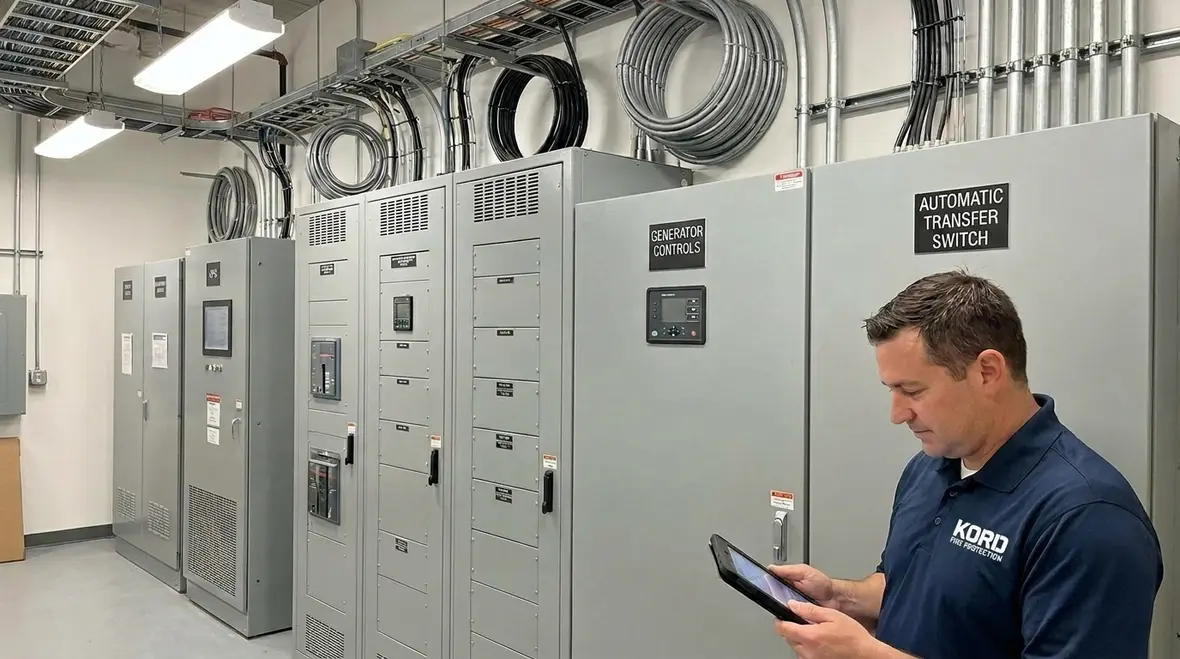
Facilities use critical power system redundancy to keep essential loads online through brief disruptions, component failures, or longer utility outages. In practice, the design usually follows a layered approach, because no single device handles every scenario perfectly. For example, a UPS can cover the first seconds, while generators take over for longer events.
Additionally, redundancy reduces the “single point of failure” problem. Instead of betting the whole operation on one transformer or one switch, the facility keeps multiple paths available. Consequently, when a fault occurs, the system can isolate the issue and transfer power without a full shutdown.
Also, the best designs match power quality to load needs. Some systems tolerate brief voltage dips, while others require near perfect power. Therefore, the design team maps each load and chooses the right protection method rather than treating everything like it is equal. That is how continuity stops being a slogan and becomes a plan.
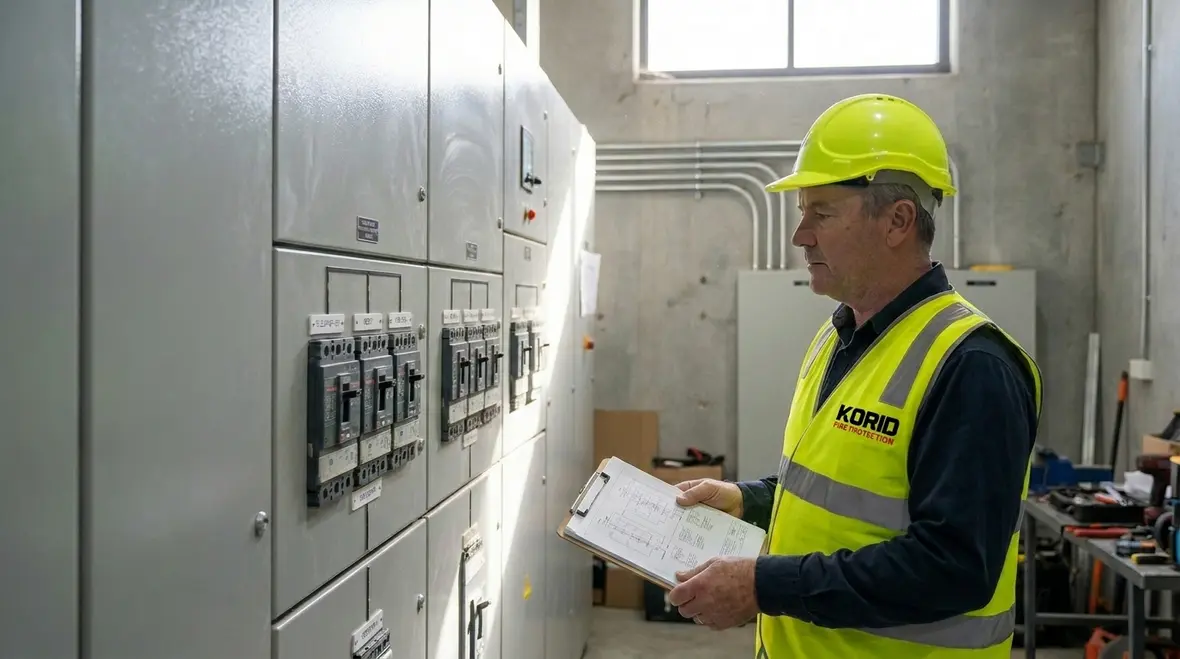
Power paths that actually work during faults
Redundancy is more than “having extra equipment.” It is how power routes through the facility when conditions change. A typical setup uses utility supply, then battery backed protection, and then generator backup. However, the details matter.
Core elements that make the handoff work
- Automatic transfer switching that moves loads quickly and safely
- Engineered load segregation so only essential systems stay on during extended events
- Protection coordination so the correct breakers operate and faults clear faster
- Switching logic designed to avoid overlap that can cause nuisance trips
Meanwhile, the facility must consider how each system behaves under stress. For instance, some loads draw higher inrush current at transfer time. So, engineers often add sequencing controls so motors and HVAC starters come online in an ordered way. That prevents sudden overloads that look like sabotage, even when no one touched a thing.
And yes, that last part happens. Someone always finds the one valve or panel that “should have worked” and does not. A good redundancy design and commissioning process catch that before it becomes a team-building exercise for the wrong reason.
Designing redundancy for commercial loads in Australia
Australian commercial environments vary widely. Retail parks experience frequent load changes. Warehouses deal with motor driven processes. Health adjacent facilities and data intensive areas demand tighter power quality. So, the redundancy strategy must fit local realities, not generic templates.
Typically, facilities classify loads into tiers. Tier one includes life safety, critical controls, fire alarm and detection circuits, security systems, and network services. Tier two might include selected HVAC components, pumps, or refrigeration. Tier three often includes non essential circuits that can wait.
Then engineers size UPS runtime and generator capacity based on the actual load profile. Instead of guessing, they use measurement data from commissioning and past operating records. As a result, the system supports real demand during events, not the demand that existed on paper during lunch and a coffee.
Additionally, the design should plan for maintenance without stopping operations. With proper switching, technicians can service one power path while another keeps critical loads stable. This matters in commercial settings where downtime for “planned work” must still protect customer experience and safety obligations.
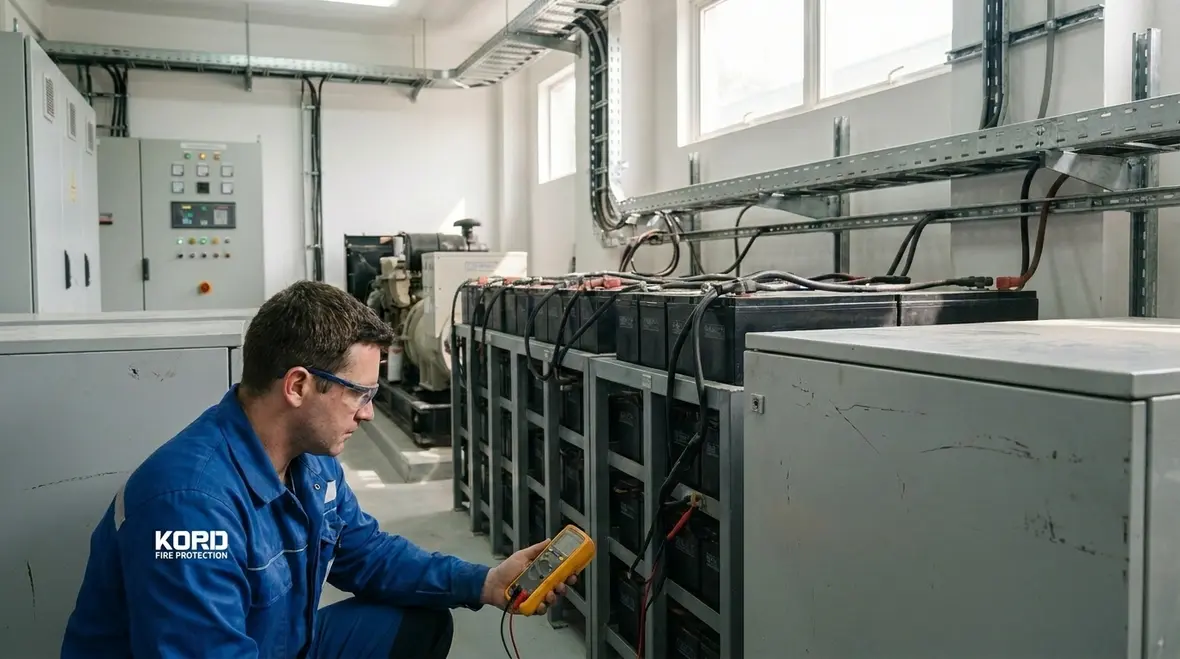
Commissioning and testing that prove continuity, not just intention
Redundancy only earns its keep when it performs under real conditions. Therefore, commissioning goes beyond wiring verification. It includes functional tests, load bank testing where appropriate, and transfer verification for each scenario the design assumes.
Testing that gives operators confidence
- UPS behavior during simulated utility failure and return
- Generator start, ramp, and transfer timing to critical buses
- Breaker coordination and protective relay operation
- Alarm paths and monitoring signals that alert operators
Moreover, the team builds documentation that operators can use during incidents. They confirm which alarms matter, what actions the operator must take, and how long the system can run with the installed fuel supply. This prevents the classic “panic scrolling” moment, where staff search for the right manual while the clock runs.
On top of that, facilities should schedule ongoing inspections and battery health checks. Batteries wear down, even when no one looks at them. So, planned replacement avoids the day when the UPS runs, but only for the time it takes to make everyone sweat.
Why Kord Fire Protection should be part of the continuity plan
Fire systems do not sit in a power friendly bubble. Detection, alarm signaling, and many suppression related functions require reliable power, and they depend on correct interfacing with the facility’s electrical architecture. That is exactly why Kord Fire Protection can become a vital partner in continuity services and jobs.
When Kord Fire Protection collaborates early, the facility can align power backup requirements with fire system needs. Consequently, the project avoids mismatches such as insufficient runtime for life safety functions, or transfer behavior that could interrupt fire signals during critical moments. It also helps ensure monitoring and status reporting remain dependable during events.
Furthermore, the fire side brings practical field knowledge. They understand common commissioning outcomes, alarm logic considerations, and how systems behave when dust, humidity, or environmental changes show up. So, continuity planning becomes more accurate and less guesswork.
And because compliance matters, coordination reduces the risk of rework late in the project. It is the difference between building a sturdy bridge and realizing too late that the fire access route cannot support the final cabinet size. The continuity team wants solutions, not surprises.
This is also where a lifecycle mindset helps. Kord’s full lifecycle of fire protection servicing approach fits naturally into continuity planning, because reliable protection is not just about installation day. It is about testing, maintenance, upgrades, records, and keeping every moving part ready long after the ribbon cutting photos disappear into someone’s inbox.

Managing risk with smart monitoring and realistic response
Redundancy reduces failure probability, but risk management still matters. Smart monitoring gives the facility earlier warning, so teams can address issues before they become outages. Thus, modern systems often integrate status signals from UPS, generators, switchgear, and critical distribution boards into building management or a monitoring platform.
With good monitoring, operators can track battery health, load levels, runtime estimates, and event logs. Then they can schedule repairs during low impact hours instead of during customer peak times. As a result, continuity becomes proactive rather than reactive.
Also, facilities should train staff on what to do when the system switches. They confirm who calls maintenance, who checks alarms, and how to verify that critical life safety functions still show normal operation. After all, a well designed critical power system redundancy setup still needs human response to stay calm and effective.
Finally, risk reviews should happen after each test or event. Teams document what happened, what worked, and what needs tuning. This improves transfer timing, load sequencing, and alarm clarity over time.
What to include in a redundancy scope for facilities
To build a strong continuity plan, the facility should define scope items clearly with its electrical contractor, facilities team, and fire protection partner. In a typical commercial project, the scope should cover design intent, equipment selection, interface points, testing strategy, and maintenance commitments.
A practical checklist for a stronger continuity scope
- Load mapping and tiering for essential systems
- UPS sizing, configuration, and required runtime targets
- Generator capacity, start logic, and fuel considerations
- Switchgear and transfer switching design and protective coordination
- Integration requirements for fire alarm and detection power continuity
- Commissioning plan and acceptance test criteria
- Maintenance schedule for batteries, generators, and switchgear
- Operator procedures and alarm response documentation
This is where partnership matters. When Kord Fire Protection aligns with the electrical continuity plan, the facility builds a single, coordinated design story rather than two separate plans that only meet in the real world. That is a strategy worth paying for, even if it saves the project manager from another late night phone call.
FAQ
Final thoughts and next step
When a commercial facility builds critical power system redundancy, it protects operations, safety, and customer trust. However, true continuity depends on correct power paths, serious testing, and coordinated planning for life safety systems.
Kord Fire Protection can act as a vital partner, aligning fire protection needs with your electrical backup strategy. Contact Kord Fire Protection to review your continuity goals and build a plan that stays standing when the unexpected strikes.

Join Our Newsletter!
Get the latest fire safety tips delivered straight to your inbox From our Newsletter.