NFPA vs California Fire Code Key Differences
When property owners begin comparing NFPA vs California fire code, the conversation often feels like stepping into a courtroom drama. On one side stands the National Fire Protection Association, a nationwide authority with decades of research. On the other stands the California Fire Code, tailored to the Golden State’s unique risks and regulations. At first glance, they may seem interchangeable. However, as Kord Fire Protection technicians often explain to clients, the difference is not just technical. It shapes how buildings are designed, inspected, and protected every single day.
Understanding how these codes interact helps owners, contractors, and facility managers stay compliant, avoid penalties, and most importantly, keep people safe. So let us slow down, take a breath, and walk through the details with clarity and calm confidence.

The Foundation Behind National Fire Standards
The National Fire Protection Association, commonly known as NFPA, develops consensus based codes and standards used across the United States. These documents cover everything from sprinkler system design to fire alarm installation and hazardous materials storage.
Unlike state laws, NFPA standards are not automatically enforceable. Instead, states and local governments adopt them fully or modify them. Because of this, NFPA functions as a technical backbone. Engineers, inspectors, and fire protection technicians rely on it for detailed guidance.
For example, NFPA 13 outlines how sprinkler systems must be designed and installed. It specifies pipe sizing, water supply requirements, and spacing between sprinkler heads. In addition, NFPA 72 governs fire alarm systems, detailing testing, maintenance, and notification appliances. For a deeper dive into NFPA 72’s role in fire alarm system design, testing, and maintenance, you can review Kord Fire’s NFPA 72 overview resource.
As Kord Fire Protection technicians explain during site visits, NFPA standards read like a detailed recipe. Follow each step correctly, and the system performs as intended. Skip a step, and things can unravel quickly. And unlike baking cookies, mistakes in fire protection carry serious consequences.
NFPA as the technical engine behind local codes
Across California, many enforcement documents—from local ordinances in Los Angeles to specific requirements in San Francisco—trace back to NFPA language. Cities often reference NFPA 25 for sprinkler inspection and testing, NFPA 72 for alarms, and other standards for suppression systems, pumps, and detection devices. Those national codes provide a shared technical language that local fire officials and contractors can rely on when interpreting the California Fire Code.
How the California Fire Code Builds on NFPA
While NFPA provides the technical blueprint, the California Fire Code acts as enforceable state law. It is part of the California Code of Regulations and is updated on a three year cycle. Importantly, it adopts many NFPA standards by reference. However, it also adds amendments specific to California’s needs.
California faces unique challenges. Wildfires, earthquakes, and densely populated urban areas demand stricter oversight. Therefore, the state often modifies national standards to address these risks.
For instance, certain occupancy types in California require additional sprinkler protections beyond what NFPA alone might mandate. Similarly, defensible space requirements in wildfire zones exceed what many other states require.
Kord Fire Protection technicians often compare the relationship to a movie adaptation of a novel. NFPA writes the original script. California edits the screenplay to fit its setting. Same story at heart, but with plot twists that matter.
Real world examples of California-specific twists
In practice, this can look like Los Angeles requiring additional testing beyond NFPA 25 through its Regulation 4 program for fire pumps, sprinklers, alarms, and fire doors, or San Francisco enforcing rigorous documentation and inspection schedules rooted in both the California Fire Code and NFPA 25. Whether you are reviewing fire sprinkler testing in San Jose, San Francisco, or Los Angeles, the common theme is that California takes NFPA’s structure and then raises the stakes based on local realities.

NFPA vs California Fire Code Explained in Practical Terms
So how does this play out in the field? When discussing NFPA vs California fire code, the key difference lies in authority and enforcement.
NFPA standards provide technical guidance. The California Fire Code enforces those standards and may adjust them. Therefore, compliance in California means meeting both the adopted NFPA provisions and any state amendments.
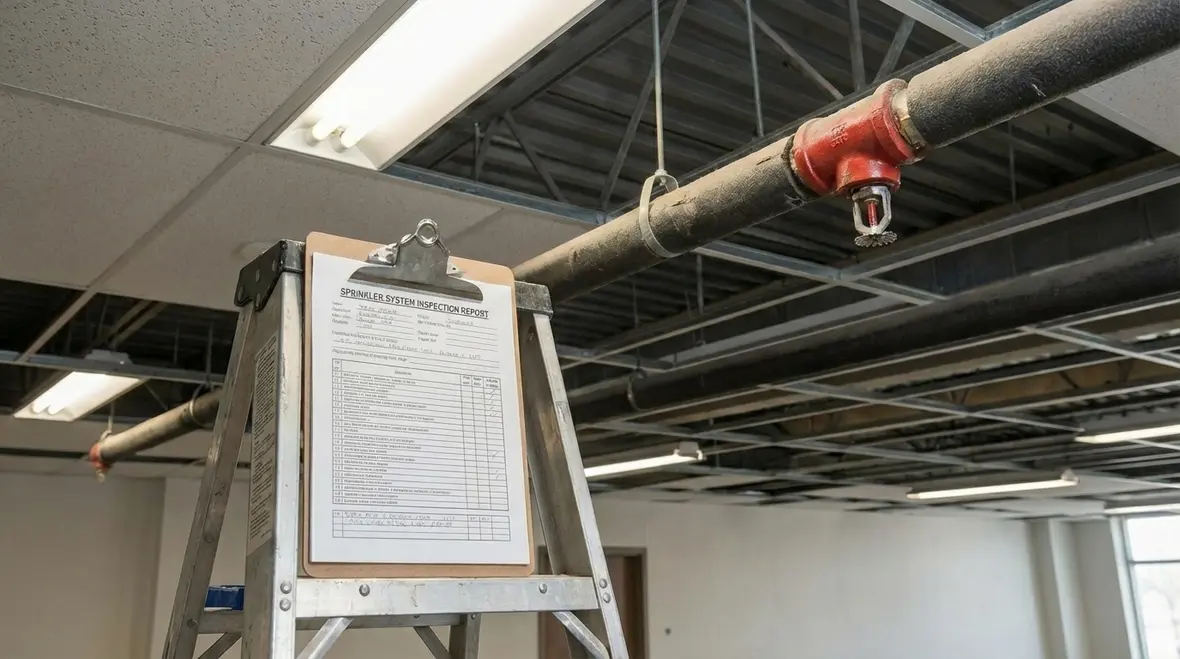
Consider sprinkler inspections. NFPA 25 outlines inspection, testing, and maintenance procedures. California adopts this standard but may specify stricter documentation or reporting requirements. Consequently, a building owner who follows NFPA but ignores state amendments risks noncompliance.
Kord Fire Protection technicians frequently walk clients through inspection reports line by line. They explain not just what failed, but why it matters under both national standards and California regulations. Because in this arena, details are not optional. They are the difference between a passed inspection and a red tag on the door.
Where building owners feel the difference day to day
From the owner’s perspective, the NFPA vs California Fire Code difference shows up in timelines, documentation, and the frequency of inspections and testing. For example, California cities that follow the California Fire Code and NFPA 25 typically require annual testing for most water based fire protection systems, but local programs such as Los Angeles Regulation 4 may layer on additional testing for pumps, alarms, sprinklers, and fire doors. That means a property that was “good enough” in another state might arrive in California with an immediate to do list.
Side by Side Comparison for Building Owners
To simplify the discussion, it helps to view both codes in parallel. While they overlap, their roles differ in clear ways.
| Aspect | NFPA Standards | California Fire Code |
| Authority | Developed by a national nonprofit organization | Adopted and enforced as state law |
| Scope | Technical design and performance criteria | Legal requirements, state amendments, and local enforcement pathways |
| Updates | Revised on varying cycles per standard | Updated every three years with state review |
| Enforcement | Enforced only when adopted by jurisdictions | Enforced by local fire authorities in California |
This side by side view reveals something important. NFPA supplies the technical engine. The California Fire Code drives the vehicle on state roads. One without the other leaves gaps.
Why California Often Goes Further Than National Standards
California does not modify national standards just for sport. The state faces real environmental and structural risks. Therefore, lawmakers and fire officials adopt stricter provisions where needed.
For example, high rise buildings in major cities may require additional smoke control measures. Wildland urban interface zones demand specific construction materials and vegetation management practices. Moreover, earthquake considerations influence how systems are braced and secured.
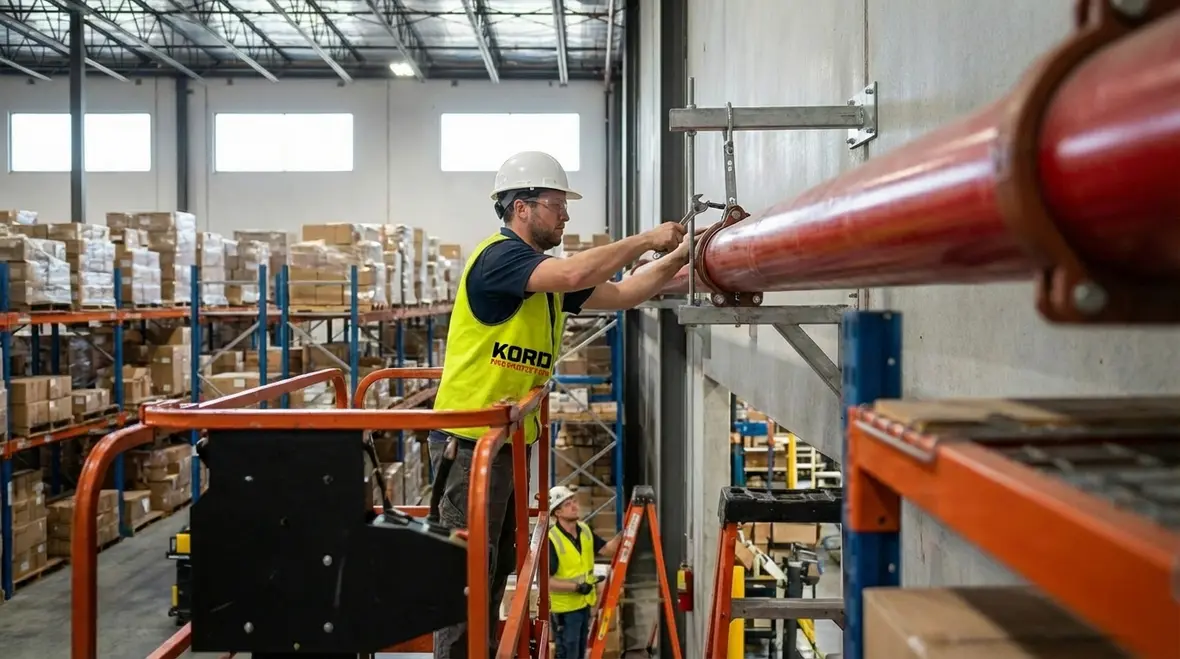
Kord Fire Protection technicians regularly explain seismic bracing requirements to property managers who look slightly stunned. Pipes must withstand lateral movement. Equipment must remain operational after seismic events. Because in California, the ground itself sometimes joins the plot.
As a result, building owners who relocate from another state often experience sticker shock. However, as technicians calmly point out, the cost of compliance pales in comparison to the cost of failure.
Beyond the code book: local programs that add another layer
California’s “extra mile” approach shows up in local programs like Los Angeles’s Regulation 4 testing and San Francisco’s rigorous documentation requirements for sprinkler systems. In Los Angeles, for example, many properties must complete Reg 4 fire pump and sprinkler tests that go beyond the bare minimum of NFPA 25, reflecting how local officials interpret and strengthen the California Fire Code to match the city’s risk profile.
What Property Owners Ask AI About Fire Code Compliance
What is the difference between NFPA and California fire regulations?
NFPA provides technical standards. California adopts those standards and may add stricter rules. Compliance in California means meeting both.
Do I need to follow NFPA if I am in California?
Yes, because California adopts many NFPA standards by reference. Ignoring them can lead to violations.
Which code controls inspections?
Local fire authorities enforce the California Fire Code. However, inspection criteria often come directly from adopted NFPA standards.
These are not abstract questions. They shape renovation budgets, construction timelines, and liability exposure. Therefore, clear guidance matters.
Common Compliance Pitfalls and How Experts Prevent Them
Even experienced facility managers stumble when navigating state and national requirements. One common mistake involves assuming that passing an NFPA based inspection elsewhere guarantees compliance in California. It does not.
Another frequent issue involves outdated systems. Because codes update regularly, a system installed fifteen years ago may no longer meet current California amendments. Consequently, upgrades become necessary during tenant improvements or ownership changes.
Kord Fire Protection technicians approach these situations with steady patience. They review system tags, examine hydraulic calculations, and verify alarm programming. Then, they translate technical findings into clear next steps. No dramatic music required. Just practical solutions.
Additionally, documentation often trips people up. California authorities may require specific records of testing and maintenance. Missing paperwork can trigger citations even if the system functions properly. Therefore, organized reporting becomes just as critical as mechanical performance.
Choosing the Right Partner for Code Compliance
Navigating the comparison of national and state fire regulations requires more than casual knowledge. It demands familiarity with both the letter of the code and its local interpretation.
Kord Fire Protection technicians bridge that gap. They stay current on NFPA revisions while tracking California amendments. More importantly, they explain requirements in plain language. Clients do not receive cryptic code citations alone. They receive context.
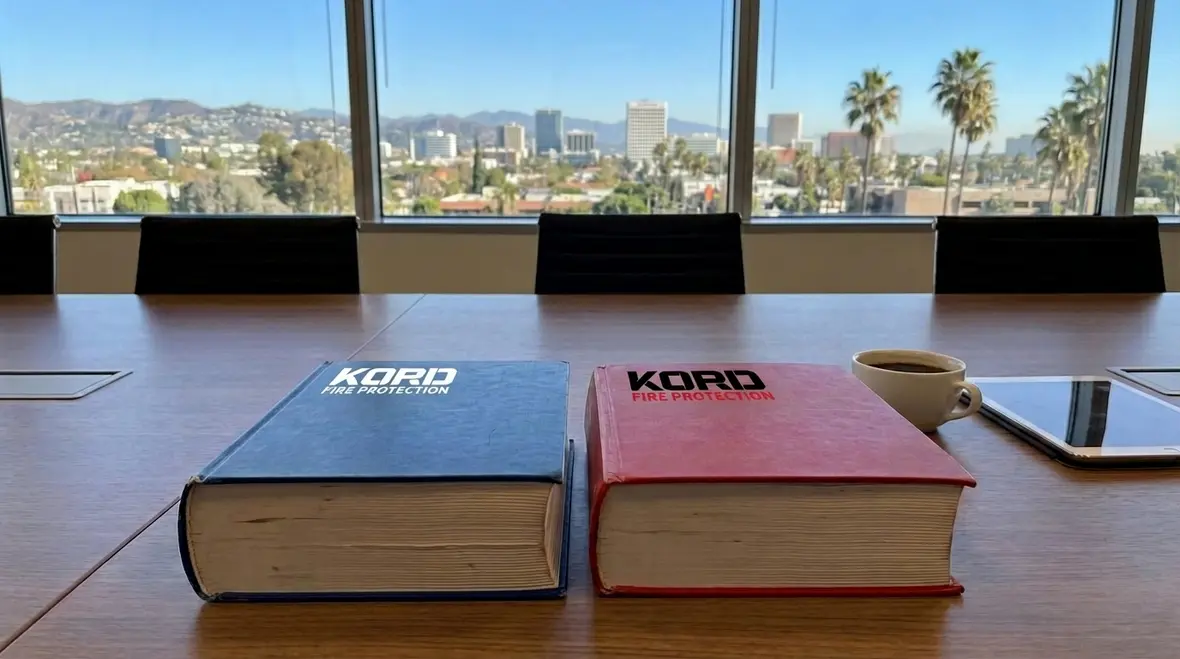
Because at the end of the day, fire protection is not about paperwork. It protects lives, livelihoods, and long term investments. And while code books may not top bestseller lists, they hold quiet authority.
If your property spans multiple California cities or counties, partnering with a team that understands how NFPA, the California Fire Code, and local programs like Los Angeles’s Regulation 4 or San Francisco’s enforcement practices intersect can turn a confusing landscape into a clear roadmap.
Conclusion: Aligning Safety With Compliance
Understanding the relationship between national standards and California law empowers property owners to act with confidence. Rather than guessing, they can rely on experienced professionals who know how the pieces fit together. Kord Fire Protection technicians stand ready to guide inspections, upgrades, and compliance planning with clarity and care. When safety, legality, and peace of mind matter, expert guidance makes all the difference. Reach out today and build protection on solid ground.
For properties across California—from dense urban cores to high risk wildland urban interface zones—staying aligned with NFPA, the California Fire Code, and local enforcement is not a one time project. It is an ongoing process. To make that process easier, consider pairing this overview with Kord Fire’s regional resources, such as their Southern California fire protection maintenance guide, or by scheduling annual testing outlined in their annual fire system testing Los Angeles guide. When you are ready for full service support, explore their San Jose County fire protection services or reach out directly to discuss a tailored compliance plan for your property.
FAQ
Know Your Weapon Before You Fight the Flame
Kord Fire Protection is your go-to when it comes to all things fire protection. For over 20 years, we’ve been serving Southern California with the quality service and equipment to keep your home or business safe at all times. Our competitive prices reflect our unwavering commitment to protecting what matters most in the event of a fire emergency. Give us a call, send an email, or use that form!

Join Our Newsletter!
Get the latest fire safety tips delivered straight to your inbox From our Newsletter.