Southern California Fire Protection Maintenance Guide
How Regular Fire Protection Maintenance Keeps Southern California Properties Safe
Southern California is an environment defined by beauty and risk. From coastal cities to rugged canyons, the region blends urban density with natural landscapes, creating a setting where fire hazards are a constant concern. Hot, dry winds and high population density increase the likelihood and intensity of fire incidents. That’s where Southern California Fire Safety steps in not as a choice, but as a necessity. Fire protection maintenance is more than routine service; it’s a cornerstone of safety that ensures lives and property remain out of harm’s way. This article explores how regular fire protection maintenance safeguards Southern California’s residential, commercial, and public spaces, forming a shield of preparation against the unexpected.
The Role of Environment in Fire Risk Factor
In the hills and valleys of Southern California, nature shapes the rules. Dry, warm weather stretches through most months, and when the Santa Ana winds stir, small sparks can turn into infernos. Counties like Los Angeles, San Bernardino, and Ventura have seen firsthand how wildfires feed off environmental triggers. Regular inspection and maintenance of fire protection systems mitigate those risks before they escalate.
Building materials, growing populations, and even energy demands heighten exposure to fire. Homes nestled against dry foliage or commercial structures using outdated wiring systems bear the brunt of these hazards. With thorough inspections and ongoing maintenance, these environmental risk factors are addressed proactively rather than retroactively. Ignoring the necessity of consistent fire safety upkeep invites vulnerability amidst a volatile landscape.
Integrated Fire Safety Systems: Unifying Technology and Human Vigilance
The foundation of comprehensive fire protection relies on more than fire extinguishers alone. In today’s interconnected world, safety infrastructures include sprinklers, alarm panels, suppression systems, detectors, and control panels. These components must operate in close harmony. A malfunction in one can jeopardize the integrity of the entire system.
Regular fire protection maintenance ensures that each moving part operates with precision. Alarm sensors should activate within milliseconds, sprinklers must have clear nozzles, and suppression systems need charged canisters and unclogged pipes. By performing timely service checks, facilities remain ready to respond rather than react. In Southern California, this vigilant blend of tech and timing defines a truly prepared property.
What Happens During a Fire Protection Maintenance Check?
The terms may sound straightforward, but fire protection maintenance covers far more than visual inspections. During a standard service visit, professionals evaluate each element of the fire suppression and alert system through a variety of methods such as:
- Functional Testing: Confirming system components react as intended under simulated fire conditions
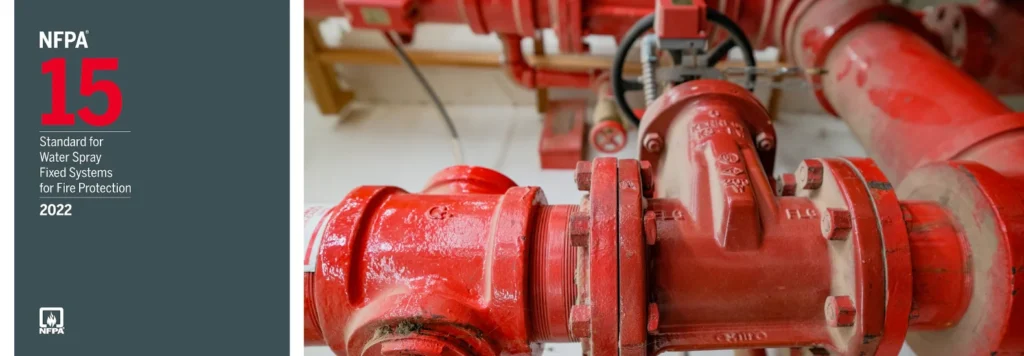
- Valve and Pipe Integrity Analysis: Inspecting for corrosion, wear, or blockage
- Alarm Signal Trial Runs: Testing sound systems and notification protocols
- Pressure and Flow Testing: Ensuring optimal sprinkler output capacity
- Battery and Power Backups: Verifying emergency backup power is operational
Beyond physical hardware, technicians also examine compliance documentation, update logs, and submit reports for insurance and code adherence. These steps bring not just legal confidence but real-world assurance that escape routes and notifications work when urgency strikes.
Consequences of Ignoring Fire Safety Maintenance
In a place where fire can leap across acres in mere hours, lapse in preparedness is a gamble. Lack of regular fire protection maintenance invites unnecessary consequences some minor, others catastrophic. Equipment malfunctions may halt daily business operations, void insurance agreements, or attract steep regulatory fines. But the direst consequences lie beyond paperwork: the irreversible loss of life or property once blaze finds an advantage.
Data from decades of fire audits across Southern California underscore one pattern: delayed maintenance directly correlates with increased incident severity. Property owners can overlook systems that seem “functional” at a glance, only to learn later that aging components failed under pressure. Scheduled, periodic servicing is the thread that prevents these disappointments from becoming disasters.
Comparing Maintenance Benefits
Without Regular Maintenance
| With Regular Maintenance
|
Maintenance Strategy for Southern California Commercial Properties
From tech campuses in Irvine to film studios in Burbank, commercial outfits carry unique fire hazards. Electronics, storage warehouses, and high-occupancy designs increase the threat. To address this, businesses must adopt a tailored fire protection schedule suited to their square footage and infrastructure complexity.
Monthly walk-throughs by on-site personnel and quarterly inspections by certified professionals form the backbone of an effective safety routine. These checks allow teams to spot minor concerns before they balloon into costly emergencies. By using property-specific policies, building managers preserve both safety and operational continuity, aligning with regional fire codes enforced by Southern California municipalities.
Preventing Downtime in Multi-Family Housing and Complexes
Fire-related shutdowns in housing developments displace families, damage investments, and lead to litigation. Regular maintenance in multi-unit residences accomplishes more than risk mitigation it extends the service life of installed systems while promoting resident well-being.
In high-density zones like Glendale or Long Beach, guidelines differ from those in less populated areas. Fire safety professionals familiar with Southern California Fire Safety standards help property managers navigate these nuances, ensuring fire doors, hall sensors, and corridor sprinklers function without fail.
Adapting Fire Protection for Schools and Public Institutions
In educational buildings, daycares, and municipal offices, fire safety takes on deeper responsibility. These are spaces where vulnerable populations gather, making preventive care paramount. Annual system flushes, unannounced drills, and localized design upgrades make all the difference.
Regular fire safety maintenance integrates into broader emergency planning. Staff know where alarms are, children practice evacuations, and backup systems undergo stringent compliance checks. Through consistent service planning, these institutions fortify themselves against disruption protecting both the people inside and the continuity of service they provide.
How Do I Find a Reliable Maintenance Provider in Southern California?
It begins with certification and ends with trust. Reputable organizations understand the local zoning laws, state regulations, and building specifications. Look for technicians trained in NFPA guidelines who provide clear scheduling, digital service documentation, and thorough reports.
Word of mouth, city registries, and verified online platforms help shortlist dependable service companies. Providers who operate across the wide range of climates from San Diego to Santa Clarita are often seasoned in regional protective measures. Always prioritize transparency, consistent communication, and demonstrable experience with structures similar to your own.
Fire Protection Maintenance in Southern California
Secure Your Property Before the Flames Arrive
From city centers to canyon homes, Southern California’s landscapes bring constant risk. Reliable fire protection maintenance isn’t a luxury; it’s a necessity. Take the steps now to protect what matters tomorrow. Schedule certified inspections and stay updated with safety best practices. Your peace of mind starts with preparation reach out to a qualified maintenance team today.