
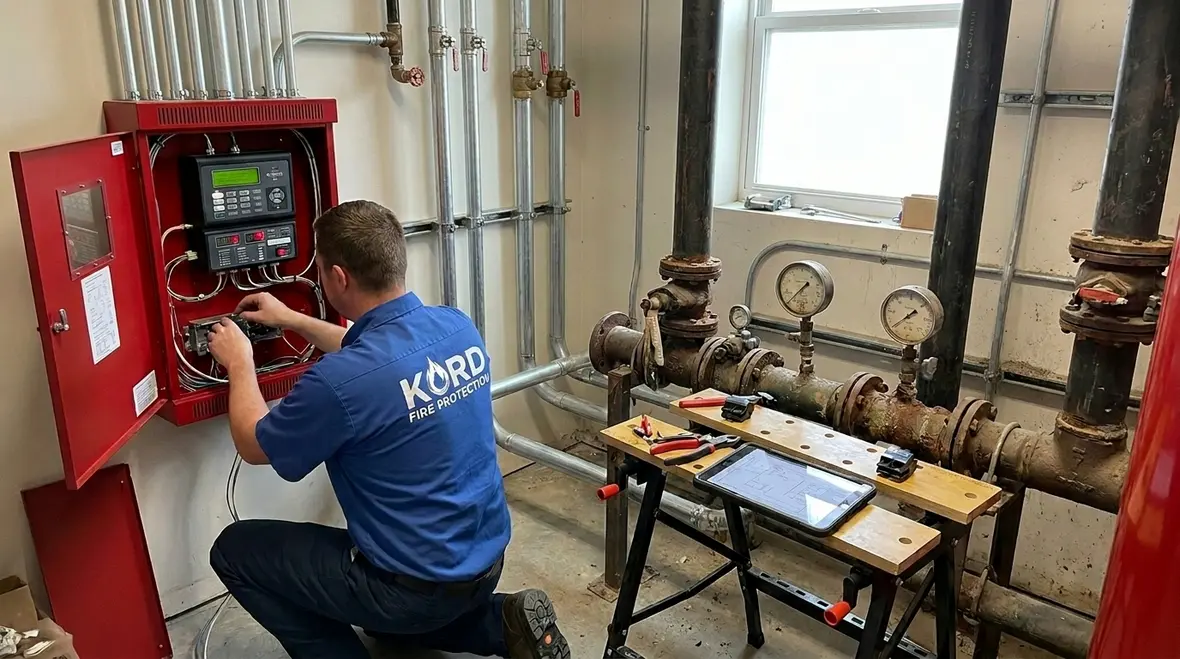
Fire Suppression System Upgrades to Reduce Long Term Risk
When a facility keeps its fire protection tools stuck in the past, the risk does not politely stay in the past. It follows the building, the people, and the clock. That is why many organizations start with fire suppression system upgrades that bring detection, control, and discharge methods in line with today’s expectations. Kord Fire Protection technicians often explain this in plain terms: upgrading does not mean more stuff for the sake of it. Instead, it means fewer weak points, faster response, and systems that behave the way inspectors, insurers, and firefighters want them to behave. And yes, it is also less stressful than waiting for a test day to reveal problems like a surprise party you did not RSVP to.
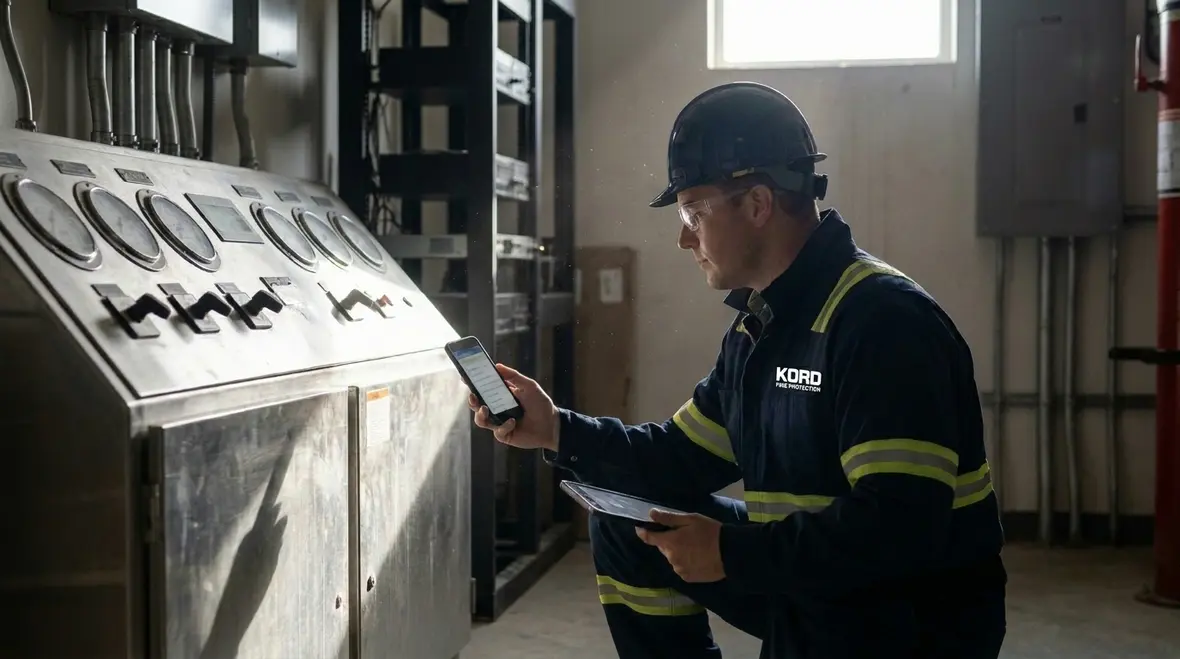
Why modernization lowers risk over time
Modernizing a fire suppression system reduces long term risk because it improves reliability at every step. First, newer components tend to fail less often and fail more predictably. Next, improved design details help the system cover hazards the way the building actually functions today. Over time, facilities change through renovations, new racks, updated electrical layouts, and different workflow patterns. Older suppression setups often remain as built, which means they can drift away from current risk.
Additionally, modernization typically strengthens the link between detection and suppression. When detection and control devices age out, timing and accuracy can suffer. Therefore, upgrades can help ensure that the system activates quickly and in the right sequence. In practice, that means fewer smoldering events that grow teeth before anyone notices.
How Kord Fire Protection technicians explain the real-world gaps

Kord Fire Protection technicians frequently begin with a simple observation: most system issues do not show up on day one. They show up after years of use, dust, vibration, corrosion, and changes to the site. Then they show up again after seasonal swings, renovations, and partial repairs that never fully matched the original plan.
From there, technicians map the gaps. For example, they look at whether the system components match the current hazard classification, whether the control panels still support accurate monitoring, and whether maintenance records show consistent performance. If an older suppression system uses parts that are hard to source or no longer supported, that creates a hidden risk. It is like having a phone with an outdated charger that eventually disappears from every store. When you need it most, you cannot find the right piece fast enough.
What changes in a modern fire suppression system upgrades approach
A strong upgrade plan usually does not just replace equipment. It improves the system as a system. That includes inspection routes, testing methods, documentation, and software or control logic where applicable. Many facilities also benefit from updates that reduce nuisance activations while keeping true alarms dependable. While nobody wants false alarms, nobody wins when the system hesitates during a real event.
In addition, upgrades often align coverage with current occupancy and fuel load. If the facility added new storage height, changed plastics or coatings, or expanded production areas, the suppression strategy can require adjustment. Therefore, modernization ensures the system matches the hazard instead of simply existing near it.
Reliability and response: the two reasons fires turn bigger
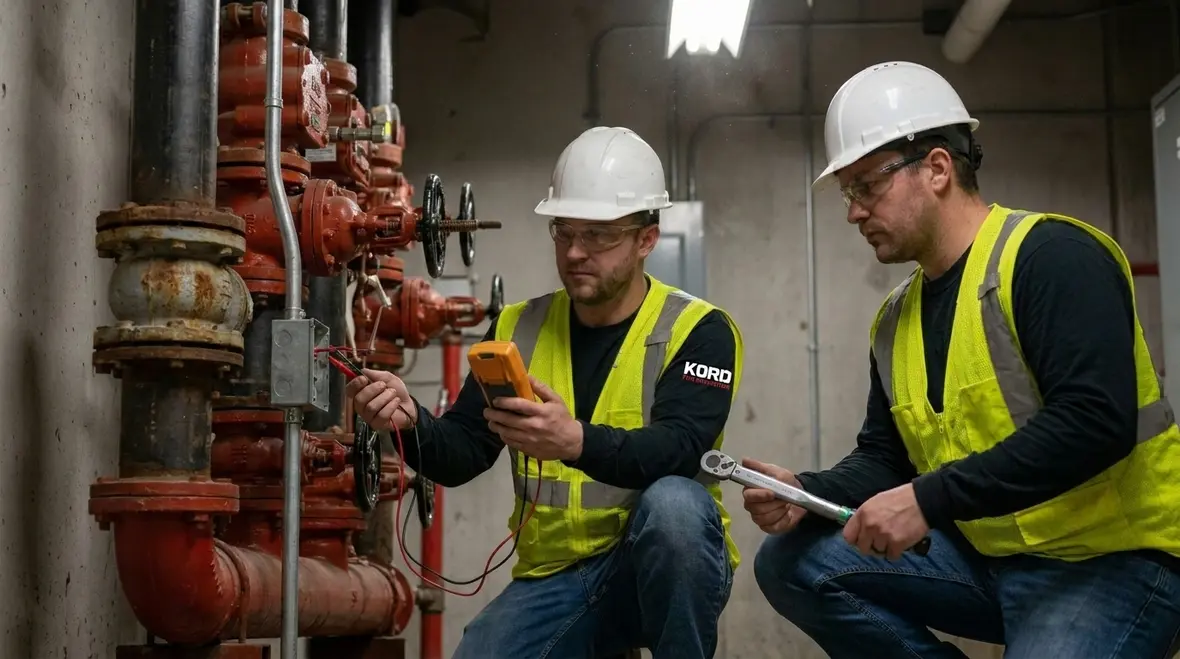
Fires grow when response slows down and when suppression does not reach the right zone quickly. Modern systems improve reliability through components designed for stable performance and clearer diagnostics. That matters because maintenance teams can catch early warning signs before they become failures.
Just as important, response improves when the system can detect and act with less delay. For facilities with complex layouts, this can also mean zoning improvements and control strategies that reduce confusion. Think of it like a good venue layout for a concert. If the exits are confusing, people panic. If the exits are clear, they move. During a fire, clarity and speed save time, and time saves lives.
Reducing downtime and surprise costs with planned upgrades
Modernization also reduces long term risk by controlling downtime and cost surprises. When organizations delay upgrades, they often end up with emergency replacements, reactive service calls, and longer lead times for discontinued parts. That can drag maintenance crews into a repair now, plan later cycle. Eventually, costs stack up, and operations feel like they are always one bad day away from chaos.
By contrast, planned fire suppression system upgrades allow facilities to schedule work during safer windows. They also enable better budgeting because technicians can specify what changes are needed and what can stay. Transitioning in phases helps keep production steady. If a facility uses dual risk planning, technicians can prioritize the areas most likely to experience a loss, which means limited disruption where it matters most.
How inspections, codes, and documentation benefit from modernization

Fires do not negotiate with codes, and neither do inspectors. Modernization supports compliance by keeping system behavior, testing, and records aligned with current standards. It also makes audits easier because documentation remains accurate. When parts are updated, technicians can update drawings, schedules, and operating procedures so everyone uses the same information.
Moreover, clearer documentation reduces human error. Staff and contractors do not have to guess which control mode applies, where shutoffs exist, or how alarms should route. That is a practical benefit that saves time during emergencies and training.
Modernization roadmap: what a facility should do next
Most organizations benefit from a straightforward sequence. First, they conduct a risk review focused on hazards and real usage. Next, they evaluate system age, component condition, and test history. Then, technicians identify which changes will reduce failure points and improve response pathways. Learn more about related system planning through fire alarm installation services.
| Older approach | Modernized approach |
| Parts may be hard to replace | Components are current and serviceable |
| Coverage can drift from actual hazards | Coverage matches updated risk |
| Maintenance gaps can hide early issues | Diagnostics and records support earlier fixes |
FAQ about fire suppression system upgrades
Ready to lower risk with a smarter plan
Modernizing a suppression system protects lives, reduces uncertainty, and helps facilities avoid costly surprises. Kord Fire Protection technicians guide teams through risk review, upgrade planning, and verified performance so the system works the way it should, not the way it used to.
If this year’s inspections feel like a stressful obstacle course, it may be time to update your foundation. Explore services and start planning today with Kord Fire Protection to build a system that matches your building, hazards, and schedule.

Join Our Newsletter!
Get the latest fire safety tips delivered straight to your inbox From our Newsletter.



