NFPA 52 Section 21.2 General: ASME LNG Tank Installation Overview
Quick Answer
NFPA 52 Section 21.2 establishes general requirements for installing ASME LNG tanks, with emphasis on safe siting, system integration, and design basis compliance. It focuses on how the tank and associated components perform under normal and abnormal operating conditions to reduce fire and explosion risk.
What does NFPA 52 Section 21.2 require for an ASME LNG tank setup?
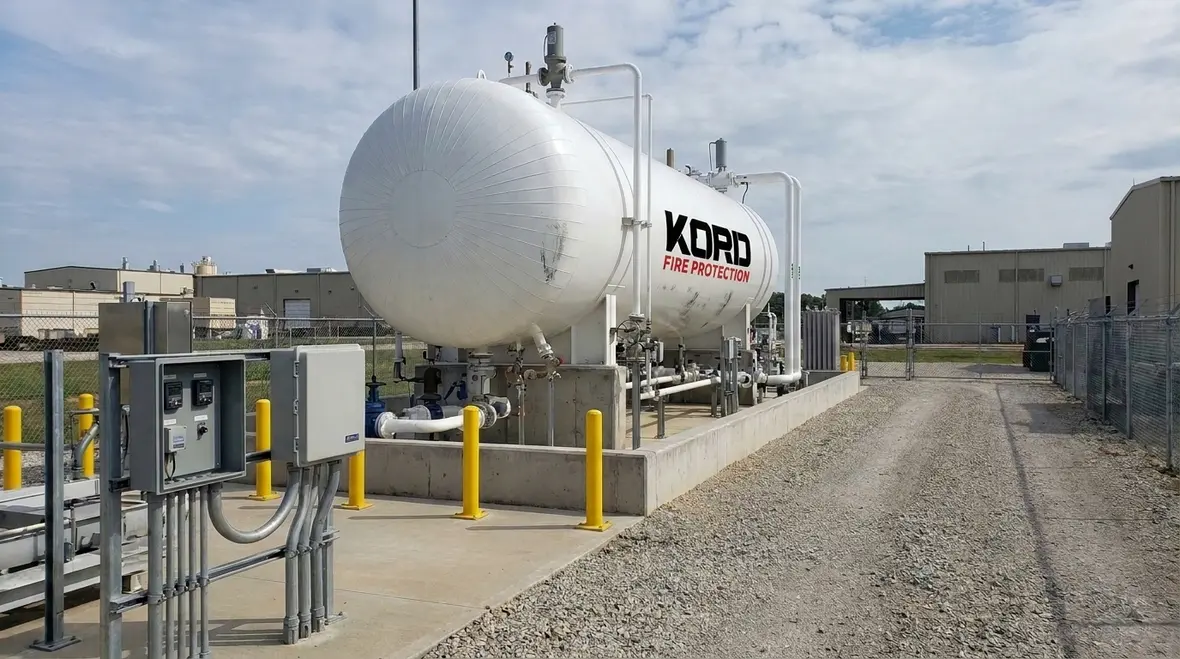
NFPA 52 ASME LNG tank installation general guidance in Section 21.2 sets a framework for how LNG tanks are deployed and integrated at commercial facilities. While ASME tank construction standards govern fabrication and pressure vessel integrity, NFPA 52 addresses the installation context: location, interfaces, protective systems, and acceptance expectations. This distinction matters in audits because compliance failures often occur at the boundary between “tank built to code” and “tank installed to code.”
In practical terms, Section 21.2 requires stakeholders to ensure the installation supports safe operations, maintains the intended hazards controls, and does not create unintended ignition, confinement, or exposure pathways. For facility operators, this translates into clear documentation, verified equipment compatibility, and inspection readiness from day one through turnover and ongoing maintenance.
Teams working through installation interfaces and turnover records can also review fire and electrical system support for compliance for a practical look at commissioning handoffs, tested logic, and field coordination that often shape audit outcomes. ([kordfire.com](https://kordfire.com/fire-and-electrical-system-support-for-compliance/?utm_source=openai))
1) Installation foundation and siting controls: where compliance usually starts
Section 21.2 drives the expectation that the installed tank system performs as designed in its real environment. Compliance reviews frequently scrutinize the following siting elements:
- Separation and exposure: The installed arrangement must maintain protective distances and limit escalation scenarios involving adjacent structures, equipment, or transport pathways.
- Site grading and drainage: LNG release management depends on predictable containment or drainage behavior and on avoiding pooling that could feed ignition.
- Wind, ventilation, and dispersion: The location of vents, control systems, and ignition source risks is evaluated as part of the installation narrative, not only as a standalone venting design.
- Physical access and maintainability: Emergency response and planned maintenance require unobstructed access routes, safe working clearances, and reliable equipment positioning.
Commercial, industrial, and retail sites often face constraints such as limited real estate, existing utility corridors, and ongoing operations during retrofits. Those constraints must still align with the Section 21.2 intent, which is why documentation quality and field verification become critical.
2) Tank to system integration: interfaces that auditors test
The most common compliance gaps for an NFPA 52 ASME LNG tank installation general implementation show up at interfaces, meaning how the tank connects to the rest of the fueling or storage system. Section 21.2 expects the installation to support proper function of integrated subsystems. Typical review areas include:
Vapor handling, venting, and pressure relief integration
Proper vent routing, discharge orientation, and protective measures must align with the hazard model used in the design basis. Inspectors and insurance reviewers typically look for evidence that:
- Discharge points are not positioned where they can accumulate or re enter occupied areas or risk sensitive equipment.
- Valving and relief devices are installed for intended operation and are accessible for inspection or test.
- Materials and insulation choices preserve performance during the expected thermal cycling.
Impoundment, spill control, and drainage logic
Even where dedicated containment features exist, Section 21.2 installation oversight expects the system to manage release conditions without creating secondary hazards. Audits often evaluate drainage pathways, pump discharge routing, and whether fire protection features remain effective under realistic failure modes.
Electrical, instrumentation, and control system boundaries
LNG installations rely on detection, control, and shutdown logic to prevent unsafe conditions. Section 21.2 general expectations support the idea that installation practices must maintain the integrity of these boundaries. That includes ensuring:
- Field wiring and terminations meet environmental and cryogenic exposure considerations.
- Detection and alarm devices remain in correct locations relative to anticipated vapor movement.
- Control cabinets and components maintain separation from release risks as designed.
Because interface failures can be subtle, facility teams often benefit from a structured commissioning and evidence package that ties design assumptions to field conditions.
3) Operational readiness: inspection, testing, and acceptance evidence
Section 21.2 reinforces installation outcomes through readiness and verification. For commercial operations, that means the facility must be able to prove that the installed condition meets the safety intent. Common operational readiness expectations include:
- Acceptance testing records: Proof that installation checks and system tests confirm intended performance.
- Clear operating procedures: Step by step operating instructions aligned with installed equipment and interfaces.
- Maintenance plans: Scheduled tasks for inspection, functional testing, and documentation control.
In practice, compliance teams should also plan for continuity of evidence across turnover phases. Construction closeout, commissioning, and the first operating cycle frequently introduce discrepancies if the documentation system cannot keep pace with field changes. Kord Fire Protection supports facility owners and operators by providing ongoing fire protection compliance services, testing coordination, and maintenance guidance that helps prevent rework and last minute deficiencies. ([kordfire.com](https://kordfire.com/?utm_source=openai))
For additional guidance on common maintenance and life safety expectations across codes and standards, facility stakeholders can review related technical resources at Kord Fire Protection. ([kordfire.com](https://kordfire.com/?utm_source=openai))
If the real headache is proving what was installed, not just what was specified, the documentation side of compliance gets a lot less glamorous and a lot more important. A useful companion read is fire safety system documentation for compliance, which fits naturally with evidence packages, inspection records, and turnover control. ([kordfire.com](https://kordfire.com/fire-safety-system-documentation-for-compliance/?utm_source=openai))
4) Common failure points in NFPA 52 ASME LNG tank installation general reviews
Even when equipment is ASME compliant, installations can fail NFPA 52 review due to practical implementation issues. Typical failure points include:
- Incorrect or undocumented field modifications: Small routing changes can affect vapor dispersion, discharge behavior, and access.
- Inadequate documentation of insulation and thermal protection: Missing inspection tags, incomplete photos, or nonconforming workmanship can invalidate assumptions.
- Detection or alarm placement not verified: If detectors are moved for construction convenience, the hazard coverage may no longer match the design basis.
- Inconsistent commissioning evidence: Test records that do not match installed serial numbers, locations, or settings often trigger corrective action.
- Maintenance access conflicts: Blocked access to valves, relief devices, or control panels creates a long term compliance risk.
Facility operators can reduce risk by requiring installation verification checklists tied directly to design assumptions and by using a compliance schedule that starts during construction rather than during the first inspection window.
Frequently Asked Questions
Next step: confirm your installation evidence package
NFPA 52 ASME LNG tank installation general compliance depends on real field verification, not just equipment certificates. Facility owners should assemble a complete evidence package that ties design assumptions to installed conditions, then schedule inspections and ongoing maintenance planning early. Engage a qualified partner like Kord Fire Protection to support testing readiness, corrective action tracking, and lifecycle compliance so commercial operations stay protected from preventable deficiency cycles.

Join Our Newsletter!
Get the latest fire safety tips delivered straight to your inbox From our Newsletter.