NFPA 52 Section 13.6: Installing Pressure Gauges on Residential CNG Systems
Quick Answer
NFPA 52 Section 13.6 requires pressure gauge installation practices that protect personnel and maintain reliable readings on residential CNG systems. Install gauges with correct rating, mounting, orientation, connection method, and protection from damage, then verify calibration and operational integrity during inspection and maintenance.
What NFPA 52 Section 13.6 Requires (and Why It Matters)
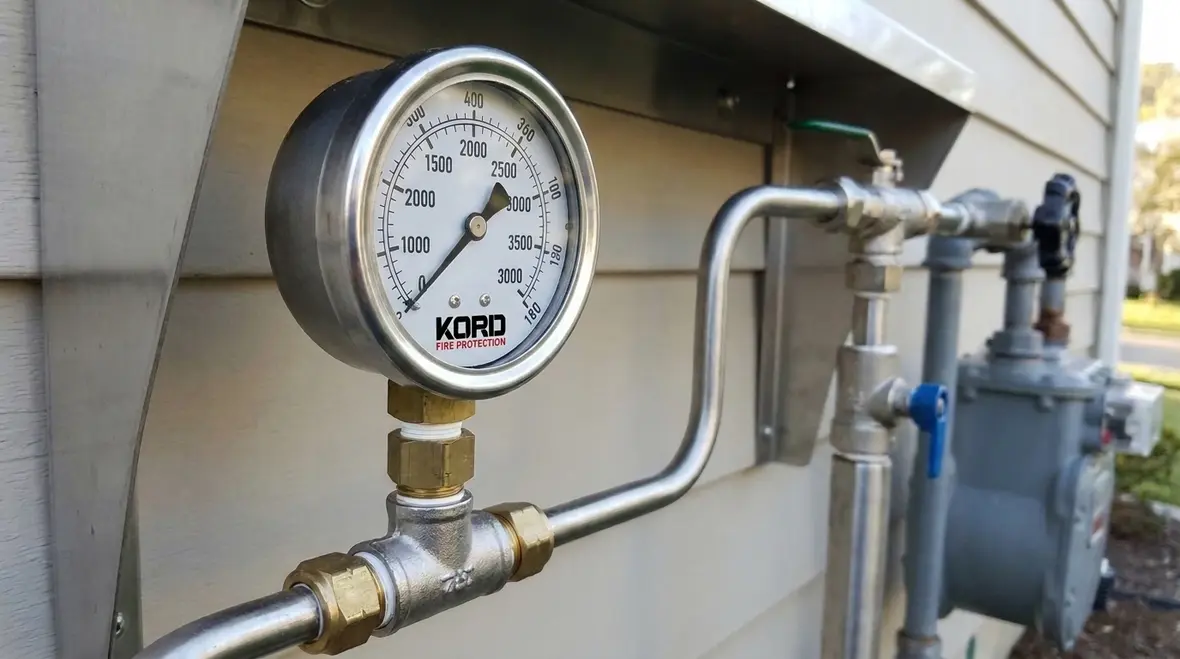
NFPA 52 Section 13.6 governs the safe installation of pressure gauges connected to residential CNG systems. While gauges appear simple, they are safety-critical instruments. Accurate pressure indication supports safe start up, regulator verification, leak response, and maintenance decision making. Poor installation can lead to misleading readings, gauge rupture, or gas release during service.
For facilities that coordinate residential system service through commercial contractors, the NFPA 52 residential CNG pressure gauge installation details become a compliance and operational reliability issue, not just a homeowner concern. For broader context on appliance setup, see NFPA 52 Section 13.4: Installation of Residential CNG Fueling Appliances.
Step-by-Step Installation Approach for Compliance-Grade Gauge Mounting
NFPA 52 expectations translate into practical installation controls. The goal is to ensure the gauge remains readable, protected, and mechanically compatible with CNG pressure and vibration conditions.
Select an Appropriate Gauge for CNG Pressure Service
-
Use gauges with a pressure rating appropriate to the system pressure range and the regulator configuration serving the gauge tap.
-
Confirm compatibility of materials in the wetted path, including the gauge connection and any fittings. CNG service requires robust corrosion resistance and dimensional stability.
-
Prefer gauges designed for gas service rather than general water or air applications that may fail under hydrocarbon exposure or nonconforming pressure cycles.
Use the Correct Connection Method and Thread Practices
-
Connect to the specified gauge tap using approved fittings and a gas tight connection method suitable for CNG.
-
Apply sealant or tape only as permitted for the fitting design. Over-application can contaminate the gauge movement or interfere with sealing surfaces.
-
Avoid improvised adapters. A mismatch between thread standards, seating style, or bore size increases leak risk and can alter pressure transmission to the gauge.
Mounting Location and Orientation: “Readable and Protected”
-
Mount the gauge where it can be read without disassembly or reaching over potential gas hazards.
-
Protect the gauge from physical impact, tool contact, and incidental strain from hoses, tubing, or adjacent equipment.
-
Orient the gauge to prevent trapped condensate or debris from interfering with the movement, when applicable to the installation design.
Pressure Transmission Lines: Prevent False Readings
Many installations include tubing or a tap line between the system pressure source and the gauge. That path affects response time and measurement accuracy.
-
Minimize unnecessary length and restrictive segments that slow pressure response or dampen gauge readings.
-
Ensure secure routing so the line cannot rub, fatigue, or loosen due to vibration or thermal cycling.
-
Inspect the full gauge line assembly for improper bends, kinks, or unsupported sections that can fail under repeated pressure cycles.
Common Failure Points During NFPA 52 Residential Gauge Installations
Field experience shows that most noncompliant or unreliable gauge results stem from repeatable installation and maintenance errors. These issues can also create unsafe conditions during service and inspections.
Incorrect Rating and Noncompliant Gauge Mechanisms
A gauge that is underspecified can deform under pressure. That deformation may not be immediately obvious, but it can shift calibration and create misleading pressure indications. In the worst case, it can lead to mechanical rupture.
Loose Connections and Improper Sealing Practices
Leak risk increases when fittings are cross-threaded, sealant is misapplied, or torque is inconsistent with the fitting manufacturer recommendations. Even a micro leak becomes significant in enclosed or partially enclosed areas and can undermine broader compliance requirements.
Damage from Impact, Vibration, or Tool Access
Gauges often sit in service-adjacent zones. If the gauge is mounted where technicians must work around it, incidental impacts can damage the lens, movement, or connection point. Vibration can also work a fitting loose if the assembly is not properly supported.
Blocked, Kinked, or Contaminated Pressure Path
Debris or obstructions in the gauge tap line can cause delayed readings or stuck needles. Contamination can also affect the gauge movement, leading to inaccurate readings that appear functional during casual inspection.
Inspection, Testing, and Ongoing Maintenance Requirements
NFPA 52 compliance does not end at installation. A pressure gauge must stay accurate and safe through service life. For commercial facility standards that oversee residential fuel assets through shared operations, maintenance records and inspection routines become essential. For related testing guidance, see NFPA 52 Section 13.9: Testing Residential CNG Fueling Systems.
Inspection Checklist for Gauge Condition and Installation Integrity
-
Verify gauge readability and confirm the display face is not obstructed or damaged.
-
Inspect the connection points, fittings, and any associated tubing for corrosion, looseness, deformation, or visible leakage indicators.
-
Check the gauge line routing for abrasion, improper support, and evidence of strain.
-
Confirm protective guarding is intact where provided.
Testing and Calibration: Ensuring the Reading Matches System Behavior
To maintain dependable pressure indication, gauges should undergo verification at defined service intervals or when symptoms indicate drift or malfunction. Common triggers include inconsistent regulator behavior, abnormal system complaints, or gauge movement that appears to stick or fluctuate excessively.
Accurate pressure readings also support leak troubleshooting and regulator performance validation. If a gauge is suspected, a verification process should occur before making system adjustments.
Maintenance Documentation and Audit Readiness
Commercial and industrial operators typically expect documented evidence of inspection outcomes, corrective actions, and any calibration verification. Maintaining records supports internal audits and demonstrates due diligence during regulatory review.
For organizations that coordinate compliance across multiple properties, Kord Fire Protection provides ongoing support for inspections, testing, and maintenance programs that reduce operational risk and help keep documentation current. For related guidance on fuel gas and inspection readiness, see Kord Fire Protection.
How Facilities Can Reduce Risk During Residential CNG Gauge Servicing
When commercial service teams support residential CNG systems, the installation quality depends on consistent procedures and field-ready controls.
Use a Procedure-Driven Work Order Standard
-
Require the technician to verify gauge rating and CNG compatibility before mounting.
-
Require documentation of the gauge tap connection details, including fitting types and any approved sealing method used.
-
Include a post-installation verification step for tightness and correct gauge response to system changes.
Train for “Read the Gauge, Then Read the System”
Gauges support diagnosis, but the system must also be evaluated. A stable gauge that reads incorrectly can mask regulator issues. Conversely, a gauge that responds slowly may indicate a restricted tap line. Technician training should align gauge interpretation with regulator performance and system pressure profiles.
Build in Audit-Ready Records and Corrective Action Closure
Close corrective actions with evidence such as photos of protected mounting, confirmation of verified readings, and calibration documentation where applicable. This approach aligns with commercial facility compliance expectations and reduces repeat findings.
Frequently Asked Questions
Call to Action
Ensure your NFPA 52 residential CNG pressure gauge installation stays compliant beyond initial setup. Engage Kord Fire Protection for inspection planning, gauge and system verification support, and maintenance documentation that stands up to audits. Contact Kord Fire Protection today to build a practical compliance program for residential CNG components managed through commercial operations.

Join Our Newsletter!
Get the latest fire safety tips delivered straight to your inbox From our Newsletter.