NFPA 52 Section 13.4: Installation of Residential CNG Fueling Appliances
Quick Answer
NFPA 52 Section 13.4 sets enforceable requirements for safe installation of residential CNG fueling appliances, addressing location, ventilation, pressure piping, fittings, and inspection readiness. Compliance depends on correct appliance placement, leak-tight fuel train assembly, and verification before put into service.
For teams building out documentation and inspection readiness, a useful related resource is this fire protection system documentation checklist, which fits naturally with the recordkeeping and closeout expectations that often follow installation work.
Why NFPA 52 Section 13.4 Matters for Residential CNG
Facilities that manage residential fueling locations, mixed-use properties, multifamily sites, and service closets still need to align with NFPA 52 installation expectations. Although Section 13.4 focuses on residential CNG fueling appliances, the safety principles directly influence how commercial and industrial operators plan work permits, coordinate hot work and electrical scope, and control ignition sources around compressed natural gas systems.
In practice, NFPA 52 residential CNG fueling appliance installation success depends on two outcomes: a correctly assembled fuel system and a safe operating environment that supports ongoing inspection and maintenance. Inspectors evaluate both, and many nonconformities originate during installation rather than testing.
What Section 13.4 Expects During NFPA 52 Residential CNG Fueling Appliance Installation
NFPA 52 Section 13.4 is installation driven. It focuses on preventing leaks, controlling ignition risk, and ensuring the appliance and its supporting components can be safely serviced. Installers should treat the section as a checklist that ties the appliance manufacturer instructions to code-required conditions.
1) Appliance location and the surrounding environment
Common compliance challenges often start with where the appliance is mounted or located. Inspectors look for safe separation from ignition sources, appropriate access for operation and maintenance, and conditions that reduce the likelihood of gas accumulation. Residential installations may be on patios, in garages, or adjacent to structures. In each case, the installer must confirm that the appliance placement does not create concealed leak pockets and that clearances support safe inspection.
2) Fuel train assembly and leak-tight connections
The CNG fuel train includes piping, valves, fittings, and connections that must maintain integrity under expected pressures and thermal cycles. Installers should use correct components and follow torque and assembly requirements for threaded or flared connections. A frequent failure point is improper sealing technique, missing or incorrect fittings, and damaged threads or improper alignment that leads to chronic microleaks.
3) Pressure ratings and component compatibility
Many installations fail inspection because installers substitute parts based on availability rather than compatibility. NFPA 52 residential CNG fueling appliance installation requires the assembled system to meet pressure and material compatibility expectations. Each fitting and connection should match the appliance design intent and documented pressure ratings.
4) Protection of hoses, tubing, and exposed parts
Where flexible components or exposed sections exist, protection against abrasion, impact, and incidental damage is crucial. Inspectors frequently observe routing through areas where future construction, vehicle impacts, or maintenance activity can compromise the system.
Installation Workflow That Passes Inspections More Often
A practical workflow reduces rework and speeds acceptance. It also supports documentation needed for commercial, industrial, and retail environments where property management requires proof of compliance.
Step 1: Pre installation hazard review and site controls
- Identify ignition sources near the proposed appliance location.
- Confirm access routes for emergency response and maintenance.
- Coordinate electrical scope and bonding or grounding requirements with the facility plan.
- Define permit requirements for any modifications to structure, piping, or electrical systems.
Step 2: Verify appliance documentation and installation instructions
Before connecting gas piping, installers should confirm that the appliance model is intended for the site conditions and that the manufacturer’s installation instructions align with the installation intent in NFPA 52 Section 13.4. If any part of the plan changes during field work, the facility and installer should document deviation controls.
Step 3: Assemble the CNG system with traceable workmanship
- Use approved components and confirm pressure ratings.
- Follow assembly procedures exactly, including torque specifications and alignment.
- Protect fittings and tubing during installation to prevent thread damage and contamination.
- Document component installation and any field modifications.
Step 4: Pressure testing, leak checking, and functional checks
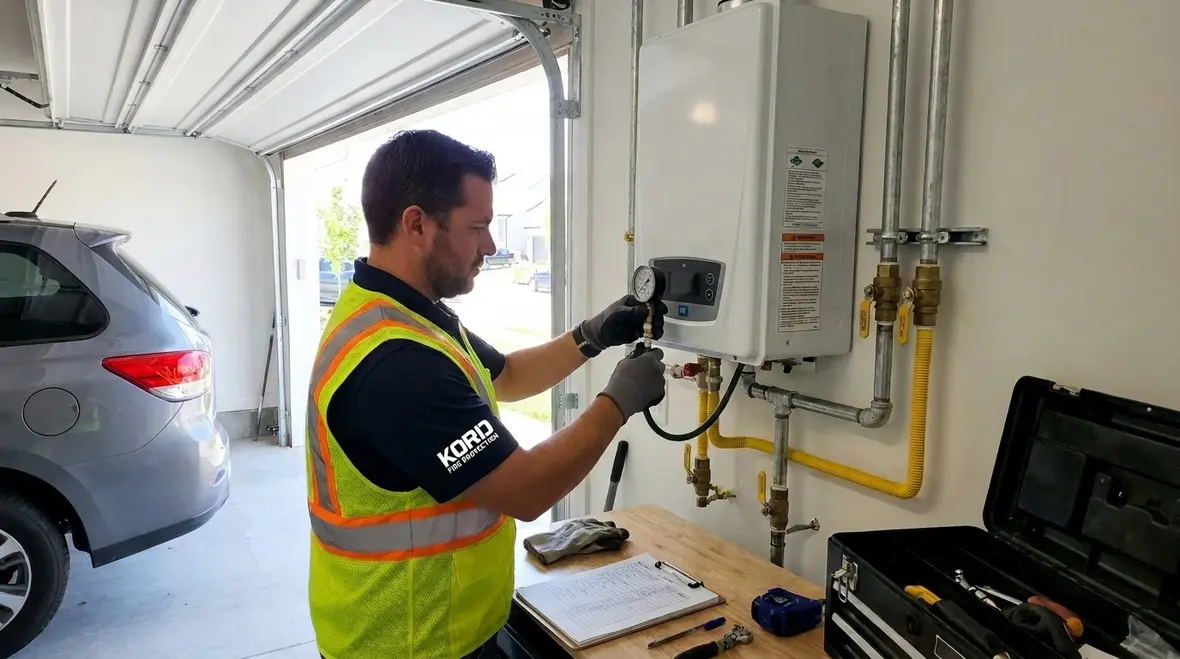
Section 13.4 installation requirements lead into acceptance testing expectations. Installers should perform leak checks using appropriate methods for compressed natural gas systems and verify appliance controls operate as intended. Common failure points include incomplete purging, incorrect test setup, and missing functional checks of valves and regulators.
How Inspectors Evaluate Nonconformities in Residential CNG Appliance Installations
Inspection findings tend to cluster into repeat categories. Understanding those patterns helps commercial facility teams reduce downtime and contractor disputes.
Frequent field issues that trigger inspection failures
- Connection problems: Improper sealing, wrong fittings, and installation misalignment that creates leak potential.
- Inadequate protection: Exposed tubing subject to abrasion or impact, or routing through areas where accidental contact is likely.
- Clearance and access failures: Insufficient space for operation, leak inspection, or safe maintenance removal.
- Site ignition control gaps: Installation that places the appliance too close to ignition sources or overlooks ignition risk from nearby equipment.
- Documentation weaknesses: Missing installation records, pressure test results, and component identification.
Why documentation matters for commercial oversight
Even when a project targets residential fueling appliances, many operators must demonstrate compliance to insurance carriers, corporate safety teams, and local enforcement authorities. Documented test results, maintenance access details, and verification of proper assembly support defensible compliance claims.
Ongoing Maintenance and Compliance Readiness
NFPA 52 residential CNG fueling appliance installation is not a one-time event. Operational safety depends on maintenance, inspection intervals, and early detection of deterioration. Commercial and industrial facility standards typically require a maintenance plan that includes scheduled inspection of visible components, periodic functional checks, and readiness for corrective actions.
Maintenance items that commonly require attention
- Visual inspection of piping, fittings, and protected routing for signs of damage.
- Verification that valves and controls function through their intended operating sequence.
- Leak detection methods appropriate to CNG systems when conditions indicate concern.
- Review of any changes to the surrounding area that could affect clearances, ignition sources, or access.
Kord Fire Protection supports commercial compliance needs by providing inspection, testing coordination, and documentation support that helps property owners and contractors maintain a defensible safety posture. For facility teams managing multiple locations or mixed residential and commercial use, Kord Fire Protection can help standardize readiness and close gaps before they become enforcement issues.
Related Guidance and Practical Resources
Installation and maintenance practices should align with applicable fueling system expectations and facility safety program requirements. For broader fire and life safety planning considerations that often intersect with gas fueling projects, see Kord Fire Protection. For a deeper look at documentation discipline and inspection closeout, fire safety system documentation for compliance is another strong follow-up read.
Frequently Asked Questions
Next Step: Build a Compliance-Ready Installation Package
NFPA 52 residential CNG fueling appliance installation success depends on controlled site work, correct component selection, leak tight assembly, and verified acceptance testing. Property teams should require traceable installation records and schedule follow-up inspections that confirm long term integrity. Engage Kord Fire Protection early to standardize inspection and documentation workflows, reduce rework, and strengthen enforcement readiness across residential and commercial fueling locations.

Join Our Newsletter!
Get the latest fire safety tips delivered straight to your inbox From our Newsletter.