
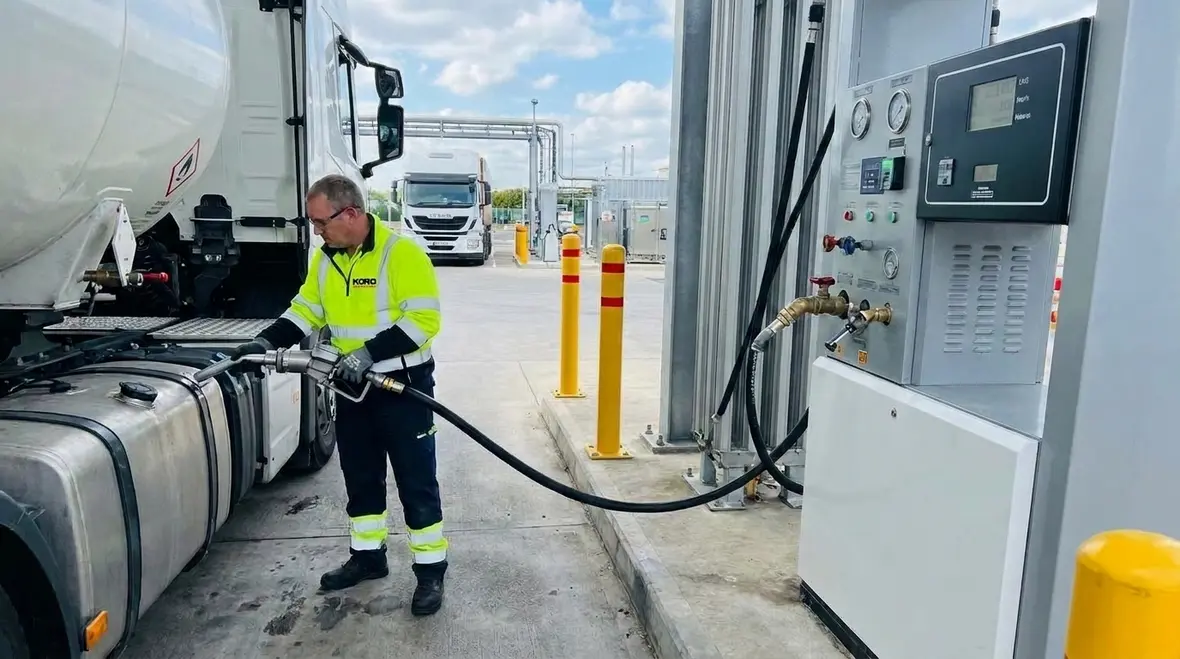
NFPA 52 Section 20.3: LNG Dispensing Equipment and Practices
Quick Answer: NFPA 52 Section 20.3 sets operational and maintenance expectations for LNG dispensing equipment, including how systems are used, inspected, and kept reliable to prevent unsafe conditions. These requirements directly affect daily fueling procedures, planned servicing, leak detection, and functional testing at commercial sites.
For facilities tightening up inspection readiness and documented system reliability, this fire pump inspection, testing, and maintenance guide offers a helpful example of how Kord Fire Protection approaches structured compliance programs in the field.
What NFPA 52 LNG dispensing equipment practice requirements mean in the field
NFPA 52 LNG dispensing equipment practice requirements are not limited to the day equipment is installed. Section 20.3 focuses on how LNG dispensing equipment is operated, maintained, and verified in service so the fueling process remains controlled under normal and abnormal conditions. For commercial, industrial, and retail LNG facilities, practical compliance hinges on two realities: equipment performance degrades over time, and human operation under real site conditions determines whether equipment controls stay effective.
In practice, compliance teams must align dispensing procedures with the equipment’s design intent, confirm that protective features stay functional, and ensure that any identified deficiencies trigger the correct operational response, repair sequence, and re verification before the dispenser returns to service.
Section 20.3 scope: where “equipment” and “practices” overlap
Section 20.3 addresses LNG dispensing equipment and the practices that govern its use. The overlap matters. A site can own compliant hardware, but if operating steps, inspection frequency, or maintenance completion standards are weak, the overall dispensing system still fails to meet safety intent.
Common elements sites must manage as a combined system
- Dispensing controls that regulate flow and interface with protective functions.
- Hoses, nozzles, and couplers that must remain leak tight, properly connected, and in safe mechanical condition.
- Valving and shutoff components that prevent uncontrolled flow during off nominal events.
- Vent, relief, and pressure management paths that mitigate hazardous pressure or temperature conditions.
- Instrumentation and alarms that support detection, indication, and protective actions.
Commercial operators should treat these as one dispensing system that requires integrated checks: a “mechanical” issue often triggers a “practice” issue. For example, a partially degraded seal can be managed only if inspection intervals and acceptance criteria stop the equipment before a leak becomes uncontrolled.
Operational procedures that keep dispensing equipment within safe limits
Even when mechanical components remain within tolerance, unsafe outcomes frequently come from procedure drift. Section 20.3 supports consistent, controlled fueling practices. Facilities should expect to demonstrate that dispensing operations are performed the same way by qualified personnel, with defined responses when conditions deviate.
Procedure areas that drive compliance outcomes
- Pre fueling setup: correct hose routing, secure connections, and verification that the system is configured for the intended dispensing mode.
- Start of flow controls: confirming that control states match expected conditions before LNG is released to the outlet.
- During fueling stability: ensuring no ongoing alarms, abnormal pressure readings, or repeated interruptions that indicate an underlying equipment issue.
- Shutdown and post fueling: confirming controlled termination, safe discharge or recovery actions, and return to a safe state.
- Deficiency handling: taking equipment out of service when inspections identify conditions that compromise leak tightness, control reliability, or protective function performance.
To reduce risk, facilities should establish training and competency verification that mirrors real station operations, not generic classroom content. Kord Fire Protection supports many commercial teams with documentation and inspection readiness strategies that help close gaps between written procedures and field execution.
Inspection, testing, and maintenance: what “in service” must prove
Section 20.3 effectively requires that dispensing equipment remains capable of performing its safety function over time. That typically means structured inspection, documented testing where applicable, and timely maintenance using the correct parts, tolerances, and service procedures.
High attention components and common failure points
Commercial fueling systems experience unique stressors: cryogenic thermal cycling, vibration, mechanical wear from hose handling, and condensation or icing effects on connectors and sensors. Common failure points include:
- Connector sealing surfaces that degrade or become contaminated, increasing leak probability during repeated coupler use.
- Hose assemblies with external damage, stiffness changes, or coupling wear that can affect alignment and seal integrity.
- Valve response issues such as sluggish actuation, sticking, or incomplete closure after repeated cycles.
- Instrumentation drift or malfunctioning sensors that reduce the accuracy of protective actions.
- Pressure and vent path obstructions that can impair relief and pressure management outcomes.
Maintenance documentation that supports audit readiness
Facilities should maintain a defensible record trail that shows:
- What was inspected or tested, and when.
- Acceptance criteria and the observed results.
- Repairs performed, parts used, and verification steps after maintenance.
- Any out of service actions and reinstatement controls before returning the dispenser to normal operations.
For teams seeking an organized approach to compliance support, Kord Fire Protection can help coordinate ongoing inspection and maintenance planning so equipment remains reliable and documentation stays consistent with site expectations and regulatory review.
For additional guidance on commercial fire and safety service planning, see Kord Fire Protection.
Maintaining equipment readiness: integrating people, parts, and protective functions
NFPA 52 Section 20.3 expects that dispensing equipment practices support reliable protective performance. The strongest compliance programs implement a closed loop between operational use and maintenance outcomes.
Practical compliance controls that prevent “silent deterioration”
- Defined inspection intervals tied to risk and equipment usage patterns, not just calendar time.
- Clear equipment condition criteria that determine whether an issue triggers repair, continued operation, or immediate shutdown.
- Functional checks after maintenance to confirm the dispenser performs as intended before returning to service.
- Accountability for deficiencies including tracked corrective action deadlines and verification upon completion.
Commercial operators often face a throughput pressure that leads to delayed repairs. Section 20.3 reinforces the need to maintain safe dispensing capability, meaning operational schedules must incorporate maintenance windows and reinstatement testing. Kord Fire Protection helps facilities align safety servicing with station operations so compliance does not become an afterthought.
Compliance challenges at LNG retail and industrial sites (and how to address them)
NFPA 52 requirements are implemented through real-world logistics. Facilities that distribute LNG for vehicles, industrial processes, or fueling fleets often encounter repeat compliance pressure points:
Three recurring challenge areas
Training consistency across shifts: Turnover, contractor staffing, or rotating operators can cause procedure variation. Facilities should implement shift-based competency checks and quick reference job aids that match the site’s approved dispensing process.
Maintenance quality and parts control: Using incorrect parts or shortcuts in connector service can create leak paths and control failures. Facilities should standardize authorized service practices and maintain traceable parts procurement.
Document control during audits: Records often exist but are difficult to retrieve or do not clearly link observations to corrective actions. A structured documentation system supports faster review and stronger defensibility.
When these issues are addressed early, NFPA 52 LNG dispensing equipment practice requirements become easier to sustain. When they are ignored, the program tends to become reactive, and the facility often pays for the delay through increased downtime and increased inspection scrutiny.
Frequently Asked Questions
Conclusion and Call to Action
NFPA 52 Section 20.3 is most effectively implemented through disciplined dispensing practices, proactive inspection, and documented maintenance that preserves protective performance. If your facility needs a practical compliance program for NFPA 52 LNG dispensing equipment practice requirements, engage a specialist early to align procedures, inspection planning, and service verification. Contact Kord Fire Protection today to strengthen readiness, reduce downtime risk, and support audit defensibility with ongoing commercial support.

Join Our Newsletter!
Get the latest fire safety tips delivered straight to your inbox From our Newsletter.


