
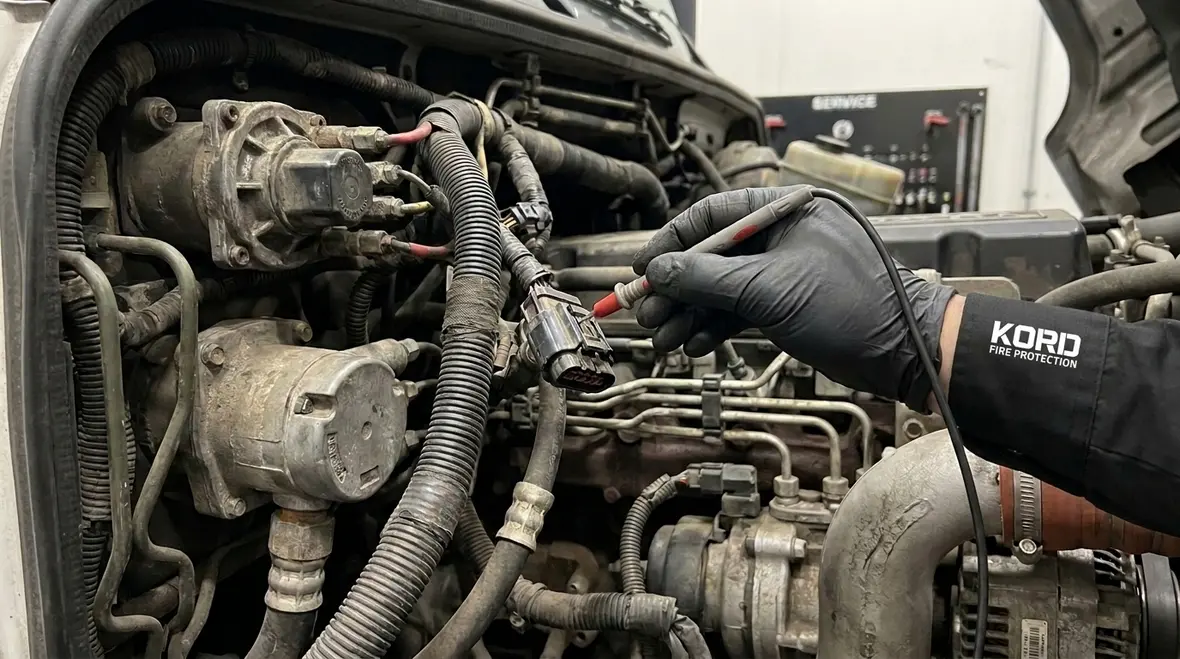
NFPA 52 Section 24.3 General: Onboard Automotive Equipment Requirements Overview
Quick Answer
NFPA 52 Section 24.3 sets the baseline expectations for onboard automotive equipment used on vehicles and mobile platforms. This includes clear requirements for installation, protection, operating limits, inspection readiness, and maintenance controls to reduce ignition and fire spread risk.
For fleets and facilities that want a practical service partner, vehicle fire suppression systems can fit naturally into a broader inspection and maintenance strategy for rolling equipment and onboard hazards.
What Section 24.3 Covers in NFPA 52 onboard automotive equipment general requirements
NFPA 52 Section 24.3 focuses on general requirements for onboard automotive equipment. The intent is straightforward: equipment installed on or associated with automotive systems must be capable of operating safely in its expected conditions, without creating unacceptable ignition sources or pathways for fire propagation.
In practical terms, these NFPA 52 onboard automotive equipment general requirements drive how facilities evaluate design, installation quality, operational control, and ongoing verification. Commercial operators typically struggle less with knowing the section exists and more with proving compliance through repeatable inspection, documentation, and corrective maintenance.
Operational readiness: installation quality and configuration controls
Section 24.3 general provisions rely on the premise that onboard systems must be installed to perform as designed under vibration, temperature cycling, exposure to contaminants, and normal service wear. For many commercial fleet and mobile operations, the biggest compliance risks come from “it worked at commissioning” assumptions that are never validated after modifications.
That is also where a documentation-heavy workflow helps. Kord Fire Protection’s broader CALSAFE compliance approach reflects the same idea: if records, photos, and service notes live in ten different places, compliance gets weird fast.
Common compliance challenges during installation and retrofits
- Uncontrolled modifications: Field replacements, add ons, and wiring changes that do not preserve original component ratings and routing.
- Improper isolation and mounting: Loose mounting hardware or insufficient restraint increases the probability of chafing, loosening, or misalignment.
- Inadequate protection of ignition sensitive components: Components can be exposed to heat, arcing, or mechanical damage when protective barriers are omitted.
- Unverified operating limits: Equipment may run outside intended temperature or duty cycle ranges due to changes in vehicle loading, airflow, or control settings.
Facilities that coordinate across operations, fleet management, maintenance, and engineering typically achieve better outcomes because they standardize installation verification. Kord Fire Protection can support this process with documentation-oriented inspection planning so the facility can demonstrate how general requirements were verified and maintained over time.
How Section 24.3 supports safe operation: ignition control and fire spread prevention
General requirements typically translate into functional performance. Onboard automotive equipment must not introduce unacceptable ignition hazards and must limit escalation by controlling ignition sources, managing heat, and reducing the chance that a single failure becomes a vehicle wide incident.
Where ignition sources usually originate
- Electrical faults: Loose terminations, damaged insulation, corrosion, and improper grounding can create hot spots.
- Mechanical friction and failure: Worn assemblies, seized components, or misalignment can create localized overheating.
- Fuel and vapor interactions: Leaks, improper routing, and degraded seals can create flammable vapor conditions.
- Thermal exposure: Heat transfer from nearby components can exceed safe limits for adjacent materials or wiring.
Because NFPA 52 Section 24.3 establishes general guardrails, commercial facilities should treat them as a framework for hazard analysis and inspection prioritization. When inspections focus only on visible damage, hidden deterioration patterns can be missed. A structured inspection approach helps facilities target known failure points based on equipment type and operating history.
Inspection, testing, and maintenance: turning “general requirements” into proof
Section 24.3 general requirements are only as strong as the facility’s ability to maintain them. In commercial, industrial, and retail environments, the compliance gap often appears after schedules drift or when maintenance is managed reactively.
Operational procedures that support compliance
- Documented inspection intervals: Use manufacturer guidance and operational risk to set practical frequency, then record results consistently.
- Component condition verification: Inspect mounts, fasteners, wiring routes, and protective devices for secure status and integrity.
- Corrective maintenance workflow: Define when equipment must be removed from service, when repairs can be completed, and when re inspection is required.
- Change control: Require review of modifications so the facility can confirm the onboard system still meets the original safety intent.
For many fleets and mobile work platforms, the maintenance control mechanism needs to include evidence. That means photos of corrective actions, inventory of replaced parts, and verification that repaired systems return to a compliant operating configuration.
If you want to strengthen your program, Kord Fire Protection can help you build repeatable inspection and maintenance support tailored to your onboard equipment risk profile. This supports fewer surprises during internal audits and reduces friction during external compliance evaluations.
What to look for during audits: evidence, labeling, and common failure points
A compliance audit under the Section 24.3 general umbrella usually examines more than physical condition. Auditors often look for whether the facility can explain and demonstrate that onboard equipment remains safe over time.
Field indicators that often trigger corrective action
- Evidence of chafing or heat discoloration: Damaged insulation and degraded protective sleeves near vibration points.
- Loose or corroded electrical connections: Increased resistance that can create thermal stress.
- Missing or altered guards: Unprotected components are more likely to be struck, overheated, or exposed to debris.
- Untracked replacements: Component swaps that change ratings, materials, or operating parameters without documentation.
- Inconsistent maintenance records: Gaps in inspection history or missing corrective action closure details.
Facilities can reduce audit risk by implementing a standardized checklist aligned to onboard automotive equipment general requirements. The checklist should match how maintenance teams actually work and should capture verification steps that matter, such as securement, routing, protective coverage, and reinspection after repairs.
Need practical support? Partner with Kord Fire Protection
NFPA 52 onboard automotive equipment general requirements require more than initial installation compliance. They require ongoing verification, documented maintenance, and fast correction when degradation appears. Commercial facilities that operate vehicles or mobile platforms typically benefit from a service partner that can align inspection planning with real maintenance workflows.
Kord Fire Protection helps organizations maintain safer onboard equipment conditions through inspection support, compliance focused documentation, and maintenance guidance that supports long term readiness. For more information about Kord Fire Protection services, visit Kord Fire Protection.
Frequently Asked Questions
Next step
Review your onboard equipment inspection and maintenance records against the intent of NFPA 52 Section 24.3. If your program relies on reactive maintenance or lacks change control evidence, contact Kord Fire Protection to strengthen your compliance readiness and reduce operational and audit risk.

Join Our Newsletter!
Get the latest fire safety tips delivered straight to your inbox From our Newsletter.


