
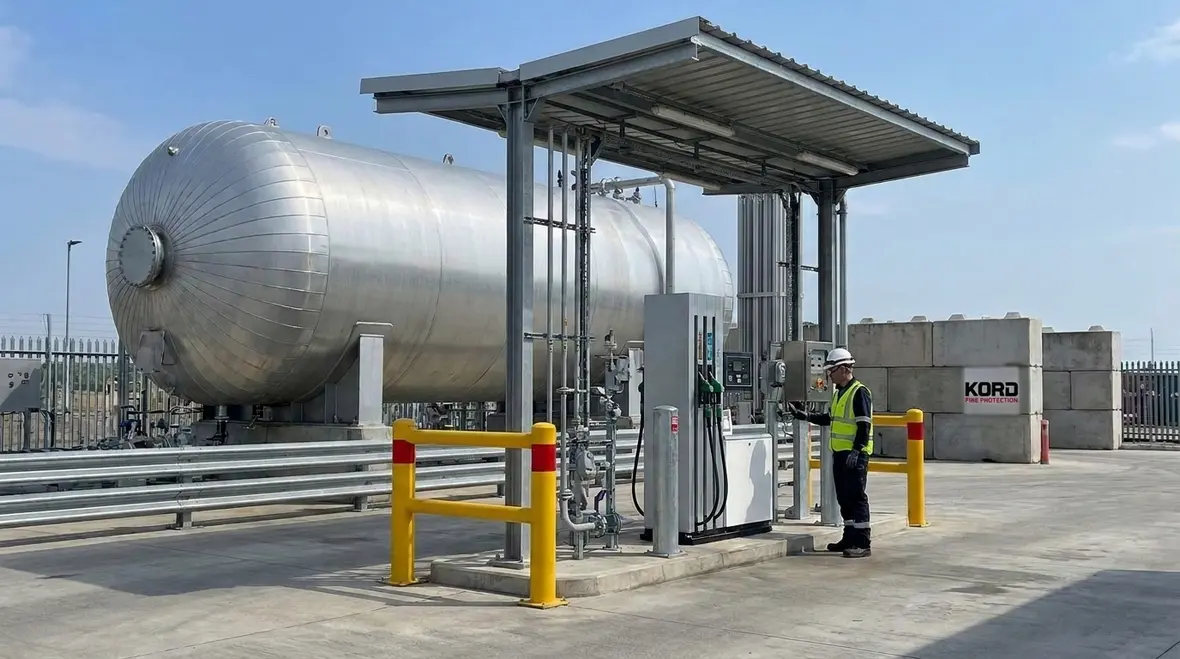
NFPA 52 Section 20.2 General: LNG Fueling Requirements Overview
Quick Answer
NFPA 52 Section 20.2 sets the baseline compliance expectations for LNG fueling systems, covering siting and facility interfaces, ignition control principles, operating practices, and required documentation. It also drives how commercial facilities plan inspections, testing, and maintenance to keep fueling safe over time.
Why Section 20.2 matters for LNG fueling in real facilities
Commercial LNG fueling is not only an equipment problem. It is a systems and operations discipline that ties together hazard recognition, controlled fueling procedures, and ongoing verification. The NFPA 52 LNG fueling general requirements in Section 20.2 establish the “default” safety framework that other subsections rely on. For facility managers, that means compliance must be designed into workflows, training, and inspection cadence, not appended during commissioning.
In practice, most enforcement and internal audits focus on whether the facility can demonstrate safe operation under normal conditions and during foreseeable abnormal conditions such as maintenance activities, abnormal shutdowns, or component aging. Section 20.2 provides the general requirements that support those demonstrations.
For a practical example of how fueling-related fire protection expectations are applied at the facility level, see NFPA 52 Section 5.1 General: Facility Fire Protection for Natural Gas Vehicle Fueling.
What Section 20.2 generally requires: the safety baseline
Section 20.2 frames requirements that apply across LNG fueling installations, with an emphasis on controlling LNG hazards at the facility level. While detailed scope varies by system configuration, the general themes typically include the following operational and compliance elements.
1) Built-in safety philosophy for LNG interfaces
Facilities must manage LNG hazards where the fueling system interfaces with buildings, traffic areas, and other operational zones. That includes maintaining separation and safe routing practices for components, verifying that protective features remain effective, and ensuring the fueling area design supports safe evacuation and emergency response access.
Common failure point: the original design meets requirements, but later changes occur such as new signage, storage reconfiguration, or minor civil modifications. Those updates can undermine the intended protection and create gaps in documented approvals and inspection records.
2) Ignition control and hazardous atmosphere prevention
NFPA 52 LNG fueling general requirements are strongly linked to ignition control principles. Even when specialized equipment is installed, facilities must ensure that ignition sources are controlled through proper equipment selection, installation practices, and operational controls. This includes managing where electrical and non electrical devices are used, and ensuring those devices remain consistent with the hazardous area assumptions made during design.
Common failure point: equipment replacement using “like for like” parts that are not equivalent to the original hazardous location ratings or installation requirements.
3) Operating and emergency readiness
Section 20.2 expectations typically support safe operating procedures and readiness for abnormal conditions. Facilities should ensure fueling procedures cover start up, normal fueling operations, planned maintenance states, and shutdown conditions. Emergency readiness must include practical response steps that align with the installed system controls.
Common failure point: procedures exist, but operators cannot demonstrate step by step execution during drills, or control logic changes are not reflected in updated training materials.
4) Documentation and verification of compliance over time
General requirements include the ability to verify safe operation through documentation, inspection activities, and maintenance records. Commercial facilities often operate under multi vendor service schedules, which can lead to incomplete records unless the program is standardized.
Best practice: maintain a single, controlled record set that ties system components to inspection and test activities, including evidence that protective features are verified after maintenance.
How to implement Section 20.2 in commercial fueling operations
Implementation succeeds when the facility treats Section 20.2 as an operational management system, not a static checklist. The goal is repeatable safe operations, measurable verification, and quick correction when conditions drift.
Facilities building stronger service documentation programs can also review Kord Fire Protection’s broader full lifecycle of fire protection servicing resource for a practical look at how inspections, maintenance, and records work together over time.
Build a compliance workflow that matches how fueling teams operate
Commercial sites rarely have unlimited maintenance windows. A practical compliance workflow maps Section 20.2 expectations to day to day operations, including:
- Pre fueling checks and go no go criteria
- Control system status verification and alarm response expectations
- Maintenance isolation and reinstatement procedures
- Inspection assignments and evidence capture
Plan for inspection and testing as a continuous program
Section 20.2 supports the concept that safety is maintained through ongoing verification. LNG fueling installations typically require structured inspection and testing activities that validate both mechanical integrity and system controls performance. The facility should coordinate these activities with equipment manufacturers and licensed service providers where applicable.
Common failure point: inspections focus on visible damage only, while control and protective logic are not verified under realistic operating scenarios.
Control maintenance states and reduce reintroduction of hazards
Maintenance creates the highest risk transition points. Facilities should ensure that when components are serviced, the system returns to a verified safe configuration before resuming fueling. That includes confirming that safeguards are intact, that any energized equipment remains appropriate for the hazardous environment, and that operational procedures are updated when modifications are made.
If the facility uses contractors, it must also require documentation that ties the work performed to the compliance evidence needed for ongoing audits.
Common compliance gaps contractors and facility teams overlook
Even well designed LNG fueling projects can experience compliance shortfalls once the site enters routine operations. The following issues frequently undermine the intent of NFPA 52 LNG fueling general requirements in Section 20.2.
Outdated procedures and training mismatch
When system controls or hardware are updated, training often lags. Operators may follow older step by step instructions while alarms or interlocks behave differently. This gap can create unsafe decision making during abnormal events.
Uncontrolled component substitutions
Facilities sometimes substitute parts due to lead time or vendor availability. If the replacement does not match the original functional and hazardous environment requirements, the ignition control and protective intent can be compromised.
Inspection evidence that does not tie to system function
Records sometimes show “completed” checklists without linking to the safety function each check supports. Auditors and internal safety teams typically expect traceability from requirement to inspection method to pass fail outcomes.
Why partnering with Kord Fire Protection helps keep LNG fueling compliant
Commercial LNG fueling demands disciplined maintenance, testing, and documentation. Kord Fire Protection supports facility owners and operators with ongoing fire protection and life safety services that help keep compliance current over time. This includes practical assistance aligning inspection activities with site procedures, supporting documentation readiness, and helping teams address real world maintenance and operational change management.
For facilities seeking a broader understanding of compliance program development, Kord Fire Protection resources can support safer, more repeatable inspection and maintenance planning. See Kord Fire Protection for commercial service capabilities and program support.
Frequently Asked Questions
Take action now: keep compliance from slipping
Facility teams should review their Section 20.2 aligned procedures, verify hazardous area and ignition control consistency after any change, and tighten inspection and documentation traceability to system safety functions. If you need a dependable program for ongoing testing, inspection coordination, and compliance documentation support, contact Kord Fire Protection to help protect operations and reduce audit risk.
If your operation needs broader commercial support, explore Kord Fire Protection’s industry fire protection services for inspections, testing, repairs, and code compliance support.

Join Our Newsletter!
Get the latest fire safety tips delivered straight to your inbox From our Newsletter.


