NFPA 52 Section 21.1 Application: ASME Tanks for LNG Coverage
Quick Answer
NFPA 52 Section 21.1 addresses when LNG storage systems that use ASME code pressure vessels qualify for coverage under the standard. The provision focuses on correct vessel selection, construction recognition, and alignment with LNG system requirements for safe installation, operation, and inspection.
For broader inspection planning and maintenance coordination, facilities can also review fire suppression system services from Kord Fire Protection.
What NFPA 52 Section 21.1 is trying to accomplish
NFPA 52 sets performance and safety expectations for liquefied natural gas (LNG) facilities, including storage, transfer, and vapor control concepts. Section 21.1 specifically supports the use of ASME code pressure vessels in LNG storage service by clarifying how ASME construction and recognition can fit within NFPA 52’s system-level protection philosophy.
For operators, the practical intent is straightforward: the standard wants the LNG tank hardware to be built to a recognized pressure vessel code while the facility design, installation practices, and ongoing inspection program meet LNG-specific hazards. This is where NFPA 52 ASME LNG tank application coverage becomes operationally meaningful, especially for commercial, industrial, and retail sites that must maintain compliance across multiple inspections and turnarounds.
NFPA 52 ASME LNG tank application coverage: when ASME vessels qualify
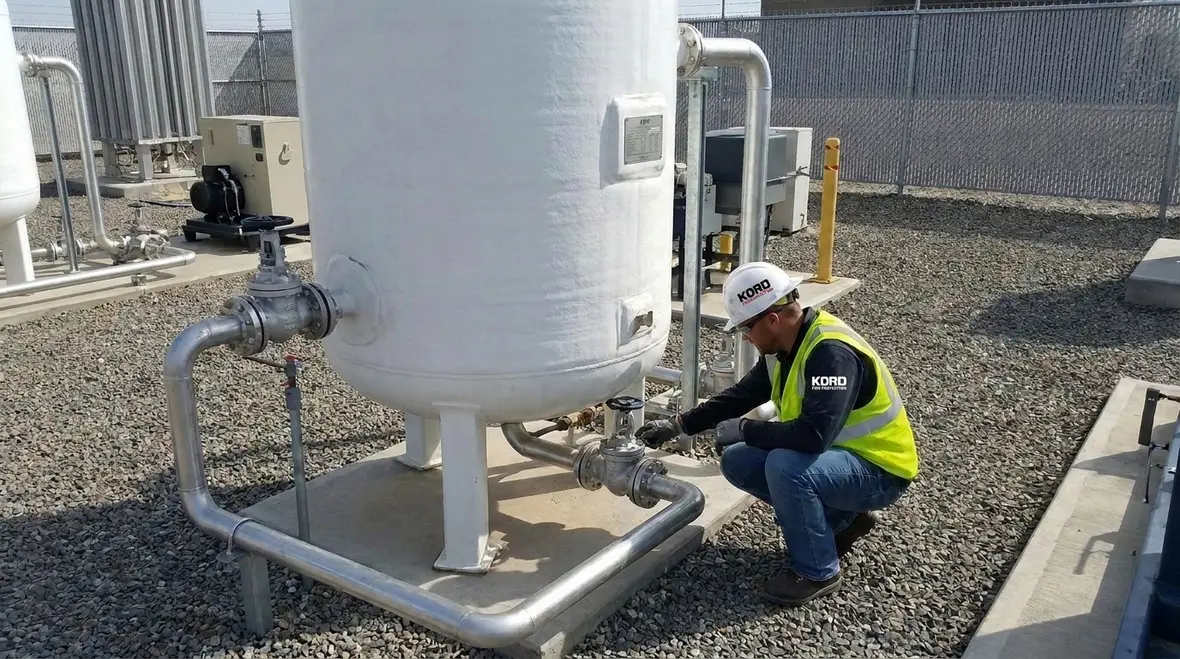
NFPA 52 Section 21.1 generally supports coverage for LNG tanks that are constructed in accordance with applicable ASME requirements and used for LNG service within the boundaries of the standard. The coverage expectation is not just paperwork. It requires alignment between the vessel’s ASME basis and the LNG system risks addressed by NFPA 52, including pressure relief, temperature extremes, insulation performance, and protection against abnormal operating conditions.
Key compliance checks that determine “coverage”
- ASME construction basis is correct for the service: The vessel must be designed and built for cryogenic LNG exposure and the pressures and conditions expected at the site.
- Design recognition matches the actual tank configuration: Installations often modify or add appurtenances. Coverage depends on keeping those interfaces within the limits of the recognized design intent.
- Installation meets LNG hazard controls: Even when the tank is ASME-built, NFPA 52 requires proper siting, supports, piping interfaces, and protective features that manage leak and fire exposure scenarios.
- Maintenance and inspection program stays current: NFPA 52 coverage is only as strong as ongoing testing, inspection intervals, and documented corrective actions.
In practice, commercial operators frequently focus on the tank itself, then get surprised by gaps in appurtenances, pressure relief arrangement, and maintenance records. Those items can still trigger noncompliance, even when the vessel bears an appropriate ASME designation.
How NFPA 52 Section 21.1 affects tank installation and facility integration
ASME tank acceptance does not replace NFPA 52 system integration requirements. Section 21.1 helps bridge the gap between code construction and LNG hazard control, which means facility integration becomes the real compliance battleground.
Installation elements that typically require close review
- Piping and connection integrity: Cryogenic service amplifies thermal contraction and stress at connections. Alignment, supports, and insulation continuity must match design criteria.
- Pressure relief and venting arrangement: Relief systems must discharge to safe locations and remain functional during normal and abnormal conditions. Alterations after commissioning can invalidate assumptions.
- Insulation and vapor barrier performance: Insulation degradation or moisture intrusion can increase heat leak, affect boil off behavior, and increase control system workload.
- Fire protection interfaces: Flame impingement scenarios drive requirements for protection features, detection, and response planning around storage and transfer components.
These are the areas where site audits often uncover “documentation compliance” without “field readiness.” Kord Fire Protection supports operators by aligning inspection practices with the realities of commercial facility operations, including coordination with maintenance teams and verifying that fire protection components remain functional through seasonal and operational cycles.
Operational procedures: keeping ASME tanks covered through lifecycle compliance
NFPA 52 coverage is not a one-time approval event. LNG systems change over time due to operating conditions, maintenance activities, and component wear. For facilities seeking reliable NFPA 52 ASME LNG tank application coverage outcomes, the operational program must protect the underlying assumptions behind ASME construction and LNG system design.
What strong operations typically include
- Pre start-up checks: Verification that relief pathways, alarms, and shutdown interfaces operate correctly before the facility enters cryogenic service.
- Alarm and shutdown functional testing: Control system behavior must match design intent, including detection pathways and safe-state actuation.
- Inspection readiness for cryogenic stress impacts: Operators should monitor connection areas for insulation gaps, abnormal frost patterns, and indicators of thermal bridging.
- Corrective action traceability: Repairs must be documented with evidence that they return the system to compliant configuration, not just “good enough to run.”
Commercial and retail LNG users often operate under tight schedules and shared maintenance contractors. That creates a risk of inconsistent documentation, missed inspection windows, and incomplete verification after temporary outages. A structured compliance workflow reduces those failures and supports consistent audit outcomes.
Common failure points during compliance reviews
Even well managed sites can drift away from compliance. The following issues commonly surface during review of LNG storage compliance programs, including cases tied to NFPA 52 Section 21.1 and ASME-built tanks.
1) “Appurtenance creep” after commissioning
Replacing valves, modifying vent routing, or reconfiguring instrumentation can shift the system outside the intended design envelope. Without formal engineering review and updated documentation, coverage assumptions can erode.
2) Insulation and leak path degradation
Moisture ingress or insulation settling increases heat transfer, affects boil off control, and can contribute to unsafe vapor behavior. Over time, this also complicates inspection and can hide developing corrosion concerns.
3) Deferred testing of critical protective systems
Pressure relief device verification, detection performance checks, and fire protection component readiness frequently fall behind schedules when operations prioritize throughput. That creates compliance gaps that become visible only during enforcement or incident investigations.
4) Incomplete alignment between inspection records and current configuration
Operators may have inspection reports for earlier configurations, then install interim changes. Without configuration management and document control, the record does not represent the installed system.
Kord Fire Protection helps address these patterns by supporting ongoing inspection, testing, and maintenance activities that keep fire protection performance consistent with NFPA 52 expectations and facility operational realities. This includes coordination practices that improve readiness during internal audits and third-party assessments.
Internal and external compliance resources
To support broader fire protection planning and maintenance discipline, facility managers commonly review Kord Fire Protection service capabilities and inspection support. For additional guidance and an overview of service offerings that support compliance workflows, see Kord Fire Protection.
For related standards context and fire protection planning resources, teams also benefit from cross-referencing applicable sections such as NFPA 52 Section 21.5: Installing ASME LNG Containers and NFPA 52 Section 16.4: Ignition Source Control at LNG Sites. When Section 21.1 coverage is questioned, the fastest path to clarity typically includes verifying ASME construction basis, installed configuration, relief arrangement, and the fire and detection integration that NFPA 52 expects at the system level.
Frequently Asked Questions
Next step
Facilities that rely on ASME LNG tanks should validate the Section 21.1 coverage pathway through a configuration based compliance review that checks vessel recognition, installed appurtenances, relief arrangement, and fire and detection integration. Engage Kord Fire Protection to align inspection, testing, and maintenance practices with NFPA 52 expectations so the tank system remains audit ready throughout operation.

Join Our Newsletter!
Get the latest fire safety tips delivered straight to your inbox From our Newsletter.