
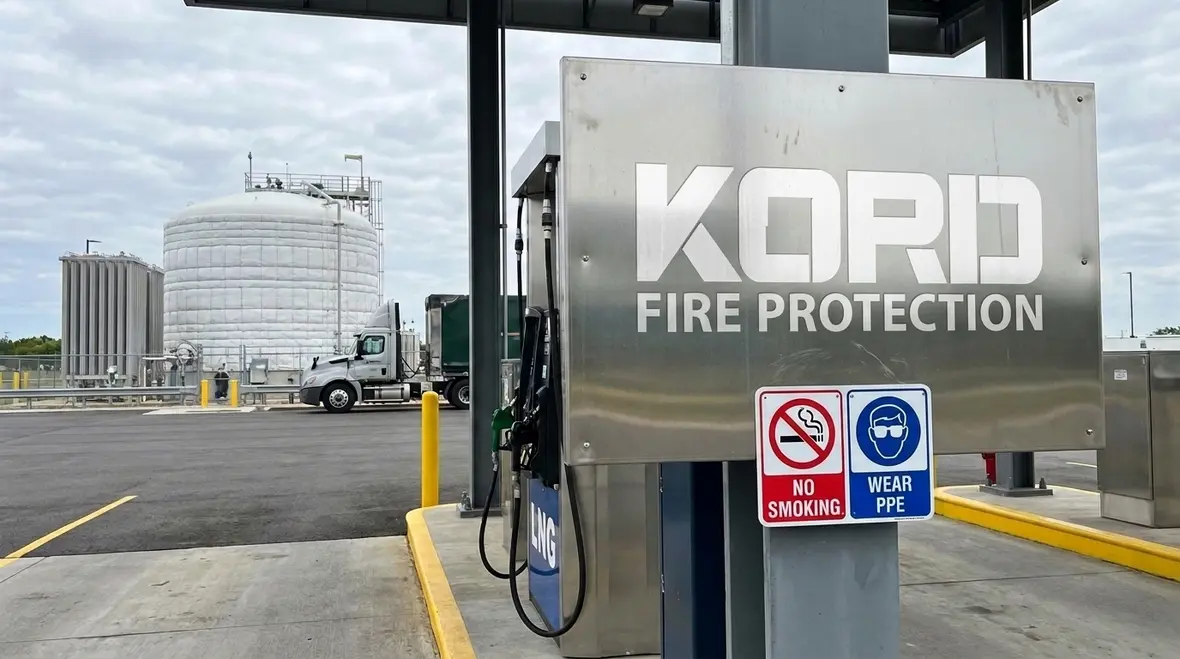
NFPA 52 Section 16.7: Signage for LNG Fueling Sites
Quick Answer
NFPA 52 Section 16.7 sets expectations for clear, durable, and correctly placed signage at LNG fueling sites. The intent is to inform responders, guide customer operations, and reduce ignition and safety hazards. Facilities must maintain visibility and compliance through routine inspection and documentation.
What does NFPA 52 LNG site signage requirements cover in practice?
NFPA 52 LNG site signage requirements focus on the communication system around an LNG fueling installation. Section 16.7 centers on warning and operational information that supports safe access, fueling, emergency response, and interface controls for personnel and the public. In commercial settings, the most common failures occur after construction, during repainting, equipment relocations, landscaping changes, or signage degradation from weather, cleaning chemicals, and vibration.
For many facilities, signage compliance becomes an operational program, not a one time installation. Kord Fire Protection typically supports owners with an ongoing process that includes verification of sign content, installation location and mounting methods, legibility at required viewing distances, and periodic condition checks.
For teams building a broader inspection and documentation workflow around LNG operations, Kord Fire Protection also offers related guidance on NFPA 52 LNG supplemental requirements for indoor stations, which fits naturally into the bigger compliance picture.
Where must LNG site signage be placed and why does location matter?
Effective signage depends on situational awareness. NFPA 52 Section 16.7 expects signage to support the specific hazards and operational decisions present at LNG fueling points. Location governs whether drivers, attendants, and first responders can understand the correct actions before they commit to a fueling step.
Common placement zones at LNG fueling sites
- Vehicle interface and fueling zones: Signs need to be visible where fueling decisions occur, including near access points, hose connection areas, and any controlled operating areas.
- Emergency access routes: Signs should reinforce safe movement and awareness of potential LNG hazards along approach and egress paths for emergency response.
- Equipment areas: Signs should identify high hazard equipment zones so personnel avoid inadvertent contact with cryogenic components and associated piping.
- Controls and shutdown interfaces: Signs must align with how operators execute safe start, stop, and emergency actions to reduce human error.
Why location is a compliance risk for commercial and retail sites
Retail and multi tenant industrial properties often face layout changes: bollard replacement, new dumpsters, updated drive paths, canopy reconfigurations, and landscaping modifications that block sightlines. Even when sign content remains correct, poor placement and lost visibility can create a gap in NFPA 52 LNG site signage requirements during inspections.
Kord Fire Protection commonly addresses these issues by coordinating signage verification with site walkdowns, checklists, and photo records that show each sign in context. This approach supports operational readiness, not just initial installation compliance.
What signage content must be clear, accurate, and consistent?
Section 16.7 emphasizes intelligibility and hazard communication. LNG fueling sites handle cryogenic liquids, pressurized systems, and specialized fueling procedures. Inconsistent or ambiguous signage increases the likelihood of incorrect handling, unsafe proximity, and delayed emergency recognition.
Operational information that must be usable under stress
Signage must support actions that personnel need to take quickly. In practice, that means content must match the actual site configuration and operating sequence. Common content categories include:
- Hazard warnings: Clear warnings for LNG hazards and safe approach limitations.
- Operational cautions: Guidance that reduces the chance of unsafe fueling steps, improper access, or equipment misuse.
- Emergency instructions: Directional and informational cues that help responders identify the site conditions and key areas.
Failure points that cause repeat noncompliance
- Out of date wording after equipment changes: New pumps, altered hose routing, reconfigured valves, or updated operating procedures can make old signage inaccurate.
- Unreadable text due to contrast or wear: Faded reflective coatings, peeling substrates, or worn braille and tactile indicators, where applicable.
- Sign conflicts: Multiple signs with differing messages can cause operational confusion, especially during alarms or emergencies.
Maintaining accuracy requires document control. Kord Fire Protection typically supports compliance programs by tying signage verification to equipment inventory, procedure updates, and inspection frequency, so signage remains synchronized with operational realities.
How do materials, durability, and maintenance affect signage compliance?
Even when signage text and placement comply, physical condition can fail. LNG fueling sites expose signage to harsh conditions including weather cycles, UV exposure, chemical cleaning agents, and mechanical impacts. Cryogenic and fueling operations can also bring unique site cleaning practices that degrade materials over time.
Durability considerations
- Substrate integrity: Signs must resist cracking, warping, corrosion, and delamination.
- Legibility over time: Text and symbols must stay visible at a practical site viewing distance and angle.
- Mounting hardware reliability: Loose mounts shift sign position, angle, and line of sight.
- Surface compatibility: Cleaning processes must not strip reflectivity, abrasion resistance, or protective coatings.
Maintenance and inspection mechanics for a working fueling site
Commercial LNG fueling sites typically need a maintenance program that includes:
- Routine condition checks: Verify legibility, illumination if used, and physical integrity.
- Post incident verification: Replace signs after vehicle impacts, hose strikes, or construction activity.
- Change management: Reconcile signage after any modification to equipment layout, access controls, or operating procedures.
For a complementary view of how facilities manage ongoing fire protection compliance and inspection readiness, refer to Kord Fire Protection’s guidance on fire suppression inspection workflows. LNG site signage functions as an essential layer of operational safety, similar to how fire protection system readiness depends on sustained maintenance.
How should facilities document and prepare for inspections under Section 16.7?
Inspections frequently look for more than the presence of signs. NFPA 52 LNG site signage requirements are best supported through evidence that signage remains correct, readable, and in the right places throughout the operational life of the site.
Inspection readiness practices that reduce findings
- Photo documentation: Maintain date stamped images showing each sign in its operational context.
- Sign inventory: Keep a sign map or list aligned with the site layout, including installation date and responsible maintenance owner.
- Maintenance records: Document cleaning methods used, replacements performed, and corrective actions taken after degradation.
- Procedure alignment: Confirm signage matches the latest written fueling and emergency procedures.
Typical inspection conversation points
Inspectors often ask whether signage remains functional after changes that commonly occur at commercial sites, such as remodeling, seasonal landscaping, and asset replacement. Kord Fire Protection supports many facilities by coordinating signage verification with broader fire and life safety programs, helping owners demonstrate proactive risk management.
Frequently Asked Questions
Conclusion and next steps
NFPA 52 Section 16.7 signage requirements work only when the full system remains accurate, visible, and maintained in real operating conditions. Facilities should verify sign content against current procedures, confirm placement with line of sight, and document condition checks over time. Kord Fire Protection can support your signage compliance program through inspection readiness planning, maintenance verification, and coordinated fire and life safety service. Contact Kord Fire Protection to schedule a compliance-focused site signage review.

Join Our Newsletter!
Get the latest fire safety tips delivered straight to your inbox From our Newsletter.


