
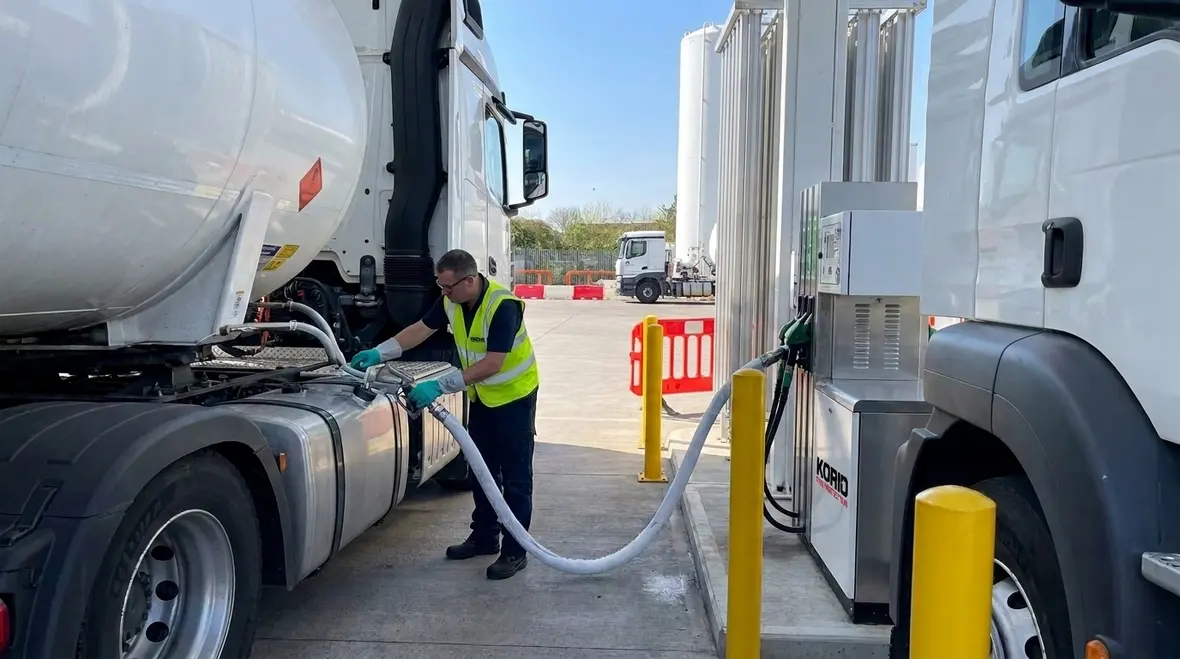
NFPA 52 Section 16.5: Vehicle Requirements at LNG Fueling Sites
Quick Answer
NFPA 52 Section 16.5 establishes specific vehicle requirements for LNG fueling sites to reduce ignition and hazardous release risks. The rules focus on vehicle suitability, fueling interface controls, safe operation, inspection, and ongoing maintenance. Site teams must verify compliance before vehicles enter fueling areas.
For facilities tightening inspection discipline across safety systems, Kord Fire Protection’s fire pump testing requirements guide is a useful related resource on how structured testing programs reduce operational surprises. ([kordfire.com](https://kordfire.com/fire-pump-testing-requirements-things-to-know/?utm_source=openai))
What does NFPA 52 Section 16.5 require for vehicles at LNG fueling sites?
NFPA 52 LNG site vehicle requirements address how vehicles interact with LNG fueling equipment and site hazards. In practice, compliance starts long before a vehicle arrives at the pad. Operators must control who can access the fueling area, confirm the vehicle is configured for LNG service, and ensure the fueling process uses the correct connections, procedures, and protective measures.
Because vehicle fueling interfaces vary by vehicle design and fueling station architecture, the site must manage both mechanical compatibility and procedural control. The most common failure points are not “noncompliance paperwork” issues, but operational gaps such as inadequate hose management, incomplete pre use inspections, or missed verification of safeguards during fueling.
Where vehicles fit into the fueling safety chain
LNG fueling sites rely on a layered safety approach: facility design, controlled access, equipment integrity, and disciplined operating procedures. Under NFPA 52 Section 16.5, vehicles become a critical link in that chain because they bring energized components and potential leak sources directly into controlled hazardous areas.
- Fueling interface control: Vehicles must connect using approved, properly rated interfaces. Incorrect mating components, damaged couplers, or improper adapters create leak pathways and escalation risk.
- Heat and cryogenic considerations: LNG is cryogenic. Vehicle components exposed during fueling must tolerate low temperatures, and hoses or seals must remain within their validated service limits.
- Ignition source management: Vehicle electrical systems, static generation, and ancillary equipment must not create ignition hazards within the fueling area.
- Operational discipline: The fueling operator must follow start, fueling, and stop steps exactly, including verification that abnormal conditions shut down safely.
Commercial facilities often struggle because vehicle fleets rotate frequently and driver training varies. A compliance program must therefore treat vehicle requirements as a living process, not a one time onboarding event.
Vehicle suitability and access control: the practical compliance challenge
NFPA 52 LNG site vehicle requirements typically translate into a clear access control framework. Site operators must ensure only approved LNG vehicles enter fueling areas and only under conditions that align with the fueling station’s intended design and operating envelope.
Key operational controls to implement
- Fleet onboarding and documentation: Maintain records that verify the vehicle is authorized for LNG service, including component ratings and installation status relevant to safe fueling.
- Physical condition checks: Require pre fueling checks focusing on visible damage, labeling, and the condition of fueling connections.
- Driver and procedure alignment: Ensure drivers understand site specific fueling zones, speed limits, parking positions, and how to respond to alarms.
- Segregation from non LNG equipment: Prevent unauthorized vehicles or equipment from entering the hazard controlled area.
At retail and industrial logistics sites, access control also intersects with business continuity. Delivery schedules compress time on site, which increases the chance that personnel will skip steps. A structured checklist and supervised fueling window helps reduce that risk.
Fueling interface and connection integrity: common failure points
Vehicle connections are a frequent root cause of incidents because they involve dynamic seals, coupler geometry, and procedural actions under time pressure. For NFPA 52 Section 16.5, compliance means the station and the vehicle must work together safely as a system.
Common issues that drive nonconformities
- Damaged or contaminated seals and gaskets: Even minor surface damage or debris can prevent proper sealing during cryogenic transfer.
- Improper coupler mating: Misalignment or incorrect components can create intermittent leaks that worsen as fueling progresses.
- Hose management failures: Kinks, abrasion, or incorrect resting positions can damage internal conductors or restrict flow.
- Incomplete pre fueling verification: Skipped checks for correct connection engagement and status indications can allow fueling to proceed under unsafe conditions.
Facility teams should treat fueling interface inspections as a standardized maintenance activity. That includes verifying the condition of the station side connectors and ensuring the vehicle side connection components remain within manufacturer and code expectations.
For broader guidance on safety practices across fire protection and hazard control, site operators should also review Kord Fire Protection resources and maintenance support at Kord Fire Protection. ([kordfire.com](https://kordfire.com/?utm_source=openai))
Inspection, testing, and maintenance requirements linked to vehicles
Vehicle compliance under NFPA 52 Section 16.5 does not end at acceptance. Ongoing inspection, testing, and maintenance reduce the chance of drift from safe operating conditions. Many commercial sites underestimate the time cost of maintenance documentation, but inspection discipline is what sustains compliance over multiple fueling seasons.
What to verify during compliance rounds
- Station connector integrity: Inspect couplers, seals, and interface components for wear, cracking, or deformation.
- Leak prevention elements: Confirm that protective measures and alarm pathways function as intended during fueling operations.
- Operational controls: Validate that shutoff and emergency response features perform correctly, especially during abnormal fueling scenarios.
- Maintenance intervals and records: Keep traceable records that show when items were inspected, serviced, or replaced.
Kord Fire Protection supports commercial operators by coordinating inspection readiness, maintenance planning, and compliance focused service. This reduces downtime and helps prevent findings caused by overdue service intervals or incomplete test evidence. ([kordfire.com](https://kordfire.com/?utm_source=openai))
How to build an NFPA 52 vehicle compliance program that works on real sites
Even well designed fueling stations can fail operationally if the vehicle compliance program does not reflect site conditions. NFPA 52 LNG site vehicle requirements should be implemented through practical controls that reduce variability from shift to shift.
A workable program includes
- Vehicle approval workflow: Define onboarding steps, required documentation, and criteria for approval or restriction.
- Standardized fueling checklists: Provide a step sequence that includes connection verification, status confirmation, and abnormal condition response.
- Training and competency verification: Confirm operators and drivers can execute fueling safely and recognize alarms and abnormal symptoms.
- Audit cadence: Perform periodic field audits to ensure procedures match actual operations, including hose handling and connection inspection.
- Corrective action tracking: Use a closed loop process for defects, failed checks, and repeat issue prevention.
For commercial, industrial, and retail facilities, this program becomes part of the facility standard. When implemented correctly, it supports safety, reduces disruptions, and improves inspection outcomes.
Frequently Asked Questions
Conclusion and call to action
NFPA 52 Section 16.5 vehicle requirements drive safer LNG fueling by controlling how vehicles interface with cryogenic equipment and hazardous areas. To protect people, assets, and uptime, implement a repeatable vehicle approval and inspection program, backed by documented maintenance and site audits. Contact Kord Fire Protection to support ongoing compliance planning, inspection readiness, and maintenance services tailored to commercial LNG fueling operations. ([kordfire.com](https://kordfire.com/?utm_source=openai))

Join Our Newsletter!
Get the latest fire safety tips delivered straight to your inbox From our Newsletter.


