
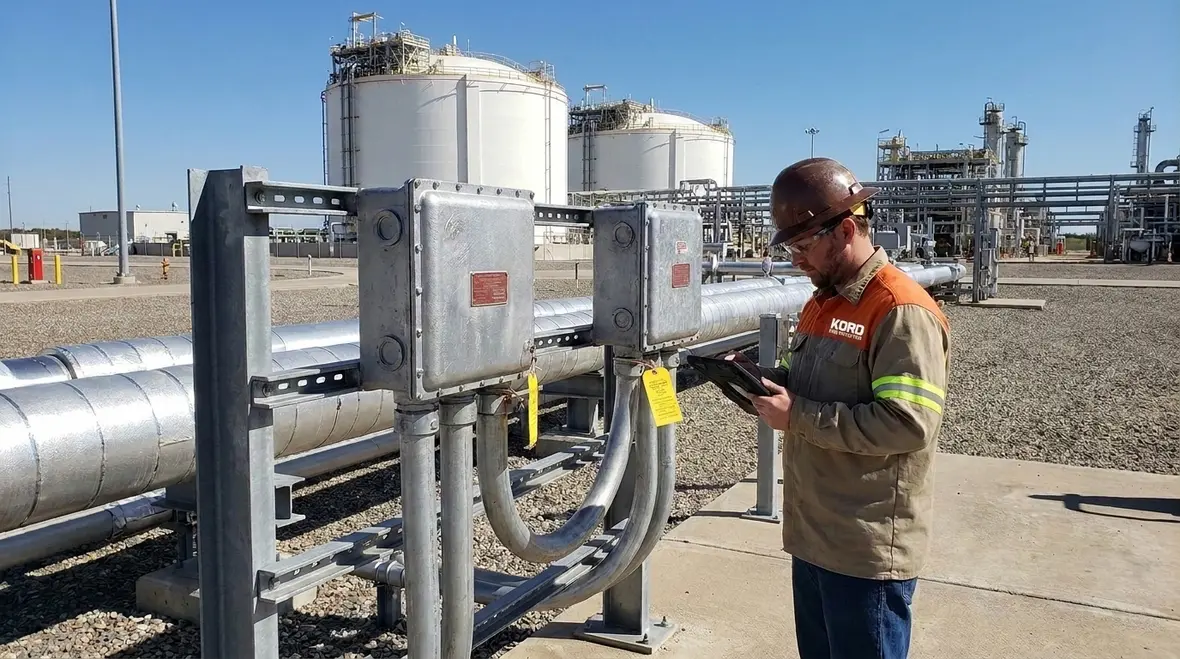
NFPA 52 Section 16.6: Electrical Area Classifications for LNG Sites
Quick Answer
NFPA 52 Section 16.6 establishes how LNG facilities classify electrical areas where flammable or ignitable gas atmospheres may be present. This includes determining hazardous locations based on likelihood, duration, and ventilation, then selecting compliant electrical equipment, installation methods, and maintenance practices to sustain safety over time.
The NFPA 52 LNG site electrical classification requirements apply to facilities handling liquefied natural gas, where cold vapor releases can create explosive atmospheres. For commercial LNG sites, the hardest part is often not the initial classification study, but maintaining accuracy as operating modes, maintenance activities, and equipment configurations change.
Facilities tightening classification controls often benefit from broader fire and electrical system support for compliance, especially when hazardous area documentation, equipment suitability, and field conditions all need to stay aligned through upgrades and inspections. ([kordfire.com](https://kordfire.com/fire-and-electrical-system-support-for-compliance/?utm_source=openai))
Why Electrical Area Classification Matters at LNG Facilities
LNG vaporization can produce flammable gas clouds when releases occur from valves, pumps, piping connections, storage tanks, pressure relief devices, or during transfer operations. When an ignition source exists within a flammable atmosphere, catastrophic consequences can follow. Electrical equipment that is not suitable for the classified environment can introduce ignition through sparks, hot surfaces, arcs, or static discharge.
NFPA 52 Section 16.6 ties the classification process to operational reality. A static label is not enough. The classification must reflect how gas accumulates, how quickly it disperses, and how often releases create conditions that exceed relevant concentration thresholds.
What NFPA 52 Section 16.6 Requires, Step by Step
Most LNG facilities manage hazardous electrical location requirements through a structured workflow. The workflow below aligns with typical compliance expectations under NFPA 52 Section 16.6 for electrical area classification.
1) Identify all potential release sources
Start with a detailed inventory of ignition risk and release points, including:
- Transfer hoses, manifolds, and loading arm connections
- Pumps, compressors, and seal areas
- Pressure relief devices and discharge routing
- Tank vents, pump seals, and gauge systems
- Flanges, unions, and maintenance isolation points
- Enclosures, pits, trenches, and enclosed cable routes
Classification depends on what can leak, how a leak behaves, and whether the area can trap gas during normal operations, abnormal operations, or maintenance.
2) Determine release frequency and duration
Electrical hazardous location boundaries depend heavily on how likely and how long flammable atmospheres are expected to occur. Facilities often misclassify because they only consider routine conditions and ignore operational modes such as:
- Start up and shutdown
- Valve repositioning and transfer system changes
- Maintenance activities that open lines or disturb gaskets
- Short duration upset events, such as alarms or safety shutdowns
3) Evaluate ventilation and dispersion
Dispersion analysis must address how LNG vapor behaves and how air movement changes conditions. Outdoor open areas often disperse more quickly than semi enclosed spaces, but wind sheltering, HVAC recirculation, and obstacles can create accumulation zones. Enclosed or partially enclosed spaces require particular attention because gas can collect near floor level or in low points depending on site layout and vapor behavior.
4) Define boundaries and select electrical equipment accordingly
Once areas are classified, the facility must ensure electrical equipment is suitable for the designated hazardous location and installed in a manner that prevents ignition hazards. This typically includes ensuring:
- Equipment has the proper hazardous location rating
- Wiring methods and seals maintain integrity where required
- Conduit entries and cable routing avoid creating unintended trapped zones
- Grounding and bonding controls are maintained to reduce static and fault hazards
Under NFPA 52 LNG site electrical classification requirements, the equipment selection and installation practices must reflect the classification study assumptions. When the physical plant differs from the study inputs, compliance gaps appear.
Where Classifications Commonly Fail in Real LNG Operations
In commercial, industrial, and retail LNG environments, the most frequent compliance issues typically occur after the initial study. NFPA 52 Section 16.6 drives the need for ongoing control, because the hazardous environment changes with the plant.
Misalignment between as built conditions and the classification drawing
Small changes can have outsized impact. Common examples include:
- Relocated cable trays or conduit routes
- Added cable penetrations through enclosures
- Modified vent discharge locations
- Changed equipment footprints or pipe reroutes during upgrades
If the classification drawing and site reality diverge, inspectors often treat the documentation as unreliable, which increases the risk of failed inspections.
Enclosure and ventilation assumptions no longer match operation
HVAC controls, dampers, or ventilation fans may be adjusted after commissioning. A space that previously dispersed gas safely can become a retention area if airflow is reduced or if maintenance disables ventilation. Facilities must ensure ventilation performance is maintained as a safety critical function.
Maintenance practices create “unclassified” exposure time windows
Many incidents occur during maintenance because line openings and temporary configurations can create conditions not captured in routine classification boundaries. If temporary hoses, open ports, or bypassed controls are used without operational safeguards, electrical equipment can be exposed to flammable atmospheres outside its rated zone.
Improper sealing and ingress protection around enclosures
Electrical equipment integrity matters. Damaged seals, incorrect gland installations, or compromised enclosure gaskets can permit flammable gas ingress. Over time, vibration and thermal cycling degrade components. Maintenance and inspection must address these mechanical failure points.
Maintenance, Testing, and Inspection: Keeping Compliance “True”
Electrical classification compliance is not a one time deliverable. The plant must sustain the classification basis through documentation control, preventive maintenance, and verification testing.
Document control and change management
NFPA 52 LNG site electrical classification requirements are typically supported by a classification study package that includes drawings, assumptions, and equipment lists. A change management process should trigger re evaluation when:
- New equipment is installed or equipment is modified
- Piping, venting, or discharge routing changes
- Ventilation configuration changes
- Operating procedures change, such as transfer frequency or shutdown timing
- Instrumentation or alarms change that alter release response behavior
Operational verification of electrical equipment condition
Facilities must verify that installed electrical equipment remains in the as rated condition. This usually includes:
- Inspection of seals, conduit fittings, and cable glands
- Verification of proper hazardous location labeling and documentation
- Functional checks of ventilation and associated control logic
- Assessment of corrosion, mechanical damage, and ingress points
Why Kord Fire Protection supports ongoing compliance
Kord Fire Protection helps commercial and industrial LNG operators keep life safety systems aligned with current requirements by providing practical, field focused inspection and maintenance support. This includes supporting documentation readiness, identifying common failure points during site walkthroughs, and partnering with facility teams to sustain safe operating conditions between major reviews.
If the site maintains equipment and procedures proactively, hazardous area compliance becomes a predictable program rather than an end of year scramble.
For related guidance on how hazardous area controls and testing integrate with site safety management, see P&IDs and electrical classifications for process safety compliance. ([kordfire.com](https://kordfire.com/pids-and-electrical-classifications-for-process-safety-compliance/?utm_source=openai))
How to Approach Inspections and Audits Without Surprises
Preparing for an Authority Having Jurisdiction review or an internal compliance audit requires alignment between three layers: the classification study, the field conditions, and the maintenance program.
Build an inspection ready package
An inspection ready package generally includes:
- Hazardous location classification study, including assumptions and methodology
- Hazardous location drawings and equipment schedules
- Equipment certifications and records of installation verification
- Ventilation documentation that supports dispersion assumptions
- Inspection and maintenance records for electrical enclosures, seals, and cable entries
Track evidence of “as operated” conditions
Auditors often ask for proof that the basis of classification stays valid. Maintain evidence that ventilation systems operate as intended, that change control is enforced, and that maintenance activities do not leave equipment in an unsafe temporary configuration.
Train operational staff and maintenance teams
Many failures come from process gaps. Staff should understand what the hazardous area boundaries mean and how to behave when equipment is opened, bypassed, or serviced. Clear procedures reduce the chance that maintenance inadvertently creates an ignition risk in a zone not protected by the correct electrical equipment.
Frequently Asked Questions
Conclusion and Call to Action
NFPA 52 Section 16.6 demands more than a one time hazardous location study. LNG operators must keep classifications aligned with as built conditions, actual operating modes, and maintenance practices. Kord Fire Protection can help your team sustain compliance through practical inspection support and documentation readiness. If your facility is planning an upgrade, preparing for an audit, or reviewing your electrical classification program, contact Kord Fire Protection to schedule a compliance focused assessment.
Teams also reviewing adjacent compliance obligations may want to read NFPA 52 Section 15.4: LNG facility maintenance requirements, which closely supports the inspection and documentation themes discussed here. ([kordfire.com](https://kordfire.com/nfpa-52-section-15-4-lng-facility-maintenance-requirements/?utm_source=openai))

Join Our Newsletter!
Get the latest fire safety tips delivered straight to your inbox From our Newsletter.


