
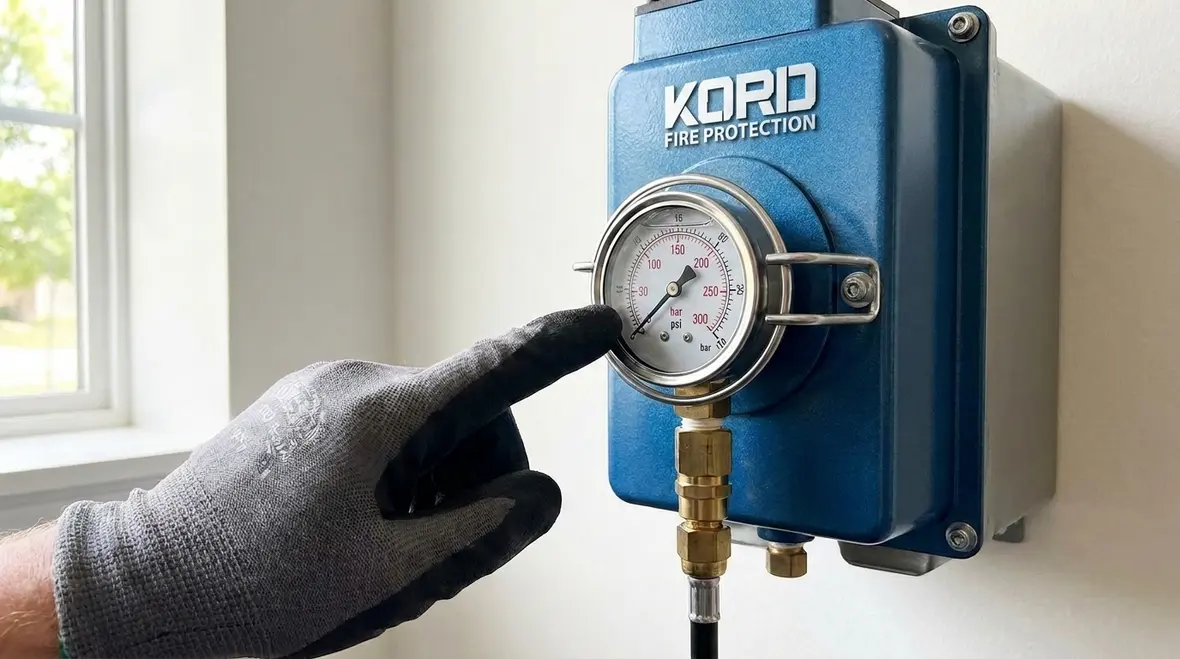
NFPA 52 Section 13.6: Installing Pressure Gauges on Residential CNG Systems
Quick Answer: NFPA 52 Section 13.6 addresses how pressure gauges must be installed on residential CNG systems to support safe, reliable monitoring. Proper gauge selection, placement, connection method, and protection from mechanical damage help facilities meet inspection expectations and reduce nuisance or misleading readings.
Facilities managing broader compliance programs may also benefit from reviewing full fire protection services to align gauge installation, inspection, and maintenance with a more organized long-term service plan.
Why Section 13.6 Matters for a Safe NFPA 52 residential CNG pressure gauge installation
Pressure gauges appear simple, but they often become the weak link in otherwise compliant CNG systems. NFPA 52 residential CNG pressure gauge installation requirements focus on ensuring gauges measure system pressure accurately, remain protected from damage, and do not introduce unsafe leaks or failure points. In commercial, industrial, and retail environments, even residential CNG systems can be installed, serviced, or maintained under facility quality programs, which means gauge work must align with broader compliance, labeling, and maintenance standards.
From an inspection standpoint, authorities typically look for evidence that the gauge reads correctly, that the gauge is rated for CNG service, that fittings and connection methods are compatible with natural gas systems, and that the installation will not compromise emergency shutdown, relief, or other safety devices.
What NFPA 52 Section 13.6 expects: gauge compatibility, placement, and connection
Section 13.6 centers on the performance and safety characteristics of the gauge assembly as installed on the system. While the exact gauge configuration may vary by system design, the compliance themes remain consistent: correct pressure range, safe materials and connections, secure mounting, and protected routing so the gauge cannot be damaged during normal operation or service.
Select a gauge rated for CNG service and the system pressure range
A common failure point involves installing a gauge with an incorrect pressure range or unsuitable sensing element. If the gauge scale is poorly matched to expected operating pressure or regulator outlet pressure, readings can become misleading. Misleading readings drive incorrect operational decisions and can also mask deterioration in regulators, valves, or tubing.
- Use gauges designed for natural gas service and compatible with CNG operating conditions.
- Confirm the pressure range supports normal operating pressures and relevant test or service pressures.
- Verify the gauge can tolerate cyclic pressure changes without erratic behavior.
Install at the correct location so it reflects the intended measurement point
Gauges must be placed where they represent the pressure the system intends to monitor. In practice, many installation errors occur after initial design or during retrofit work when tubing is rerouted, regulators are changed, or components are replaced. If the gauge is installed upstream or downstream of the wrong component, operational teams may misinterpret performance.
Facilities should treat gauge placement as a managed design attribute, not a convenience. Document the measurement point in commissioning records and confirm it matches the system layout used for verification testing.
Use approved connection methods that minimize leak risk
Connection methods matter as much as the gauge itself. Leaks around gauge connections can develop due to improper thread practices, missing seals, incompatible materials, or inadequate torque during installation. In commercial facility maintenance programs, these connection details also affect how quickly a technician can verify tightness during routine inspections.
- Match the connection type to the CNG system component interface.
- Use seals and thread practices compatible with gas service and the manufacturer’s instructions.
- Ensure secure mounting so vibration and thermal cycling do not loosen the fitting over time.
How to protect the gauge: mechanical damage, vibration, and tamper resistance
Pressure gauges often sit where they experience knocks, incidental impact, or vibration from nearby equipment. NFPA 52 residential CNG pressure gauge installation expectations effectively require that the installed assembly remain serviceable. If a gauge is damaged, it can stick, drift, or fail outright, which undermines both safety and quality assurance.
Mounting practices that reduce common damage modes
Technicians should mount gauges so that the case and glass are not exposed to routine traffic hazards. Where gauges are located near work areas, route tubing and protect the gauge with appropriate guards. Avoid installing gauges so that they become the structural tie point for tubing runs.
- Use rigid mounting brackets that do not stress the gauge connection.
- Avoid lever effects by supporting tubing near the gauge port.
- Consider protective housings in retail or maintenance accessible areas.
Prevent sticking and drift with proper handling and service intervals
Gauge sticking can produce delayed response or frozen readings. Drift can occur when the sensing element experiences overload conditions, contamination, or prolonged exposure to conditions beyond design specifications. A maintenance program should include periodic verification against a calibrated reference gauge when required by facility policy, manufacturer guidance, or inspection readiness needs.
For a broader maintenance mindset, Kord Fire’s overview of inspection, testing, and maintenance practices fits naturally with gauge verification planning and documentation discipline.
Inspection and verification: what inspectors and facility QA will look for
In real-world compliance, pressure gauge work does not end after installation. Inspection readiness depends on evidence that gauges are installed correctly and remain accurate over time. Kord Fire Protection typically supports facilities by aligning gauge maintenance and verification with commercial compliance expectations, including documentation, change control, and timely retesting.
Documentation that reduces inspection friction
Facilities should maintain records that include:
- Gauge make, model, and pressure rating information
- Installation date and who performed the work
- System component identification and the gauge measurement point description
- Any verification results, such as calibration checks or functional pressure comparisons
Operational verification to catch incorrect measurement and unsafe conditions
During verification, teams should check that the gauge responds normally as system pressure changes occur during regulator operation, controlled venting, or maintenance cycles (as applicable to the system design). If the gauge response is sluggish, erratic, or inconsistent with expected system behavior, the gauge or connection may require corrective action before the system returns to service.
Common failure points in residential CNG gauge installations and how to avoid them
Even when technicians follow good workmanship practices, recurring problems show up across facilities. These issues also become targets during inspection because they can lead to unsafe misinterpretation or leakage risks.
Misrange gauges and misleading readings
Gauges with an incorrect pressure range can appear to “work” while producing inaccurate scale interpretation. The result is operational confusion and inconsistent maintenance decisions.
Avoid it: verify pressure range selection during procurement, not during final setup.
Leaks at the gauge connection
Leak development can occur after service due to vibration loosening, seal mismatch, or improper installation technique.
Avoid it: use compatible fittings and seals, confirm torque, and perform tightness checks appropriate to the gas system configuration.
Gauge damage from handling and traffic
Gauges located where people frequently move, tool around, or store materials are at increased risk of impact damage.
Avoid it: apply protective mounting and guard the gauge where necessary for the site conditions.
Loss of accuracy from contamination or overload
Contamination inside gauge sensing pathways can degrade accuracy. Overpressure can deform sensing elements and lead to long-term drift.
Avoid it: follow manufacturer installation guidance, and avoid exposing gauges to uncontrolled pressure changes during maintenance.
Need ongoing compliance support? Kord Fire Protection services for gauge maintenance and readiness
Commercial and industrial facilities often manage compliance across multiple life safety and gas system components. Pressure gauges require ongoing readiness, accurate documentation, and repeatable verification practices to support safe operations and inspection outcomes. Kord Fire Protection helps facilities manage these requirements by supporting installation quality checks, periodic verification planning, and maintenance workflows that reduce compliance gaps.
For additional guidance and related compliance resources, review Kord Fire Protection’s services and contact the team to confirm an inspection and maintenance plan that fits your system and facility standards.
Frequently Asked Questions
Next step
Use this checklist to confirm your gauge selection, placement, connections, and protection meet NFPA 52 expectations. Then partner with Kord Fire Protection to build a repeatable verification and maintenance plan that supports inspection readiness, reduces leakage risk, and maintains accurate monitoring for ongoing safe CNG operations.

Join Our Newsletter!
Get the latest fire safety tips delivered straight to your inbox From our Newsletter.


