
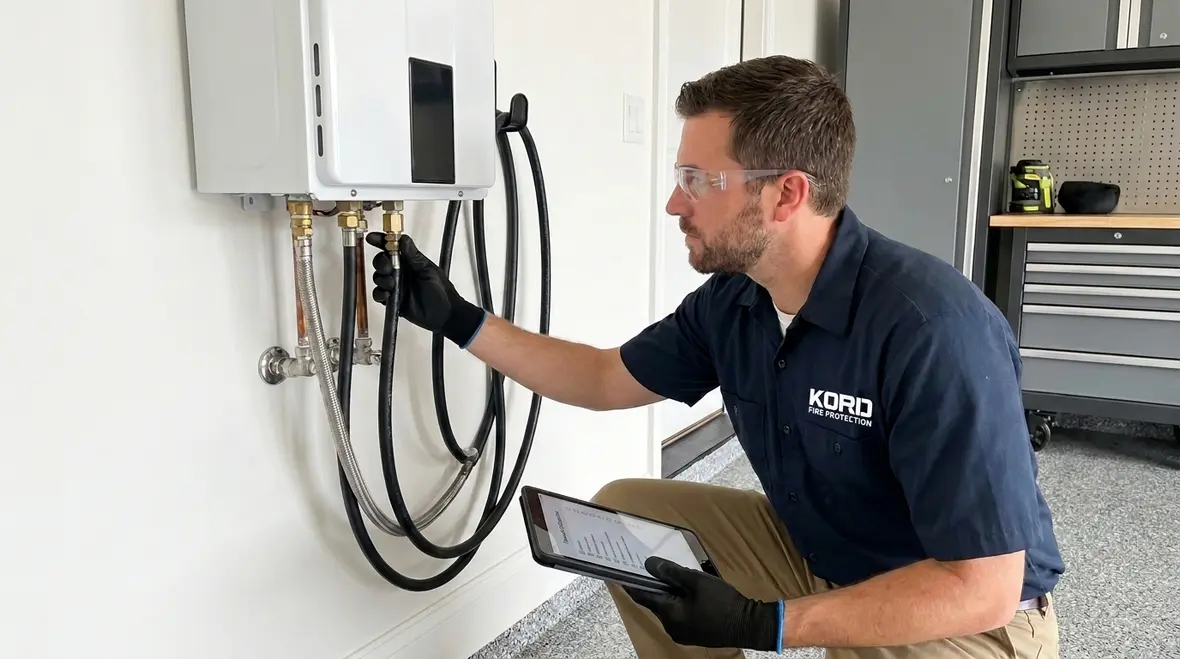
NFPA 52 Section 13.3: General Safety Requirements for Residential CNG Fueling
Quick Answer
NFPA 52 Section 13.3 establishes baseline safety controls for residential CNG fueling systems, focusing on safe equipment selection, installation practices, hazard mitigation, and ongoing readiness. It also clarifies how to prevent ignition sources, manage releases, and maintain system integrity through inspections and maintenance.
Why Section 13.3 Matters for NFPA 52 residential CNG general safety requirements
NFPA 52 residential CNG general safety requirements set the minimum safety standard for protecting people, property, and fueling operations when natural gas is stored and transferred at or near residential locations. For commercial and industrial stakeholders that support residential fueling through service contracts, installation oversight, or cylinder and compressor maintenance, Section 13.3 becomes the practical baseline for consistent compliance.
In real facilities, the most frequent compliance gaps do not come from missing “big-ticket” safety components. They come from how systems are maintained, how inspection findings are documented and corrected, and whether operational procedures remain aligned with the actual hardware configuration after repairs or part replacements. This is where fire and life safety partners, including Kord Fire Protection, add measurable value by running inspection and maintenance programs that keep the system working as safely designed.
For a practical look at how disciplined testing, inspection routines, and documentation support system readiness in the field, see fire pump testing requirements and what to know.
What Section 13.3 covers at the operational level
While Section 13.3 is a general safety requirements section, it functions as an operational rule set. It addresses how fueling equipment should be safeguarded during normal operation and during foreseeable abnormal conditions, such as regulator issues, hose problems, connector malfunctions, or unintended gas releases. The intent is to prevent ignition, limit the consequences of leaks, and ensure the fueling system remains safe throughout its lifecycle.
How NFPA 52 residential fueling systems reduce ignition and release hazards
General safety requirements typically converge on two outcomes: eliminate ignition potential and control or mitigate gas release. For residential CNG fueling, both outcomes depend on design features and on day to day condition of the system components.
Ignition source management and electrical safety
Ignition control in CNG fueling environments starts with ensuring electrical and ignition risk is managed where gas could accumulate. Even when a fueling station is residential, the practical approach is the same as for larger CNG sites: treat locations where gas may be present as hazardous areas based on the system’s behavior, not just the building type. Key operational expectations include:
- Using equipment with appropriate ratings for the environment and operating conditions.
- Maintaining wiring terminations, enclosures, and grounding continuity after maintenance events.
- Preventing loose connections and damaged insulation that can create intermittent faults.
- Ensuring any portable or temporary electrical tools follow a controlled policy when near fueling operations.
Common failure points include corrosion at connectors, water intrusion into enclosures, and “informal” changes made during troubleshooting. These issues often surface during periodic inspections, and they are frequently missed when testing focuses only on pressure readings rather than physical inspection of ignition risk controls.
Release control: leak prevention, detection, and response readiness
CNG release hazards are managed by limiting leak paths, maintaining sealing surfaces, and ensuring that the response workflow is clear. Even “small” leaks matter because natural gas can form flammable mixtures when ventilation is insufficient or when releases occur near ignition sources.
Section 13.3 general safety intent supports disciplined release management through:
- Proper installation and secure mounting of components to resist vibration and thermal cycling.
- Condition checks for hoses, fittings, and connectors for wear, cracking, or loss of sealing performance.
- Verification that shutoff functions and interlocks remain reliable after repairs.
- Training that defines what operators do immediately after a suspected leak or abnormal indication.
Commercial service providers should align their procedures with the actual fueling hardware configuration. When the maintenance scope uses standardized checklists, service teams need to update those checklists after component substitutions so the “as found” system is properly assessed.
What inspection and maintenance look like in practice under Section 13.3
General safety requirements only hold value if the system is continuously maintained. Inspection and maintenance procedures should cover both performance and condition. For CNG fueling equipment, the distinction matters because a system can show acceptable pressure behavior while still having deterioration at seals, couplings, or protective components.
Inspection: what to verify beyond basic pressure readings
Effective inspections typically include visible and functional checks, such as:
- Visual inspection of cylinders, valves, and regulators for physical damage, corrosion, or improper mounting.
- Condition assessment of hoses and flexible connections for cracking, abrasion, or end fitting damage.
- Verification that protective covers, shielding, and barriers remain in place and intact.
- Assessment of connector interfaces for contamination and correct seating.
Teams should also confirm that required labeling and hazard communication remain current. In many residential contexts supported by commercial contractors, labeling is reduced or overwritten during landscaping, remodeling, or equipment access changes. This can create operational confusion during emergencies.
Maintenance: managing wear, sealing integrity, and post repair verification
Maintenance under NFPA 52 residential CNG general safety requirements should treat sealing components as safety critical. After any repair that involves seals, fittings, regulators, or connectors, maintenance must include post repair verification that ensures leak tightness and proper function.
Common maintenance failure points include:
- Incomplete torque application or inconsistent tightening practices.
- Reusing components that have exceeded their service life or show surface wear.
- Skipping detailed checks that confirm correct alignment and seating after reinstallation.
- Not updating operating procedures after equipment changes.
Kord Fire Protection supports commercial, industrial, and retail facilities that maintain or oversee fueling assets by providing inspection and testing processes that focus on condition, documentation, and correction tracking. That approach helps reduce compliance drift over time, especially when multiple service vendors touch the system.
Operational procedures: keeping residential fueling safe during normal use
Even when the equipment is installed to specification, daily operations determine whether the system remains safe. Section 13.3 encourages operational discipline because the human factors element is a common source of incidents.
Standard fueling workflow and access control
Operational safety improves when fueling follows a defined sequence that prevents unsafe states. Facilities should ensure:
- Clear start and stop steps that align with the equipment’s control logic.
- Controlled access around fueling equipment during active fueling and immediate post fueling periods.
- Immediate interruption of operations when abnormal behavior is observed, such as unusual sound, regulator instability, or suspected leakage.
Residential environments frequently include variable conditions such as children playing nearby, pets roaming, or temporary obstructions like vehicles parked too close. Commercial operators supporting residential fueling should treat these as part of the risk picture and ensure site rules address them.
Emergency readiness and abnormal condition responses
General safety requirements also translate into emergency readiness. The fueling system should be paired with a practical response workflow that includes:
- Recognition cues for suspected leaks and safe shutdown actions.
- Clear instructions on evacuation and restriction of ignition sources.
- Coordination expectations for local responders, including how to communicate the nature of the hazard.
For larger organizations managing multiple fueling sites, emergency workflows should be standardized and audited. For residential fueling specifically, the most common weakness is inconsistent communication after a change in service provider or after system modifications.
Compliance challenges for commercial facilities supporting residential CNG
Section 13.3 is written for residential fueling safety, but compliance becomes more complex when commercial teams provide installation, inspection, maintenance, or oversight. Facilities often manage mixed responsibility lines, including who verifies corrective actions and who maintains the maintenance history.
Version control, documentation, and “as built” alignment
A frequent compliance challenge is maintaining alignment between the installed equipment and the documented procedures. If valves, regulators, or connectors are replaced with components that differ in make, model, or configuration, the operational and inspection procedures must reflect the “as built” system.
Strong compliance programs include:
- Documenting component changes and linking them to inspection checkpoints.
- Tracking corrective actions to completion, not just recording findings.
- Maintaining maintenance history in a format that service teams can use quickly on site.
Maintenance vendor coordination and quality consistency
Commercial and industrial operators frequently use multiple service vendors. When handoffs occur, the system can experience missed steps. These missed steps are often not major technical failures but rather small procedural gaps that degrade safety margins, such as incomplete visual checks, inconsistent connector inspection, or failure to verify leak tightness after work.
Kord Fire Protection helps organizations maintain a reliable compliance pathway by supporting ongoing testing and maintenance practices that focus on safety-critical details. For additional guidance on maintaining fire protection assets through consistent service, see Kord Fire Protection’s fire pump services.
Common failure points to watch during audits of NFPA 52 general safety requirements
Audits that focus only on whether equipment exists often miss the real risk drivers. The highest value audits look for degradation in condition and discipline in procedures.
Physical condition drift
- Hose abrasion or end fitting damage from handling and environmental exposure.
- Connector surface contamination that can affect sealing performance.
- Corrosion and water intrusion around valves, regulators, or enclosures.
Procedural drift after repairs or upgrades
- Return to normal fueling steps without confirming restored safe state.
- Missing or outdated labeling that causes operator confusion.
- Inspection checklists that do not match the updated hardware configuration.
Incomplete documentation and corrective action closure
- Findings not categorized by severity and time to correction.
- Corrective actions performed but not verified to the required standard.
- Maintenance histories not updated, making future troubleshooting less effective.
Frequently Asked Questions
Conclusion and Call to Action
NFPA 52 Section 13.3 establishes the baseline for safe residential CNG fueling, but compliance depends on disciplined inspections, reliable maintenance, and verification after repairs. If you oversee residential fueling operations or manage service programs across commercial and residential assets, schedule an assessment with Kord Fire Protection to strengthen inspection readiness, improve documentation quality, and close corrective actions before they become risk. Take the next step now and protect your fueling operations with proven, safety focused support.

Join Our Newsletter!
Get the latest fire safety tips delivered straight to your inbox From our Newsletter.


