
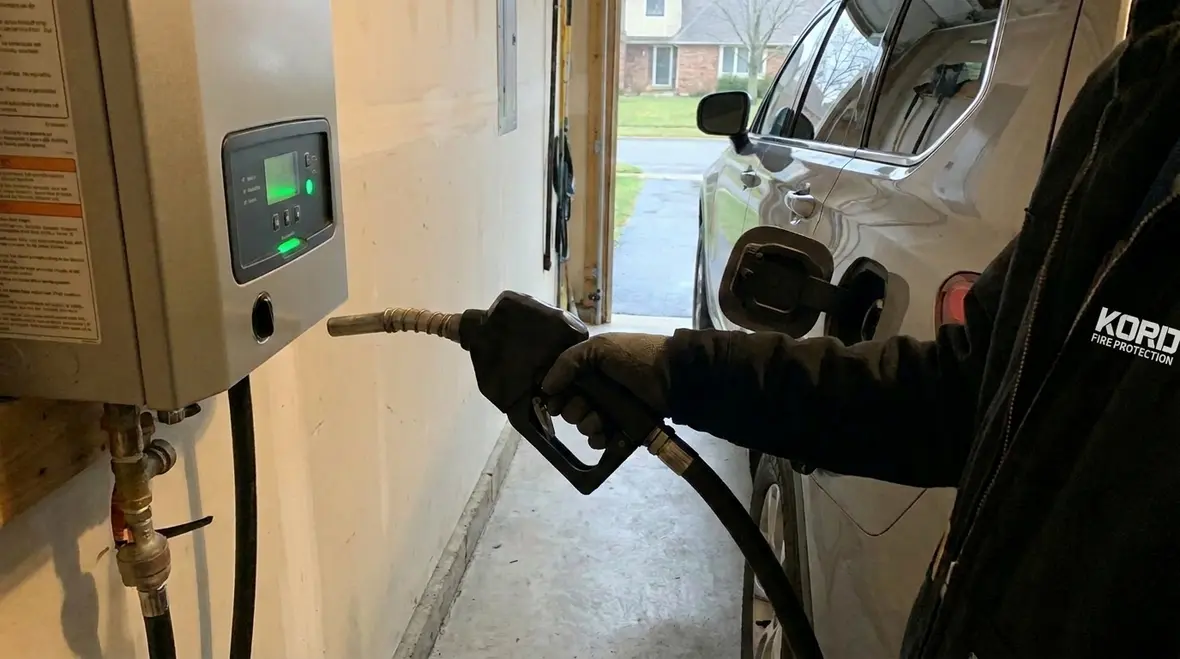
NFPA 52 Section 13.10: Operation of Residential CNG Fueling Appliances
Quick Answer
NFPA 52 Section 13.10 sets operational requirements that ensure residential CNG fueling appliances operate safely and consistently. The standard emphasizes controlled fueling, correct appliance status, leak risk management, and maintenance to keep components within tested performance limits.
For a closely related look at outdoor CNG compliance issues, see NFPA 52 Section 10.4: CNG Dispensing Equipment and Practices Outdoors.
Why NFPA 52 Section 13.10 matters for safe residential CNG fueling appliance operation
NFPA 52 residential CNG fueling appliance operation is not only a residential concern. Many commercial sites support these systems through installation oversight, shared maintenance resources, third party testing, and compliance documentation for fleet or contractor activities. For commercial, industrial, and retail facilities, misunderstanding appliance operation can lead to routine failures that escalate into nuisance shutdowns, unsafe conditions, or delayed service response.
Section 13.10 focuses on how the appliance is expected to behave during fueling and in normal use, not just how it is constructed. That distinction drives practical compliance work: operators must use the appliance as intended, the system must remain within required operating conditions, and the appliance must be kept in reliable working order through inspections and maintenance.
What Section 13.10 expects during day to day fueling
1) Controlled start, authorization, and system readiness
Safe appliance operation begins before any gas flow occurs. NFPA 52 residential CNG fueling appliance operation expects operators to confirm the appliance is in a ready state and that all safety functions that must control fueling are available. Operational readiness commonly includes verifying that the fueling connection and associated interfaces are properly seated, the fueling control functions respond correctly, and the appliance indicates normal status rather than a fault or abnormal condition.
Operational practice matters because fueling failures often begin as “minor” interface problems, such as contamination at the coupling interface or a connector not fully engaged. These issues can cause slow flow, repeated retries, or fueling aborts that operators may be tempted to work around, which increases risk.
2) Fueling sequence control and interruption handling
During fueling, the appliance must regulate flow according to its design limits and safety logic. Section 13.10 addresses operation principles that prevent uncontrolled release and ensure the system can manage interruptions such as a stopped vehicle, abnormal pressure behavior, or an interruption signal that should stop fueling.
Operational interruption handling is a frequent weak point in field practice. Some systems rely on valves, pressure sensing, and control logic that must remain calibrated and responsive. When those elements degrade, operators may observe abnormal fueling behavior or find that safety functions do not respond predictably. Good documentation and troubleshooting discipline prevents repeated “manual workarounds” that bypass protective intent.
3) Correct end of fueling and secure disconnect
Safe operation includes what happens after the fueling session ends. The appliance and the operator must complete the shutdown sequence and disconnect in a way that does not create unnecessary leakage or damage to components. End of fueling procedures must align with the appliance instructions and any operational prompts provided by the system.
In practical facility operations, the most common end of session issues include incomplete shutdown, improper disconnect technique, and use of damaged connectors or sealing surfaces. These failures tend to show up as recurring minor leakage events, degraded coupling performance, or accelerated wear of seals.
Common compliance challenges commercial, industrial, and retail teams face
Even when the appliance is “residential,” commercial facilities often become the compliance backbone by managing contractors, tracking testing schedules, and maintaining documentation. The following challenges typically surface during audits, incident reviews, and ongoing inspections.
Operator behavior that contradicts the intended fueling sequence
Section 13.10 operational expectations can be undermined by operator shortcuts. Examples include restarting after a fault without a required clearance step, overriding interlocks, or repeatedly attempting a coupling connection that does not seat correctly. Commercial teams should treat fueling logs and fault history as compliance evidence, not merely maintenance artifacts.
Maintenance gaps that create “operational drift”
Operational drift happens when maintenance intervals are missed or when parts are replaced without verifying performance. The result can be slower valve response, altered pressure sensing behavior, or inconsistent control logic feedback. These issues often manifest during real fueling events rather than during routine visual checks.
Documentation and traceability problems
Inspections and maintenance must be traceable to date, technician, and scope. Commercial facilities that support multiple sites need a consistent record framework. A weak record chain makes it difficult to demonstrate that NFPA 52 residential CNG fueling appliance operation aligned with required safety practices and that maintenance restored the appliance to compliant condition.
Inspection and maintenance actions that support correct operation under Section 13.10
Operational compliance depends on more than following procedures. It also depends on ensuring that the appliance components continue to perform within design intent. Commercial partners should align inspection and maintenance with the appliance manufacturer’s instructions and applicable NFPA expectations for safe operation.
Leak risk controls and connector integrity
Many operational problems trace back to leakage risk at the fueling interface. Maintenance activities should focus on connector condition, sealing components, and the cleanliness of coupling surfaces. Any sign of repeated incomplete seating should trigger corrective action rather than continued fueling attempts.
Valve response, pressure sensing, and control reliability
Operational safety functions depend on valve actuation speed and pressure sensor accuracy. When these elements degrade, the appliance may behave inconsistently during start, fueling regulation, and shutdown. A practical maintenance program includes verification steps that confirm correct response and fault behavior.
Fault codes, abnormal operation indicators, and corrective workflow
Section 13.10 operational intent includes preventing continued unsafe use after abnormal indicators appear. Maintenance teams should implement a corrective workflow that includes reviewing fault history, verifying root cause, documenting corrective actions, and returning the appliance to service only after the issue is resolved.
How Kord Fire Protection supports ongoing compliance and safe operation
Kord Fire Protection helps commercial, industrial, and retail facilities manage CNG fueling appliance compliance through inspection planning, testing coordination, and maintenance support. For operators supporting residential CNG systems directly or indirectly, Kord Fire Protection builds a repeatable compliance framework that strengthens documentation, reduces operational surprises, and supports safe fueling outcomes.
To learn more about broader gas safety considerations, visit Flamefast Gas Safety and Fire Protection Systems Explained or explore Kord Fire Protection.
NFPA 52 Section 13.10 operation checklist: practical steps before the next fueling
- Confirm the appliance indicates a normal ready status and no active fault condition exists before initiating fueling.
- Verify correct connector engagement and inspect sealing surfaces for damage, contamination, or wear that could cause incomplete seating.
- Use the appliance controls as intended and avoid repeated fueling attempts when the system does not achieve expected fueling behavior.
- Monitor for abnormal fueling behavior that suggests valve response issues or inconsistent pressure sensing.
- Ensure end of fueling and disconnect steps follow the appliance sequence to reduce leakage risk and prevent connector damage.
- Maintain a traceable record of inspections, corrective actions, and return to service decisions.
Frequently Asked Questions
Conclusion and Call to Action
NFPA 52 Section 13.10 operational requirements protect people by ensuring residential CNG fueling appliances fuel safely, stop safely, and remain dependable through maintenance. If your organization supports installations, contractor workflows, or compliance documentation, partner with Kord Fire Protection to build an inspection and maintenance program that strengthens operational readiness, fault response discipline, and traceable return to service decisions. Schedule an assessment before the next compliance cycle to reduce operational risk.

Join Our Newsletter!
Get the latest fire safety tips delivered straight to your inbox From our Newsletter.


