
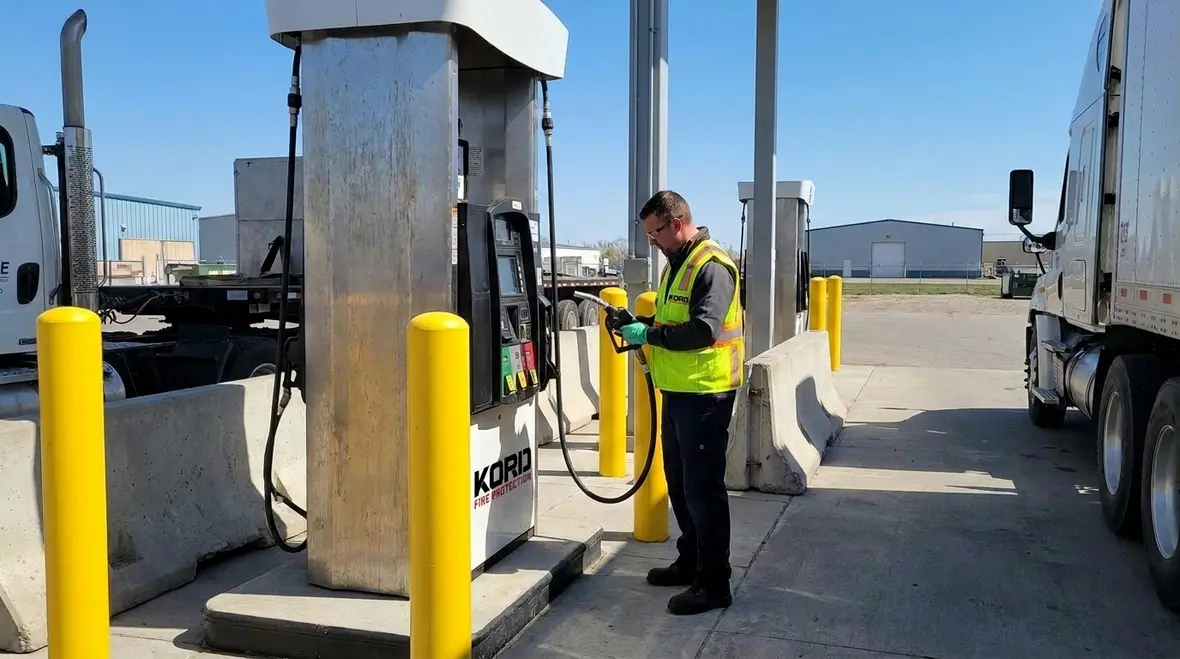
NFPA 52 Section 10.4: CNG Dispensing Equipment and Practices Outdoors
Quick Answer
NFPA 52 Section 10.4 establishes minimum safety requirements for CNG dispensing equipment and outdoor dispensing practices. It focuses on protecting equipment, maintaining safe distances and ventilation, controlling ignition hazards, and ensuring inspection and operational readiness through documented testing and maintenance.
Navigating NFPA 52 outdoor CNG dispensing requirements is a practical compliance task, not just a code reading exercise. Outdoor installations expose equipment to weather extremes, mechanical damage, contamination, and higher operational variability. Section 10.4 addresses these realities by requiring design and operational controls that keep the facility safe during normal dispensing, maintenance activity, and credible fault conditions.
For related planning, many operators also strengthen their broader CNG facility operations and maintenance program so outdoor dispensing procedures stay aligned with inspection cycles, corrective actions, and documentation practices.
What NFPA 52 Section 10.4 Covers for Outdoor CNG Dispensing
NFPA 52 Section 10.4 applies to the systems that allow compressed natural gas to transfer from storage to the vehicle fueling connection outdoors, along with the practices that support safe operation. For commercial facilities, the section is often where design intent meets field performance. Inspectors and AHJs typically look for evidence that outdoor components operate as intended in real world conditions, including temperature swings, wind driven debris, moisture intrusion, and traffic or vehicle proximity impacts.
From a compliance perspective, Section 10.4 expectations usually manifest in four operational themes:
- Equipment placement and protection against physical damage and environmental exposure.
- Gas leak control measures and safe ventilation behavior.
- Prevention of ignition sources in hazardous areas.
- Ongoing readiness through inspections, testing, and documented maintenance.
Equipment Protection Outdoors: Placement, Shielding, and Mechanical Integrity
Outdoor dispensing equipment faces hazards that indoor systems do not. Mechanical strikes from vehicles, carts, forklifts, debris, and snowplow operations can damage tubing, valves, dispensers, and protective enclosures. Water intrusion can degrade seals, corrosion can seize fittings, and UV exposure can reduce the service life of some nonmetallic components.
NFPA 52 outdoor CNG dispensing requirements typically drive facility standards for:
- Robust physical protection of dispensing hardware, including protection of exposed components from impact.
- Integrity of enclosures and fittings to resist moisture intrusion and keep connections leak tight.
- Correct routing and support of tubing to reduce stress, vibration fatigue, and strain at connection points.
- Clearances and access to support safe operation, emergency response, and inspection without unsafe workarounds.
Common field failure points include loose or improperly supported fittings after maintenance, damaged conduit or cable seals, corrosion at water traps, and missing or degraded protective guards. These issues often appear after seasonal operations or after contractors replace parts without confirming the original equipment manufacturer configuration.
Kord Fire Protection supports commercial sites by coordinating routine inspection and maintenance planning with your operating schedule. This reduces the likelihood that field changes or seasonal wear go unnoticed between fueling events.
Outdoor Dispensing Practices: Safe Operations, Leak Control, and Ignition Prevention
NFPA 52 Section 10.4 is not limited to what the equipment is. It also governs how the facility operates the dispensing process outdoors. The operational challenge is that outdoors, normal fueling procedures occur in proximity to environmental ignition potential, traffic patterns, and varying work activity around the dispenser.
Operational controls that matter most
- Leak management discipline: Staff must recognize abnormal conditions, stop operations when indicated, and follow the site procedure for incident handling and equipment shutdown.
- Ignition source management: Facilities must prevent ignition capable devices and activities from introducing hazards within designated hazardous locations and during maintenance.
- Grounding and bonding integrity: Outdoor fueling increases exposure to static and lightning related concerns. Maintaining system grounding continuity helps reduce risk during fueling and fault conditions.
- Vehicle interface controls: Proper fueling hose and connection procedures protect against damaged couplings and unsafe gas release during connection and disconnect.
One of the most common compliance gaps is not a missing component, but inconsistent practice. For example, a dispenser can be correctly installed and still operate unsafely if staff do not follow connection guidance, if signage is damaged or absent, or if temporary work changes the hazard profile around the dispenser.
Kord Fire Protection helps commercial, industrial, and retail operators standardize practices through inspection programs and maintenance verification. That approach supports consistent readiness, not just one time pass results.
Facilities reviewing ignition and detection risks may also find it useful to compare these outdoor concerns with NFPA 52 special hazard requirements for CNG facilities, especially when multiple gas safety controls overlap across the site.
Inspections and Maintenance: How NFPA 52 Requirements Show Up in Records
Outdoor CNG systems require continuous operational confidence. NFPA 52 outdoor CNG dispensing requirements typically translate into inspection and maintenance expectations that include verification of leak tightness, equipment condition, correct operation of valves and controls, and confirmation that protective features remain functional.
From a field readiness standpoint, commercial facilities should expect periodic evaluation of the following categories:
- Dispensing hardware condition: hoses, couplings, regulators, valves, and dispenser internals.
- Enclosure and component seals: gaskets, conduit seals, and cable entry points exposed to rain and condensation.
- Gas detection and related controls: if present at the facility level, controls must function as intended and alarms must be verified per the applicable program.
- Protective barriers and clearances: impact protection and safe access must remain unobstructed and intact.
Inspection findings often cluster around:
- Moisture related degradation that affects electrical controls and sensor interfaces.
- Corrosion and abrasion at connection points from repeated temperature cycling.
- Improper reassembly after repairs, including incorrect torque practices and missing protective covers.
- Operational drift where procedures are followed less strictly due to staffing turnover or contractor activity.
Strong documentation is a core part of compliance. Records should clearly link inspection results to corrective actions and include enough detail to demonstrate repeatable risk control. Kord Fire Protection coordinates testing and maintenance verification so your facility documentation aligns with what inspectors and insurance partners expect.
For broader gas safety planning, facilities frequently also align their program with related guidance such as Kord Fire Protection commercial fire and safety services to maintain consistent inspection cycles across equipment types.
Common Compliance Challenges at Outdoor Sites and How to Fix Them
Outdoor CNG dispensing equipment can be compliant on paper and still fail in practice due to environmental stress and operational variability. The following issues show up often during reviews and field observations.
1) Seasonal impacts that degrade connections and seals
Freeze thaw cycles can stress fittings and gaskets, while heat and UV exposure can age certain nonmetallic components. The fix is scheduled inspection timed to seasonal transitions and rapid replacement of any components that show wear or loss of integrity.
2) Physical damage from site logistics
Impact from mobile equipment, debris, or routine maintenance traffic can weaken protective devices or shift tubing supports. The fix is to verify impact protection placement, review site traffic routes, and ensure that maintenance access does not compromise hazardous area controls.
3) Inconsistent fueling or maintenance procedures
Staff changes, contractor turnover, and informal workarounds lead to inconsistent practices. The fix is training reinforcement tied to your written procedures and verification that real world operations match the documented method.
4) Record gaps that obscure ongoing risk control
If records do not clearly demonstrate inspections, findings, and corrective action completion, compliance can stall. The fix is to standardize inspection forms, photo documentation, and closure workflows so the record reflects actual equipment condition.
Kord Fire Protection supports these corrective actions by providing disciplined inspection and maintenance programs built for commercial environments where downtime, staffing, and operational continuity matter.
Frequently Asked Questions
Take Action Now
Facilities should verify that outdoor equipment protection, leak control, ignition prevention, and operational procedures align with NFPA 52 Section 10.4. Then confirm inspection and maintenance records show what was checked, what was found, and how corrective actions were closed. Partner with Kord Fire Protection to strengthen your compliance posture through ongoing testing, field verification, and documentation support designed for commercial fueling operations.

Join Our Newsletter!
Get the latest fire safety tips delivered straight to your inbox From our Newsletter.


