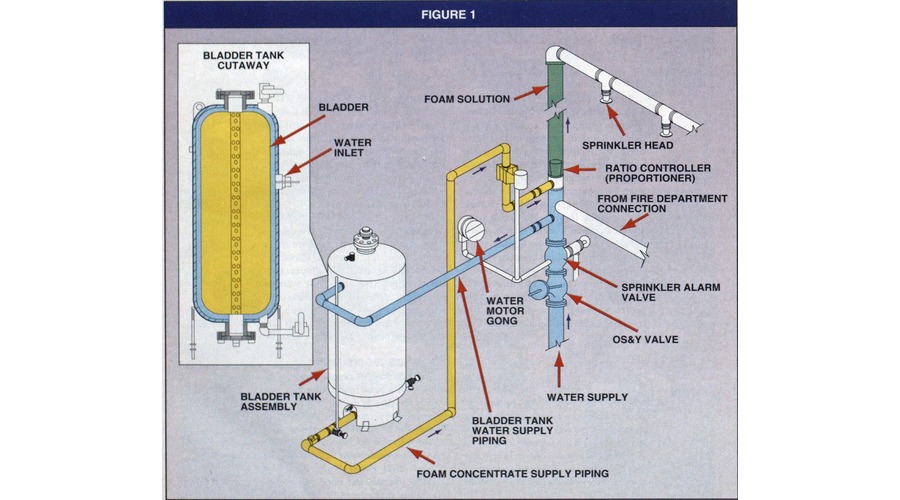
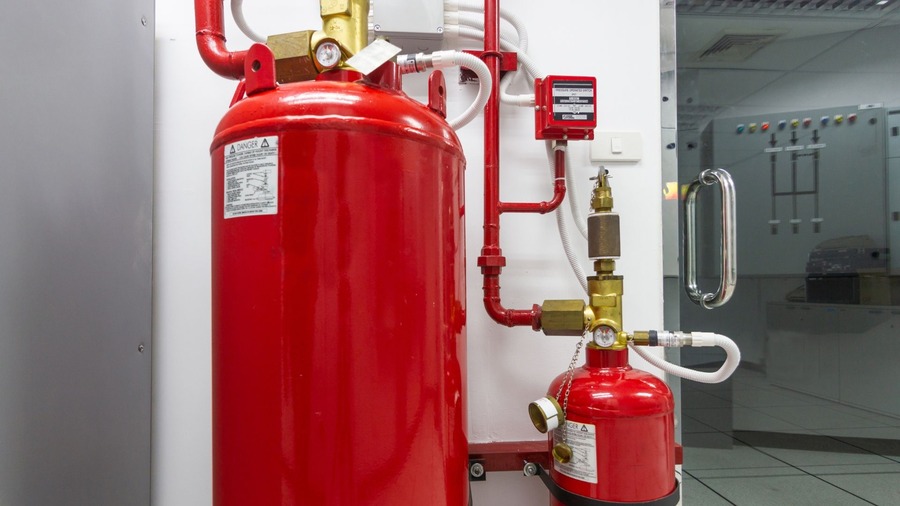
Flamefast Fire Systems and gas safety and fire protection systems in plain language
Flamefast Fire Systems help buildings manage risk by pairing smart detection with fast action, supporting gas safety and fire protection systems where natural gas, propane, or similar fuels are present. And yes, people often think fire protection is just a loud alarm and a hope. However, modern systems take control: they spot dangerous conditions, shut down or limit hazards, and protect people and property before a small problem becomes a big story on the evening news. In the same way, kord fire protection technicians explain the “why” behind the design, so facility teams understand what the equipment does, what it does not do, and what to expect during service.
Overview of How It Works: detection, control, and quick response
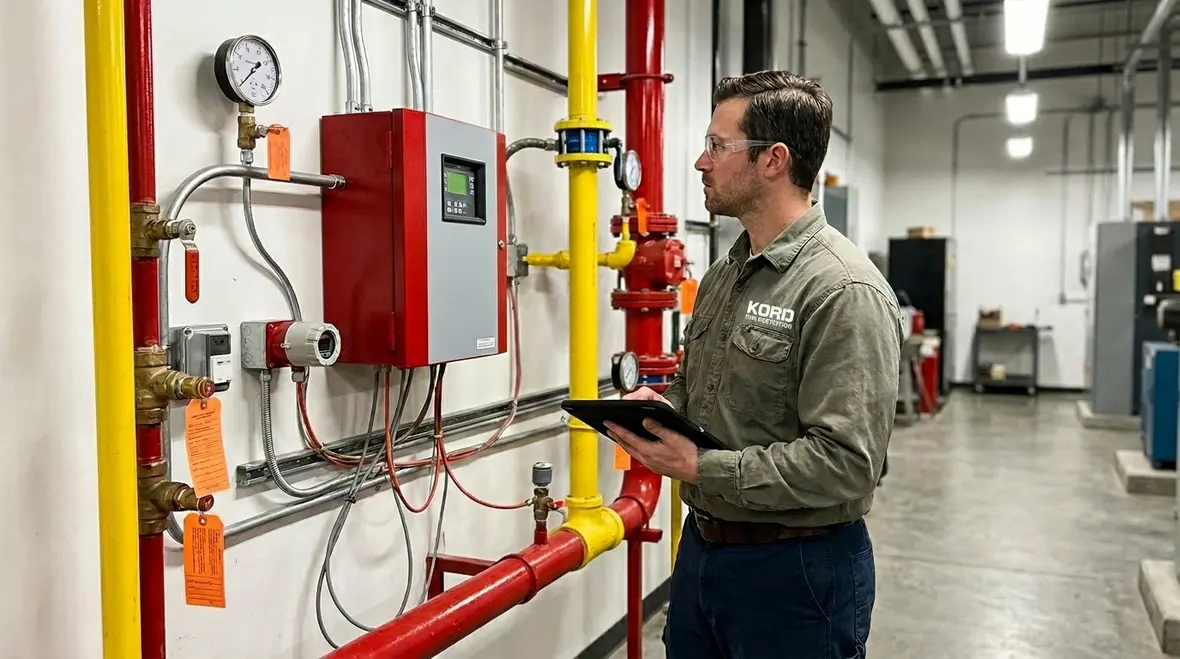
Flamefast’s approach centers on a simple idea: gas safety and fire protection systems must react faster than human instincts. First, sensors monitor the environment for conditions that suggest a gas release, ignition, or rapidly changing fire risk. Then, control equipment evaluates that information against preset rules and operating logic. After that, the system triggers the intended response, which can include activating suppression or shutting down fuel flow depending on the facility design.
To keep the process reliable, technicians also focus on the path between detection and action. That includes wiring layout, alarm signaling, device placement, and fail safe behavior. Additionally, the system supports clear status outputs so staff can understand what is happening without guessing. In plain terms, it is like a well trained stage manager: it watches the cues, calls the entrances, and prevents the show from going off the rails.
Importantly, kord fire protection technicians often walk clients through the sequence step by step. For example, they explain how an alarm signal differs from an automatic control action, and how different sensor states affect the system’s decisions. That clarity helps teams avoid the classic mistake of treating every alarm like a prank. Some alarms are real; some are testing; all of them deserve respect.
Real World Use Cases: where these systems earn their keep
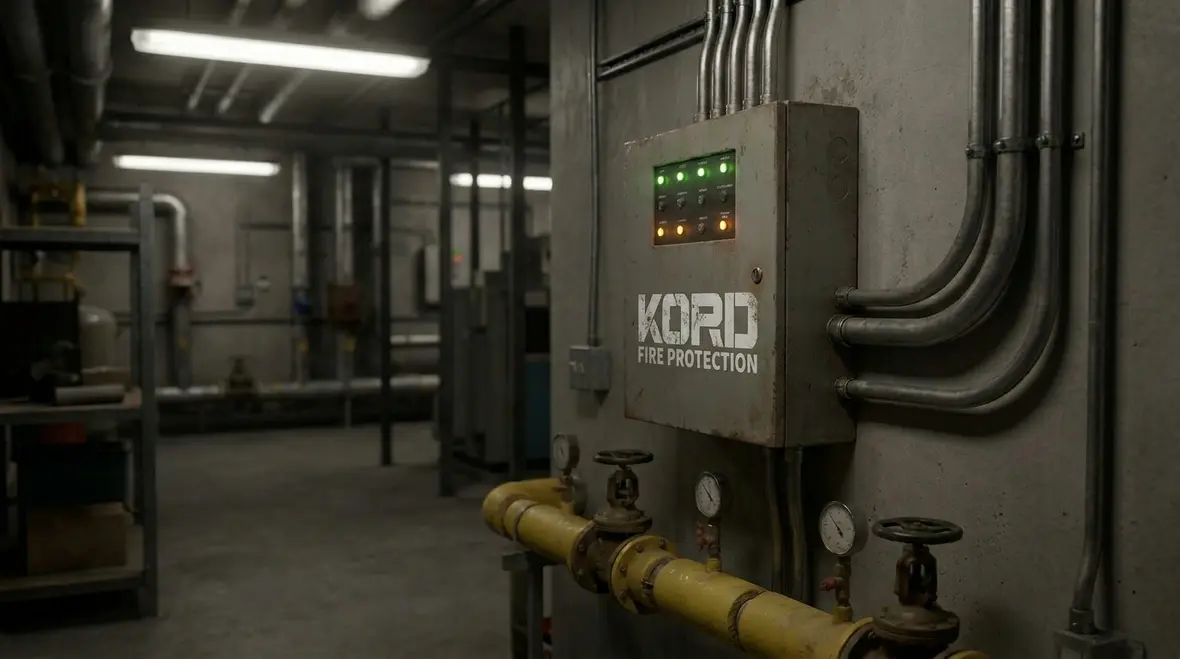
Flamefast Fire Systems fit well in environments where gas is part of normal operations and fire loading is realistic. These include industrial process spaces, mechanical rooms, warehouses with fuel powered equipment, and commercial facilities that use gas-fired appliances. The key is not just the presence of gas, but how the building handles air movement, ventilation, ignition sources, and maintenance practices.
In a typical real world scenario, a facility might experience a slow gas leak from a valve or connection. Over time, gas can accumulate near an ignition source, especially in areas with restricted airflow. By design, gas safety and fire protection systems aim to interrupt that chain early. For instance, once the system detects unsafe conditions, it can initiate a controlled response rather than leaving the matter to chance.
Another common use case involves systems supporting code based strategies for fire protection in areas with hazardous materials. When fire risk rises, time becomes the most expensive item in the building. Therefore, Flamefast helps reduce reaction time by automating key steps and improving visibility through status indicators and alarm notifications.
And occasionally, staff forget basic details, like which door remains locked during operation. That is why technicians often recommend practical walkthroughs. They review the locations of detectors, explain access requirements, and confirm that alarms reach the right people. After all, a system that triggers is only helpful if someone can act.
Strengths and Weak Points: what works well and where care matters
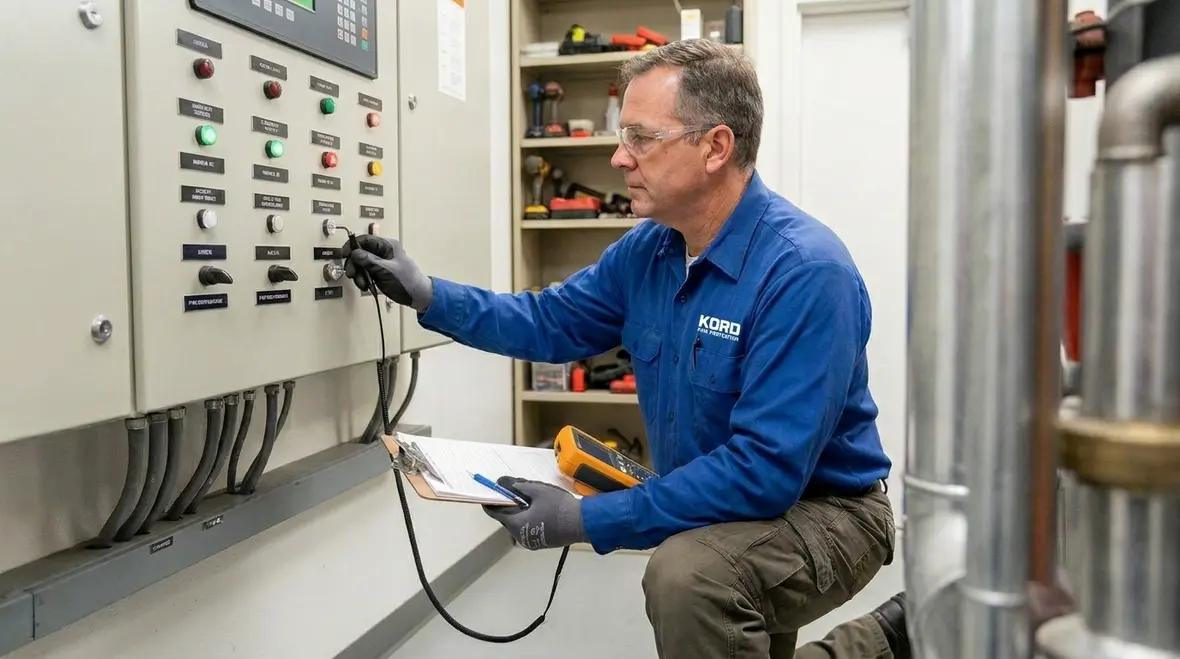
Flamefast Fire Systems offer several strengths that matter to owners, operators, and safety managers. First, they provide structured monitoring and consistent responses. Second, they help facilities standardize procedures, especially when multiple shifts work different hours. Third, when paired with proper design review and installation, gas safety and fire protection systems can reduce downtime caused by manual emergency decisions.
However, no system is magic. There are weak points that teams must plan for. For example, sensor performance depends on correct placement, airflow conditions, and the presence of interfering substances. Dust, certain chemicals, and ongoing construction activities can affect readings if the devices are not protected and verified. Also, systems still require human action during emergencies. Automation helps, but it does not replace trained response.
Another practical consideration involves changes to the facility. If equipment gets relocated, if ventilation changes, or if gas piping gets modified, the system’s assumptions can shift. Therefore, the building team should treat system review as part of change management, not as an afterthought. kord fire protection technicians frequently advise clients to document modifications and schedule confirmation checks after work is completed.
Ongoing Maintenance Needs: inspections, testing, and calibration
To keep Flamefast dependable, maintenance must happen on schedule and with real attention to details. Gas safety and fire protection systems depend on sensors, control panels, notification devices, and any shutdown or suppression components that the design includes. Because conditions change, technicians verify performance over time, not just on day one.
Maintenance typically includes inspection of detectors and control equipment, cleaning where allowed, checking wiring integrity, reviewing alarm logs, and performing tests according to the manufacturer’s instructions and code requirements. Additionally, some devices require calibration checks or verification of response sensitivity. Technicians also test alarm audibility and visibility, since the best control logic cannot help if people do not notice the alert.
Importantly, kord fire protection technicians emphasize that routine testing should align with operations. They coordinate around production schedules so testing does not cause unnecessary disruption. Meanwhile, they train facility contacts on what to do if an alarm occurs during testing versus an actual event.
Here is where the boring part becomes valuable. A well maintained system can prevent false alarms from becoming “background noise.” And if staff starts ignoring alarms, the building loses one of its biggest safety features. Think of it like traffic lights: if nobody trusts them, people will stop following the rules.
Relevant NFPA and Local Code Requirements: aligning design and service
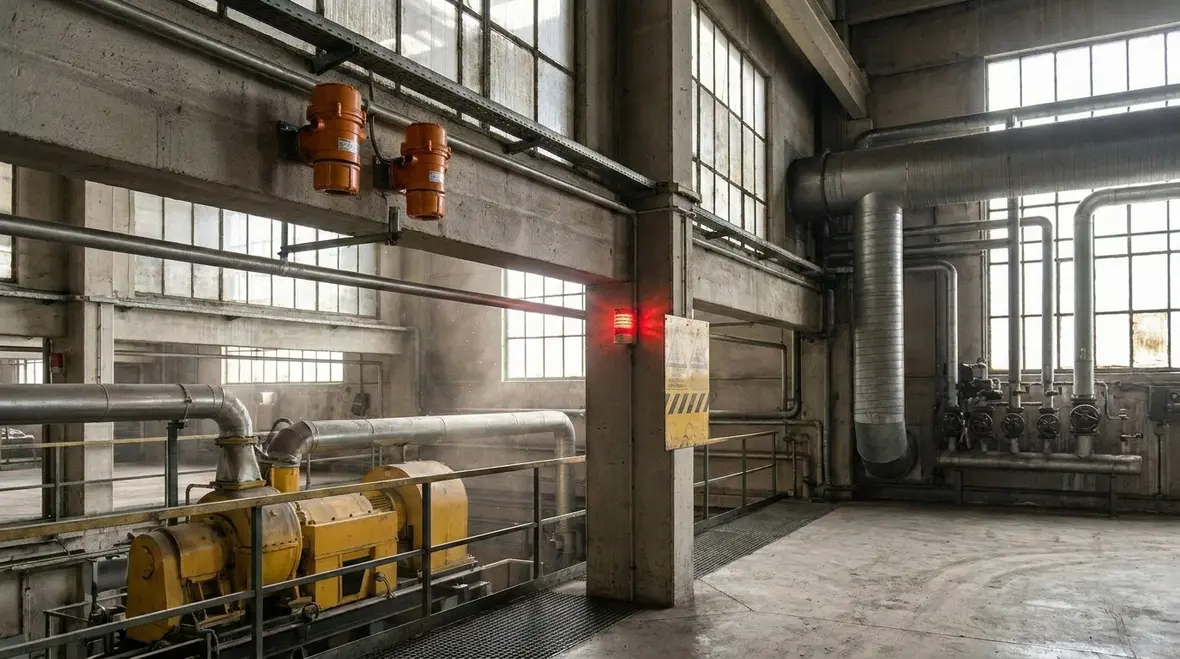
Fire protection and gas safety regulations usually come from a blend of national standards and local adoption. Commonly referenced guidance includes NFPA codes and standards that cover fire detection, alarm systems, and fire protection practices. Local jurisdictions then apply amendments based on regional risk profiles, occupancy types, and building plans.
Flamefast projects typically follow the required design approach and documentation steps for the authority having jurisdiction. That includes plan review, inspection readiness, and maintenance responsibilities that the owner must follow. Since code requirements can vary, kord fire protection technicians often guide clients on the specific standards that apply to the building’s occupancy and hazards.
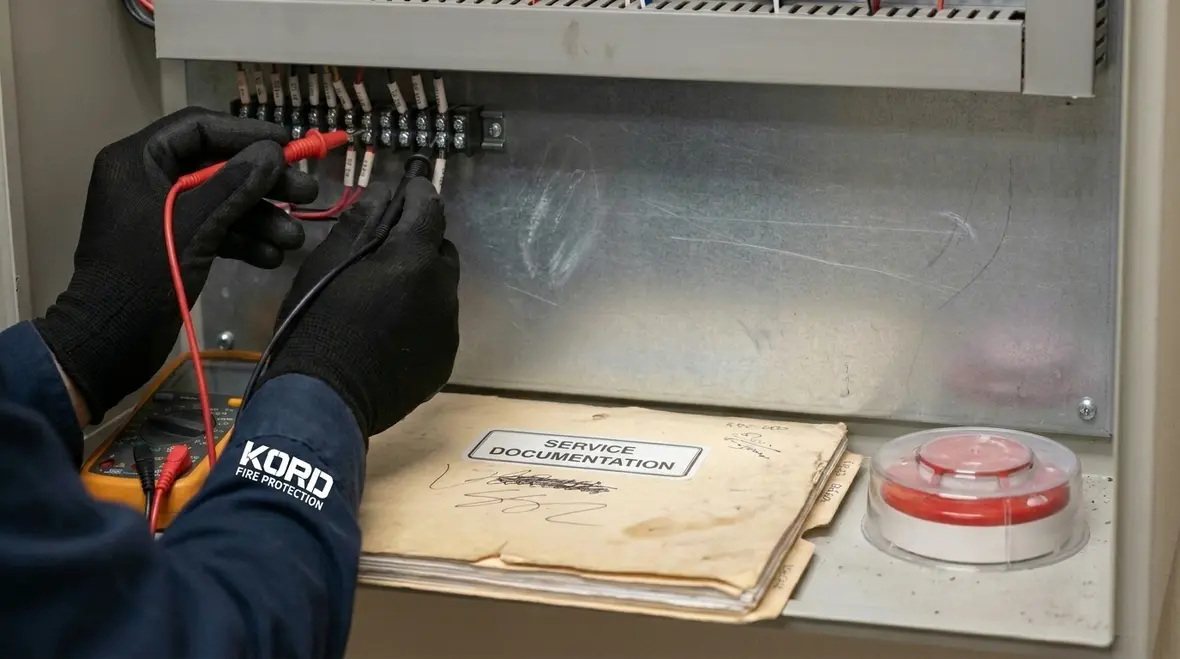
During service visits, technicians also confirm the system stays within acceptable performance criteria and that records match what inspectors expect. Furthermore, they help teams understand the difference between what is required for code compliance and what is recommended for best performance. In short, they help clients avoid the classic scenario where the system passes a test but fails a documentation review. Inspectors love paperwork the way superheroes love capes.
How teams should deploy these systems day to day
Once installed, the biggest gains come from using the system correctly. First, staff should know the alarm procedures: who responds, where they go, and what they check first. Next, the facility should maintain clear maps showing detector locations and shutoff or suppression zones so responders do not waste time searching. Then, teams should keep a change log for modifications that could affect hazards, ventilation, or fuel systems.
To bring it together, facilities can use these systems to create a predictable safety routine. For example, they can integrate alarms with building notification, schedule periodic walkthroughs, and conduct scenario based drills so staff reacts calmly. Most importantly, they can use gas safety and fire protection systems as part of a full safety culture rather than a standalone device on a wall.
Because when the alarm sounds, calm is the real superpower.
FAQ
Conclusion
Flamefast Fire Systems help teams manage gas hazards with detection and fast action, and they support strong gas safety and fire protection systems practices when installed, tested, and maintained correctly. When the goal is confidence, not guesswork, working with experienced kord fire protection technicians makes a real difference.
If you want a clear plan for design review, installation readiness, and ongoing service, reach out to our team today to schedule an assessment and build a safer workflow.
Ready for a safer workflow?
Let’s align detection, control, maintenance, and documentation so your team is prepared before anything gets dramatic. If you already have systems in place, we can also help confirm they are operating the way they were designed to.
Know Your Weapon Before You Fight the Flame
Kord Fire Protection is your go-to when it comes to all things fire protection. For over 20 years, we’ve been serving Southern California with the quality service and equipment to keep your home or business safe at all times. Our competitive prices reflect our unwavering commitment to protecting what matters most in the event of a fire emergency. Give us a call, send an email, or use that form!

Join Our Newsletter!
Get the latest fire safety tips delivered straight to your inbox From our Newsletter.
Flamefast Fire Systems and gas safety and fire protection systems in plain language
Flamefast Fire Systems help buildings manage risk by pairing smart detection with fast action, supporting gas safety and fire protection systems where natural gas, propane, or similar fuels are present. And yes, people often think fire protection is just a loud alarm and a hope. However, modern systems take control: they spot dangerous conditions, shut down or limit hazards, and protect people and property before a small problem becomes a big story on the evening news. In the same way, kord fire protection technicians explain the “why” behind the design, so facility teams understand what the equipment does, what it does not do, and what to expect during service.
Overview of How It Works: detection, control, and quick response
Flamefast’s approach centers on a simple idea: gas safety and fire protection systems must react faster than human instincts. First, sensors monitor the environment for conditions that suggest a gas release, ignition, or rapidly changing fire risk. Then, control equipment evaluates that information against preset rules and operating logic. After that, the system triggers the intended response, which can include activating suppression or shutting down fuel flow depending on the facility design.
To keep the process reliable, technicians also focus on the path between detection and action. That includes wiring layout, alarm signaling, device placement, and fail safe behavior. Additionally, the system supports clear status outputs so staff can understand what is happening without guessing. In plain terms, it is like a well trained stage manager: it watches the cues, calls the entrances, and prevents the show from going off the rails.
Importantly, kord fire protection technicians often walk clients through the sequence step by step. For example, they explain how an alarm signal differs from an automatic control action, and how different sensor states affect the system’s decisions. That clarity helps teams avoid the classic mistake of treating every alarm like a prank. Some alarms are real; some are testing; all of them deserve respect.
Real World Use Cases: where these systems earn their keep
Flamefast Fire Systems fit well in environments where gas is part of normal operations and fire loading is realistic. These include industrial process spaces, mechanical rooms, warehouses with fuel powered equipment, and commercial facilities that use gas-fired appliances. The key is not just the presence of gas, but how the building handles air movement, ventilation, ignition sources, and maintenance practices.
In a typical real world scenario, a facility might experience a slow gas leak from a valve or connection. Over time, gas can accumulate near an ignition source, especially in areas with restricted airflow. By design, gas safety and fire protection systems aim to interrupt that chain early. For instance, once the system detects unsafe conditions, it can initiate a controlled response rather than leaving the matter to chance.
Another common use case involves systems supporting code based strategies for fire protection in areas with hazardous materials. When fire risk rises, time becomes the most expensive item in the building. Therefore, Flamefast helps reduce reaction time by automating key steps and improving visibility through status indicators and alarm notifications.
And occasionally, staff forget basic details, like which door remains locked during operation. That is why technicians often recommend practical walkthroughs. They review the locations of detectors, explain access requirements, and confirm that alarms reach the right people. After all, a system that triggers is only helpful if someone can act.
Strengths and Weak Points: what works well and where care matters
Flamefast Fire Systems offer several strengths that matter to owners, operators, and safety managers. First, they provide structured monitoring and consistent responses. Second, they help facilities standardize procedures, especially when multiple shifts work different hours. Third, when paired with proper design review and installation, gas safety and fire protection systems can reduce downtime caused by manual emergency decisions.
However, no system is magic. There are weak points that teams must plan for. For example, sensor performance depends on correct placement, airflow conditions, and the presence of interfering substances. Dust, certain chemicals, and ongoing construction activities can affect readings if the devices are not protected and verified. Also, systems still require human action during emergencies. Automation helps, but it does not replace trained response.
Another practical consideration involves changes to the facility. If equipment gets relocated, if ventilation changes, or if gas piping gets modified, the system’s assumptions can shift. Therefore, the building team should treat system review as part of change management, not as an afterthought. kord fire protection technicians frequently advise clients to document modifications and schedule confirmation checks after work is completed.
Ongoing Maintenance Needs: inspections, testing, and calibration
To keep Flamefast dependable, maintenance must happen on schedule and with real attention to details. Gas safety and fire protection systems depend on sensors, control panels, notification devices, and any shutdown or suppression components that the design includes. Because conditions change, technicians verify performance over time, not just on day one.
Maintenance typically includes inspection of detectors and control equipment, cleaning where allowed, checking wiring integrity, reviewing alarm logs, and performing tests according to the manufacturer’s instructions and code requirements. Additionally, some devices require calibration checks or verification of response sensitivity. Technicians also test alarm audibility and visibility, since the best control logic cannot help if people do not notice the alert.
Importantly, kord fire protection technicians emphasize that routine testing should align with operations. They coordinate around production schedules so testing does not cause unnecessary disruption. Meanwhile, they train facility contacts on what to do if an alarm occurs during testing versus an actual event.
Here is where the boring part becomes valuable. A well maintained system can prevent false alarms from becoming “background noise.” And if staff starts ignoring alarms, the building loses one of its biggest safety features. Think of it like traffic lights: if nobody trusts them, people will stop following the rules.
Relevant NFPA and Local Code Requirements: aligning design and service
Fire protection and gas safety regulations usually come from a blend of national standards and local adoption. Commonly referenced guidance includes NFPA codes and standards that cover fire detection, alarm systems, and fire protection practices. Local jurisdictions then apply amendments based on regional risk profiles, occupancy types, and building plans.
Flamefast projects typically follow the required design approach and documentation steps for the authority having jurisdiction. That includes plan review, inspection readiness, and maintenance responsibilities that the owner must follow. Since code requirements can vary, kord fire protection technicians often guide clients on the specific standards that apply to the building’s occupancy and hazards.
During service visits, technicians also confirm the system stays within acceptable performance criteria and that records match what inspectors expect. Furthermore, they help teams understand the difference between what is required for code compliance and what is recommended for best performance. In short, they help clients avoid the classic scenario where the system passes a test but fails a documentation review. Inspectors love paperwork the way superheroes love capes.
How teams should deploy these systems day to day
Once installed, the biggest gains come from using the system correctly. First, staff should know the alarm procedures: who responds, where they go, and what they check first. Next, the facility should maintain clear maps showing detector locations and shutoff or suppression zones so responders do not waste time searching. Then, teams should keep a change log for modifications that could affect hazards, ventilation, or fuel systems.
To bring it together, facilities can use these systems to create a predictable safety routine. For example, they can integrate alarms with building notification, schedule periodic walkthroughs, and conduct scenario based drills so staff reacts calmly. Most importantly, they can use gas safety and fire protection systems as part of a full safety culture rather than a standalone device on a wall.
Because when the alarm sounds, calm is the real superpower.
FAQ
Conclusion
Flamefast Fire Systems help teams manage gas hazards with detection and fast action, and they support strong gas safety and fire protection systems practices when installed, tested, and maintained correctly. When the goal is confidence, not guesswork, working with experienced kord fire protection technicians makes a real difference.
If you want a clear plan for design review, installation readiness, and ongoing service, reach out to our team today to schedule an assessment and build a safer workflow.
Ready for a safer workflow?
Let’s align detection, control, maintenance, and documentation so your team is prepared before anything gets dramatic. If you already have systems in place, we can also help confirm they are operating the way they were designed to.
Know Your Weapon Before You Fight the Flame
Kord Fire Protection is your go-to when it comes to all things fire protection. For over 20 years, we’ve been serving Southern California with the quality service and equipment to keep your home or business safe at all times. Our competitive prices reflect our unwavering commitment to protecting what matters most in the event of a fire emergency. Give us a call, send an email, or use that form!
Join Our Newsletter!
Get the latest fire safety tips delivered straight to your inbox From our Newsletter.
Flamefast Fire Systems and gas safety and fire protection systems in plain language
Flamefast Fire Systems help buildings manage risk by pairing smart detection with fast action, supporting gas safety and fire protection systems where natural gas, propane, or similar fuels are present. And yes, people often think fire protection is just a loud alarm and a hope. However, modern systems take control: they spot dangerous conditions, shut down or limit hazards, and protect people and property before a small problem becomes a big story on the evening news. In the same way, kord fire protection technicians explain the “why” behind the design, so facility teams understand what the equipment does, what it does not do, and what to expect during service.
Overview of How It Works: detection, control, and quick response
Flamefast’s approach centers on a simple idea: gas safety and fire protection systems must react faster than human instincts. First, sensors monitor the environment for conditions that suggest a gas release, ignition, or rapidly changing fire risk. Then, control equipment evaluates that information against preset rules and operating logic. After that, the system triggers the intended response, which can include activating suppression or shutting down fuel flow depending on the facility design.
To keep the process reliable, technicians also focus on the path between detection and action. That includes wiring layout, alarm signaling, device placement, and fail safe behavior. Additionally, the system supports clear status outputs so staff can understand what is happening without guessing. In plain terms, it is like a well trained stage manager: it watches the cues, calls the entrances, and prevents the show from going off the rails.
Importantly, kord fire protection technicians often walk clients through the sequence step by step. For example, they explain how an alarm signal differs from an automatic control action, and how different sensor states affect the system’s decisions. That clarity helps teams avoid the classic mistake of treating every alarm like a prank. Some alarms are real; some are testing; all of them deserve respect.
Real World Use Cases: where these systems earn their keep
Flamefast Fire Systems fit well in environments where gas is part of normal operations and fire loading is realistic. These include industrial process spaces, mechanical rooms, warehouses with fuel powered equipment, and commercial facilities that use gas-fired appliances. The key is not just the presence of gas, but how the building handles air movement, ventilation, ignition sources, and maintenance practices.
In a typical real world scenario, a facility might experience a slow gas leak from a valve or connection. Over time, gas can accumulate near an ignition source, especially in areas with restricted airflow. By design, gas safety and fire protection systems aim to interrupt that chain early. For instance, once the system detects unsafe conditions, it can initiate a controlled response rather than leaving the matter to chance.
Another common use case involves systems supporting code based strategies for fire protection in areas with hazardous materials. When fire risk rises, time becomes the most expensive item in the building. Therefore, Flamefast helps reduce reaction time by automating key steps and improving visibility through status indicators and alarm notifications.
And occasionally, staff forget basic details, like which door remains locked during operation. That is why technicians often recommend practical walkthroughs. They review the locations of detectors, explain access requirements, and confirm that alarms reach the right people. After all, a system that triggers is only helpful if someone can act.
Strengths and Weak Points: what works well and where care matters
Flamefast Fire Systems offer several strengths that matter to owners, operators, and safety managers. First, they provide structured monitoring and consistent responses. Second, they help facilities standardize procedures, especially when multiple shifts work different hours. Third, when paired with proper design review and installation, gas safety and fire protection systems can reduce downtime caused by manual emergency decisions.
However, no system is magic. There are weak points that teams must plan for. For example, sensor performance depends on correct placement, airflow conditions, and the presence of interfering substances. Dust, certain chemicals, and ongoing construction activities can affect readings if the devices are not protected and verified. Also, systems still require human action during emergencies. Automation helps, but it does not replace trained response.
Another practical consideration involves changes to the facility. If equipment gets relocated, if ventilation changes, or if gas piping gets modified, the system’s assumptions can shift. Therefore, the building team should treat system review as part of change management, not as an afterthought. kord fire protection technicians frequently advise clients to document modifications and schedule confirmation checks after work is completed.
Ongoing Maintenance Needs: inspections, testing, and calibration
To keep Flamefast dependable, maintenance must happen on schedule and with real attention to details. Gas safety and fire protection systems depend on sensors, control panels, notification devices, and any shutdown or suppression components that the design includes. Because conditions change, technicians verify performance over time, not just on day one.
Maintenance typically includes inspection of detectors and control equipment, cleaning where allowed, checking wiring integrity, reviewing alarm logs, and performing tests according to the manufacturer’s instructions and code requirements. Additionally, some devices require calibration checks or verification of response sensitivity. Technicians also test alarm audibility and visibility, since the best control logic cannot help if people do not notice the alert.
Importantly, kord fire protection technicians emphasize that routine testing should align with operations. They coordinate around production schedules so testing does not cause unnecessary disruption. Meanwhile, they train facility contacts on what to do if an alarm occurs during testing versus an actual event.
Here is where the boring part becomes valuable. A well maintained system can prevent false alarms from becoming “background noise.” And if staff starts ignoring alarms, the building loses one of its biggest safety features. Think of it like traffic lights: if nobody trusts them, people will stop following the rules.
Relevant NFPA and Local Code Requirements: aligning design and service
Fire protection and gas safety regulations usually come from a blend of national standards and local adoption. Commonly referenced guidance includes NFPA codes and standards that cover fire detection, alarm systems, and fire protection practices. Local jurisdictions then apply amendments based on regional risk profiles, occupancy types, and building plans.
Flamefast projects typically follow the required design approach and documentation steps for the authority having jurisdiction. That includes plan review, inspection readiness, and maintenance responsibilities that the owner must follow. Since code requirements can vary, kord fire protection technicians often guide clients on the specific standards that apply to the building’s occupancy and hazards.
During service visits, technicians also confirm the system stays within acceptable performance criteria and that records match what inspectors expect. Furthermore, they help teams understand the difference between what is required for code compliance and what is recommended for best performance. In short, they help clients avoid the classic scenario where the system passes a test but fails a documentation review. Inspectors love paperwork the way superheroes love capes.
How teams should deploy these systems day to day
Once installed, the biggest gains come from using the system correctly. First, staff should know the alarm procedures: who responds, where they go, and what they check first. Next, the facility should maintain clear maps showing detector locations and shutoff or suppression zones so responders do not waste time searching. Then, teams should keep a change log for modifications that could affect hazards, ventilation, or fuel systems.
To bring it together, facilities can use these systems to create a predictable safety routine. For example, they can integrate alarms with building notification, schedule periodic walkthroughs, and conduct scenario based drills so staff reacts calmly. Most importantly, they can use gas safety and fire protection systems as part of a full safety culture rather than a standalone device on a wall.
Because when the alarm sounds, calm is the real superpower.
FAQ
Conclusion
Flamefast Fire Systems help teams manage gas hazards with detection and fast action, and they support strong gas safety and fire protection systems practices when installed, tested, and maintained correctly. When the goal is confidence, not guesswork, working with experienced kord fire protection technicians makes a real difference.
If you want a clear plan for design review, installation readiness, and ongoing service, reach out to our team today to schedule an assessment and build a safer workflow.
Ready for a safer workflow?
Let’s align detection, control, maintenance, and documentation so your team is prepared before anything gets dramatic. If you already have systems in place, we can also help confirm they are operating the way they were designed to.
Know Your Weapon Before You Fight the Flame
Kord Fire Protection is your go-to when it comes to all things fire protection. For over 20 years, we’ve been serving Southern California with the quality service and equipment to keep your home or business safe at all times. Our competitive prices reflect our unwavering commitment to protecting what matters most in the event of a fire emergency. Give us a call, send an email, or use that form!
Join Our Newsletter!
Get the latest fire safety tips delivered straight to your inbox From our Newsletter.