
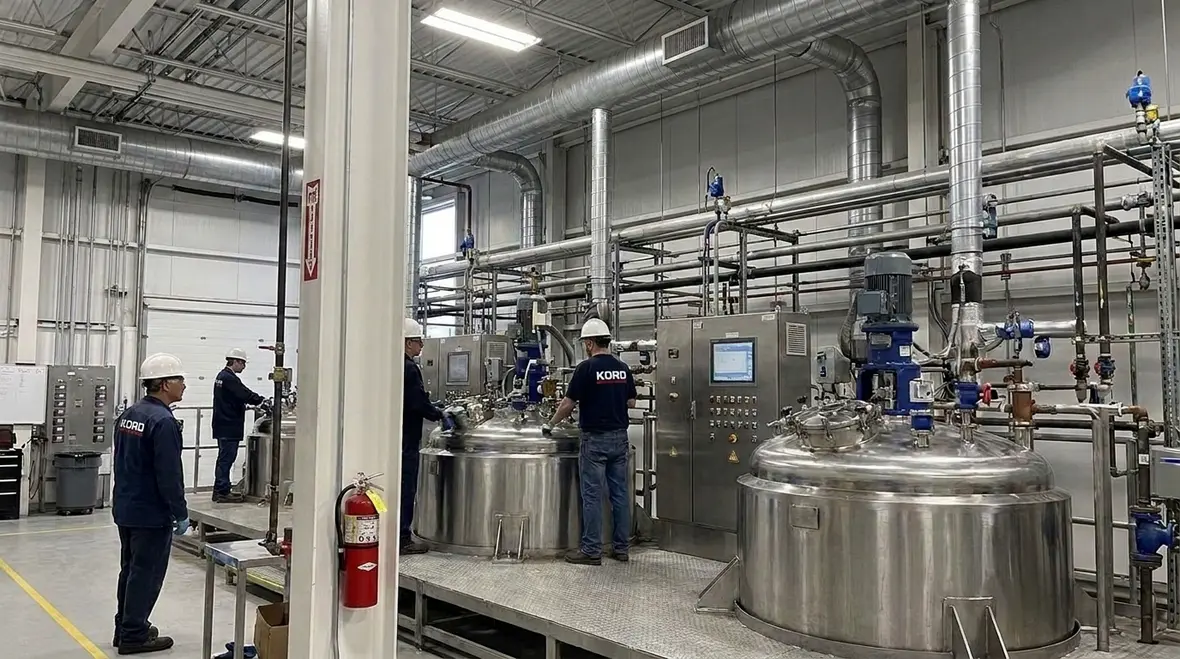
NFPA 35 Section 1.1 Scope: What Organic Coatings Plants the Standard Covers
Quick Answer
NFPA 35 Section 1.1 defines the kinds of processes and operations within organic coatings production that fall under the standard. If a facility manufactures, formulates, applies, or handles organic coating materials in ways that involve process hazards, NFPA 35 scope organic coatings plant requirements may apply.
For facilities that need ongoing inspection, testing, and maintenance support around these hazards, fire protection inspection, testing, and maintenance services are a practical next step once scope is confirmed.
What “scope” means in NFPA 35, Section 1.1
In NFPA 35, “scope” establishes which parts of an organic coatings operation the standard addresses. Practically, this matters because two facilities can look similar, yet only one falls cleanly within NFPA 35 scope organic coatings plant requirements based on how materials are processed, heated, handled, stored, and transferred.
From a fire safety compliance standpoint, Section 1.1 helps decision makers avoid a common failure mode: applying only partial sections of NFPA 35 to an operation that is still functionally within scope. The result is often fragmented protection, inconsistent inspection records, and missed hazards tied to solvent vapors, flammable liquids, and ignition control.
What types of operations typically fall within the NFPA 35 scope for organic coatings plants
NFPA 35 primarily targets process fire hazards associated with organic coating materials. In an organic coatings plant, that typically includes operations where flammable or combustible vapors can form, accumulate, or be ignited due to process equipment, ventilation patterns, transfer practices, or failure of control systems.
Blending, mixing, and formulation rooms
When coating components are combined, heated, or agitated, the process can generate flammable vapor concentrations depending on solvent content and temperature. Common compliance pain points include poor control of covers and lids on open vessels, inadequate local exhaust ventilation performance, and incorrect operating procedures that permit vapor release during additions.
Heating and solvent handling activities
Many coatings processes include heating tanks, melters, or heated transfer lines. If heat tracing, steam systems, or hot oil systems are present, ignition risk can increase when temperature control fails or when maintenance bypasses safeguards. Facilities frequently discover later that procedures did not adequately address abnormal operating conditions, such as throttling for viscosity changes or temporary line routing.
Transfer, filling, and drum or tote operations
NFPA 35 scope organic coatings plant requirements often affect how materials move through the facility. Bonding and grounding, pump selection, hose management, and spill control can determine whether a transfer area remains ignition safe. Elevated risk scenarios include unattended transfer, leaking fittings, damaged hoses, and transfers that occur during ventilation shutdowns.
Drying, curing, and post processing
Dryers and curing ovens concentrate process hazards because ignition sources can include hot surfaces, electrical components, burners, and fans. Even when the process uses “closed” equipment, ignition can occur during loading and unloading if door interlocks, purge routines, or exhaust performance are inconsistent. Maintenance teams often face repeat findings when inspection checklists do not verify purge effectiveness or when dampers are mispositioned after repairs.
Where scope decisions get complicated: mixed-use buildings and partial process coverage
Many commercial, industrial, and retail facilities operate in shared buildings or mixed occupancies. This complicates the scope question because NFPA standards require hazards to be protected where they exist, not where paperwork suggests they exist.
Two practical examples illustrate why the NFPA 35 scope organic coatings plant requirements can be misunderstood:
Adjacent solvent storage with no process activity. A facility may store organic coating liquids but claim the process standard does not apply. However, if storage is directly tied to dispensing and transfer into process equipment, the process hazard interface can still require NFPA 35 style controls.
Limited production during changeovers. Some plants only run coating production occasionally. If production still includes heated vessels, solvent additions, or curing operations, the process hazards exist during those windows and the scope analysis still applies to those operating modes.
To avoid gaps, compliance reviews should document exact equipment lists, operating modes, solvent types, temperatures, and ventilation arrangements. This is especially important for facilities that rely on contractors to perform coating runs, where the “temporary” activities become routine.
Key fire safety elements commonly required when NFPA 35 scope applies
Once a facility determines it is within scope, the next compliance challenge becomes operational consistency. NFPA 35 protections rely on systems and procedures that perform correctly during normal operations and credible deviations.
Vapor control, ventilation effectiveness, and exhaust integrity
Ventilation and exhaust systems manage flammable vapor accumulation. The most common failure points involve:
Inadequate capture at transfer points due to poor hood placement or airflow decay over time
Damper malfunction or incorrect damper positions after maintenance
Fans with incorrect motor direction, blocked duct runs, or dirty filters reducing airflow
Facilities need a documented inspection and testing cadence that confirms airflow performance and damper operation under actual operating configurations.
Ignition source control and hot surface management
Plants frequently underestimate how many ignition sources exist beyond “open flames.” Ignition can come from electrical equipment, static discharge, overheated bearings on fans, or hot surfaces within drying and curing systems. Scope-based compliance usually requires:
Equipment rated or installed to manage expected vapor conditions
Procedures to prevent energized equipment from becoming an ignition source during upset conditions
Mechanical maintenance discipline to prevent overheating and electrical failures
Transfer safety, bonding and grounding, and spill response
Bonding and grounding reduce static ignition risk during transfers. However, compliance efforts fail when checks are not tied to actual operational behavior. Kord Fire Protection typically supports facilities with inspection and maintenance planning that verifies bonding points, hose management, and emergency response readiness for credible spill scenarios.
Inspection, testing, and documentation that stand up to audits
NFPA 35 compliance depends on repeatable performance, not one-time approvals. Commercial facility audits increasingly focus on evidence that:
Testing records match the current operating configuration
Ventilation and protective equipment remain within required performance levels
Maintenance does not defeat safeguards during repairs or upgrades
If documentation is incomplete, facilities may discover expensive retrofits after an incident, because deficiencies were never identified during preventive maintenance.
How Kord Fire Protection helps when NFPA 35 scope organic coatings plant requirements apply
When a plant falls under NFPA 35 scope organic coatings plant requirements, it needs more than a binder. It needs ongoing verification that engineering controls, ignition source management, and fire protection systems remain reliable through production cycles and maintenance activities.
Kord Fire Protection acts as a compliance partner for commercial and industrial operators by supporting testing, inspection planning, and maintenance workflows that reduce the risk of recurring findings. For facilities building an internal compliance program, Kord can also help align documentation and service schedules to reduce audit uncertainty.
To strengthen your broader fire protection approach, consider reviewing related guidance on peroxide and multi-component coating safety controls and additional fire safety resources from Kord Fire Protection that match your process hazards and equipment inventory.
Frequently Asked Questions
Conclusion and call to action
If your organic coatings operation involves solvent handling, heated processing, transfer operations, or drying and curing equipment, you should validate whether NFPA 35 scope organic coatings plant requirements apply to your specific process hazards. Start with a scope review that maps each operation and equipment piece to the standard. Then lock in ongoing inspection and testing with Kord Fire Protection to keep protective controls reliable and documentation audit-ready. Contact Kord Fire Protection to schedule a compliance support review.

Join Our Newsletter!
Get the latest fire safety tips delivered straight to your inbox From our Newsletter.



