
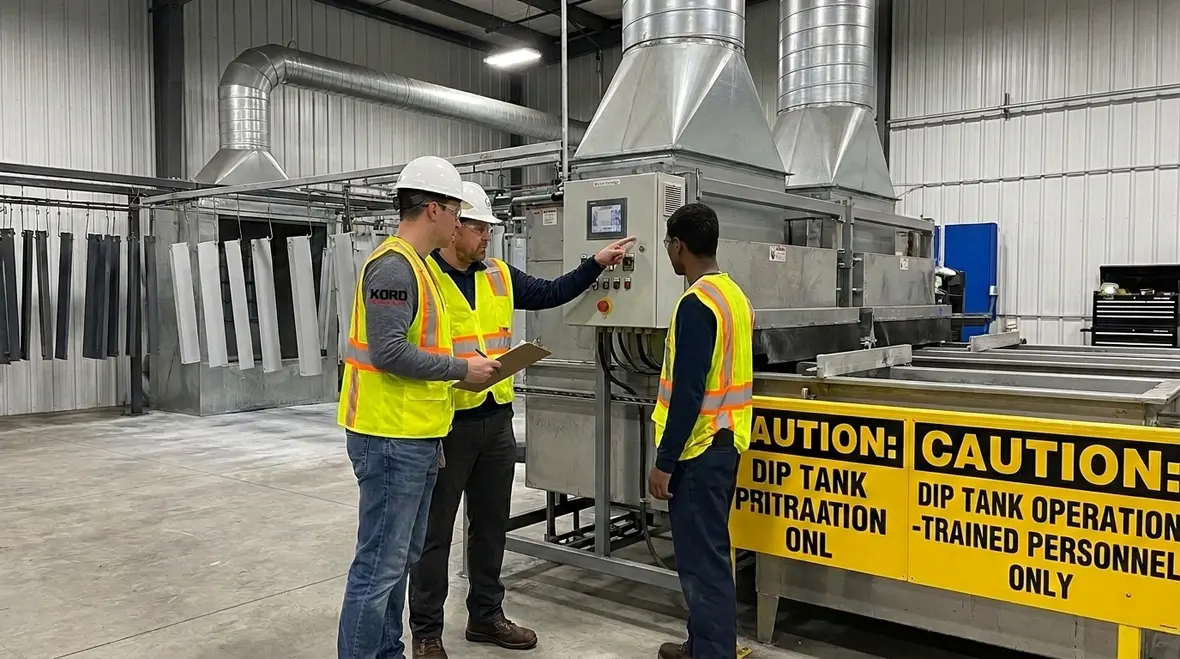
NFPA 34 Section 12.1: Training Requirements for Dipping, Coating, and Printing Personnel
Quick Answer: NFPA 34 Section 12.1 requires trained personnel for dipping, coating, and printing operations so they understand hazards, safe work practices, and emergency actions. Training must match job duties, be documented, and stay current as processes, equipment, or hazards change.
What does NFPA 34 Section 12.1 require for training?
NFPA 34 Section 12.1 focuses on ensuring that workers performing dipping, coating, and printing tasks can operate safely around flammable and combustible liquid hazards, ignition sources, ventilation controls, and fire protection systems. In practice, these NFPA 34 training requirements dipping coating personnel are not generic “safety awareness.” They are role based and tied to the actual processes on site, including how materials are handled, how equipment is operated, and how emergencies are managed.
For commercial facilities, this is often where compliance breaks down. Training is frequently treated as a one time onboarding task, but day to day operations evolve. Tank liners wear, filtration patterns change, viscosity affects spray and dip behavior, and ventilation performance can drift. Section 12.1 expects facilities to maintain competency, not just attendance.
If you are sorting out where this requirement fits within the bigger standard, it helps to review NFPA 34 Section 1.1 scope for dipping, coating, and printing processes before you go deeper into training content.
Who needs training and what job duties drive the content?
Section 12.1 applies to personnel involved in dipping, coating, and printing activities, including those who support the process indirectly but can still affect fire risk. A compliant program typically assigns training content based on the worker’s responsibilities, such as:
- Operators and production technicians: They control pumps, heaters, spray or dip equipment, line speeds, and process parameters that influence vapor generation and ignition potential.
- Maintenance and equipment service staff: They inspect, repair, and troubleshoot pumps, agitators, ducting, burners, and electrical components that can become ignition sources.
- Quality and lab personnel: They handle sample materials, manage solvents and coatings for testing, and may influence changeovers and storage practices.
- Supervisors and area managers: They enforce safe work practices, coordinate emergency response, and ensure training and documentation remain current.
Facilities should map training modules to real tasks. For example, a dip operator needs training on waste handling and bath management, while a printing supervisor needs training on ink and solvent handling, dryer or curing hazards, and safe changeover procedures.
What must trained personnel understand?
A strong program addresses hazards and controls that directly relate to fire growth. Training should cover operational knowledge and practical performance expectations. Key topic areas typically include:
1) Flammable and combustible liquid hazards tied to the process
Personnel must understand how coatings, inks, thinners, and cleaners can create ignitable atmospheres. Training should connect material properties and storage practices to vapor control, waste disposal, and ignition source management. Common failure points include:
- Improper container labeling or open container practices during changeovers
- Overfilling tanks or baths, which increases spill and vapor release risk
- Incorrect solvent substitution that changes flash point behavior and ventilation needs
2) Ignition source control and safe equipment operation
Workers must recognize how ignition sources occur during dipping, coating, and printing. This includes electrical hazards, static discharge potential, malfunctioning heaters or dryers, and hot surfaces. Training should explain safe startup, shutdown, and troubleshooting steps designed to prevent unsafe operating states.
For many commercial and industrial locations, the most critical risk window occurs during transitions, such as:
- Line start up after maintenance
- Batch or formula changeovers
- Switching solvents and cleaners
3) Ventilation and air handling practices that control vapor
Even when fire protection systems are present, poor ventilation practices can undermine hazard control. Trained personnel should understand what ventilation is intended to do, how to verify it is operating as designed, and what conditions require escalation. Practical examples include recognizing inadequate capture at hoods, abnormal duct airflow patterns, and blocked filters.
4) Fire protection system awareness and emergency actions
Training must connect personnel to the emergency plan and the actions expected during an incident. Workers should know:
- How to raise the alarm and initiate emergency response per the facility plan
- What not to do during early fire conditions, including procedural restrictions
- How to protect personnel without improvising fire fighting outside assigned duties
For facilities relying on suppression, detection, or special protection systems, training should include system purpose and the operational limitations that affect safe response.
How to build a defensible training program and documentation
NFPA 34 training requirements dipping coating personnel are strongest when the training program is structured, measurable, and provably maintained. A defensible program typically includes:
Training structure
- Initial training: Covers role specific hazards and safe operating expectations before independent work.
- Periodic refresher training: Reinforces key hazards and updates competency based on observed risks.
- Change management training: Triggers when process equipment, solvents, line configuration, or ventilation controls change.
Verification and competency
Competency should be confirmed through methods such as sign offs based on direct observation, skills checklists, or knowledge checks that align with actual tasks. “Read and sign” alone rarely satisfies auditors because it does not demonstrate operational understanding.
Records that withstand inspection
Maintain training records that include the employee name, role, training topic, date completed, and a description of the materials covered. Documentation should be readily retrievable for commercial facility audits and internal compliance reviews.
Where facilities struggle is alignment between training and equipment reality. If the line was modified after commissioning and the procedures did not update, the training content can become stale even if attendance records exist. Kord Fire Protection supports ongoing compliance by helping facilities connect training needs to real inspection findings, maintenance outcomes, and operational risk trends. For a useful companion read near the top of your compliance stack, see this fire protection compliance auditing guide.
Common compliance challenges in dipping, coating, and printing facilities
Commercial, industrial, and retail locations that handle coatings and printing materials often face recurring problems. These are the issues that typically drive corrective actions:
1) Training does not match the current process
Equipment upgrades, new solvent blends, or revised ventilation layouts change the hazard profile. Facilities must update training content to reflect these changes.
2) Ventilation and housekeeping are treated as “facility issues” not “operator responsibilities”
Operators influence vapor control through daily practices. Training should clearly state responsibilities for spill response, waste handling, and maintaining safe working conditions.
3) Maintenance activities increase ignition risk without targeted instruction
Service staff can introduce ignition sources through improper lockout, temporary wiring, or non approved components. Training should emphasize safe work procedures during troubleshooting and repair.
4) Emergency plan familiarity is low during routine operations
Personnel may understand the plan during drills but forget critical details during real work. Refresher cadence and role based briefings help keep responses practical.
To strengthen defensibility, facilities should coordinate training with fire protection inspections, impairment management, and recurring maintenance documentation. For related guidance on safeguarding industrial operations, see inspection, testing, and maintenance support from Kord Fire Protection for support with inspection, testing, and ongoing compliance services.
What does good ongoing compliance look like?
NFPA 34 compliance is not achieved by a single training session. Good ongoing compliance ties together training, equipment performance, and maintenance discipline. Facilities should run a closed loop process that includes:
- Routine verification: Ensure ventilation controls, detection and alarm components, and relevant safety equipment remain functional.
- Impairment controls: Train personnel on what to do when protection systems are out of service, including operational restrictions.
- Targeted updates: Use inspection findings and incident or near miss data to refine training topics and refresher schedules.
- Record review: Periodically audit training records against current staffing, roles, and process changes.
Kord Fire Protection helps commercial facilities maintain operational safety by supporting inspection and testing programs and by aligning maintenance practices with the hazard controls that trained personnel are expected to rely on.
Frequently Asked Questions
Conclusion and Call to Action
NFPA 34 Section 12.1 training requirements dipping coating personnel succeed when training is role based, updated for process changes, and supported by strong documentation and practical competency verification. If your facility uses multiple lines, frequent solvent changeovers, or active maintenance schedules, it benefits from coordinated compliance planning. Contact Kord Fire Protection to align training readiness with inspection, testing, and maintenance realities at your site so your program stands up to audits and protects operations.

Join Our Newsletter!
Get the latest fire safety tips delivered straight to your inbox From our Newsletter.



