
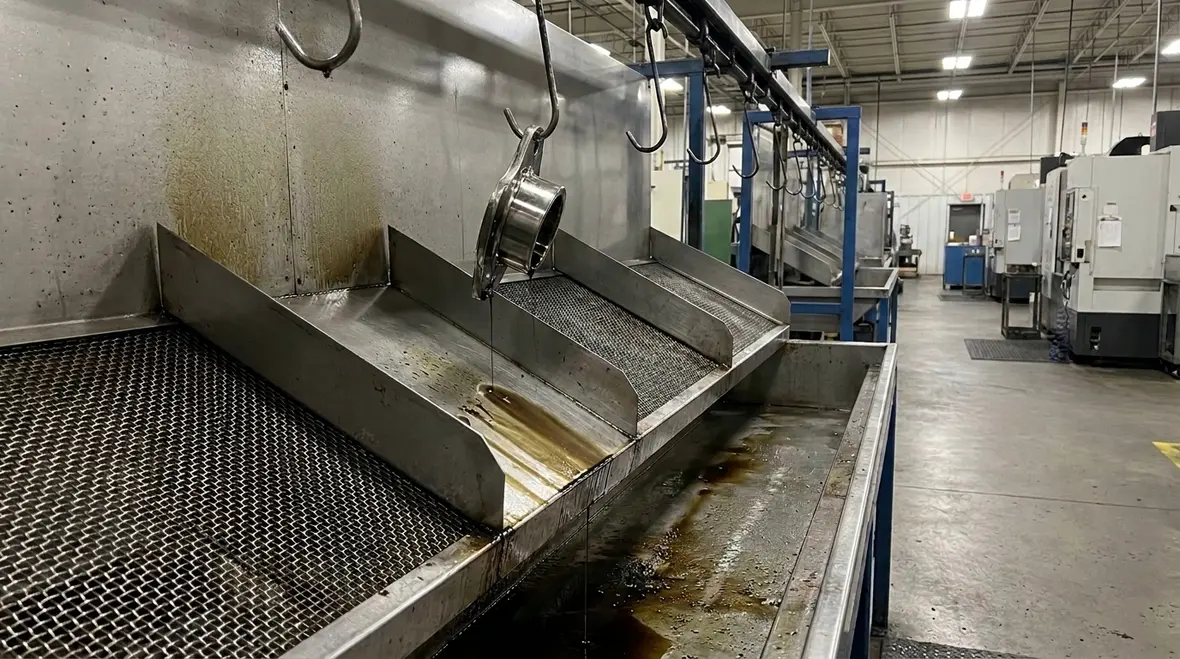
NFPA 34 Section 11.10: Drip Plates and Screens at Detearing Stations
Quick Answer: NFPA 34 Section 11.10 requires drip plates and screens at detearing stations to control flammable liquid carryover. These features intercept droplets, manage runoff, and help prevent ignition sources from contacting residues. Facilities must also maintain them to ensure reliable performance during daily operations.
If you are tightening documentation and inspection readiness around process fire risks, Kord’s fire protection compliance auditing guide is a helpful companion read before you start checking plates, screens, drainage paths, and maintenance logs by hand.
What NFPA 34 Section 11.10 is trying to prevent
NFPA 34 addresses fire and explosion prevention in processes that involve combustible or flammable liquids. At detearing stations, liquid contamination and residue transfer can create a hidden ignition risk. NFPA 34 drip plates screens detearing station requirements are intended to interrupt that transfer path by capturing and containing droplets and mist that would otherwise fall, spread, or accumulate on hot surfaces, electrical equipment, or other ignition-prone areas.
In commercial and industrial environments, this risk increases when stations run continuously, floors are not routinely reclaimed, and maintenance schedules slip. The compliance goal is not only installation, but sustained effectiveness through inspection, cleaning, and verification of drainage and collection behavior.
Where drip plates and screens are used at detearing stations
Detearing stations typically include a liquid process step and an air or mechanical conveyance step that transitions parts from the processing zone to subsequent handling. During part removal, lift, or staging, droplets can detach from part surfaces and hang hardware.
NFPA 34 Section 11.10 focuses on preventing droplet discharge and uncontrolled liquid paths. Drip plates and screens generally function in the following ways:
- Intercept falling droplets: Drip plates positioned beneath transfer areas reduce direct impingement to floors, floor penetrations, and lower wall surfaces.
- Filter and retain residue: Screens capture finer spray, particulate residue, or thickened deposits that can plug drains or spread contamination.
- Direct runoff to controlled locations: Combined plate and screen designs support a predictable path to collection, preventing pooling in uncontrolled zones.
- Limit ignition exposure: Containing droplets and residues helps reduce contact with ignition sources such as overheated bearings, energized enclosures, or hot work areas nearby.
Facility teams often overlook how surrounding layout impacts effectiveness. Even when the station has plates and screens, misalignment can allow bypass flow during high throughput, cart movement, or seasonal changes in viscosity and evaporation rate.
Design and performance expectations (what inspectors usually evaluate)
Section 11.10 requirements are performance driven. Installations must consistently control liquid carryover across normal operating conditions, including variations in part geometry, processing dwell time, and liquid loading.
1) Coverage and placement
Drip plates and screens should cover the likely droplet discharge zone, not just the centerline beneath a conveyor. Inspectors typically look for:
- Continuous capture under transfer movements
- Appropriate clearances to avoid contact with moving parts
- Protection of adjacent surfaces where runoff would otherwise accumulate
2) Drainage, collection, and flow control
Capturing droplets is only half the requirement. The system must also manage runoff so it does not spill, overflow, or bypass collection points.
- Verified drainage paths: Drip plate configurations should direct liquid to a controlled area without creating secondary puddling points.
- Screen loading considerations: Screens must be sized and positioned to avoid rapid clogging during peak production.
- Containment integrity: Collection points must stay within designated spill containment boundaries.
3) Compatibility with the process liquid and residues
Detearing solutions may change viscosity and leave residues that become difficult to rinse. Effective hardware materials and finishes reduce corrosion and prevent buildup that undermines capture and drainage.
Common commercial failure points include undersized screens that clog quickly, plates that warp from chemical exposure, and drainage lines that bind due to residue. When these issues occur, the equipment can convert from a control measure into a source of uncontrolled pooling.
How to operate and maintain drip plates and screens to stay compliant
NFPA 34 drip plates screens detearing station controls depend heavily on day to day housekeeping. The most frequent nonconformance in real facilities involves maintenance gaps rather than missing hardware.
Routine inspection checklist
- Look for bypass flow: Evidence of droplets reaching floors or lower equipment surfaces indicates misalignment or insufficient coverage.
- Check screen loading: Evidence of residue thickening or restricted drainage indicates cleaning is due.
- Verify drainage to collection: Confirm there is no overflow, wet staining outside containment, or plugged downspouts.
- Inspect for deformation: Warping, corrosion, or loose mounting can reduce effectiveness.
- Confirm housekeeping compatibility: Make sure cleaning procedures do not damage plates, screens, or drainage paths.
Cleaning and reset procedures
Effective cleaning focuses on restoring both capture and drainage performance. Facilities should define cleaning frequency based on observed residue rates, production cycles, and the specific chemistry used. Overreliance on “scheduled cleanings” without performance verification can fail during high output periods.
Best practice includes documenting:
- What was removed from screens and plates
- Whether drainage returned to normal flow
- Any observed damage or fastener looseness
- Corrective actions taken before returning to full operation
Why maintenance slips in retail and light industrial settings
Even when companies install controls at commissioning, maintenance often declines as staffing and training turn over. Smaller teams may focus on immediate productivity impacts and defer residue cleanup. That behavior increases the probability of pooling and the likelihood that ignition sources contact accumulated residues, particularly during start up and shutdown when droplets are most likely to escape.
Common failure modes that undermine Section 11.10 controls
Below are frequent causes of noncompliance or reduced effectiveness in NFPA 34 environments. Each can lead to uncontrolled liquid carryover and increased ignition risk.
- Clogged or overloaded screens: Screens retain residue but must be cleaned before they restrict flow and cause overflow.
- Incorrect slope or drainage angle: Poor drainage geometry leads to pooling along plate edges and supports spreading.
- Missing or damaged capture components: Bent plates, missing fasteners, or broken screen sections create droplet escape routes.
- Chemical attack and corrosion: Material degradation can warp components and reduce capture coverage.
- Operational changes: Different part sizes, higher conveyor speeds, or altered dwell times can increase droplet detachment.
- Inadequate training on cleaning: Teams may clean visible areas but leave residue on screen surfaces or behind drainage features.
Commercial facilities often resolve these issues faster when they treat drip plates and screens as a monitored safety system, not a housekeeping accessory.
Build a defensible compliance program with Kord Fire Protection
NFPA 34 compliance requires more than installing hardware. It requires verification that drip plates and screens at detearing stations remain effective under real production conditions, supported by documented inspection and maintenance practices.
Kord Fire Protection helps commercial and industrial organizations strengthen fire safety compliance through practical field support, maintenance oversight coordination, and documentation readiness. This approach reduces the risk of last minute remediation during audits and helps ensure that safeguards remain functional throughout the operational lifecycle.
For additional guidance on organizing and supporting fire safety compliance, see Fire Safety Compliance Management with Automated Documentation or explore Kord Fire Protection.
Frequently Asked Questions
Take action now
Facilities that operate detearing stations should immediately verify coverage, screen loading condition, and drainage performance for NFPA 34 drip plates screens detearing station controls. Then implement a documented inspection and cleaning process tied to real residue rates. For help strengthening compliance readiness and maintaining these safeguards, contact Kord Fire Protection to support ongoing field verification and safer operational performance.

Join Our Newsletter!
Get the latest fire safety tips delivered straight to your inbox From our Newsletter.



