
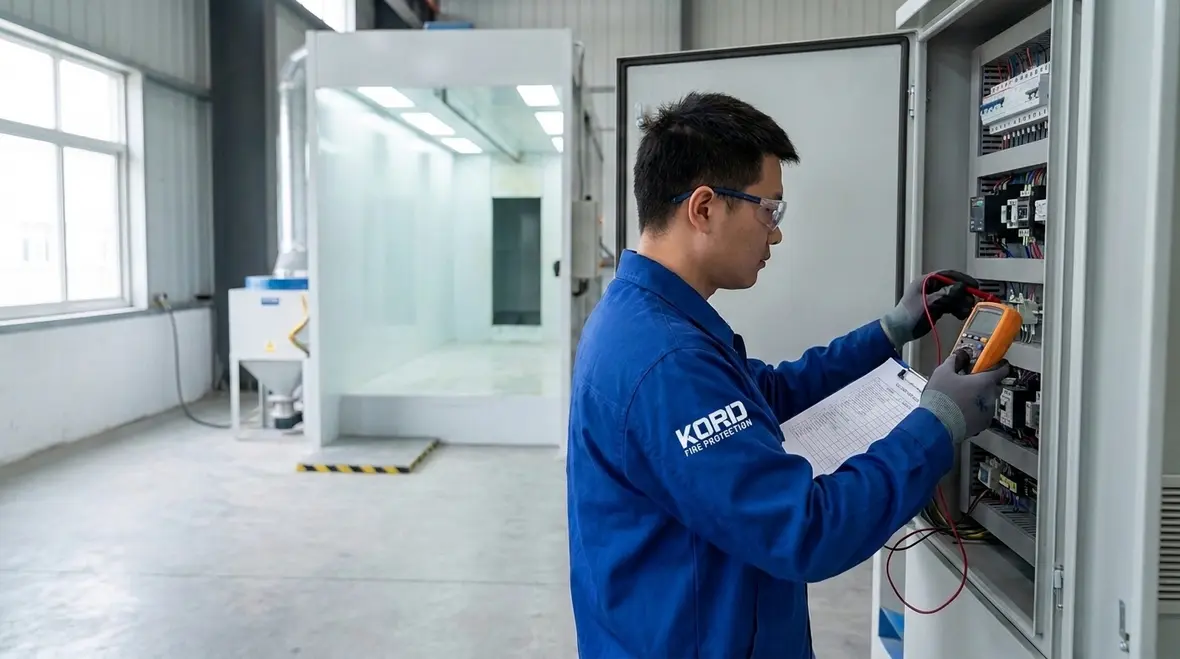
NFPA 33 Section 15.10: Operating and Maintaining Powder Coating Equipment
Quick Answer
NFPA 33 Section 15.10 requires facilities to operate and maintain powder coating equipment to control ignition sources, manage housekeeping, and ensure safe system performance. Compliance depends on documented inspection routines, correct operation of protective systems, and timely repair of wear-prone components that affect powder handling safety.
Facilities tightening maintenance documentation and verification workflows can also benefit from fire safety compliance management with automated documentation, especially when inspection records, corrective actions, and restart approvals need to behave like one organized system instead of a filing cabinet with trust issues.
Why NFPA 33 powder coating operation maintenance requirements matter in real facilities
In commercial and industrial powder coating operations, ignition risk often changes with equipment condition, maintenance quality, and the way operators respond to process upsets. NFPA 33 powder coating operation maintenance requirements are written to reduce those risks by maintaining intended engineering controls and preserving safe operating characteristics. In practice, compliance failures usually come from deferred repairs, incomplete cleaning, degraded electrical protection, or poor verification of recovery and dust management systems.
At a typical facility, compliance audits also focus on how maintenance is documented, how performance problems are triaged, and whether the installed fire protection features still function as designed after replacements and repairs. Kord Fire Protection supports this work through practical inspection planning, testing coordination, and maintenance verification that aligns day to day operations with NFPA expectations.
What Section 15.10 expects for operating powder coating equipment
NFPA 33 Section 15.10 is grounded in the idea that equipment safety depends on operating within the system’s designed limits. The operating portion focuses on maintaining safe powder handling conditions and preventing scenarios that can create combustible dust hazards or ignition pathways.
Operating control points that commonly drive compliance outcomes
- Powder feed stability: Excessive surging can increase fugitive powder and overload recovery or exhaust systems.
- Electrostatic system performance: If voltage, grounding, or polarity controls drift due to component wear or improper setup, the risk picture changes.
- Conveyance and transfer integrity: Leaks, damaged seals, or worn hoses can increase dust accumulation around critical zones.
- Cabinet and booth operating condition: Damper positions, airflow patterns, and filter loading must support safe containment and dust removal.
Common operating failures tied to maintenance gaps
- Running equipment after alarms or fault codes without corrective maintenance documentation.
- Bypassing interlocks or operating with damaged guards to “keep production moving.”
- Failure to calibrate or verify control components that affect powder output and exhaust balance.
- Neglecting grounding and bonding checks that support safe electrostatic operation.
Inspection and preventive maintenance program: build it like a compliance system
NFPA 33 Section 15.10 emphasizes ongoing maintenance practices rather than one time fixes. Facilities should run a preventive maintenance program that links specific tasks to specific hazards, and then document results so the organization can demonstrate continued safe performance.
Best practice structure for documented maintenance
Use a written schedule that includes:
- Task frequency: Daily checks, periodic inspections, and scheduled replacements.
- Responsible roles: Who performs the task, who verifies it, and who approves corrective actions.
- Pass fail criteria: What “good” looks like for airflow, grounding continuity, filter integrity, and system cleanliness.
- Corrective maintenance workflow: How defects trigger shutdown decisions and re verification before restart.
Local compliance challenges in commercial and industrial settings
Many facilities face recurring issues when maintenance responsibilities overlap. For example, the production team may clean the booth but not verify the dust collection system performance. Facilities with multiple shifts often experience inconsistent checks and missing records during handoffs. Retail and light industrial spaces may also have tighter ceilings and constrained access, which increases the risk that high dust areas go uninspected.
Kord Fire Protection helps facilities close these gaps by aligning inspection routines to real equipment mechanisms and by reinforcing verification practices that stand up during regulatory review.
Core maintenance focus areas for powder coating equipment under Section 15.10
Section 15.10 effectively requires attention to the equipment systems most likely to influence ignition control and combustible dust risk. The following areas represent the highest leverage for compliance and risk reduction.
Powder recovery, dust collection, and filtration systems
Dust collection performance often determines whether powder stays contained or becomes a recurring housekeeping problem. Maintenance should verify:
- Filter condition and integrity: Replace or service per manufacturer criteria; confirm no tears, bypass paths, or damaged seals.
- Airflow and pressure trends: Monitor loading effects and damper positions that impact containment.
- Collector operation: Ensure the mechanism operates as intended, including any designed cleaning cycles.
- Discharge handling: Maintain safe transport and prevent fugitive releases during emptying.
Failure points frequently include delayed filter changeouts, clogged ducts that shift airflow, and missed verification of differential pressure indicators. These issues can increase airborne dust and allow accumulation on surfaces that can later become ignition sources.
Electrostatic system, grounding, and bonding
Powder coatings typically rely on controlled electrostatic charging. Maintenance should ensure:
- Grounding continuity: Verify conductive paths and bonding points remain intact after repairs.
- Cable condition: Inspect for wear, insulation damage, or loose connections.
- High voltage components: Confirm connectors and control units remain within safe operating parameters per OEM guidance.
Because electrostatic systems can be sensitive to installation changes and component replacement, facilities should treat grounding verification and documentation as a recurring compliance requirement, not a one time commissioning activity.
Cabinet integrity, seals, and exhaust balance
Booth integrity controls fugitive emissions and supports safe containment. Maintenance should check:
- Door seals and access panels: Replace worn or misaligned seals that allow powder leakage.
- Exhaust routing and duct condition: Look for damaged sections, loose joints, and airflow restriction.
- Airflow balance: Confirm the system maintains designed capture performance during normal operation.
In busy facilities, cabinet components can take a beating from routine cleaning, product handling, and frequent access. Even small seal degradation can produce repeated powder release that later drives extensive housekeeping and increased dust accumulation.
Heaters, ignition sources, and electrical protection
Drying and curing processes can introduce additional ignition risk if equipment is not maintained properly. Maintenance should focus on:
- Heating equipment condition: Verify controls, limit switches, and protective devices operate correctly.
- Wiring integrity: Inspect for abrasion, loose terminations, and damaged insulation.
- Thermal protective features: Ensure engineered protection remains active and not disabled after troubleshooting.
Common failure points include bypassed safety devices, reused damaged wiring, and unclear troubleshooting documentation. These issues create the impression of compliance while undermining real safety performance.
Housekeeping and cleaning practices that reduce NFPA 33 exposure
Even well maintained mechanical systems fail if powder accumulates where it should not. Section 15.10 ties operating safety to the condition of the equipment and adjacent areas. Cleaning programs should be designed to remove powder accumulation without dispersing dust into the air.
Cleaning that works and cleaning that fails
- Effective cleaning: Use methods designed for combustible dust, minimize aerosolization, and verify that hidden areas are included.
- High risk cleaning: Dry sweeping that lifts dust, compressed air without controls, or incomplete removal behind panels.
Focus zones for powder accumulation
- Below and around recovery components
- Access panels and cable trays
- Floor edges near transfer points
- Horizontal ledges and structural recesses
For operational planning, Kord Fire Protection can help align inspection and testing with your cleaning and maintenance cycles so you can demonstrate consistent controls during audits.
How to verify ongoing compliance: inspections, records, and restart criteria
NFPA 33 compliance depends on more than performing maintenance. Facilities must verify that protective controls still perform as intended after repairs, filter changes, or component replacements.
Verification steps after maintenance and corrective repairs
- Pre restart checks: Confirm panels are closed, seals restored, guards replaced, and electrical connections secured.
- Functional verification: Validate airflow performance, indicators, and electrostatic system setup.
- Post work documentation: Record what changed, why it changed, and what verification confirmed safe operation.
Recordkeeping that auditors expect
- Maintenance work orders linked to specific equipment identifiers
- Manufacturer recommended service intervals where applicable
- Inspection results with measurable readings when available
- Corrective action closure dates and restart approvals
To strengthen facility documentation workflows, facilities can also review Kord Fire Protection resources on managing fire protection compliance auditing through structured inspection and testing. For additional context, see Kord Fire Protection.
Frequently Asked Questions
Call to action
Put NFPA 33 Section 15.10 into a maintenance and verification system your team can execute every shift. Kord Fire Protection can support your powder coating operation maintenance requirements with inspection planning, testing coordination, and documentation support that aligns with commercial facility expectations. Schedule an assessment to identify high risk failure points, confirm your maintenance intervals, and strengthen compliance before the next audit.

Join Our Newsletter!
Get the latest fire safety tips delivered straight to your inbox From our Newsletter.



