
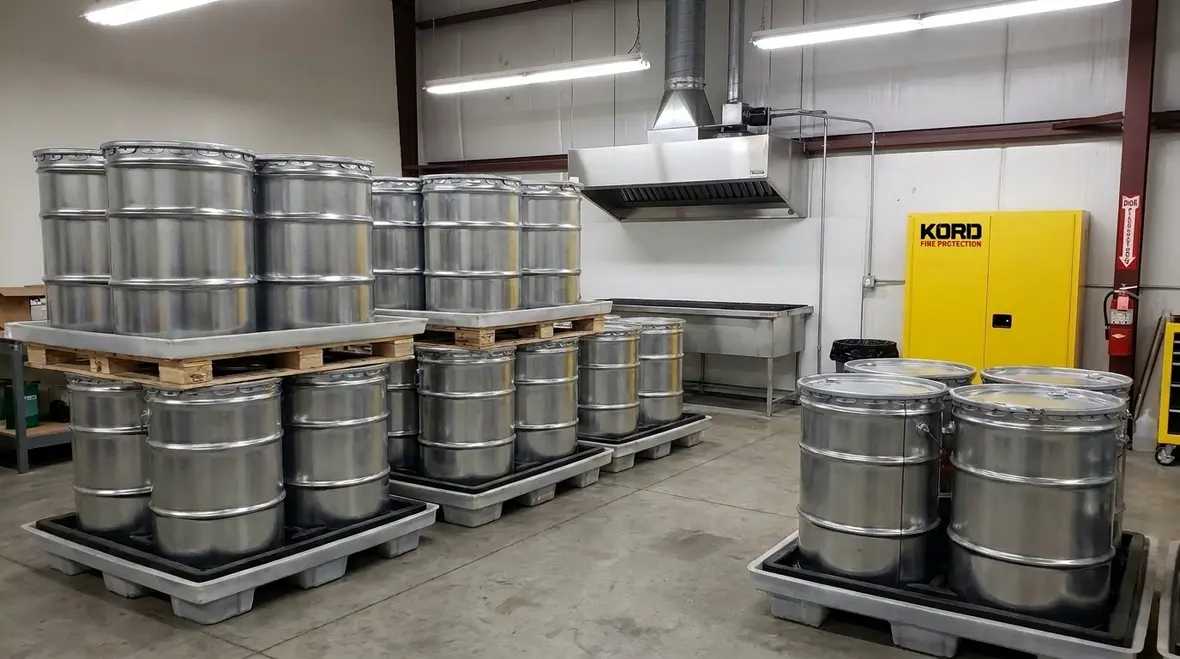
NFPA 33 Section 17.4: Resin Storage for Glass Fiber-Reinforced Plastics
Quick Answer
NFPA 33 Section 17.4 sets practical requirements for storing resins used with glass fiber reinforced plastics, focusing on container control, separation from ignition sources, ventilation, spill readiness, and inspection. Facilities must align resin storage practices with the resin hazards, room conditions, and maintenance routines to sustain compliance.
What does NFPA 33 Section 17.4 require for resin storage?
NFPA 33 Section 17.4 governs how facilities store resins and related materials used in processes involving glass fiber reinforced plastics. The compliance goal is consistent: prevent uncontrolled ignition, limit fire spread, manage flammable vapor accumulation, and ensure the storage arrangement supports safe operation.
From a commercial and industrial perspective, the most frequent execution gaps occur at the interfaces between compliance documentation and day to day operations. Those interfaces typically include resin container handling, placement near electrical or heating sources, ventilation performance, housekeeping discipline, and readiness for spills and leaks. For facilities searching for guidance aligned with NFPA 33 resin storage glass fiber reinforced plastics, the section should be treated as a process control standard, not only a storage layout rule.
How resin hazards drive storage design and controls
Resins used with glass fiber reinforced plastics often include components that can produce combustible vapors and, in some cases, flammable atmospheres. Even when bulk resin is stored in approved containers, the facility must manage vapor release and ignition potential from normal handling and credible upset conditions such as small leaks, damaged lids, or overflow during transfer.
NFPA 33 expectations generally translate into these operational outcomes:
- Container integrity and labeling: Resin containers must remain closed, correctly identified, and maintained to prevent seepage and vapor leakage.
- Control of ignition sources: Storage areas need strict coordination with electrical equipment, hot work policies, and any sources of sparks or elevated surfaces.
- Environmental management: Ventilation and airflow patterns need to support safe vapor control rather than spreading vapors to occupied areas.
- Spill and release readiness: Storage and transfer areas must support rapid response to drips, minor spills, and leaking containers.
Because resin storage controls do not exist in a vacuum, it also helps to align this work with broader readiness practices around fire pump testing requirements so documentation, inspection rhythms, and corrective action tracking stay consistent across the facility.
Where resin storage commonly fails during inspections
Inspectors usually find issues when the storage system relies on informal practices. The most common failure points in resin storage programs include:
1) Open or mismatched containers
Containers left partially open during staging, repackaging, or production rushes can increase vapor release. Mismatched lids, deteriorated gaskets, or unclear contents create both fire and hazmat risk. A compliant program standardizes approved container types, lid condition checks, and a clear ready for production versus in storage segregation.
2) Inadequate separation from ignition and heat sources
Even when containers are in the right room, they may sit near ignition sources such as motor housings, unprotected lighting, static generating equipment, or routinely hot surfaces. Facilities should map ignition source locations and control resin placement accordingly, including temporary staging zones.
3) Ventilation that does not match actual conditions
Ventilation controls must work under normal airflow patterns and during typical transfer activity. A common compliance problem is the presence of ventilation hardware without verification of performance, resulting in vapor migration or accumulation near floor level or in corners.
4) Poor spill containment and housekeeping
Resin drips during transfer and minor leaks from valves or pouring spouts can contaminate floors. Over time, residue can increase fire load and complicate cleanup. NFPA 33 compliance depends on containment measures that support quick cleanup and prevent residue from accumulating in ignition pathways.
Operational procedures that support NFPA 33 compliance
Compliance sustains when resin storage and handling procedures are integrated into daily work instructions. Facilities typically improve results by implementing standardized controls for receiving, inspection, staging, transfer, and return to storage.
Receiving and container checks
- Verify container condition, closures, and labels at receipt.
- Quarantine damaged containers and keep them out of production staging until evaluated.
- Confirm compatible containment for each resin type.
Staging and transfer controls
- Use defined staging distances and secondary containment for transfer activities.
- Maintain closed container discipline during non transfer periods.
- Train personnel on leak indicators and immediate response steps.
Maintenance routines and documentation
- Inspect ventilation performance and document inspections and corrective actions.
- Verify that spill response materials remain accessible, replenished, and compatible with resin chemistry.
- Schedule periodic checks of storage racks, secondary containment, and container integrity.
Commercial facilities that treat these steps as maintenance tasks and training topics, not optional housekeeping activities, typically reduce both incident likelihood and inspection findings.
Commercial facility standards: coordination with safety systems
NFPA 33 compliance in resin storage areas often requires coordination across multiple commercial building safety programs. Facilities should align fire protection, electrical controls, and operating procedures so the hazard controls do not conflict with operational realities.
Key coordination points include:
- Hot work permitting and supervision: Resin storage areas require strict permit enforcement because ignition risk increases during maintenance and fabrication.
- Electrical equipment selection and maintenance: Ensure proper protection of lighting, outlets, and nearby equipment according to site requirements and hazard classification.
- Emergency planning and drills: Spill response and evacuation triggers should reflect actual storage locations and access routes.
- Fire protection impairment controls: Define steps for what happens when suppression or related systems are taken out of service.
Because resin storage risks depend on the exact layout, equipment, and work patterns, facilities benefit from a service partner that can test, inspect, and document fire protection performance while keeping operations running. Kord Fire Protection supports ongoing commercial compliance through inspection, maintenance, and testing workflows designed to keep safety systems reliable.
For related guidance on system readiness and routine compliance work, facilities can review fire pump testing documentation across global codes to align documentation and readiness expectations across building systems.
Frequently Asked Questions
Get NFPA 33-ready resin storage documentation and inspections
Resin storage compliance succeeds when hazard controls match daily operations. Kord Fire Protection helps commercial facilities validate safety readiness through inspection, maintenance, and testing support aligned with NFPA expectations. Contact Kord Fire Protection to assess your current resin storage practices, identify high-risk gaps, and build a practical compliance plan your team can maintain.

Join Our Newsletter!
Get the latest fire safety tips delivered straight to your inbox From our Newsletter.



