
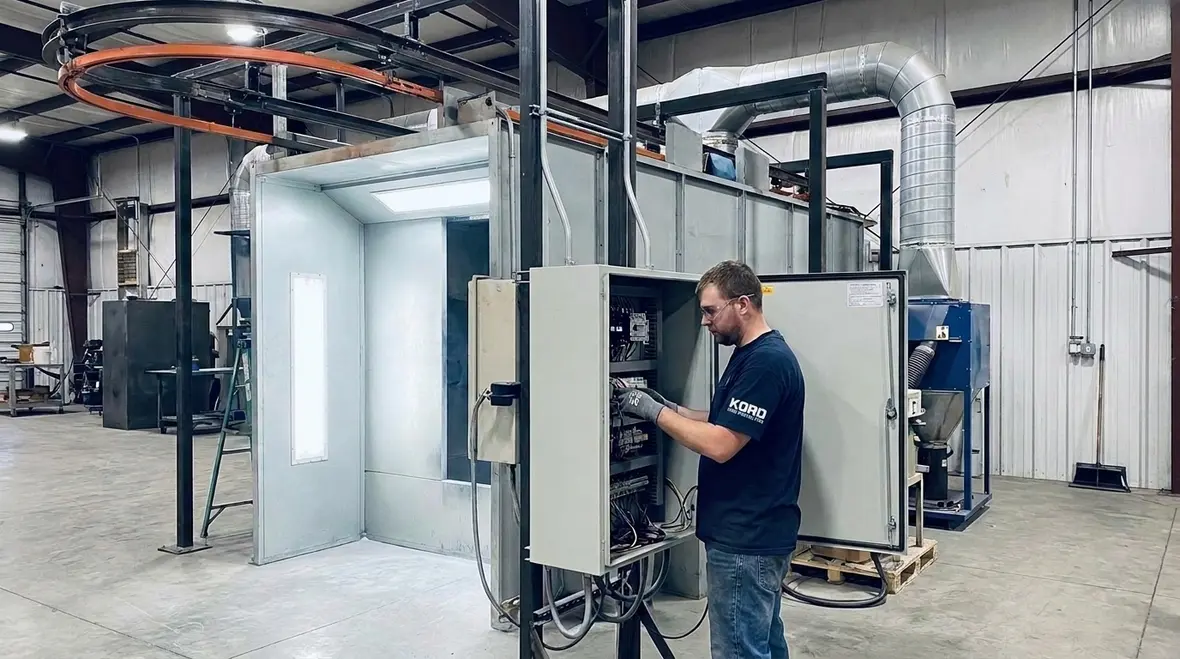
NFPA 33 Section 15.6: Electrical and Ignition Sources in Powder Coating
Quick Answer
NFPA 33 Section 15.6 requires powder coating systems to control electrical equipment and other ignition sources that could ignite powder and coating vapors. Compliance focuses on approved equipment, proper installation, continuous maintenance, bonding and grounding, and verified prevention of faults that can create hot surfaces or sparks.
For a closely related compliance angle, review NFPA 33 Section 6.1: Electrical and Other Ignition Sources for broader context on how ignition source control fits into spray operation safety.
Why Section 15.6 Matters for Powder Coating Safety
Powder coating facilities operate with finely divided combustible solids suspended in air and transported through gun assemblies, ducts, collectors, and recovery equipment. NFPA 33 powder coating electrical ignition sources represent one of the most common pathways for ignition when electrical systems fail, are misinstalled, or degrade over time.
In commercial, industrial, and retail finishing environments, ignition risks often originate less from “one big failure” and more from small, recurring issues such as poor grounding continuity, damaged cable jackets, worn motor components, loose electrical connections, or collector emissions that create combustible dust accumulations. Section 15.6 focuses attention on controlling electrical and ignition sources across the production lifecycle, not just at start up.
What NFPA 33 Section 15.6 Requires: Control of Electrical Ignition Sources
Section 15.6 centers on ensuring that electrical devices and systems do not produce ignition capable energy in hazardous powder coating areas. This is typically achieved through a combination of:
- Using listed or approved electrical equipment suitable for the location and hazard classification.
- Preventing ignition from sparks, arcing, hot surfaces, frictional heating, and electrical faults.
- Maintaining integrity of wiring, enclosures, fittings, and component condition.
- Maintaining bonding and grounding for conductors, equipment frames, and conductive parts.
- Establishing inspection and maintenance practices that detect deterioration before ignition conditions develop.
For facilities managing multiple lines, the compliance challenge increases because equipment often spans different room conditions, airflow patterns, and maintenance schedules. Kord Fire Protection supports ongoing compliance by implementing practical field verification and documentation aligned with commercial inspection needs.
Where Ignition Sources Show Up in Real Systems (and How They Fail)
Facilities typically identify ignition sources around obvious devices, but NFPA 33 requirements apply broadly to any electrical element capable of producing ignition energy. The sections below describe common failure points and operational mechanisms that lead to ignition risk.
1) Motors, Drives, and Mechanical Interface Heat
Motors and variable frequency drives can create hazardous conditions when seals fail, bearings wear, ventilation becomes obstructed, or electrical insulation degrades. Overheating can produce hot surfaces, and electrical faults can create arcing or sparking at terminals and internal components.
Common failure indicators include discoloration at terminal boxes, inconsistent motor temperature during cycles, nuisance tripping without corrective repair, or visible corrosion on control cabinet components.
2) Control Cabinets, Switching Devices, and Loose Connections
Loose terminations and worn contactors can cause arcing, especially under vibration and thermal cycling. Powder environments also accelerate wear through dust intrusion if enclosures are not properly sealed.
Operational best practice includes tightened torque verification during maintenance, enclosure integrity checks, and preventing dust accumulation around breakers, terminals, and contact points.
3) Wiring, Conduit, and Cable Jacket Integrity
Damage to cable jackets or conduit fittings can expose conductors or create pathways for sparking. Cable insulation degradation can occur from abrasion, chemical exposure from cleaning agents, or mechanical strain during line movement and access.
Facilities often miss cable routing changes made during line upgrades, where spare cable loops sit near hot surfaces or where conduits penetrate unsealed openings.
4) Bonding and Grounding Continuity for Static Control
Bonding and grounding do not “eliminate” all ignition sources, but they reduce the likelihood of static discharge events that can ignite powder. Poor grounding continuity may result from corrosion at contact points, loose ground straps, paint buildup on conductive paths, or replacement of components with non compatible hardware.
A key compliance challenge in powder coating electrical ignition sources is verification that grounding connections remain durable over time, not only at initial installation.
5) Collector Systems and Residual Dust Handling
Dust collectors, recovery equipment, and ducting can concentrate combustible material. Electrical components inside or adjacent to these systems may become ignition sources if dust contamination interferes with cooling, insulation, or switchgear operation.
Risk increases when collectors run outside intended airflow parameters, when filtration media degrades, or when residual dust accumulates around electrical enclosures.
Operational Controls: Inspection, Testing, and Maintenance Practices
NFPA 33 compliance depends on operational discipline. Section 15.6 aligns with a maintenance philosophy that prevents ignition capable conditions before they occur. The following practices typically support inspection readiness and reduce the likelihood of field failures.
Establish a Documented Electrical Ignition Source Program
- Identify electrical components within powder coating areas and adjacent zones where dust accumulation occurs.
- Record the equipment rating, installation standard, and location suitability evidence for the hazardous environment.
- Track maintenance intervals and corrective actions for recurring defects.
Perform Targeted Inspections During Production Downtime
- Inspect control cabinets for dust intrusion and verify enclosure closures and gaskets.
- Check termination integrity for evidence of heat damage, arcing, or corrosion.
- Verify cable routing, strain relief, and conduit seal conditions at penetrations.
- Confirm bonding straps and ground paths remain continuous and free of paint or corrosion at interfaces.
Verify Protective Equipment Condition and Suitability
Protective devices and rated components should remain in serviceability condition. When equipment is replaced, facilities must ensure the new component remains suitable for the location and hazard conditions. “Equivalent” replacements can fail compliance if they are rated for a different environment or lack required enclosure integrity.
Use Thermal and Electrical Fault Clues as Triggers
Even without visible damage, operational symptoms provide early warnings. Facilities should treat recurring breaker trips, repeated motor overloads, inconsistent grounding alarm indicators, or frequent contactor replacement as red flags that require investigation under NFPA 33 powder coating electrical ignition sources expectations.
Commercial Compliance and Documentation: What Inspectors Expect
Commercial facilities need inspection evidence that the hazard controls remain effective beyond installation. Inspectors and internal safety teams often expect alignment between written procedures and field reality.
- Up to date records for electrical inspections and corrective maintenance actions.
- Verification that equipment used within powder coating areas remains properly installed and suitable.
- Demonstrated bonding and grounding continuity verification practices where applicable.
- Clear procedures that define responsibility, frequency, and acceptance criteria.
Kord Fire Protection helps industrial and commercial operations bridge the gap between standards and field conditions through practical compliance support, inspections, and maintenance planning. For related powder coating fire protection guidance, review fire suppression system services and request a tailored assessment.
Frequently Asked Questions
Next Step: Build a Defensible Electrical Ignition Source Maintenance Plan
Facilities should review their electrical component condition, enclosure integrity, bonding and grounding continuity, and dust exposure pathways, then align maintenance tasks with NFPA 33 Section 15.6 expectations. Contact Kord Fire Protection to conduct a compliance focused assessment and create an inspection and maintenance schedule that supports consistent field performance and documentation readiness.

Join Our Newsletter!
Get the latest fire safety tips delivered straight to your inbox From our Newsletter.



