
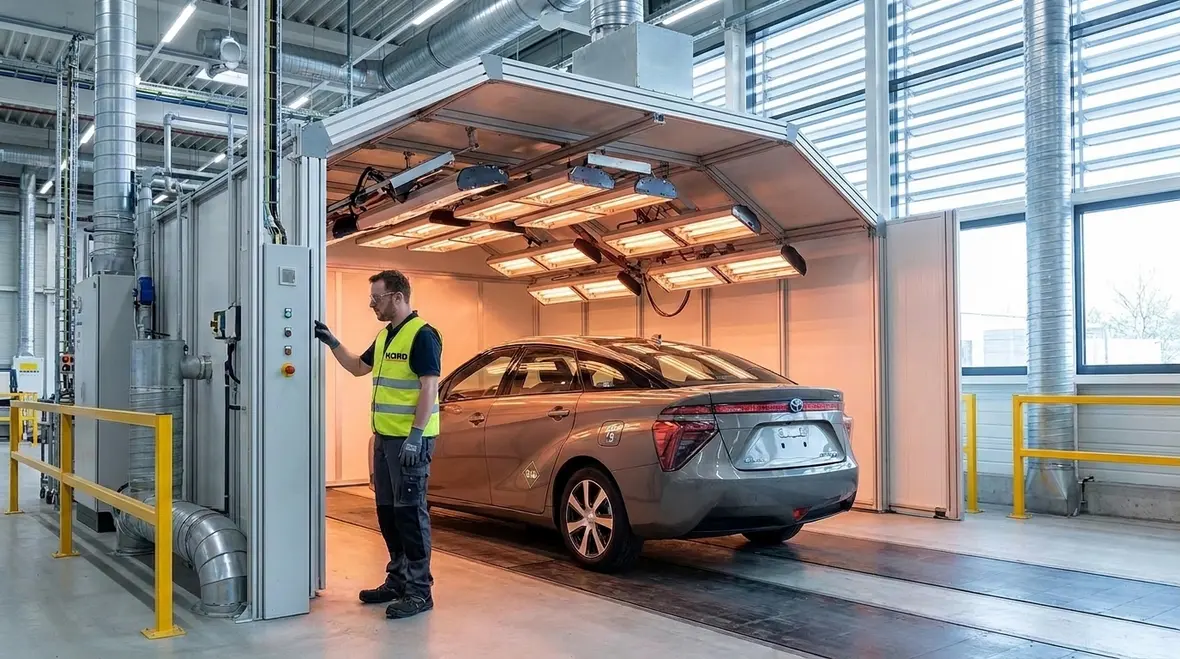
NFPA 33 Section 13.4: LPG, CNG, or Hydrogen Fueled Vehicles in Drying and Curing
Quick Answer: NFPA 33 Section 13.4 addresses fire and explosion hazards during drying and curing of vehicles fueled by LPG, CNG, or hydrogen. The rule focuses on controlling ignition sources, managing fuel system risks, and using procedures that prevent unsafe conditions during process operations.
For a broader look at keeping systems inspection-ready over time, facilities often benefit from a practical inspection, testing, and maintenance fire protection program that supports auditable safety performance.
Why NFPA 33 Section 13.4 Matters for Drying and Curing Operations
Facilities that dry or cure coated parts or vehicle surfaces must treat fuel type as a primary risk driver. When a vehicle uses LPG, CNG, or hydrogen, the drying and curing environment can introduce additional ignition potential through heaters, blowers, hot work near enclosures, static charge, and air movement that may expose or transport fuel vapors.
For compliance and practical safety planning, NFPA 33 hydrogen CNG LPG vehicle drying curing requirements push operators to prove that hazardous fuel conditions do not occur during the drying or curing window. That means more than “turning down equipment.” It requires procedure control, verification, and maintenance discipline.
What Section 13.4 Requires: Practical Risk Controls During the Drying Cure Window
Section 13.4 focuses on how drying and curing operations interact with alternative-fuel vehicles. In practice, the compliance challenge is demonstrating that the facility controls all credible ignition and fuel release pathways while the vehicle is in the drying or curing zone.
1) Treat the vehicle fuel system as an active hazard boundary
NFPA 33-compatible programs treat the vehicle fuel system as a boundary that must not be compromised by facility operations. The drying and curing process often increases temperatures and airflow, which can affect seals, fittings, and venting behavior on the vehicle. Facility procedures must define what vehicle operating states are permitted during process time and how staff verify readiness before starting equipment.
2) Control ignition sources around the drying and curing environment
Drying and curing equipment introduces ignition potential through hot surfaces, electrical components, and air movement that can create localized conditions. Section 13.4 drives facilities to evaluate ignition sources in the context of each fuel type. Hydrogen requires particular attention due to its high diffusivity and the possibility of rapid dispersion.
3) Maintain continuous procedural control, not intermittent “checkpoints”
Many incidents in drying areas occur due to process drift. For example, staff may postpone a verification step, adjust airflow to meet throughput targets, or bypass an interlock during troubleshooting. A Section 13.4 approach requires controls that remain effective during the entire drying or curing duration, including startup, steady state, and cooldown.
How to Comply by Fuel Type: LPG, CNG, and Hydrogen
Compliance planning should start with a fuel specific failure mode review. The facility’s operational procedures and inspection points should reflect how each fuel behaves under abnormal conditions.
LPG (Propane) drying and curing risk focus
LPG is heavier than air and can accumulate in low areas if a release occurs. During vehicle drying and curing, the facility must ensure that equipment placement, ventilation performance, and clearance from pits, trenches, and door thresholds do not create a pooling hazard. Static control and electrical classification checks should align with the facility hazard assessment for the drying zone.
CNG drying and curing risk focus
CNG is lighter than air and disperses differently than LPG, but it still presents serious hazards. Drying and curing operations that increase airflow can spread a release. Facility procedures should define how staff handle any suspected fuel odor, abnormal venting, or unexpected changes in ventilation pressure. Staff training should include immediate stop actions and escalation steps.
Hydrogen drying and curing risk focus
Hydrogen poses unique challenges for NFPA 33 hydrogen CNG LPG vehicle drying curing. The gas can diffuse rapidly and form ignitable mixtures over a wide range. Facilities must ensure that ventilation is effective where hydrogen can travel, that ignition sources are tightly controlled, and that equipment grounding and bonding practices prevent static related ignition. Even small procedural deviations can undermine containment and dispersion management.
Operational Procedures That Reduce Failure Points
Facilities typically fail Section 13.4 compliance during day to day operations rather than on paper. Strong compliance comes from clear, enforceable steps and equipment that remains in a safe operating state.
Pre-start verification checklist for every vehicle
Before drying or curing starts, staff should confirm the vehicle is in an approved condition for the process. Your checklist should address, at minimum, fuel system readiness as defined by the written procedure, confirmation that the vehicle is positioned to maintain safe clearance from ignition sources, and confirmation that ventilation and monitoring equipment is operational.
Equipment controls and maintenance requirements
NFPA 33 compliance depends on equipment that performs reliably during every shift. Focus on:
- Ventilation performance: ensure fans, dampers, and make up air systems operate as intended and recover from door openings without creating unacceptable transient conditions.
- Ignition control: inspect heaters, blowers, and electrical components for wear, improper repairs, and degraded enclosures.
- Static control: verify grounding and bonding devices where required by the facility hazard assessment.
- Detection and alarm readiness: if the facility uses monitoring, verify calibration schedules, functional tests, and alarm response workflows.
- Emergency shut down response: ensure staff can stop the process quickly and safely, and that the shutdown logic remains verified.
Common noncompliance patterns to correct early
- Process bypass: technicians override interlocks during rework without restoring safe configuration.
- Inadequate ventilation during cycle transitions: ignition risk changes between startup and steady state, but operators treat all phases the same.
- Delayed maintenance: worn seals, loose fittings, and aging electrical enclosures lead to intermittent releases that become “hard to document.”
- Insufficient training for alternative fuel hazards: staff understand coating or curing chemistry but not the fuel release dynamics and required stop actions.
Inspection, Documentation, and Auditable Compliance
Auditors and insurers typically look for evidence that the facility controls hazards consistently. Documentation must connect the written procedures to actual performance results.
Build an audit trail that links hazards to controls
Your program should include a hazard assessment basis for each fuel type present, a mapping of controls to NFPA 33 expectations, and records of inspections and tests. Keep documentation current and tied to the drying and curing zone layout and equipment inventory.
Inspection targets that matter for drying and curing zones
- Ventilation system inspection results, including performance verification where used
- Electrical equipment inspections for damaged enclosures and integrity of rated components
- Grounding and bonding verification records
- Monitoring system functional test results, calibration certificates, and alarm management workflow training
- Emergency procedure drills and evidence of corrective actions
As a commercial partner, Kord Fire Protection supports facilities by aligning inspection and maintenance practices with the operational reality of alternative fuel vehicle work. For facilities that want a structured approach to building or validating their life safety and fire protection program, reference Kord Fire Protection for professional compliance and ongoing service support.
Related reading from Kord also helps connect code intent to real-world system planning, especially when building a comprehensive fire protection system that stays practical instead of turning into a paperwork obstacle course.
Frequently Asked Questions
Next Step: Get Your Drying and Curing Controls Audit Ready
If your facility supports alternative fuel vehicles in drying or curing areas, confirm that your procedures, ventilation performance, ignition controls, and inspection documentation align with NFPA 33 expectations. Engage Kord Fire Protection to validate your program, identify gaps in day to day execution, and keep compliance current through testing and maintenance cycles. Schedule a review so your drying and curing operations remain safe, auditable, and reliable.

Join Our Newsletter!
Get the latest fire safety tips delivered straight to your inbox From our Newsletter.



