
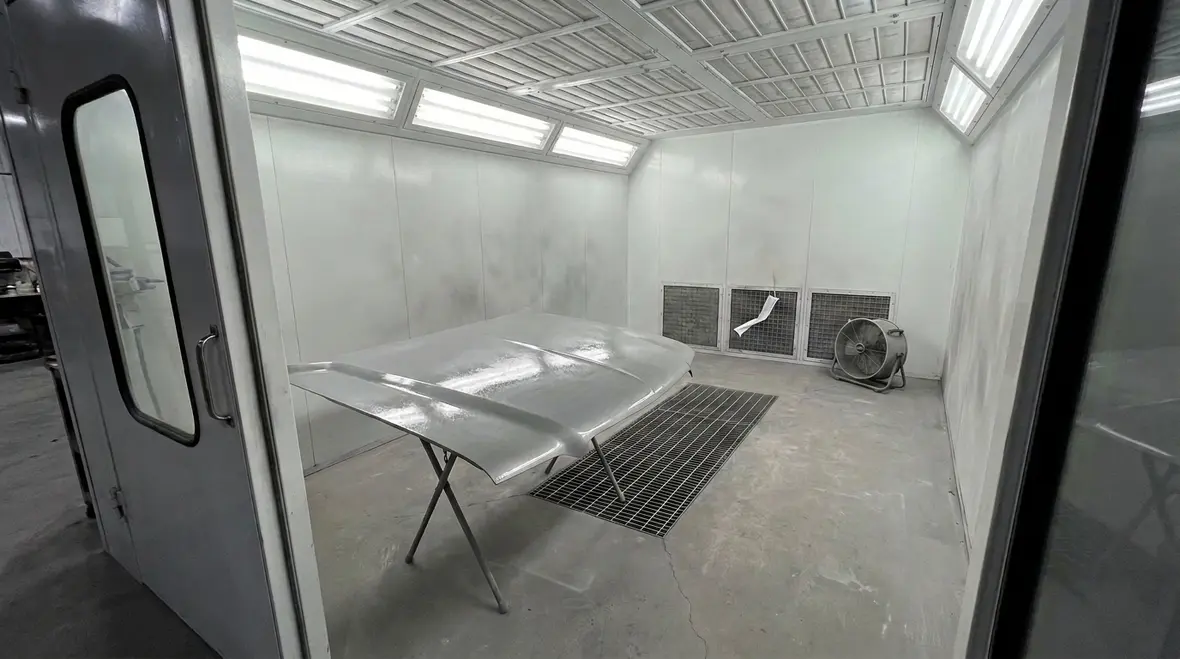
NFPA 33 Section 13.2: Ambient Air Drying in Spray Booths and Rooms
Quick Answer: NFPA 33 Section 13.2 sets safety controls for ambient air drying of sprayed coatings. It focuses on preventing ignition of flammable vapors during dry-off, through proper design, airflow management, housekeeping, and ongoing inspection of spray booth and room conditions.
If your facility is reviewing spray operation airflow and hazard controls, it also helps to understand make-up air requirements for spray operation exhaust systems, since drying safety depends heavily on stable air balance and exhaust performance.
Why NFPA 33 Section 13.2 matters for ambient drying
Ambient air drying uses natural room or booth airflow to dry coatings without supplemental heat. For a facility, this can appear straightforward, but it can also create a prolonged vapor release period. The NFPA 33 ambient air drying spray booth room environment can accumulate flammable solvent vapors if ventilation, air movement, and vapor control are not maintained as designed.
NFPA 33 Section 13.2 emphasizes that drying is not the same as safe storage. The hazards that drive protection during spraying often continue during dry-off, especially when coatings flash, off gas, or cure slowly due to temperature, humidity, or film thickness.
Commercial facilities commonly face compliance challenges because drying conditions change day to day. Production schedules, filter loading, damper positions, makeup air balance, and exhaust performance can drift without a disciplined inspection and maintenance program.
What NFPA 33 Section 13.2 requires during ambient air drying
Section 13.2 centers on controlling ignition sources and ensuring the drying area does not become a flammable atmosphere. While exact wording and applicability can vary by system design, inspectors generally look for evidence that the drying method, ventilation arrangement, and operating controls prevent unsafe vapor accumulation.
- Engineering control of airflow: The drying area must maintain ventilation effectiveness consistent with the ventilation strategy used during spraying and booth operation.
- Ignition source management: Electrical and mechanical equipment in the area must be appropriate for the hazard classification and intended operating conditions.
- Defined operating practices: The process must specify when drying occurs, how long it takes, and what shutdown or safety interlocks exist if ventilation fails.
- Housekeeping discipline: Overspray accumulation, solvent-soaked debris, and dust buildup can increase risk and interfere with ventilation performance.
In practice, compliance depends on verification that the facility still operates within its design parameters, not just that the original installation met code requirements.
How ambient air drying changes the hazard profile in a spray booth room
During spraying, ignition hazards are concentrated in the active spray zone. During ambient drying, hazards shift. Vapor release continues as solvents evaporate and coating solids transition to tack-free and then cured states. In a NFPA 33 ambient air drying spray booth room, the following operational factors frequently increase risk:
- Air movement that is too weak or improperly directed: Vapors can stratify or pool, especially near low points or stagnant corners.
- Reduced exhaust effectiveness: Filters load over time, duct restrictions form, and fans lose performance as belts age or impellers accumulate debris.
- Process variability: Different coating viscosities, film thickness, and application techniques extend off gassing.
- Room condition drift: Door openings, traffic patterns, and weather influenced pressure changes alter airflow balances.
For commercial and industrial properties, the most common compliance failure is not equipment absence, but performance drift. Ventilation and airflow measures can decline gradually without obvious symptoms until an inspection or an incident forces corrective action.
Inspection and maintenance targets that keep dryers compliant
NFPA 33 compliance for ambient air drying depends on maintenance practices that keep ventilation and hazard controls at design intent. Kord Fire Protection typically focuses inspections on the elements that create measurable change over time.
1) Ventilation performance verification
Inspectors and safety teams should confirm that exhaust and makeup air systems maintain intended airflow during drying. Key checks include:
- Airflow rates at representative points in the booth and drying room
- Static pressure across exhaust and filtration components
- Damper positions, sequence of operation, and control setpoints
- Fan operation verification, including belt tension, motor temperature behavior, and vibration indicators
2) Filter loading and airflow path integrity
Filters that are loaded can reduce airflow, while improper filter seating can create bypass paths. Routine replacement and verification prevent hidden reductions in capture and exhaust effectiveness, which can increase vapor accumulation during off gassing.
3) Interlocks, alarms, and ventilation failure response
Ambient drying systems should include clear operational control so drying does not continue under unsafe ventilation conditions. Kord Fire Protection helps facilities verify that alarms and any linked shutdown or permissive logic function as intended during seasonal changes and after maintenance events.
4) Housekeeping and solvent residue control
Accumulated overspray, solvent-soaked rags, and debris can both create additional fuel load and disrupt airflow. Facilities should document cleaning frequencies, waste handling procedures, and storage controls for combustible materials removed from spray and drying areas.
Common failure points during ambient drying in commercial facilities
These issues repeatedly surface in commercial inspections because they combine code-relevant hazards with real world operational drift:
- Exhaust fans running, but not moving enough air: Dirty impellers, restricted ducts, or worn belts can keep fans operating while capture performance declines.
- Door usage that interrupts pressure control: Frequent door openings can change pressure relationships and move vapors out of intended boundaries.
- Blocked or misrouted ductwork: Maintenance oversights can introduce turbulence or dead zones that trap vapors.
- Improper equipment placement: Ignition capable equipment introduced during renovations or upgrades may not match the hazard assumptions for the drying area.
- Inconsistent drying schedules: Longer dry-off times due to production shifts can extend the period of vapor evolution beyond what operators plan for.
For retail and light industrial locations, the operational reality is often different from a dedicated manufacturing plant. Kord Fire Protection supports these sites by aligning inspection plans with how the space is actually used, not only how it was originally designed.
Compliance documentation and how to prove ongoing safety
NFPA 33 expectations are strengthened when facilities maintain clear records showing that controls continue to perform. Effective documentation often includes:
- Ventilation test reports or periodic airflow verification records
- Maintenance logs for fans, belts, motors, duct cleaning, and filter replacement
- Inspection checklists covering housekeeping, waste handling, and process area integrity
- Operational procedures for drying start and stop, including response to ventilation alarms
- Training records confirming that operators understand drying hazards and control actions
To strengthen an internal compliance program, facilities can review related guidance on ventilation and fire safety readiness through Kord Fire Protection resources. For example, visit Kord Fire Protection fire suppression services to understand how protection strategies are maintained alongside process hazard control.
Frequently Asked Questions
Next step: schedule a compliance-focused review
Facilities should not wait for an inspection to discover performance drift. Kord Fire Protection can conduct a targeted ambient drying and spray booth room assessment, including ventilation verification, operational control review, and maintenance gap identification. Contact Kord Fire Protection to align your NFPA 33 requirements with how your drying room operates today, then document the results for audit readiness.

Join Our Newsletter!
Get the latest fire safety tips delivered straight to your inbox From our Newsletter.



