
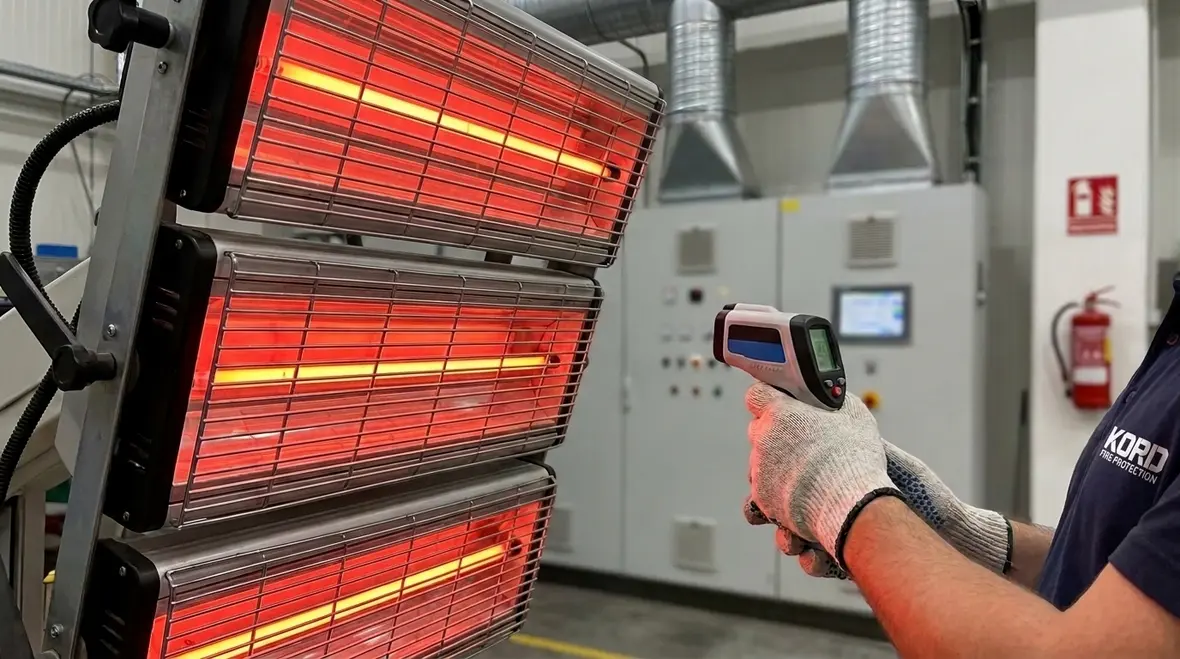
NFPA 33 Section 13.5: Radiant Drying Apparatus Requirements
Quick Answer
NFPA 33 Section 13.5 sets detailed construction, installation, control, and inspection expectations for radiant drying apparatus. The requirements focus on preventing ignition sources, managing radiant heat and surfaces, and ensuring controls operate reliably. Compliance also includes routine inspection and documented maintenance in commercial facilities.
For a broader look at inspection, testing, and maintenance programs that support code-driven reliability, see ITM Fire Protection Inspection Testing Maintenance. It fits naturally here because radiant drying compliance is rarely just about the heater. It is about whether the whole safety chain actually works when the process gets interesting. ([kordfire.com](https://kordfire.com/itm-fire-protection-inspection-testing-maintenance/?utm_source=openai))
What NFPA 33 Section 13.5 requires for radiant drying equipment
Facilities that use heated drying steps with flammable or combustible vapors must treat radiant drying systems as a controlled ignition source risk. The NFPA 33 radiant drying apparatus requirements are aimed at limiting ignition probability from radiant heaters, associated controls, interlocks, fans, ducts, and the physical installation environment. For commercial and industrial operators, the practical goal is simple: keep radiant energy, hot surfaces, and electrical controls within safe parameters while maintaining predictable shutdown and safe operating modes during normal and abnormal conditions.
Because radiant drying apparatus often sits inside processing rooms or production lines, compliance success depends on integrated risk controls. Those controls typically include heater placement, guarding, airflow management, temperature limiting, electrical safety practices, and documented inspection routines.
Where compliance failures usually occur in radiant drying apparatus
Audits and field inspections frequently identify repeat issues that erode compliance, especially in facilities with frequent process changes or contractors maintaining equipment. Common problem areas include:
- Improper heater zoning or placement that increases exposure of adjacent combustibles, packaging, or residues beyond expected limits.
- Surface temperature control gaps, where controls or sensors drift, bypass protection, or no longer match the intended setpoints.
- Fan and airflow interlock problems, including obstructed louvers, failed pressure switches, or wiring changes that reduce reliability.
- Damaged wiring, degraded insulation, or loose electrical terminations near radiant elements due to heat cycling and vibration.
- Inadequate guarding that allows contact with hot radiant surfaces or permits loading materials to foul heater zones.
- Dust, overspray, and residue buildup on reflectors, heater housings, and ductwork that can increase fire load and affect thermal performance.
These failures can look minor until the facility enters a high-risk operating window such as startup, shutdown, or a vapor release event. NFPA 33 requirements address that reality by expecting systems to behave safely through routine operation and credible upset conditions.
Equipment design and installation: keeping radiant systems “controlled”
Radiant drying apparatus design and installation requirements typically emphasize that radiant heat sources must be arranged and protected so that they do not become uncontrolled ignition sources. In practice, compliance reviews focus on the complete system, not just the heater.
1) Heater location, guarding, and exposure control
Installers and maintenance teams must ensure the radiant elements are positioned to prevent direct impingement on combustibles and minimize the likelihood that drying residues build up on hot surfaces. Physical barriers and clearances help maintain predictable heat transfer. Where the process includes automated loading, the facility should confirm that loading cycles cannot place containers or materials into contact or excessive proximity to hot zones.
2) Electrical controls and safe operating states
Radiant drying apparatus typically relies on controls that coordinate heater energization with process conditions such as airflow, exhaust operation, and acceptable vapor management. Compliance often hinges on control sequences that prevent heater operation when ventilation or critical sensors are not in a safe state. Field experience shows that improper maintenance or informal troubleshooting can inadvertently defeat those sequences.
3) Air movement and exhaust integration
Where the drying process generates flammable vapors, the apparatus must function within the facility’s ventilation and exhaust design intent. Blocked ducts, malfunctioning fans, or improperly calibrated airflow switches can cause a scenario where vapors accumulate near hot surfaces. Inspection programs should therefore verify that the exhaust system and radiant drying apparatus remain operationally coordinated.
Operational controls, interlocks, and shutdown performance
NFPA 33 Section 13.5 expectations are strongest when equipment performs correctly during transitions. Operational control testing should verify that the system does not energize radiant elements unless required conditions exist, and that it returns to a safe condition when conditions fail.
Test the sequence, not only the components
Inspectors and safety teams should validate the full sequence: start conditions, heater energization conditions, alarm or fault handling, and shutdown behavior. Many compliance gaps appear when only individual components are tested, for example, a heater contactor function, while the interlock logic or sequence verification is not performed.
Common failure points during operation
- Delayed responses where airflow proves acceptable only after heater energization, increasing ignition likelihood.
- Sensor misalignment or drift that causes the system to “think” ventilation exists when it does not.
- Bypass or hold modes used during production troubleshooting and not returned to normal after completion.
- Fault reset behaviors that allow automatic restart without required safe conditions.
Routine verification should include inspection of control panels, confirmation that interlocks are intact and not overridden, and documentation that links each test to the installed configuration.
Inspection and maintenance: what compliance programs should document
Radiant drying apparatus compliance depends on a disciplined maintenance program that addresses both safety critical components and the thermal environment around them. Many facilities maintain the heater itself while overlooking the elements that determine whether the heater stays safe.
Inspection checklist themes (field-proven)
- Verify physical condition of radiant elements, reflectors, and housings for cracks, warping, and deterioration.
- Inspect electrical terminations and wiring for heat damage, looseness, and insulation degradation.
- Confirm interlock and sensor operation, including proper response during airflow or control faults.
- Check guards, access panels, and protective covers to ensure they remain installed and secured.
- Remove residues and validate that cleaning methods do not leave combustible deposits on reflectors or heater housings.
- Verify exhaust and duct integrity near the drying line, including obstructions that can alter airflow.
Use service partners to reduce compliance drift
Commercial environments experience constant production pressure, meaning systems can gradually deviate from originally verified configurations. Kord Fire Protection supports ongoing compliance through inspection, testing, and maintenance assistance aligned with NFPA expectations and facility risk conditions. For related guidance on broader fire protection and inspection practices, refer to Kord Fire Protection. ([kordfire.com](https://kordfire.com/?utm_source=openai))
How to prepare for an NFPA 33 review of radiant drying apparatus
Facilities that prepare effectively reduce downtime and avoid last minute corrective actions. A practical approach focuses on demonstrating that the drying apparatus operates safely in context with ventilation and controls.
Build the documentation package
- Equipment identification details, including heater type, model, and installation location.
- As built or current wiring and control sequence descriptions that show interlock logic and safe shutdown behavior.
- Maintenance records showing periodic inspection and corrective actions for safety critical items.
- Cleaning and residue management procedures, including frequency and responsibility assignments.
- Test records demonstrating that required operating conditions are met before energization.
Confirm operational reality matches the documented sequence
During a review, inspectors often compare the described safety sequence with what operators experience on the floor. Kord Fire Protection commonly helps facilities reconcile those differences by aligning maintenance activities, control settings, and inspection outcomes so the actual system behavior supports the compliance narrative. For teams that want to tighten the paperwork side of that story too, Fire Safety System Documentation for Compliance is a useful related read. ([kordfire.com](https://kordfire.com/fire-safety-system-documentation-for-compliance/?utm_source=openai))
Frequently Asked Questions
Conclusion and call to action
NFPA 33 Section 13.5 compliance for radiant drying apparatus depends on controlled heater operation, dependable interlocks, and documented maintenance that accounts for heat, residues, and airflow realities. If your facility has multiple drying lines, frequent process adjustments, or recurring electrical and sensor issues, Kord Fire Protection can help you close gaps through inspection, testing, and ongoing support. Contact Kord Fire Protection today to assess your radiant drying systems and strengthen compliance readiness. ([kordfire.com](https://kordfire.com/?utm_source=openai))

Join Our Newsletter!
Get the latest fire safety tips delivered straight to your inbox From our Newsletter.



