NFPA 291 Fire Hydrant Color Coding Meaning for Sites
Quick Answer
NFPA 291 uses hydrant paint colors to show how much water a hydrant can deliver, and that matters for fire response, site planning, and compliance. In simple terms, the color tells crews whether a hydrant has strong flow, limited flow, or something in between. For industrial, retail, and commercial properties that want clearer fire protection planning, full fire protection services from kord fire protection can help keep that system practical, visible, and ready when it counts.
Fire hydrant color coding meaning may sound like a small detail, yet it carries real weight in an emergency. A red cap, a blue bonnet, or a yellow barrel is not decoration. It is a quick signal for firefighters, building managers, and safety teams who need fast answers. In the middle of a smoky scene, nobody wants to play guessing games like it is a late season plot twist. They need flow data they can trust, and NFPA 291 gives that language.
This guide explains what each hydrant mark color means, why it matters, and how commercial sites can use that knowledge to improve readiness. It also shows why kord fire protection can become a vital partner in inspection, testing, upkeep, and overall fire safety support. If you want the deeper standard behind the paint itself, Kord Fire Protection also has a practical breakdown in NFPA 291 Fire Hydrant Testing and Marking Guide 2026.
What NFPA 291 tells a site manager
NFPA 291 sets a simple system for marking hydrants based on available water flow. The goal is speed. Fire crews should be able to look at a hydrant and estimate how useful it will be before they even connect the hose. That helps shape response plans, water supply choices, and emergency tactics.
For facilities, the value is clear. Large warehouses, shopping centres, logistics hubs, factories, and office parks often depend on hydrants to support a fast attack. When the flow rating is known and the marking is correct, the site gets a cleaner picture of risk. When it is not, the system becomes a mystery box, and no one likes mystery boxes during a fire.
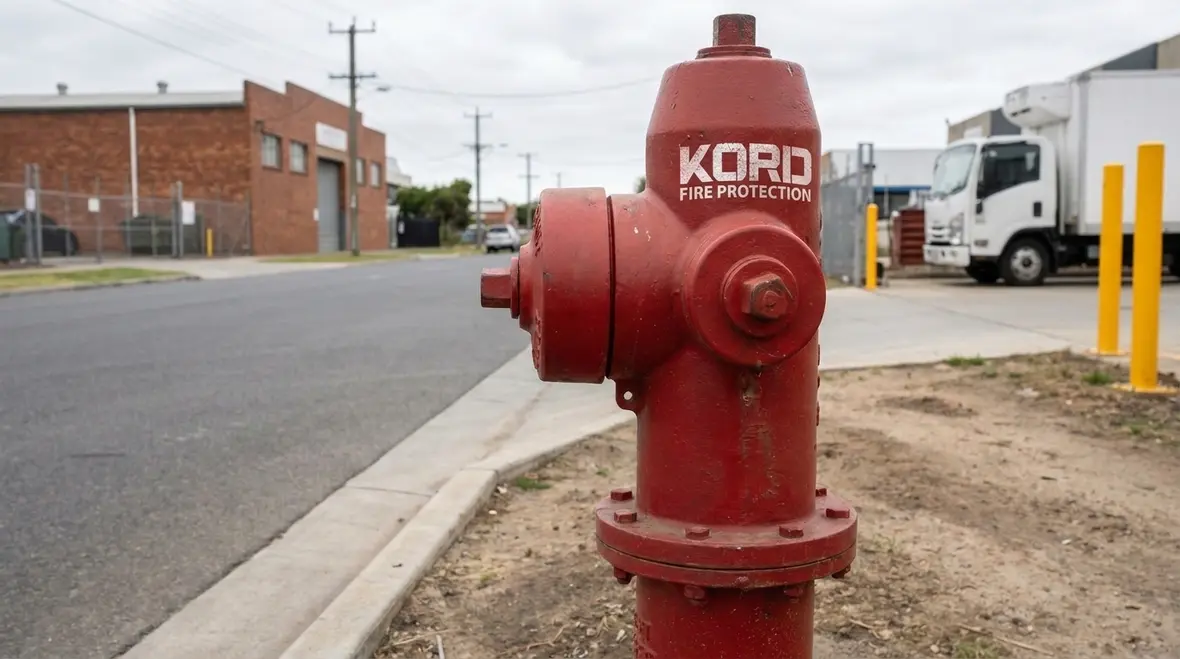
How the colors work in practice
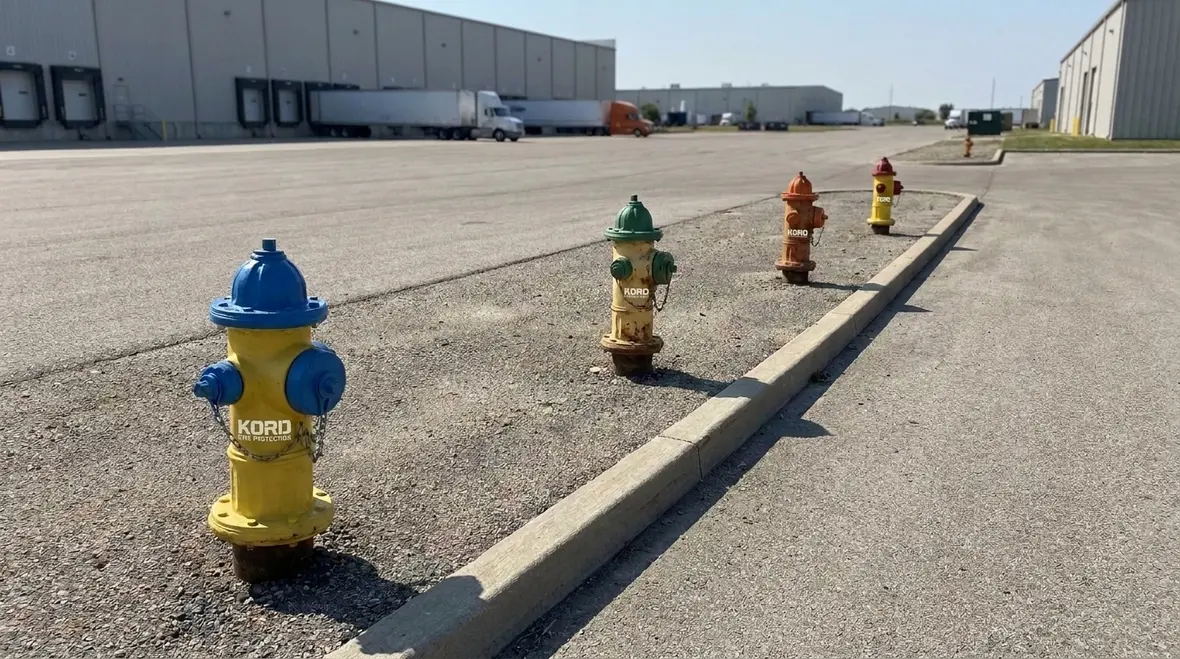
Here is the core fire hydrant color coding meaning used in NFPA 291:
Blue
Blue means the hydrant can deliver 1,500 gallons per minute or more. This is the top tier and signals very strong water supply. On a large commercial site, that kind of rating can support faster tactical decisions and gives crews confidence that the hydrant has real muscle, not just a nice paint job.
Green
Green means the hydrant can deliver 1,000 to 1,499 gallons per minute. This still shows strong performance and suits many large sites. It may not be the undisputed heavyweight champion of the block, but it is still a reliable contributor in many response plans.
Orange
Orange means the hydrant can deliver 500 to 999 gallons per minute. This level may still serve many properties, but crews may need to plan carefully. Moderate flow can change hose strategy, staging decisions, and expectations about how quickly water supply can support the incident.
Red
Red means the hydrant delivers less than 500 gallons per minute. That is the lowest tier and may require extra support from other water sources. Red is the visual equivalent of a polite but firm warning that this hydrant is not here to carry the whole operation by itself.
The cap color often matches the flow rating, while the barrel color may show the hydrant body or standpipe condition. Because of that, people should not read one paint mark in isolation. They should look at the full marking system, the flow test records, and the site layout together.

Why color marks matter for commercial and industrial sites
Hydrant colors do more than help firefighters. They support planning, maintenance, and risk control. A site with high traffic and large floor areas often depends on a reliable water supply. Therefore, correct marking helps teams see whether the hydrant can support the property’s actual fire load.
It also helps maintenance teams track change over time. A hydrant that once showed strong flow may no longer perform the same after network changes, pipe issues, or supply shifts. So, the color mark becomes a visible reminder to keep testing up to date.
What this changes on site
When the markings are accurate, site managers can make smarter decisions about emergency planning, contractor coordination, hydrant access, and system upgrades. It is much easier to brief internal teams when everybody is working from the same visible reference instead of three old reports and one confident guess from somebody named Gary.
Color mark
Blue
Green
Orange
Red
What it signals
Very high flow, strongest support
High flow, solid for many sites
Moderate flow, needs smart planning
Low flow, may need added measures
How teams should read hydrant markings on site
Teams should never treat paint as the only source of truth. Instead, they should pair the visual mark with current test data, site plans, and local compliance checks. That approach keeps the information useful and current. It also reduces the chance of relying on old assumptions, which can age about as well as a broken fax machine.
In practice, site managers should check that each hydrant has clear markings, that the color remains visible, and that nearby access stays open. If a truck, pallet stack, or hedge blocks the hydrant, the best color in the world will not help much. Visibility and access matter just as much as the rating itself.
That is also why flow data, field marking, and maintenance records should travel together. When one falls behind, the others lose value. A bright blue cap with stale paperwork is still stale paperwork, and firefighters deserve better than a confidence trick painted in enamel.

How kord fire protection supports the job
This is where kord fire protection can become a vital partner. Their support can help commercial, retail, and industrial sites keep hydrant systems tested, marked, and ready. That matters because compliance is not just about paperwork. It is about making sure the system works when people need it.
kord fire protection can assist with inspection, testing, maintenance coordination, and clear reporting. As a result, site teams gain better confidence in the hydrant condition and the meaning behind each color mark. They also get support that fits busy operational sites, where safety work must happen without causing chaos on the floor.
For readers who want related context, Kord Fire Protection also covers the topic from a broader practical angle in Fire Hydrants 101: How They Work and Color Meanings and from the hardware angle in Fire Hydrant Parts and How a Fire Hydrant Works. Those internal resources fit naturally if a team wants to move from color markings into deeper system understanding.
What a good hydrant program should include
A strong hydrant program should cover regular flow testing, clear paint identification, record keeping, and prompt repairs when issues appear. It should also include review of site changes, since new buildings, modified piping, or supply changes can affect hydrant performance.
For multi site operators, this becomes even more important. One location may have a blue rated hydrant, while another sits in the orange range. That difference changes planning, equipment placement, and response assumptions. Therefore, a simple color check can save time and reduce confusion across the portfolio.
Core elements worth reviewing regularly
Current flow test records that match the marked hydrant rating
Visible paint that is not faded, chipped, or misleading
Open access around each hydrant for vehicles and responders
Maintenance follow up for leaks, corrosion, impact damage, or valve issues
Review after site upgrades, civil works, or water supply changes

FAQ
Conclusion
NFPA 291 gives teams a fast, clear way to read hydrant performance, and that can make a real difference in an emergency. For industrial, retail, and commercial sites, the right markings and the right testing matter because response plans work better when the water supply is not a mystery.
kord fire protection can help keep hydrants clear, compliant, and ready through practical support, testing insight, and stronger system visibility. For sites that want confidence, not guesswork, now is the time to act.

Join Our Newsletter!
Get the latest fire safety tips delivered straight to your inbox From our Newsletter.