NFPA 291 Chapter 4 Hydrant Flow Testing Reference Tables
Quick Answer: NFPA 291 Chapter 4 tables give fire protection teams a clear way to read hydrant flow results, estimate water supply, and judge available fire protection for commercial and industrial sites. In plain terms, these hydrant flow testing reference charts help turn numbers into action, so facilities can plan, comply, and protect assets with less guesswork.
For industrial, retail, and commercial sites across Australia, hydrant flow data matters more than a coffee machine in a Monday meeting. The hydrant flow testing reference tables in NFPA 291 Chapter 4 help teams compare static pressure, residual pressure, and flow so they can see what the water system can truly deliver. That matters in warehouses, shopping centres, processing plants, office towers, and logistics hubs where fire risk and downtime can grow fast. With the right reading of these tables, a site can make smarter decisions before a real fire does the talking.
When those numbers need to be gathered properly in the first place, professional exterior fire hydrant flow testing for commercial sites gives teams the reliable field data that makes every chart, table, and recommendation more useful. It fits naturally into a broader fire protection strategy, especially for facilities that need clear reporting and practical next steps. ([kordfire.com](https://kordfire.com/exterior-fire-hydrant-flow-testing-for-commercial-sites/?utm_source=openai))
What NFPA 291 Chapter 4 tables do for a site
NFPA 291 Chapter 4 tables act like a translation tool. They turn hydrant test data into a usable picture of water supply. First, technicians measure pressure and flow. Then, they use the tables to estimate how much water remains available while the system is under demand. As a result, owners and managers can see whether the site meets expectations for fire protection and emergency planning.
These tables matter because water supply is not a guess. It is a measured result. A site may look well protected on paper, yet the flow test can reveal weak supply, pressure loss, or a system that needs work. That is why the hydrant flow testing reference tables remain central to fire service checks, building compliance work, and asset protection planning.
Why this matters beyond the test sheet
A reading is only useful if somebody can actually use it. Chapter 4 tables help engineers, facility teams, and compliance staff move from isolated values to a more complete understanding of site capability. That means better conversations around hydrant coverage, fire brigade access, sprinkler demand, and whether existing infrastructure is still carrying its weight. In other words, the tables do not just decorate a report. They help guide what happens next.
How hydrant flow testing works in real conditions
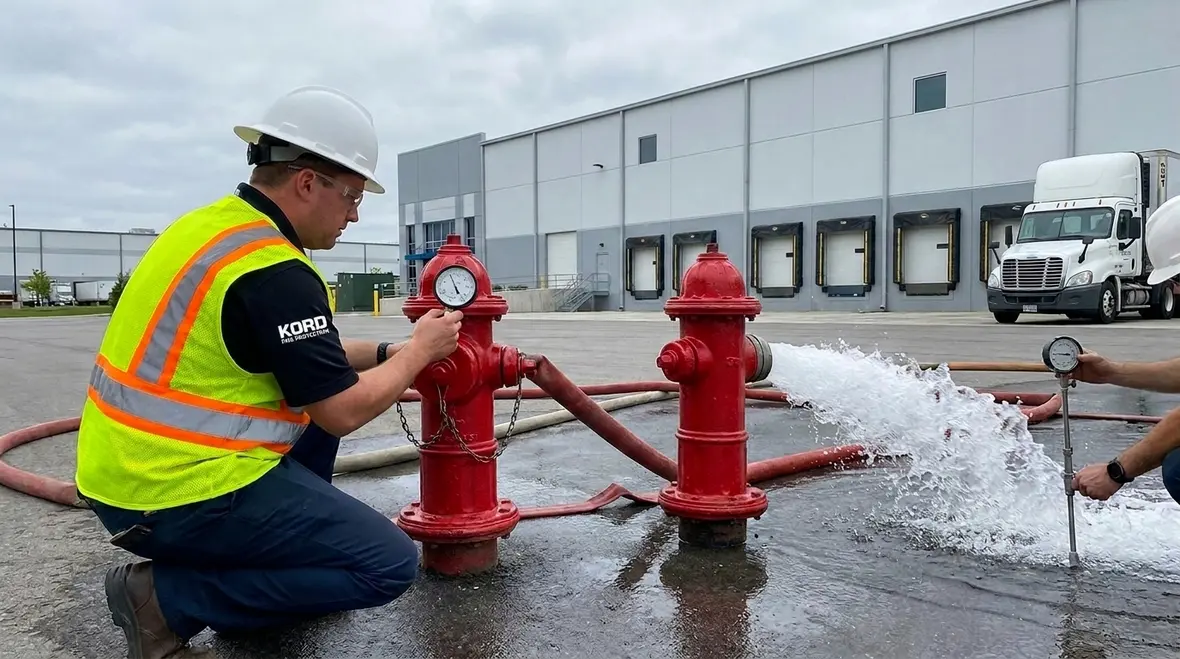
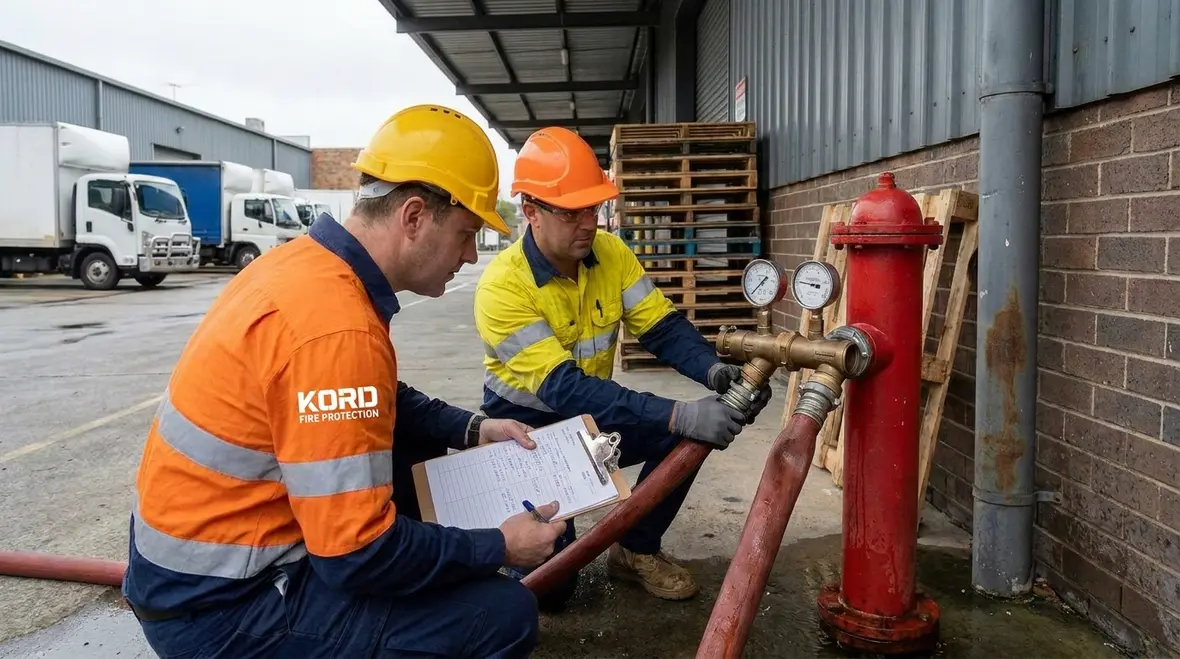
A hydrant flow test starts with a static reading, which shows pressure before water moves. Next, one or more hydrants are opened, and technicians record flowing pressure. After that, they apply the test results to the reference charts to estimate available flow. In simple terms, the test shows how the system behaves when it must perform, not when it is sitting quietly like a museum display.
Because real sites face real demand, the test must reflect site conditions, water main size, network layout, and surrounding supply. Also, weather, demand patterns, and council infrastructure can affect the outcome. Therefore, the table is only as useful as the data placed into it. Skilled testing makes the difference between a neat sheet of numbers and a decision that saves a facility from costly surprises.
The basic sequence technicians follow
- Record static pressure before water is flowing
- Open the flow hydrant in a controlled way
- Measure residual pressure at the companion hydrant
- Measure discharge and determine the actual flow rate
- Apply the values to the Chapter 4 reference tables and formulas
- Compare the result with the site’s expected fire protection demand
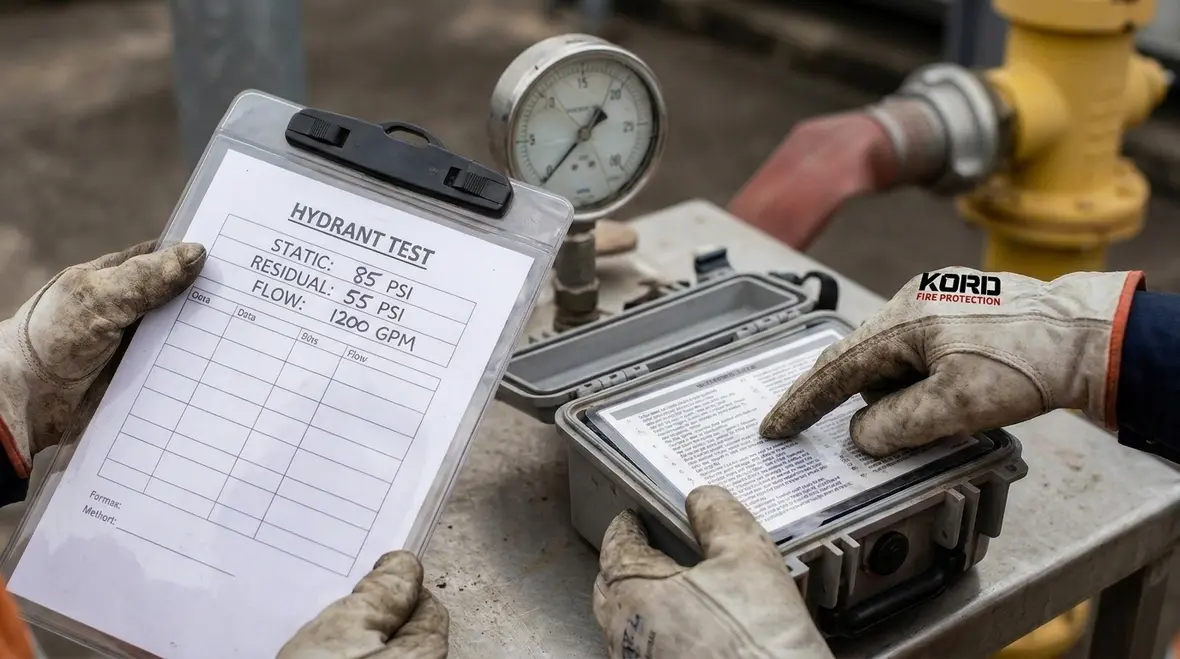
What the reference charts reveal about water supply
The charts help teams identify several key items:
- Available fire flow at the test point
- Pressure drop during demand
- Water supply limits under real use
- Whether the system supports current fire protection needs
- Where upgrades or further checks may be needed
In addition, the charts help facilities compare one hydrant zone against another. That can reveal weak points in a campus, estate, or industrial yard. For example, the front of a site may show solid pressure, while a far bay or rear access point may fall short. Naturally, fire does not care which side of the building had the better number.
What a pressure drop can really mean
A noticeable fall from static to residual pressure can point to limitations in the water main, friction loss in the network, or a supply that is already stretched during busy demand periods. That does not automatically mean disaster, but it does mean the site should pay attention. The table helps frame that conversation quickly, which is useful when multiple stakeholders all want answers yesterday.
Hydrant flow testing reference tables explained in plain language
The tables usually support the math behind the test rather than replacing it. They help technicians read the relationship between static pressure, residual pressure, and flow. So, instead of staring at a page of figures like it is an unread script from a space opera, the site team gets a clear picture of performance.
Key test values
- Static pressure
- Residual pressure
- Flow rate
- Calculated supply
What they tell the site
- Pressure before water begins to flow
- Pressure left while hydrants run
- How much water the system can deliver
- Estimated usable water during demand
Because these values work together, the tables support better risk decisions. They also help fire engineers, asset managers, and maintenance teams speak the same language. That alone can save time, and in business, time often acts like gold with a hard hat.

Why compliance teams use NFPA 291 tables across Australia
Many Australian facilities use NFPA 291 as a strong reference for hydrant testing and water supply review, especially when the site needs clear, practical documentation. Compliance teams use the tables to support audits, maintenance plans, insurance reviews, and fire safety upgrades. Moreover, they can use the results to show due care, which matters across industrial and commercial operations.
For multi site operators, the value grows even more. A consistent testing method makes it easier to compare locations, track change over time, and spot decline before it becomes an issue. That means the table is not just a chart. It is part of a wider risk control system.
Consistency helps when portfolios get large
If one distribution centre is tested one way and another retail site is documented another way, comparing results becomes messy fast. Using an accepted reference structure helps teams keep reports aligned, trends visible, and upgrade priorities easier to explain to decision makers who are already juggling budgets, operations, and more meetings than any sane person requested.
How Kord Fire Protection becomes a vital partner
This is where Kord Fire Protection can become a vital partner. A hydrant flow test is only useful when the results are accurate, well recorded, and turned into action. Kord Fire Protection can support the full service process, from testing and reporting to practical guidance on what the numbers mean for the site. That helps facilities move from “we have data” to “we know what to do next.” Kord’s hydrant testing content and service pages emphasize clear reporting, practical recommendations, and full fire protection support that fits commercial site needs. ([kordfire.com](https://kordfire.com/exterior-fire-hydrant-flow-testing-for-commercial-sites/?utm_source=openai))
For industrial plants, retail centres, warehouses, and commercial properties, that kind of support matters. Kord Fire Protection can help align testing with site needs, compliance goals, and operational limits. In addition, a dependable partner can reduce delays, improve clarity, and help teams respond before small issues become very expensive ones. And nobody enjoys explaining a fire system problem during an already busy quarter.
For readers who want deeper context after this article, Kord also has a related resource on NFPA 291 fire hydrant testing and marking guidance, which expands on how testing and hydrant identification work together in the field. ([kordfire.com](https://kordfire.com/nfpa-291-fire-hydrant-testing-and-marking-guide-2026/?utm_source=openai))
What facilities should do after the test
Once the flow test is complete, the site should review the report, compare it with current fire protection needs, and check whether any corrective work is required. Then, managers should store the results with maintenance records and use them as a baseline for future testing. If the numbers show a drop in supply, the site should act quickly.
That next step may include system upgrades, repeat testing, pressure checks, or a broader review of hydrant coverage. The key is simple: the chart should lead to decisions, not shelf decoration.
A practical post test checklist
- Review static, residual, and flow values against site needs
- Note any unusual pressure loss or weak hydrant zones
- File the report with maintenance and compliance records
- Plan corrective actions if supply appears limited
- Use the results as a baseline for future comparison
FAQ
Final word
Hydrant flow testing reference tables turn pressure readings into clear action, and that makes them valuable for every serious facility. For Australian industrial, retail, and commercial sites, the right test and the right partner can protect operations, assets, and people. Kord Fire Protection can help make that process simple, accurate, and useful.
When the numbers matter, the next move should be easy to see. A well run test, clear interpretation, and timely follow up can turn a technical requirement into a practical advantage. That is the real value of understanding NFPA 291 Chapter 4 tables instead of leaving them to gather dust beside forgotten paperwork.

Join Our Newsletter!
Get the latest fire safety tips delivered straight to your inbox From our Newsletter.