
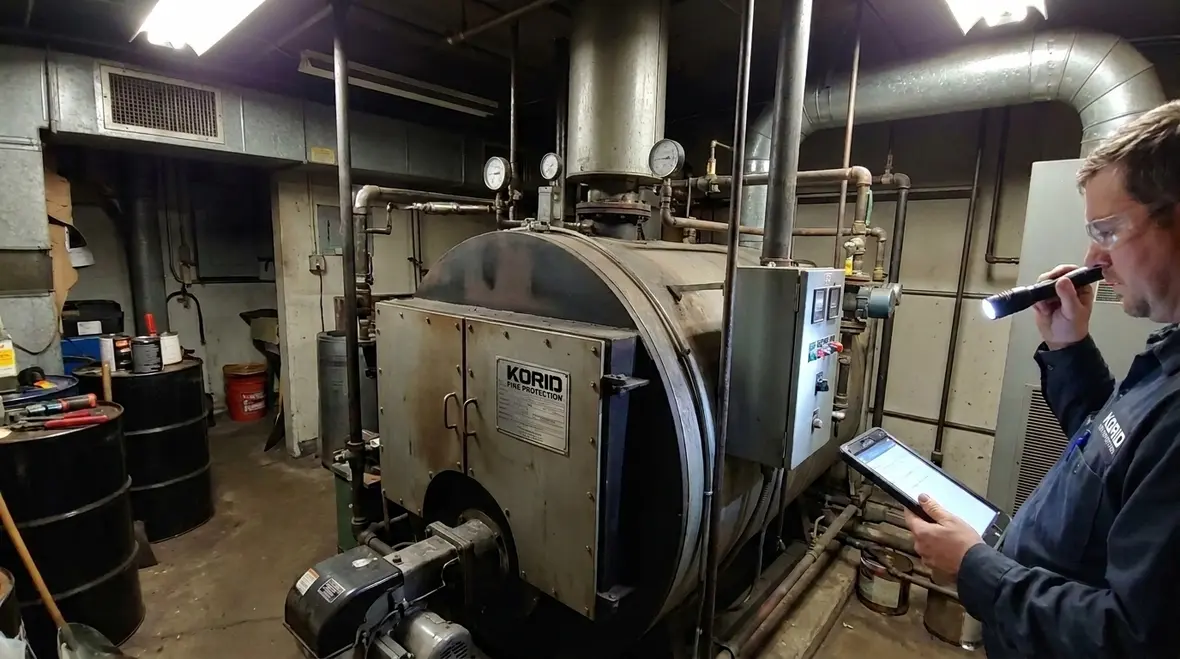
NFPA 31 Section 12.4: Listing Requirements for Used Oil Appliances
Quick Answer
NFPA 31 Section 12.4 sets the baseline for when used oil appliances can be installed or replaced. In practice, facilities must verify the appliance is properly listed for the intended used oil fuel burning application, including components and installation conditions that support safe operation.
For a broader installation view that supports compliance thinking around used oil systems, see NFPA 31 Section 10.2 basic requirements for installing oil burners, which fits naturally with how burner setup and listing verification work together.
What NFPA 31 Section 12.4 actually requires for used oil appliance listing
NFPA 31 used oil appliance listing requirements focus on ensuring used oil burning equipment meets an approved product standard and is evaluated for safe performance under used oil service conditions. Section 12.4 functions as a gatekeeping requirement: if an appliance is not listed for used oil use, the facility should not assume it can be “made compliant” through installation tweaks alone.
From a fire safety and risk management perspective, listing matters because used oil service introduces variable fuel properties. Appliances need validated design features for ignition, combustion stability, burner control response, safe fuel handling, and thermal limits. A listed appliance links the equipment design to documented test evidence, which inspection authorities expect to see verified at commissioning and during ongoing operations.
How listing verification affects commercial facilities during commissioning
Commercial, industrial, and retail occupancies typically operate with tight maintenance schedules, shared mechanical rooms, and contractors rotating through service windows. Listing verification needs to happen as a formal step in the installation and handover process, not as an afterthought during inspection.
Key items facilities should confirm before acceptance
- Appliance listing scope: Confirm the listing explicitly covers used oil burning operation, not just oil burning in general.
- Fuel compatibility: Ensure the appliance is evaluated for the used oil fuel characteristics it will receive, for example, burner controls intended response to variability.
- Component inclusion: Verify whether the listing addresses the burner, controls, oil piping interface, filters, and accessory devices that will be installed with the appliance.
- Installation condition alignment: Confirm the proposed installation matches the conditions in the manufacturer and listing documentation for clearances, venting arrangements, and operational limits.
Common compliance challenge: “It is oil rated, so it is fine”
A frequent failure point occurs when an organization replaces or upgrades equipment and only confirms the appliance is rated for “oil.” NFPA 31 used oil appliance listing requirements require more specific alignment with used oil operation and the tested configuration. If the listing does not match the actual used oil setup, field adjustments do not restore the intent of the standard.
What fire inspectors look for when they review used oil appliance listing
In site inspections, authorities having jurisdiction (AHJs) typically focus on documentation and field fit. Inspectors need to see that the appliance installed is the same product and configuration that the listing covers.
Documentation evidence that supports compliance
- Certificate or mark of listing for the used oil appliance and associated accessories, as applicable
- Manufacturer documentation indicating intended fuel type and listing conditions
- Commissioning records that tie the installed configuration to approved setup requirements
- Maintenance records showing that critical components remain as installed and within service intervals
Field verification that drives outcomes
Even when documentation exists, field mismatches can undermine compliance. Inspectors often look for:
- Alterations to burner controls or fuel delivery components that were not part of the listed configuration
- Venting or draft provisions that do not match the listing conditions
- Oil filtration and fuel handling arrangements that diverge from what the equipment was evaluated with
- Signs of deferred maintenance that indicate loss of safe operating performance
Operational risks when used oil appliances are not properly listed
Used oil service increases the importance of validated design and control logic. When appliances operate outside their listing basis, the facility assumes performance and safety risks that listing was designed to address.
Mechanisms that commonly fail under unsafe or unlisted use
- Combustion instability: Poor ignition reliability or control response can lead to incomplete combustion, smoke, and soot loading.
- Fuel contamination variability: Used oil can contain water, particulates, or inconsistent viscosity, impacting atomization and burner behavior.
- Control and safety shutdown logic mismatch: Burner controls evaluated for a different fuel basis may not respond safely to used oil conditions.
- Overheating and thermal excursions: Incorrect operation can push components beyond validated thermal limits.
Commercial impact: downtime, nuisance shutdowns, and property protection
Unlisted or incorrectly matched used oil equipment often results in recurring service calls, nuisance lockouts, and inconsistent heat output. These operational issues can increase system cycling, accelerate component wear, and create higher fire protection risk if maintenance and safe operating conditions slip. The compliance cost typically rises over time because the facility keeps “chasing performance” rather than maintaining a stable, validated installation.
Practical compliance workflow: how Kord Fire supports ongoing NFPA 31 conformance
NFPA 31 compliance does not end at installation. Listing requirements remain relevant throughout the equipment lifecycle because maintenance actions, component replacements, and tuning decisions can unintentionally move the system out of the listed configuration.
Kord Fire Protection supports commercial operations with practical inspection readiness, documentation discipline, and service coordination so facilities can maintain the intent behind NFPA 31 used oil appliance listing requirements.
Suggested internal process for facilities and service teams
- Maintain a listing index: Keep a controlled file that links appliance model, listing documentation, and any listed accessories to the specific asset location.
- Control replacement parts: Require that replacements match the listed configuration or meet the manufacturer’s approved equivalent requirements.
- Verify after service: After any burner, control, fuel handling, or venting related work, confirm operation and alignment with the original installation basis.
- Schedule inspection support: Align preventive maintenance with expected inspection timelines so documentation and field conditions remain consistent.
For a broader installation view that supports compliance thinking around used oil systems, see this practical guide: NFPA 31 a practical guide to oil burning equipment installation.
Frequently Asked Questions
Conclusion and call to action
NFPA 31 used oil appliance listing requirements protect facilities by requiring equipment that has been evaluated for used oil service and installed in a configuration aligned with its listing. If your facility is commissioning new equipment, planning a replacement, or preparing for an inspection, involve Kord Fire Protection early to verify listing documentation, assess configuration alignment, and support ongoing maintenance and test readiness. Contact Kord Fire Protection to schedule a compliance focused review.

Join Our Newsletter!
Get the latest fire safety tips delivered straight to your inbox From our Newsletter.



