
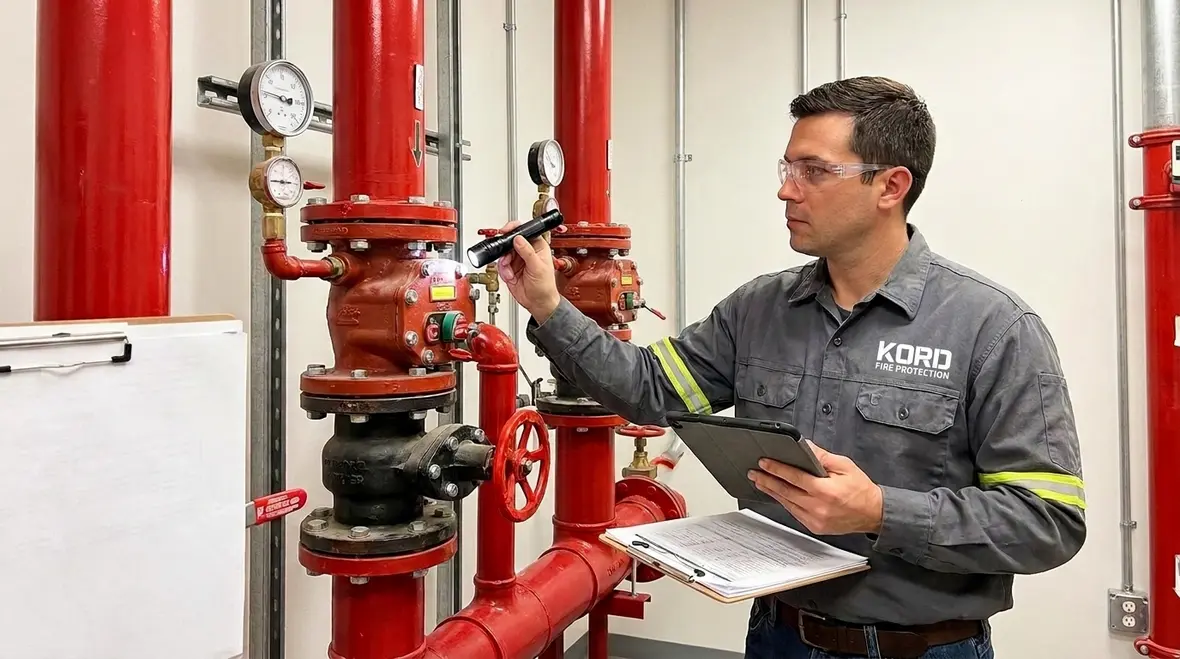
NFPA 25C Section 2.2: Key NFPA Publications Referenced in California Code
Quick Answer: NFPA 25C Section 2.2 identifies other NFPA standards that California code references when evaluating water based fire protection system inspection, testing, and maintenance requirements. Understanding these cross referenced publications helps facilities plan compliant procedures, documentation, and corrective actions.
If your team wants a practical service side to go with the code language, Kord Fire Protection’s fire sprinkler service and repair support fits naturally into planning inspections, maintenance, corrections, and audit ready documentation.
What NFPA 25C Section 2.2 covers in practice
NFPA 25C focuses on inspection, testing, and maintenance of water based fire protection systems and related components. Within that framework, NFPA 25C Section 2.2 NFPA publications referenced California is the key concept: Section 2.2 directs the reader to specific NFPA documents that California adopts or uses as referenced standards for system performance and upkeep.
In real commercial operations, this cross referencing matters because a facility can pass a basic annual task and still fail compliance if the referenced standard requires different test methods, acceptance criteria, calibration rules, or documentation practices. Kord Fire Protection teams routinely see gaps when maintenance programs rely on a single checklist instead of the full hierarchy of adopted and referenced NFPA requirements.
Why California code cross references change maintenance outcomes
California adoption and referencing practices typically require stakeholders to follow not just the primary inspection and maintenance standard, but also the referenced NFPA publications that define installation and system behavior expectations. For fire sprinkler and water based systems, those referenced documents commonly influence how technicians verify hydraulic performance, valve function, water supply readiness, and operational integrity.
Operationally, the differences usually show up in four areas:
- Test method selection: Some referenced standards specify exact test sequences, flow targets, or functional order of operations for components like alarms, supervisory switches, and drain controls.
- Acceptance criteria: Minor deviations, such as pressure thresholds or time based functional requirements, can trigger a re test cycle.
- Documentation quality: California enforcement often expects traceable, repeatable records that match the adopted referenced procedures.
- Corrective action triggers: Certain deficiencies require immediate remediation, engineering review, or follow up testing before returning equipment to service.
Common cross referenced publication impacts on sprinkler and water based systems
Although the exact set of referenced publications depends on the version of adopted code language and regulatory updates, the practical impact is consistent across commercial, industrial, and retail facilities. NFPA cross references tend to affect both the water based system components and the supporting infrastructure that keeps systems reliable during emergencies.
1) Automatic sprinkler system installation expectations still govern maintenance
Maintenance does not occur in isolation. The original design and installation rules influence how systems should respond during inspection and testing. For example, technicians must confirm that sprinkler system control valves remain accessible and operable, that alarms perform as designed, and that water supply conditions still align with the hydraulic design intent.
For teams aligning installation and ongoing testing logic, the following resource supports clear implementation planning: NFPA 13 overview and automatic fire sprinkler system installation requirements.
2) Water supply readiness drives test performance and pass fail results
Water based systems depend on reliable supply and correct operation of devices that manage pressure, flow, and drainage during inspections. Cross referenced NFPA publications often shape how technicians verify:
- Fire pump operation and control logic where applicable
- Pressure maintenance characteristics and the behavior of water supply equipment
- Drain test setup and the safe handling of discharge to prevent unintended impacts
- Valve supervision integrity, including tamper resistance and correct supervisory status reporting
Where your facility includes pumps, gaining a maintenance oriented perspective helps strengthen compliance planning. For example, the following reference site provides additional technical context on pump related industry considerations: fire pumps industry technical resources.
3) Ongoing maintenance scope expands beyond annual “spot checks”
Facilities sometimes treat NFPA maintenance requirements as a set of simple visual inspections and limited functional tests. In reality, referenced publications and the maintenance standard together define a more complete scope that can include internal component verification, actuator performance, alarm line integrity, and targeted corrective actions.
To strengthen maintenance program design for water based systems, facility teams frequently use this complementary breakdown: NFPA 25 overview and water based fire protection maintenance breakdown.
How California facilities typically document compliance under referenced NFPA publications
Compliance success often depends on how documentation ties each test to the applicable procedure. A strong documentation package usually includes:
- System identification: Building number, system type, hazard classification, and configuration notes
- Referenced standard references: Clear identification of the standard section or referenced publication applicable to the task
- Date, technician, and instrument records: Tool identifiers and calibration status where required
- Measured results and pass fail status: Not just “tested,” but the actual readings and observed response
- Deficiency classification: Repair priority, re test requirement, and operational impact
- Corrective action evidence: Work order references, component replacement documentation, and follow up testing
In commercial environments, these records also support tenant turnover audits, insurance underwriting, and internal risk reviews. Kord Fire Protection supports facility teams by building repeatable maintenance and test workflows that reflect what California expects during enforcement and what building owners need for consistent year over year compliance.
Real world compliance challenges Kord Fire Protection resolves
Referenced NFPA publications add complexity because each facility has different equipment, valve configurations, and water supply arrangements. Kord Fire Protection commonly addresses the following compliance obstacles:
- Outdated maintenance checklists: Old templates that do not reflect current test sequences or referenced requirements.
- Valve and alarm mismatch: Supervisory and alarm devices that no longer correspond to as installed labeling or control wiring changes.
- Test discharge constraints: Site limitations that affect drain test execution, requiring engineered safe test plans.
- Hydraulic verification gaps: Incomplete understanding of how measured conditions relate to design intent, leading to ineffective corrections.
- Documentation breakdown at handoffs: Repairs completed without completing the required follow up test records.
When facilities need to understand how sprinkler code concepts apply under California requirements, the following overview can help align stakeholders: Fire sprinkler code in California explained.
Additional service context is available through Kord Fire Protection’s broader technical presence as well, including regional support references: kordelectric.com and kordfire.com.au.
Frequently Asked Questions
Next step: verify your maintenance program matches referenced requirements
Facilities should validate that their inspection, testing, and maintenance procedures reflect NFPA 25C Section 2.2 referenced publications used in California. Kord Fire Protection can review your current program, align checklists and documentation to the correct test logic, and execute compliant testing with traceable records. Schedule a compliance readiness review to reduce audit risk, avoid repeat deficiencies, and keep water based systems dependable.

Join Our Newsletter!
Get the latest fire safety tips delivered straight to your inbox From our Newsletter.


