NFPA 20 Fire Pump AHJ Approval Process, Australia
Quick Answer
The AHJ approval process for NFPA 20 fire pump systems follows NFPA 20 Section 4.2 and requires clear design review, documented testing, and final inspections before operation. For Australian industrial and commercial sites, coordinating with qualified engineers and authorities is essential. Kord Fire Protection can become a vital partner in guiding this journey from submission to commissioning.
If you want broader context on how the standard shapes pump design, installation, and compliance, start with How NFPA 20 Regulates Fire Pump Systems. It fits naturally before the approval journey because the AHJ is not reviewing a mystery box. The authority is reviewing whether the entire system has been designed, installed, and prepared in line with NFPA 20 expectations.
Introduction
NFPA 20 guides fire pump design and performance and the AHJ is responsible for final approval. Under NFPA 20 fire pump approval requirements AHJ authorities evaluate the design, installation, testing and ongoing maintenance before the system can operate. For Australian industrial, retail and commercial facilities, the AHJ process blends these standards with local fire safety rules to ensure reliable protection and clear accountability. The goal is a pump system that operates when it is needed and that your team can support with confidence during audits and drills.
AHJ Approval Process for Fire Pump Systems
A clear path exists from concept to commissioning. First comes planning and design submittals that include general arrangement drawings, hydraulic calculations, and controller sequences. Next the AHJ reviews the documents for code compliance and best practice. After design acceptance comes on site verification, equipment inspection, and finally performance tests that prove system readiness. Once all checks pass a formal permit is issued and the system is allowed to operate under the designated conditions. This process minimizes surprises during emergencies and keeps facilities moving with minimal downtime.
What the review usually includes
- General arrangement drawings and layout details
- Hydraulic calculations and pressure assumptions
- Pump, driver, and controller data sheets
- Electrical wiring diagrams and control sequences
- Inspection records, field notes, and final test documentation
Compliance Details and Testing
Documentation is the backbone of a smooth approval. Engineers compile design drawings, pump curves, electrical wiring diagrams, control logic and manufacturer’s data sheets. The testing phase validates performance, reliability and coordination with other safety systems. Hydrostatic tests confirm piping integrity, while pump runs verify proper start sequences and pressure control. Alarm, supervision, and remote monitoring functions are checked and recorded. Acceptance hinges on meeting all defined criteria without deviations that could compromise readiness.
AHJ Review Snapshot
Left column
- Submittals required for NFPA 20 compliance include drawings, calculations and equipment data sheets
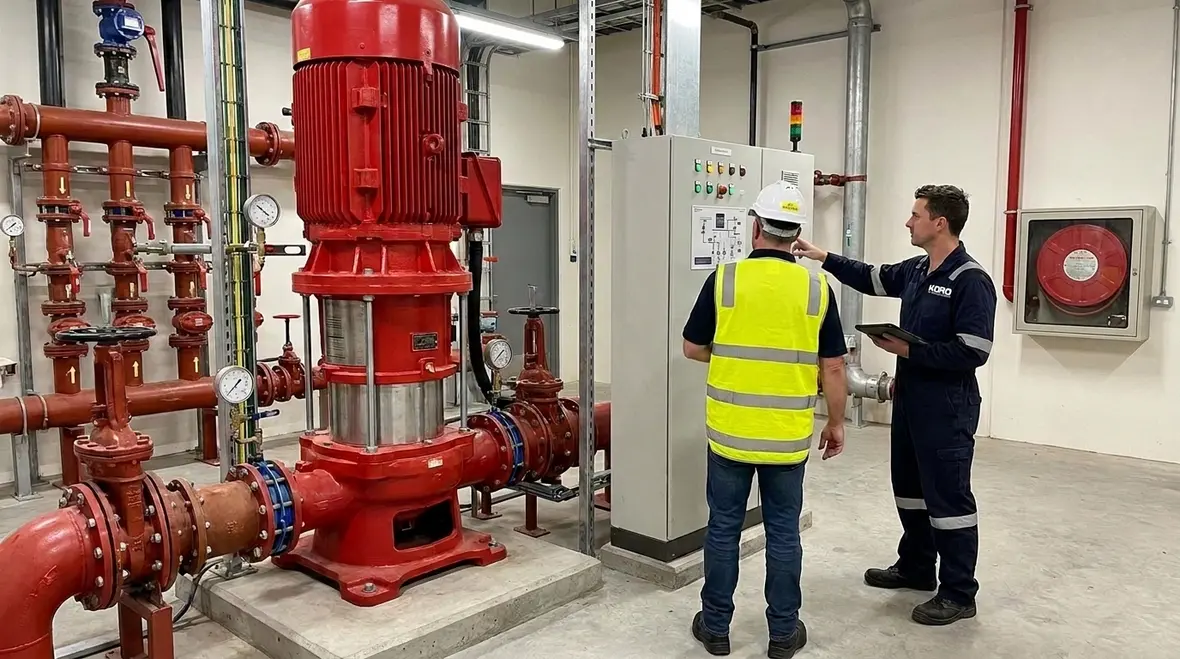
- Field verification checks pump location piping alignment and accessibility
- Final inspection confirms all safety interfaces and alarms function correctly
Right column
- Documentation supports traceability during audits and future maintenance
- Communications with the AHJ prevent delays by clarifying expectations
- A well prepared package reduces rework and speeds up commissioning
Kord Fire Protection as a Vital Partner
Kord Fire Protection brings deep experience with NFPA 20 and AHJ workflows. Their team helps organize submittals, coordinate testing, and translate technical language into clear compliance evidence. By acting as a liaison between the facility and the AHJ, they reduce friction and keep projects on schedule. For busy facilities across Australia, this partnership means safer systems, verified performance, and less guesswork during inspections.
Practical Steps for Australian Facilities
The Australian context requires blending NFPA 20 guidance with local code requirements. Start by identifying the local AHJ and confirming which standards are accepted for fire pump systems. Collect a complete design package and secure approvals in sequence, not as an afterthought. Schedule testing windows that align with maintenance crews and utility availability. Finally, implement a robust documentation and training plan so the operation team understands start, stop and alarm protocols and can support future inspections with ease.
What to Expect During AHJ Review
Communication with the AHJ is proactive rather than reactive. Expect requests for additional calculations or revised drawings and be prepared to provide field notes from inspections. Site visits may be scheduled to verify installation conditions and equipment labeling. Turnaround times vary by jurisdiction but a well organized package commonly results in smoother reviews and faster commissioning. Throughout the process, the tone should be calm and confident, much like a steady narrator guiding a crucial mission.
FAQ
Conclusion and Call to Action
Organizations investing in fire pump systems can rely on a disciplined AHJ process and clear documentation. By partnering with Kord Fire Protection, facilities gain a confident path from design to operation. Reach out today to align your NFPA 20 fire pump approval requirements AHJ strategy with local codes and practical field experience.

Join Our Newsletter!
Get the latest fire safety tips delivered straight to your inbox From our Newsletter.