NFPA 20 High Rise Fire Pump Equipment Access, Australia
Quick Answer
NFPA 20 high-rise fire pump equipment access defines how spaces around pumps must be arranged for rapid service and reliable operation. Section 5.2 details clearance doors and routes in tall buildings. For Australian facilities, early planning minimizes downtime improves safety and makes third party service straightforward. Kord Fire Protection can be a vital partner.
For a broader code foundation before getting into high-rise access details, see this overview of how NFPA 20 regulates fire pump systems.
NFPA 20 high-rise fire pump equipment access in practice
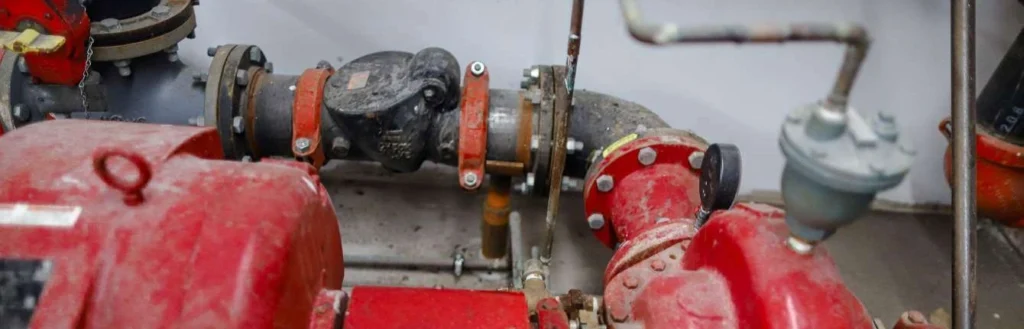
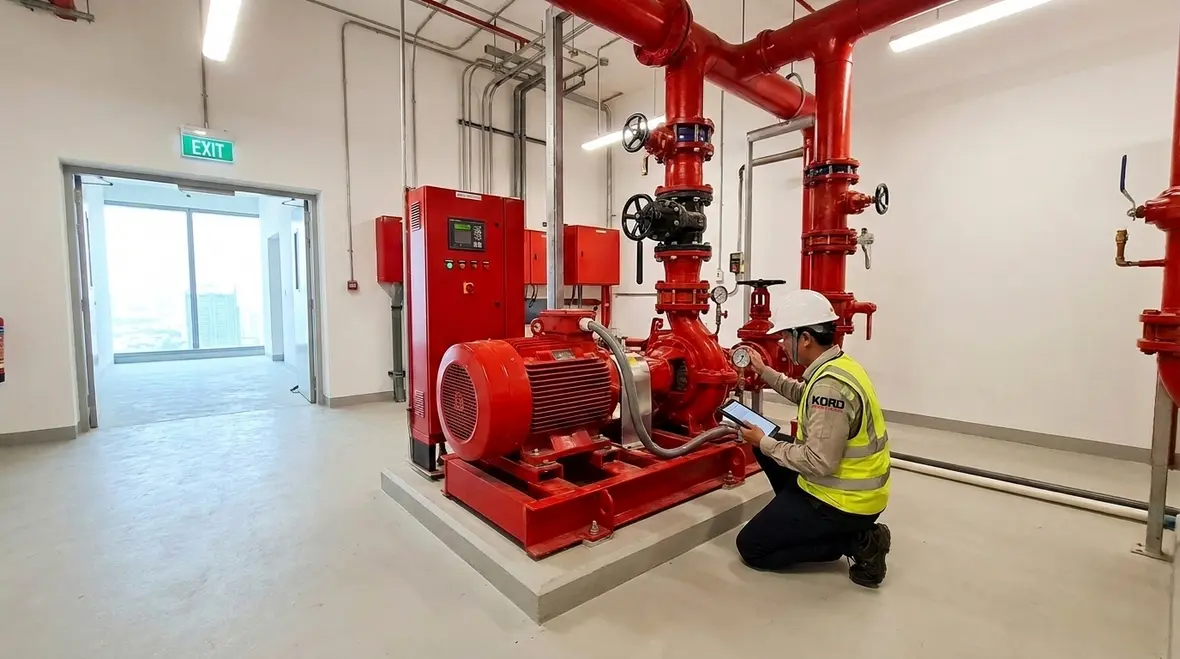
In tall structures the fire pump room is the nerve center. The NFPA 20 high-rise fire pump equipment access requirements ensure technicians can reach pumps controllers and valve assemblies quickly with space to work and to evacuate if needed. Section 5.2 covers the layout rules that keep stairs clear doors accessible and equipment reachable under stress. The benefits go beyond compliance they shorten maintenance windows speed emergency responses and reduce the risk of accidental damage during service. For Australian industrial retail and commercial facilities this disciplined approach supports safer evacuations and better business continuity.
Design and access requirements for high rise pump rooms
- Direct unobstructed access from common areas to the pump room
- Wide doors and clear corridors to accommodate equipment carts and service tools
- Adequate clearance around pumps controllers and electrical gear for safe maintenance
- Clear signage and lighting to guide technicians during testing and emergencies
- Secure yet accessible locks and key control that do not impede authorized service
Operational readiness and safety in high rise pump zones
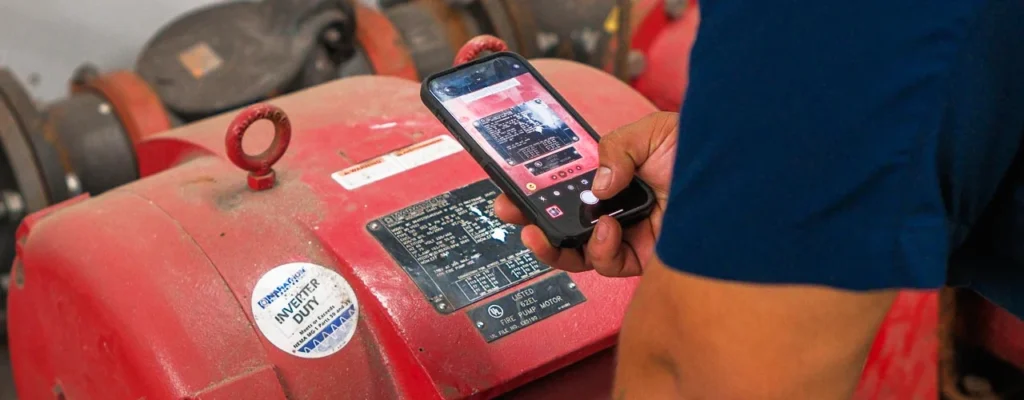
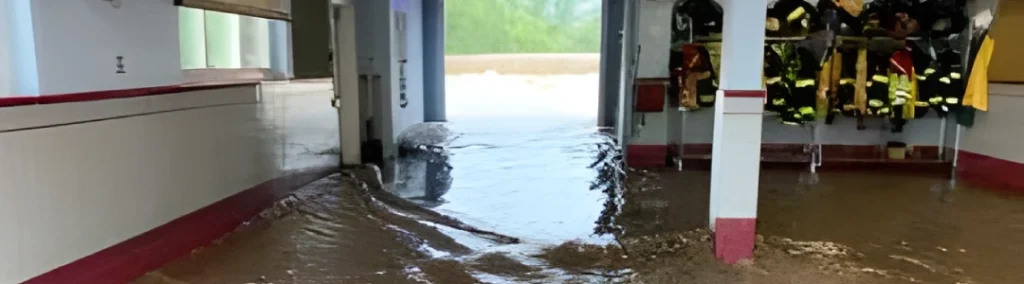
Access is essential not only for installation but for ongoing testing and inspections. Regular valve testing pump start checks and controller diagnostics depend on clear routes and safe floors. Good access reduces downtime after a fault and supports quick isolation if an issue arises. In short maintenance without obstacles equals faster restoration of pressure and water supply.
Kord Fire Protection as a vital partner
Kord Fire Protection brings design installation commissioning and ongoing service for NFPA 20 high-rise fire pump equipment access. Their team assesses room layouts validates access routes and coordinates with electrical and mechanical contractors. They provide audits spare parts and 24 7 support across Australia. With a steady baritone of experience they turn complex code requirements into practical reliable field results. And yes they can handle the paperwork too which saves clients from a mountain of forms and a headache the size of a fire truck.
If your team is also planning testing and maintenance procedures around local compliance, Kord Fire’s article on AS 2419 fire pump testing and maintenance compliance in Australia fits naturally into that conversation.
NFPA 20 high-rise fire pump equipment access in Australia
Australian facilities often blend NFPA 20 concepts with local standards such as AS 2118 for sprinklers and the building code. The aim is harmonious compliance that does not create bottlenecks in high rise zones. Engaging a partner who can translate NFPA 20 high-rise fire pump equipment access into practical layouts helps meet AHJ expectations and maintain accessibility during a high rise fire event.
Key steps include early design reviews, walkthroughs of mock layouts, and interim inspections during construction. These measures prevent costly rework and keep projects on schedule. With Kord Fire Protection as a collaborator, projects gain from cross jurisdiction knowledge local site visits and a proven process for achieving compliant durable access arrangements.
Frequently asked questions
Conclusion
Clear access to high rise pump rooms is the foundation of reliable fire protection. By aligning with NFPA 20 high-rise fire pump equipment access requirements and partnering with Kord Fire Protection Australian facilities protect lives and assets. Contact Kord today to schedule a design review commissioning or ongoing maintenance that keeps pumps ready and responses swift. Our team works across industrial retail and commercial sectors nationwide.

Join Our Newsletter!
Get the latest fire safety tips delivered straight to your inbox From our Newsletter.