NFPA 20 Fire Pump Installation Scope Requirements
Quick Answer
NFPA 20 Section 1.1 defines the scope of installing fire pumps including the system boundaries, required components, testing, and commissioning. For Australian industrial, retail and commercial facilities, clear scope keeps projects on time and on budget. Kord Fire Protection stands ready as a trusted partner to guide design, installation and ongoing support.
Introduction
Effective fire protection begins with clear boundaries. NFPA 20 Section 1.1 sets the stage for every fire pump project by outlining what must be included and how the pieces connect. For Australian facilities spanning industrial, retail and commercial sectors, embracing these scope requirements early prevents surprises and costly delays. The NFPA 20 fire pump installation scope requirements help teams align design, procurement and fieldwork from day one. Kord Fire Protection brings calm, precise expertise to this mission, coordinating engineers, installers and service teams into one reliable partner.
If you want a broader look at how the standard governs system design, power, testing and performance, this guide to how NFPA 20 regulates fire pump systems is a natural place to continue the conversation.
Understanding the Scope as Defined by NFPA 20 Section 1.1
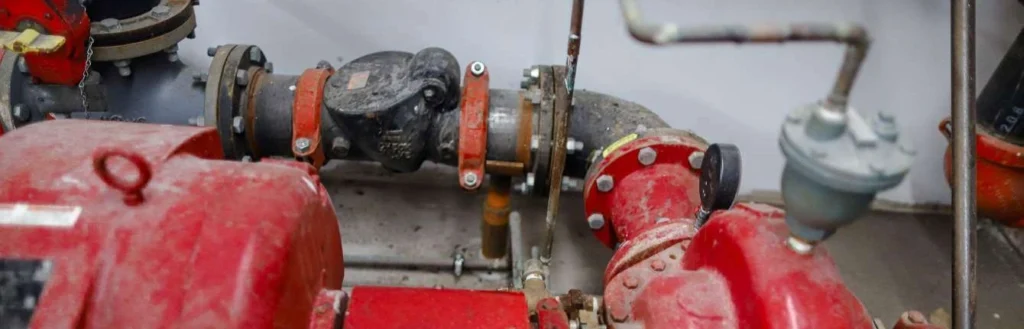
Section 1.1 defines the boundaries of the system from suction and discharge piping to the controller, power supply and alarms. It also calls out the need for proper testing and commissioning. In practice this means the project team must plan for hydraulic integrity, component compatibility and documented handover. When these elements are clear, construction runs smoothly and the end user receives a dependable, ready to operate fire pump system. The NFPA 20 fire pump installation scope requirements emphasize reliable power, clean suction, and robust controls, which together form the backbone of an effective protection strategy.
Key Elements of the Fire Pump Installation Scope
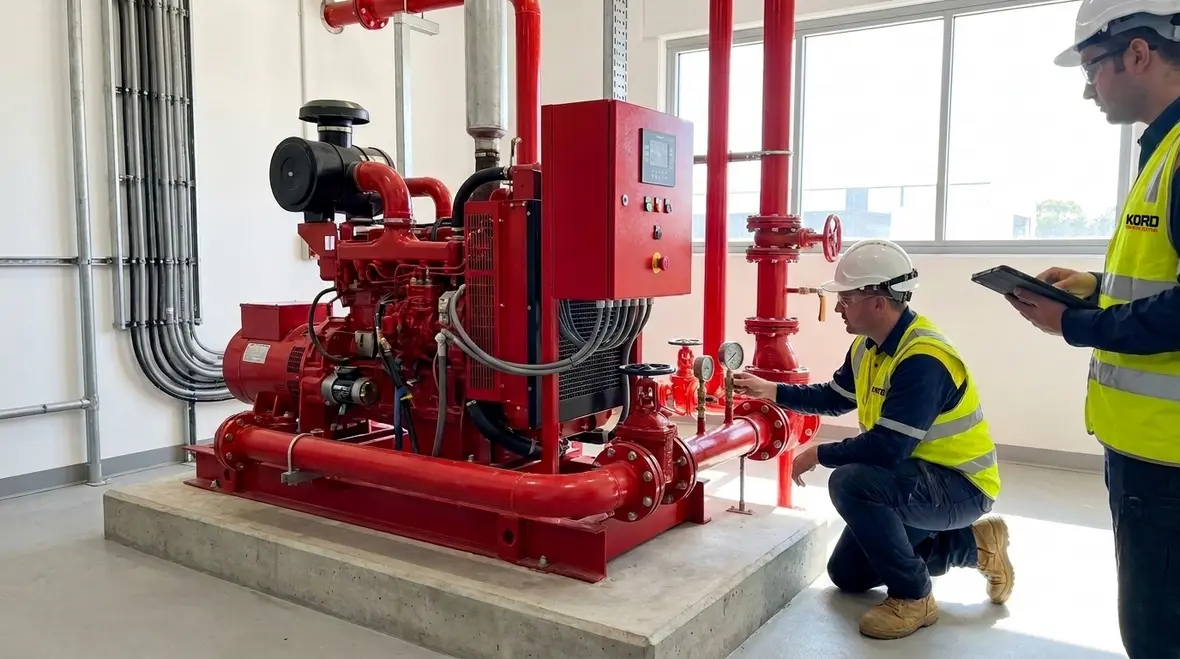
At the heart of the scope are several essential elements. The pump and its drivers, whether electric or diesel, sit alongside suction and discharge piping, check valves and priming provisions. The controller, electrical power, and remote signaling must be coordinated with the building management system. Documentation, testing plans and training complete the cycle. In addition, the system requires clear noise and vibration considerations, proper location siting and accessibility for maintenance. By addressing these pieces upfront, stakeholders can avoid rework and keep projects progressing with confidence. The phrase NFPA 20 fire pump installation scope requirements appears here as a constant reminder that reliability starts with careful planning.
What teams need to coordinate early
- Pump and driver selection based on hydraulic demand
- Suction and discharge layout with valves, supports and access
- Controller interfaces, alarms and power supply coordination
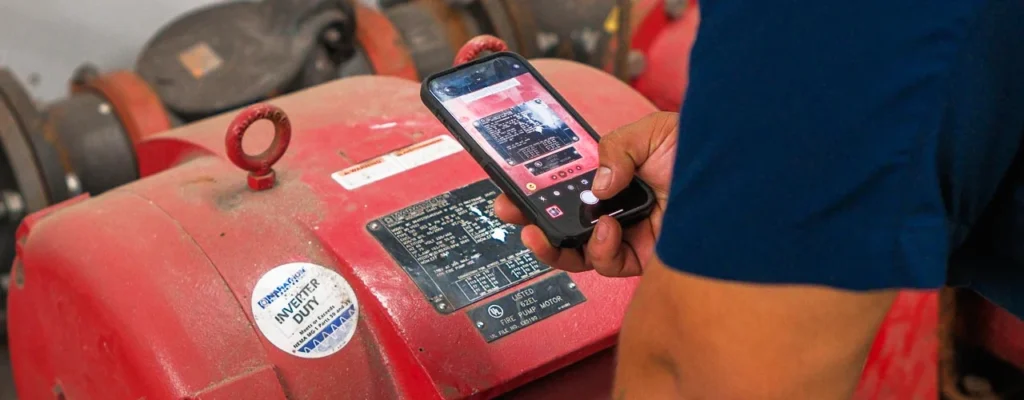
- Testing plans, documentation and operator training
- Maintenance access, vibration control and site practicality
Design and Planning Considerations for Facilities
Design begins with hydraulic calculations, pump curves and NPSH checks to ensure sufficient head and flow under worst case conditions. It continues with piping layout, valve placement and support structures that withstand operation and seismic concerns. Clear interface points with power and controls prevent miscommunication on site, while redundancy options provide resilience during power interruptions. In short, thoughtful planning translates to predictable commissioning and easier maintenance over the system life. Transitioning from theory to practice is smoother when the team keeps the scope in view at every milestone.
Projects that need deeper terminology alignment can also benefit from reviewing NFPA 20 Chapter 3 fire pump definitions, especially when multiple trades are trying to sound confident while quietly meaning different things.
Kord Fire Protection: A Trusted Partner
Kord Fire Protection acts as a vital partner on fire pump projects. They bring engineering oversight, procurement coordination and field service to the table. Their teams coordinate with electrical, mechanical and civil trades, ensuring compatibility across equipment, cables and controls. With a focus on reliability and clear communication, Kord guides projects from concept through commissioning and beyond. This partnership helps clients meet performance goals while avoiding the surprises that slow progress and inflate costs.
Why that partnership matters in the field
Fire pump installations rarely happen in a tidy vacuum. They happen in active facilities, busy construction programs and real world schedules where one missed detail can turn into three meetings and a headache. A steady partner keeps procurement, installation, testing and handover moving in the same direction.
Australia Specific Compliance and Practices
Australian projects require attention to local authority approvals and applicable standards. While NFPA 20 is a widely respected benchmark, alignment with Australian fire and safety requirements ensures smooth regulatory review. Kord’s approach includes early coordination with local AHJs, timely submittals and a strong emphasis on safe installation practices. By integrating local expectations with NFPA 20 guidance, the team delivers systems that perform reliably in Australian conditions, with clear operation and maintenance paths for facility teams. The result is peace of mind for stakeholders and a safer environment for occupants.
Execution Steps with Kord
- Assess site specifics including water supply, power availability and space constraints.
- Develop a design that satisfies hydraulic needs and meets both NFPA guidance and local codes.
- Procure components and coordinate installation with all trades for a seamless build.
- Test and commission, validating hydraulic performance, controls, alarms and reliability.
- Handover with complete documentation, training and a tailored maintenance plan.
Two Column Overview
Column A
- Scope clarity from the outset reduces rework
- Proper suction and discharge piping is essential
- Reliable control and power integration matters
Column B
- Documentation, training and handover are part of the plan
- Hydraulic calculations prevent oversized or undersized systems
- Local compliance and AHJ coordination smooths approvals
Frequently Asked Questions
Conclusion and Call to Action
In the end, success rides on a well defined scope and a steady partnership. Kord Fire Protection brings experience, calm and practical action to NFPA 20 fire pump installation scope requirements. Builders, facility managers and owners across industrial, retail and commercial sectors in Australia can rely on a trusted team to guide every step and deliver a system that performs when it matters most. Reach out to start the conversation and protect your people and assets with confidence.

Join Our Newsletter!
Get the latest fire safety tips delivered straight to your inbox From our Newsletter.