NFPA 20 Section 4.30: Seismic Fire Pump Protection
Quick Answer
NFPA 20 Section 4.30 sets the standard for protecting fire pumps from earthquakes through bracing, anchoring and testing. For industrial, retail and commercial facilities across Australia, a seismic protection plan ensures water remains available after a quake. Kord Fire Protection can lead design, installation and ongoing service to achieve compliance and reliability.
Across industries in Australia, the safety imperative is clear to protect the water supply for firefighting during earthquakes. Our NFPA 20 earthquake seismic protection fire pump program focuses on bracing, anchoring and testing to keep water flowing when it matters most. This article explains the essentials and how a trusted partner can make compliance practical and affordable for industrial, retail and commercial sites.
Near the top of any compliance conversation, it also helps to understand the bigger picture of how NFPA 20 regulates fire pump systems, because seismic protection makes a lot more sense when it is viewed as one part of a complete fire pump reliability strategy.
NFPA 20 Section 4.30 Explained
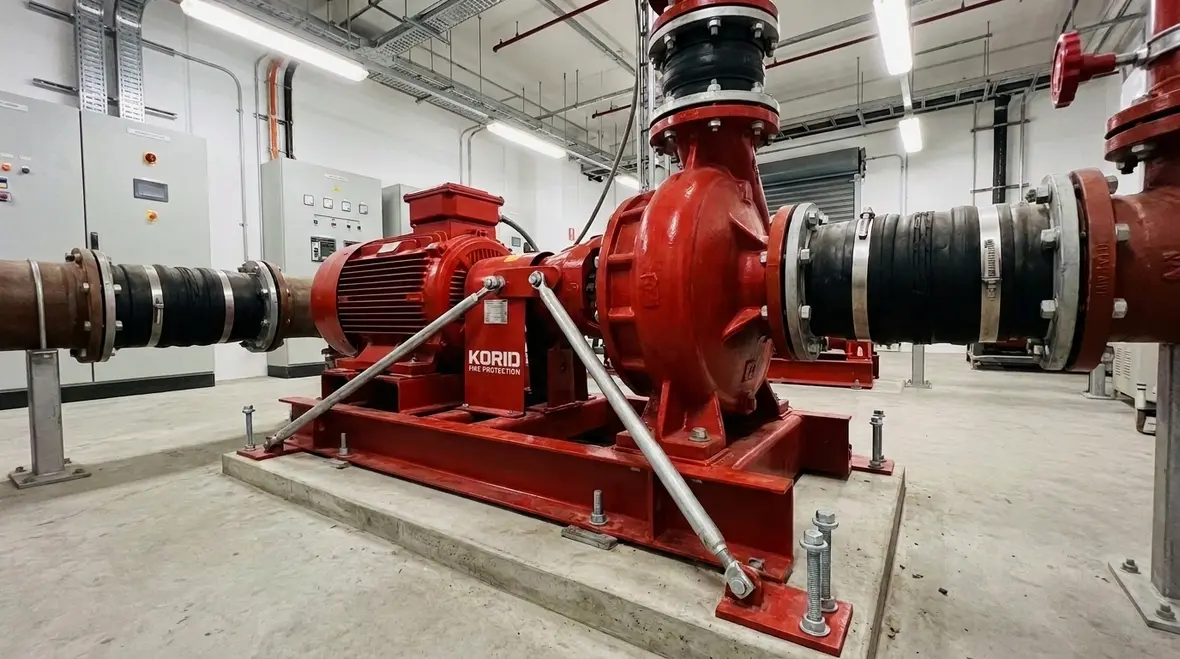
NFPA 20 Section 4.30 addresses the seismic protection of fire pump equipment. It requires that pumps be designed and installed to resist the forces generated by ground movement. The goal is to prevent pump misalignment, hose rupture or shaft damage that could interrupt water supply. Key elements include seismic bracing, secure anchoring, flexible connections and proper placement to minimize vibrations. The section guides engineers to consider site soil conditions, building movement, and equipment weight so that the fire pump remains operable after seismic events.
Why Seismic Protection Matters for Fire Pumps
When earth shakes, a failed fire pump can leave a facility without fire water just when it is most needed. Seismic protection preserves the reliability of the fire protection system, protects the investment in the pump, and reduces downtime after an incident. For Australian facilities, this means less risk to personnel, property and business continuity. In practice, a properly protected pump helps responders act quickly rather than improvise under pressure.
Key Requirements for Australian Facilities
Facilities outside the United States often reference NFPA guidance as a benchmark while adapting to local codes. The core requirements include securing the pump and its components with robust bracing, anchoring the base to the structure, and using flexible connections to absorb movement. Vibration isolation and properly rated fasteners are important too. A thorough site assessment should identify potential movement paths, accommodating equipment tolerances without compromising accessibility for maintenance.
Design and Installation Best Practices
Early collaboration between mechanical, electrical and structural teams yields the best outcomes. A practical plan accounts for pump location, electrical supply, and piping routes that avoid rigid constraints. Installers should verify that bracing and anchors withstand the specific seismic design category of the site. Documentation includes as built drawings, inspection records and a maintenance plan to ensure ongoing readiness. In short, thoughtful design minimizes disruption while maximizing reliability.
Coordination That Saves Headaches Later
This is where good planning earns its keep. When structural supports, electrical feeds and pipe movement allowances are coordinated early, the result is usually a cleaner install, fewer surprises and far less expensive “why is this in the way” energy on site.
Testing and Maintenance Guidelines
Testing should verify not only the pump operation but also the integrity of the seismic protection arrangement. Routine inspections should check welds, anchor bolts, bracing members and flexible connections. Post quake or post event revalidation is recommended to confirm performance remains intact. Regular maintenance aligns with broader fire protection testing programs, and keeps the system ready for activation when needed.
Two Column Quick Read – Challenges
- Hard ground movement can misalign piping and disconnect power or fuel supply
- Access to pumps after a quake can be restricted by debris or damage
- Unseen corrosion or wear can undermine seismic supports
Two Column Quick Read – Solutions
- Engineered bracing and anchoring designed for local seismic forces
- Flexible connections and vibration controls to absorb movement
- Regular testing, documentation and maintenance to sustain performance
Partnering with Kord Fire Protection
Kord Fire Protection offers a complete service package tailored to the Australian market. They bring design expertise, coordinated installation, commissioning and ongoing maintenance for the NFPA 20 earthquake seismic protection fire pump program. Their team works with manufacturers to source compatible components and provides site specific risk assessments. In addition, they help facilities build a practical compliance timeline that fits budget and operations, so the project does not stall or disrupt daily activity.
If your team is also reviewing long term upkeep, a practical companion read is this guide to fire pump maintenance for commercial and industrial buildings, which fits naturally with the testing and readiness side of seismic protection.
Implementation Roadmap for Australian Facilities
To move from concept to compliant operation, consider this practical plan
- Audit the current pump setup and site seismic profile
- Map NFPA 20 Section 4.30 requirements to the site and identify gaps
- Design bracing, anchoring and piping modifications with a focus on reliability
- Coordinate with electrical and mechanical teams for a smooth install
- Install protective measures and document all changes
- Conduct initial testing and set a maintenance schedule for future readiness
A Simple Rule of Thumb
If the plan looks tidy on paper but ignores access, movement, testing or maintenance, it is not finished. Fire pumps have a funny way of exposing optimism at the worst possible moment.
How this Applies to Australian Industry
Industrial plants, manufacturing facilities, retail complexes and commercial buildings across Australia rely on robust fire protection. By aligning with NFPA 20 earthquake seismic protection fire pump principles, these facilities gain a clear path to resilience. The approach is practical, scalable and designed to minimize downtime while maximizing safety.
Frequently Asked Questions
Conclusion and Call to Action
Protecting fire pumps is a critical step in safeguarding safety and operations. By applying NFPA 20 Section 4.30 alongside practical Australian adaptations, facilities can secure water supply after earthquakes. Kord Fire Protection stands ready to guide every phase from assessment to maintenance. Contact them today to build a compliant seismic protection plan for your site and ensure readiness when the ground shakes.

Join Our Newsletter!
Get the latest fire safety tips delivered straight to your inbox From our Newsletter.