NFPA 17A Kitchen Suppression Guide With Kord Fire Protection
NFPA 17A kitchen suppression is the code-based approach that helps protect commercial cooking areas from fast-moving fires, especially when grease, vapors, and high heat team up like an uninvited sitcom cast. In this guide, third person explains how NFPA 17A fire protection systems work, what installers and owners need to plan for, and how service teams keep coverage effective over time. Then, it becomes clear why Kord Fire Protection can act as a vital partner for this job, bringing the field experience, documentation habits, and follow-up mindset that busy operators need. Because in the kitchen, one minute everything looks fine and the next minute the hood is thinking about a career change.
Restaurant operators trying to make sense of code language usually do not need more confusion. They need a practical explanation of how protection is supposed to work in a live commercial kitchen, where fryers stay busy, broilers run hot, and grease has a habit of showing up everywhere except where anyone wants it. Kord Fire Protection addresses that reality through service and support for suppression systems, including UL300 restaurant systems and related kitchen protection work that aligns fire safety with day-to-day operations.

What NFPA 17A kitchen suppression systems cover
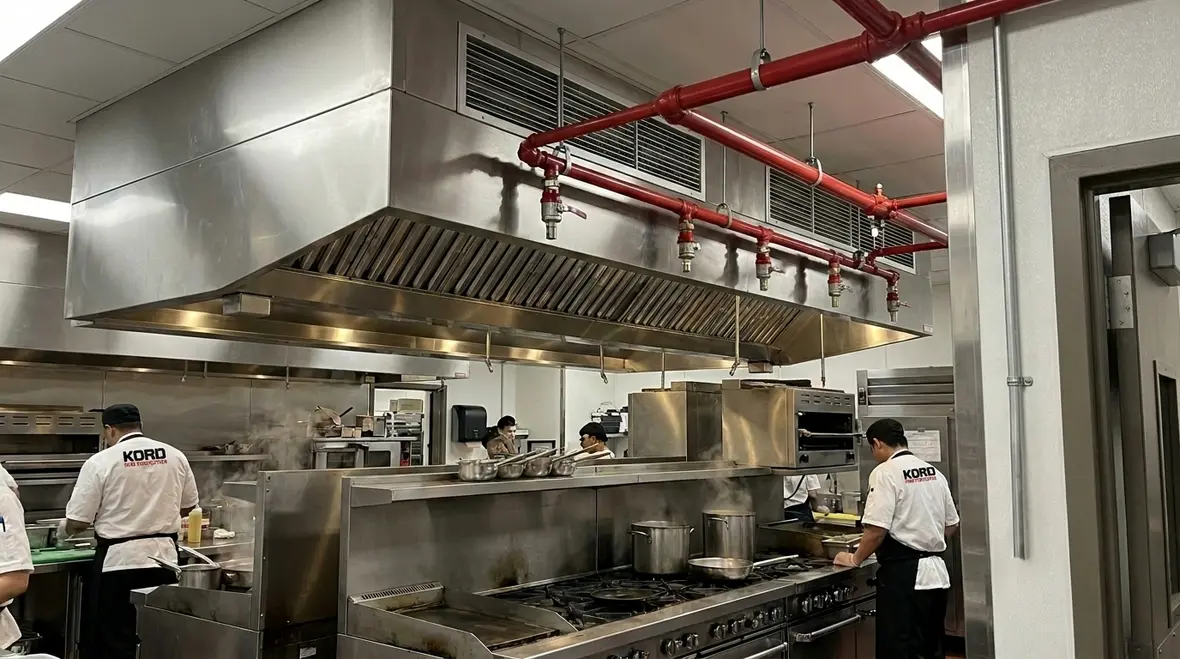
NFPA 17A kitchen suppression systems focus on hazards that develop in commercial cooking: frying, broiling, char-broiling, and any operation that produces grease-laden vapors. These systems protect more than just flames. They help control the hidden fire risks inside hoods, ducts, and the equipment surfaces that grease can cling to. As a result, the goal is not only to stop visible fire but also to reduce the chance that fire spreads through ventilation pathways.
Typically, the system protects the hood and duct enclosure, and it uses a clean agent approach that matches the design. Meanwhile, the system also includes actuation components that respond quickly when heat and fire conditions occur. In plain terms, the system aims to behave like a well-trained fire marshal, only it works at 3 a.m. without complaining.
That broad coverage matters because the real danger in a commercial kitchen is rarely limited to the obvious flame front. Grease deposits inside the exhaust path can carry fire upward and outward with alarming speed. Kord Fire Protection discusses similar kitchen hazard patterns in its article on what kitchen fire suppression covers and does not cover, which is helpful for operators who want the straight answer without a side order of mystery.
Why coverage has to include the full hazard path
A kitchen fire does not politely stay where it started. Once heat, grease, and airflow start cooperating, the hazard can move from appliance to plenum to duct before staff fully process what happened. That is why coverage planning looks beyond a single appliance and toward the entire route fire might travel. It is less about optimism and more about refusing to let the duct system become an express lane for disaster.

How a typical system design prevents grease fire spread
NFPA 17A kitchen suppression starts with a design that fits the cooking setup, not a one size fits all plan. Therefore, engineers and designers look at hood size, duct layout, cooking equipment types, and airflow patterns. Then they determine the discharge location and the right suppression strategy for the hazard.
Most designs include detection and actuation methods that trigger release when conditions meet the system’s criteria. In addition, the distribution network routes the suppression agent where it needs to go. This matters because grease fires can travel through channels that people do not notice until it is too late.
Further, the system’s placement and coverage must align with the enclosure and duct geometry. If the hood configuration or duct routing differs from the original plan, the protection approach may underperform. And yes, that can become a problem if someone decides to “just reroute a little duct” during a remodel, like changing the steering wheel after the car already left the parking lot.
Design details that should never be treated as optional
The layout of appliances, the spacing under the hood, the route of the duct, and the way air moves through the system all affect how suppression performs. Even small changes can create blind spots. Kord Fire Protection regularly emphasizes this practical side of compliance in articles like commercial kitchen fire suppression systems explained, where code expectations are translated into language that owners can actually use before a remodel creates more excitement than anyone ordered.
Key components inside an NFPA 17A compliant system
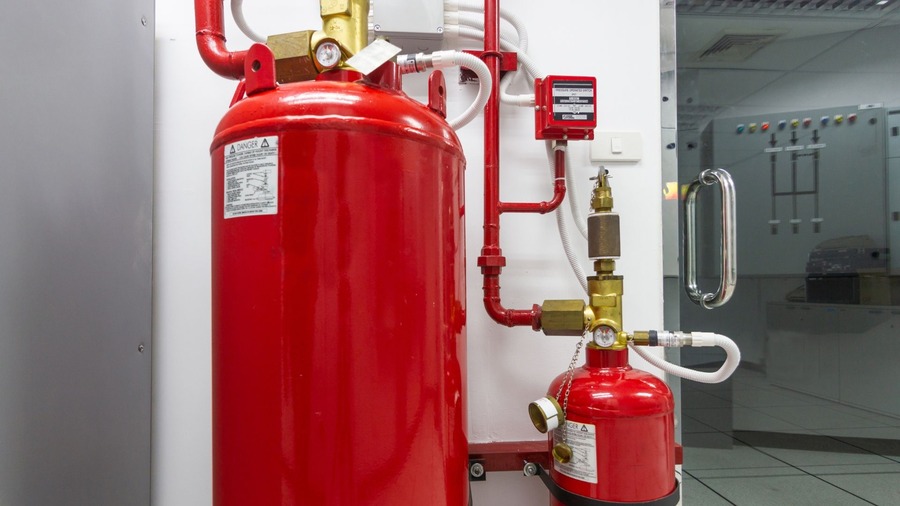
System components work together, and each one has a job to do. When one piece drifts out of specification, performance can weaken even if the rest looks normal. Common elements include the detection method, the control or actuation unit, the agent cylinder or suppression source, and the discharge nozzles or outlets that distribute the agent through the hood and duct.
Many systems also include manual release provisions so staff can act immediately when safe to do so. Meanwhile, valves, fittings, and piping connect the suppression source to the discharge network. Also, the system typically includes status indicators so operators and service techs can quickly confirm whether the equipment stands ready.
Finally, proper integration with other systems like fire alarm signaling can help support evacuation and response. Then the entire facility can coordinate actions instead of guessing what just happened.
- Detection components that identify hazardous heat conditions
- Actuation hardware that releases the system when trigger conditions are met
- Agent storage and distribution equipment that directs suppression where it belongs
- Nozzles positioned to protect appliances, hood areas, and duct pathways
- Manual release options that allow trained staff to respond quickly
- Interlocks or signaling features that support coordinated emergency action

Installation and commissioning steps that keep protection reliable
Good installation matters as much as good equipment. First, installers plan cable routing, device placement, and agent distribution so components match the design intent. Next, they test detection, confirm actuation paths, and verify that discharge coverage reaches the required areas.
During commissioning, technicians confirm that the system meets the requirements for response time, coverage expectations, and proper device function. After that, they document the configuration and provide guidance to the operator on what to monitor.
In many kitchens, changes occur fast. However, owners should avoid treating the system like a “set it and forget it” appliance. If new cooking equipment gets added, or if ventilation changes, the system may need a review. Kord Fire Protection often supports this with service processes that keep paperwork and field verification aligned, so the protection does not fade quietly behind daily operations.
Commissioning is where paperwork meets real performance
A system is not truly ready because the hardware looks impressive on the wall. It is ready when detection, release, coverage, shutoffs, and documentation all agree with each other. Kord Fire Protection’s broader fire suppression services page highlights installation and maintenance support that helps businesses move from initial setup to ongoing readiness without crossing their fingers and hoping the system shares the same optimism.
Maintenance, inspections, and common failure points to watch
Even strong NFPA 17A kitchen suppression systems can lose effectiveness when maintenance slips. Therefore, inspections should check key items such as agent pressure or status, nozzles and discharge pathways, connections, and control device readiness. Technicians also confirm that valves and actuation components remain in correct condition.
One frequent failure point involves blocked or altered duct sections, especially after renovations. Another involves corrosion or damaged components in environments with heavy heat exposure. Also, incorrect reassembly after service can lead to gaps in coverage.
Service teams should document findings, repair actions, and any adjustments. Then they ensure that the system remains compliant and ready for real-world cooking conditions. Kord Fire Protection becomes valuable here because they approach maintenance as risk management, not just a checklist. In other words, they do not merely “look at it.” They verify that the system can perform when the kitchen finally decides to throw a fire, like a dramatic actor hitting their mark.
Operators who want a more inspection-focused companion read can also review Kord Fire Protection’s UL 300 restaurant hood fire suppression guide, which walks through practical checklist items that often reveal small issues before they become expensive ones.
Dual column view: service priorities that protect the kitchen
To keep things clear, this simple two-column view helps decision makers understand where attention should go during installation, inspections, and ongoing service.
Service focus
- System verification during commissioning
- Inspection of discharge pathways and nozzles
- Review after kitchen remodels or equipment changes
- Documentation and readiness checks
- Training and operational guidance
Why it matters
- Confirms detection and discharge performance before the kitchen opens
- Keeps agent flow and coverage aligned with the hazard layout
- Prevents coverage gaps when airflow or hood geometry changes
- Supports compliance and speeds up response during incidents
- Helps staff react correctly and reduces “panic decisions”
Why Kord Fire Protection becomes a vital partner
Most businesses want two things: peace of mind and fewer surprise problems. Kord Fire Protection supports that mission by treating NFPA 17A kitchen suppression work as an ongoing relationship rather than a one-time visit. Because when kitchens operate daily, the risk environment changes as quickly as the menu board.
First, Kord Fire Protection helps owners and operators maintain system reliability through consistent service practices. Then, they help ensure that documentation stays organized and aligned with the system’s actual condition. Finally, they coordinate with facilities teams so maintenance does not disrupt cooking schedules more than necessary.
Also, they understand that codes matter, but so does real-world practicality. When service techs communicate clearly and show up prepared, operations run smoother. And in a kitchen, smoother operations often mean fewer emergencies, fewer outages, and fewer moments where someone says, “We thought it was fine.”
That combination of field awareness and service structure is exactly why operators often connect NFPA 17A planning with Kord Fire Protection’s focused resources on kitchen suppression systems for equipment and grease fires. The message is consistent: protection is strongest when design, service, inspection, and communication all work together instead of wandering off in separate directions like a committee that lost the agenda.
FAQ
Final call to action
Kitchens move fast, and fire risk does not wait for the next maintenance cycle. Kord Fire Protection helps owners keep NFPA 17A kitchen suppression systems dependable through careful service, clear documentation, and reviews that match real changes in the facility. If the system is new, they help start it right. If it already exists, they help keep it compliant and ready. Schedule an assessment today and protect the business before cooking turns into a headline.
Need help with kitchen fire protection?
Connect with Kord Fire Protection for service support, inspections, and system planning through its fire suppression services page and keep commercial cooking hazards from becoming tomorrow’s very unwanted plot twist.

Join Our Newsletter!
Get the latest fire safety tips delivered straight to your inbox From our Newsletter.