
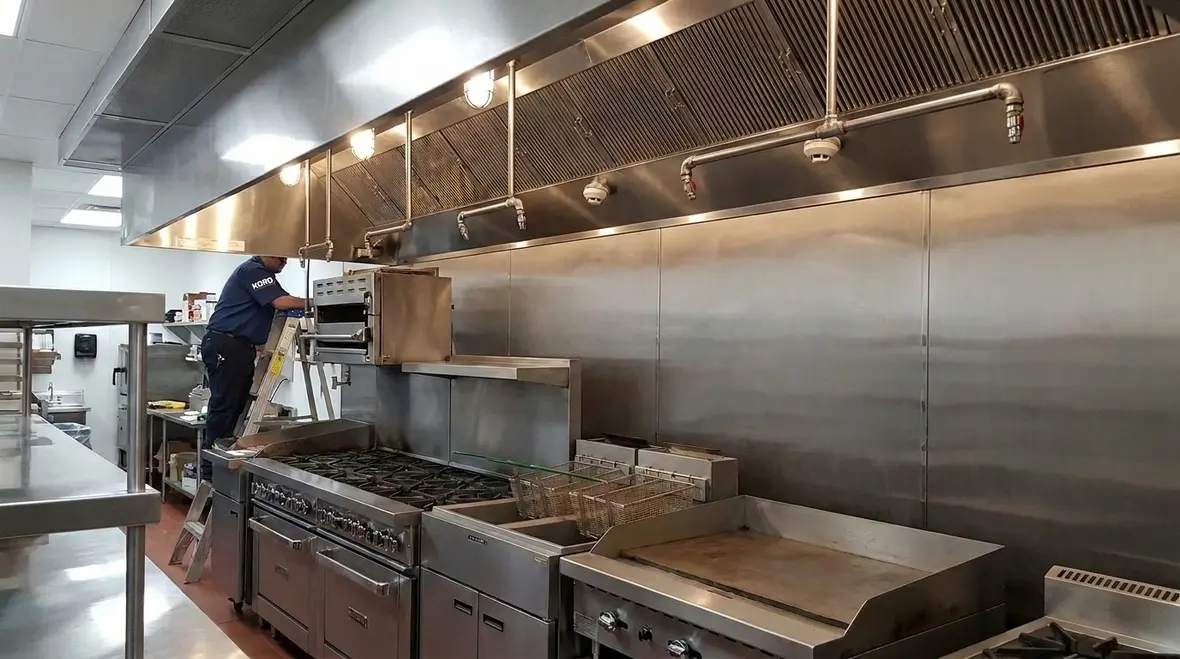
UL 300 Kitchen Fire Suppression for Restaurant Safety
Restaurant fires do not ask for permission. They start fast, they spread faster, and they can turn a busy dinner service into a headline no owner wants to read. That is why UL 300 kitchen fire suppression deserves attention before the first grease pot heats up. This article walks restaurant owners through what this system does, what it protects, how it gets maintained, and how they can work smarter with certified partners. Along the way, Kord Fire Protection can become a vital ally, because installing a system is only half the job. Operating it, testing it, and keeping it ready for the worst takes steady, professional support.
In practical terms, UL 300 exists because modern commercial kitchens are not mild little cooking spaces with a sleepy stove and a polite saucepan. They are high heat, grease heavy environments where fryers, ranges, charbroilers, and hood systems work hard for long hours. When something goes wrong, it rarely stays small for long. That is exactly why restaurant owners benefit from understanding how these suppression systems function in real life and not just on an inspection tag.
Owners who want a broader look at system design and compliance can also review Kord Fire Protection’s UL 300 Restaurant Hood Fire Suppression Guide, which complements the same safety themes from another angle.

What UL 300 kitchen fire suppression systems protect
Most kitchen incidents begin with cooking oils, grease, and the heat that builds around hoods, ductwork, and filters. In other words, the fire has a head start. UL 300 kitchen fire suppression focuses on the hood and duct zone, where flames and hot gases move before anyone realizes the situation is turning serious.
When designed and applied correctly, the system targets the cooking surface environment without relying on a late response from a portable extinguisher. Instead, it works like a well trained bouncer: it stops the trouble at the door, not after the fight spills into the dance floor.
Technically, the system releases an extinguishing agent when sensors detect heat or fire conditions that match the design criteria. As a result, the fire gets suppressed quickly, which can reduce flame spread, protect nearby equipment, and give occupants time to evacuate. Meanwhile, the restaurant can avoid the kind of damage that forces months of rebuilding.
Why hood, duct, and appliance coverage matters together
A kitchen fire does not politely stay where it started. It can jump from the appliance surface into the hood plenum and then move into ductwork loaded with grease residue. That is why partial protection creates a false sense of security. The protected area has to be viewed as one connected hazard, not a collection of unrelated metal boxes hanging over a grill.
Kord Fire’s related resource on what kitchen suppression systems cover and do not cover is useful for owners who want a clear picture of where these systems help and where operating procedures still matter.
How the system triggers and what restaurant staff should know
A common mistake happens when owners assume the system handles everything. It does not. It handles the fire suppression part. People still handle the human part.
Typically, the suppression unit connects to detection elements in or near the hood area. When conditions exceed thresholds, the system activates. At that point, alarms and control signals alert staff and help coordinate response.
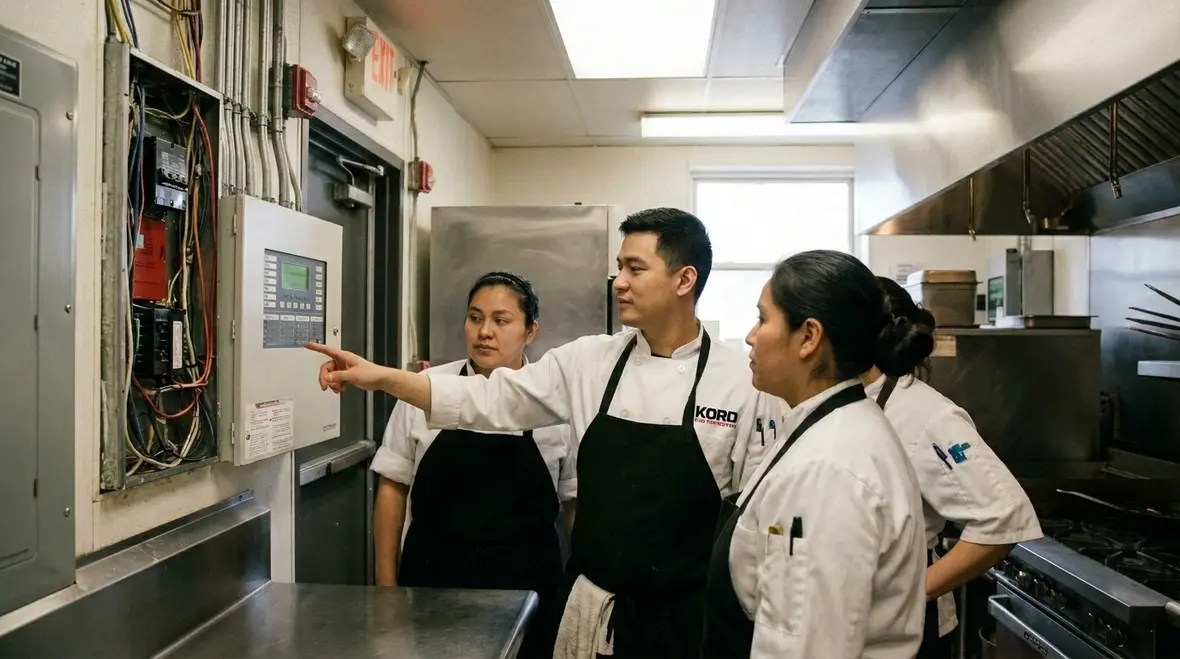
Staff should understand three practical points. First, they should know where activation controls and exit routes are located. Second, they should know what to do immediately after discharge, including how to secure power and prevent re ignition. Third, they should understand that cleanup and inspection matter as much as the initial response.
And yes, a joke is allowed here. If someone thinks the fire system is a set it and forget it toaster button, that mindset turns into a bad comedy. Real life does not pause for laughter.
The human response after discharge
The system may suppress the fire, but the scene still has to be managed. Staff should know how to evacuate if needed, secure utilities where required, and avoid rushing back into operations because the flames appear to be gone. Restaurants lose precious time when confusion replaces procedure. A short training refresher often does more good than a binder nobody has opened since the grand opening.
Installation standards and why proper design matters
Design drives performance. Two restaurants can look similar, yet their duct runs, hood sizes, cooking load, and ventilation rates can differ enough to change how the system must be configured. Therefore, a correct installation must follow the applicable engineering and testing rules, including proper nozzle placement, piping routing, and placement of detection components.
Proper design also considers what happens after discharge. For example, the restaurant must plan for extinguisher agent containment, residue cleanup, and safe return to service. If the design team ignores these details, the system may suppress the fire but still leave the business stuck waiting for remediation longer than necessary.
This is where Kord Fire Protection can add real value. A strong partner does not just put in the boxes. They help align the system layout with the site reality, and they communicate with owners so expectations stay clear. That coordination often saves time during inspection and reduces surprises later.
Why restaurant changes can force design changes
A line that starts with one fryer and one range rarely stays that way forever. Menu changes, seasonal volume, and equipment upgrades all shift the hazard profile. A new appliance can affect nozzle coverage, detection layout, and shutoff logic. That is why owners should treat system design as tied to the actual kitchen, not to some old floor plan hiding in a file cabinet from three remodels ago.
Owners exploring dedicated compliant solutions should also see Kord Fire Protection’s service page for UL 300 restaurant systems, which is directly relevant to design, installation, and long term support.
Inspection, maintenance, and readiness for busy kitchens
In a restaurant, time is always moving. Filters get changed, menu items change, and equipment gets swapped. As a result, fire protection needs to stay current with the kitchen, not frozen in the past.
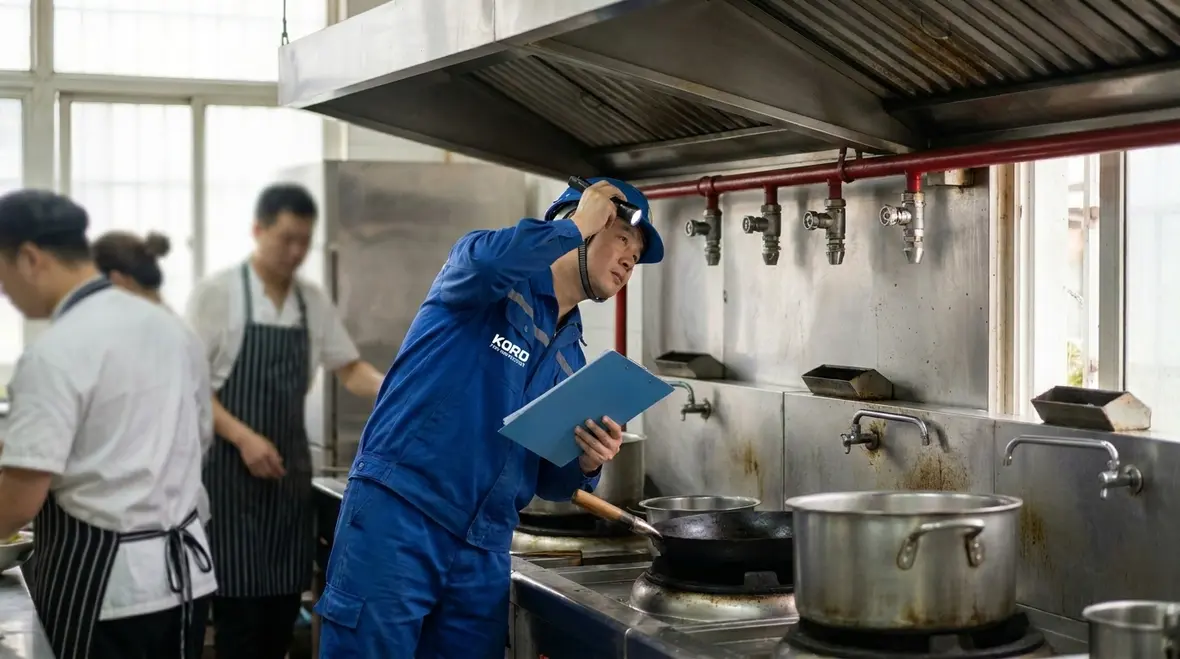
Maintenance typically includes scheduled inspections, testing of detection and control components, verification of pressure or actuator status where applicable, and checking that no modifications block or alter system performance. Owners should also keep a log. When inspectors ask for records, a clean log turns stress into a simple folder handoff.
Meanwhile, staff training should not be a one day event. Short refreshers work better, especially before high risk seasons like holidays or during menu expansions that add more fryers and grills. If the kitchen evolves, the safety plan should evolve too.
Kord Fire Protection can help restaurants stay organized by supporting recurring service schedules, documenting findings, and advising owners on common risk drift patterns such as blocked hood filters, added appliances that were not included in the original hazard review, or duct modifications done without fire system input.
What a steady maintenance rhythm looks like
The smartest operators build maintenance into regular operations instead of treating it like an emergency chore. Keep records updated, confirm service intervals, note equipment changes, and make sure staff knows who to call when something looks off. Safety runs better when it is routine. Chaos should stay on the dinner rush side of the kitchen, not the fire protection side.
Common failure points and how to prevent them
Most system problems do not happen because the technology failed. They happen because someone changed something and nobody updated the system response plan. Therefore, owners should watch for predictable issues.
One failure point involves kitchen modifications. If equipment gets added, repositioned, or tied into the hood differently, detection and agent coverage might no longer match the hazard. Another issue can come from poor housekeeping. Grease buildup around the hood area, duct joints, or adjacent surfaces can change how heat and flames behave.
Next, check the human factors. Delayed evacuation, incorrect assumptions about reset procedures, or lack of familiarity with the control panel can slow response. Additionally, if staff members never practice what post discharge looks like, they may rush in and complicate the situation.
To avoid all of that, restaurants can build a simple rhythm. Inspect on schedule, update the hazard review when the kitchen changes, and confirm that staff training stays realistic. And yes, that includes telling the truth during training. The system helps, but people still need to act.
Small oversights that create big headaches
Something as simple as neglected grease buildup, blocked access to controls, or an appliance swap without review can undercut an otherwise solid system. Those are the frustrating failures because they are avoidable. They are also the kind that show up at the worst possible moment, usually when the kitchen is slammed and everyone suddenly remembers that safety should have been taken seriously three months ago.
How to choose a partner like Kord Fire Protection
When choosing a fire protection partner, restaurant owners should ask how the team supports the full lifecycle: design input, installation coordination, inspections, maintenance, and documentation. A partner that only focuses on one moment in time can leave owners to chase updates during the rest of the years.
Kord Fire Protection can serve as a vital partner because it helps keep the service connected to the real operation of the kitchen. That means clear communication, practical guidance, and service that aligns with inspection expectations. In business terms, owners want fewer interruptions and fewer why didn’t we know that moments.
They should also look for responsiveness. When something shows up as a concern during an inspection, the best partners address it quickly and explain the fix in straightforward language. That calm, deliberate approach reduces downtime and protects both staff and the brand.
For owners who want more context around broader kitchen protection planning, Kord Fire Protection also offers helpful reading such as Commercial Kitchen Fire Suppression Systems Explained and service support through fire alarm services when integrated notification and response coordination matter across the property.
FAQ: UL 300 kitchen fire suppression
Need a system that stays ready for service
Restaurant owners should treat kitchen fire suppression like a core operations requirement, not a one time project. With proper design, ongoing inspections, and staff readiness, the system can protect people, equipment, and the business reputation. It is one of those behind the scenes investments that nobody celebrates on a Friday night, which is exactly the point. When it works, the evening stays about the food and not the fire department.
If the goal is steady compliance and fewer disruptions, Kord Fire Protection can help manage the lifecycle with the care it deserves. Restaurant owners can explore the dedicated UL 300 restaurant systems service page and connect with Kord Fire Protection to review the current setup, plan maintenance, and keep the kitchen protected before the next busy shift.

Join Our Newsletter!
Get the latest fire safety tips delivered straight to your inbox From our Newsletter.



