NFPA 96 Kitchen Fire Suppression Compliance and Maintenance
Commercial kitchens run on heat, speed, and good intentions, but fire protection needs more than good intentions. NFPA 96 kitchen fire suppression helps control and reduce the damage that grease fires can cause in duct systems, hoods, and related equipment. However, compliance only matters if the system is inspected, maintained, and ready when something goes wrong. In other words, having the right setup is one thing, and having it work under real kitchen pressure is another. And yes, kitchens can be dramatic, like a reality show where the finale is a fully involved fire if nobody paid attention.

NFPA 96 and commercial kitchen fire protection: what the code expects
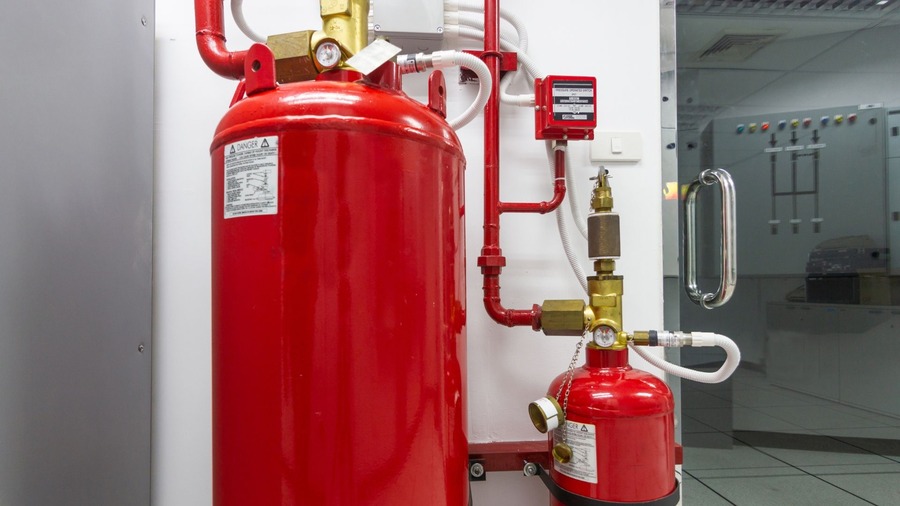
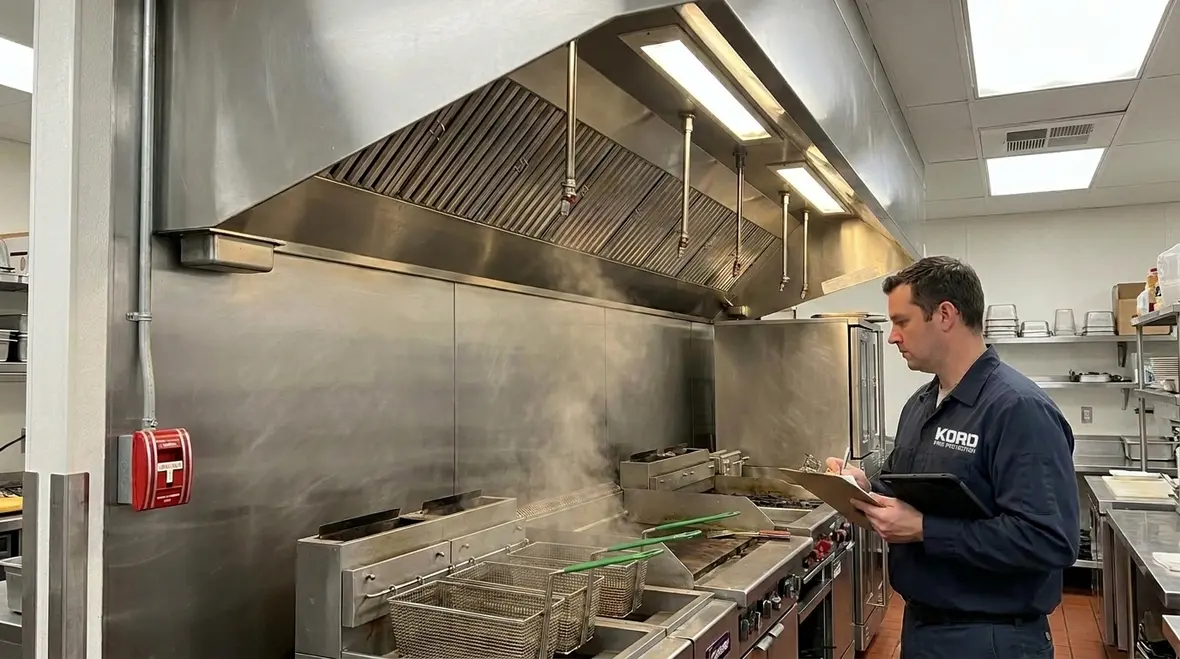
NFPA 96 establishes requirements for design, installation, maintenance, and use of commercial cooking operations and fire suppression for grease laden areas. The code focuses on the parts that usually fail first during a fire: the hood, the duct, and the suppression system that protects them. Moreover, it sets clear expectations for how often systems get checked and what procedures should happen during service.
To stay safe and compliant, a kitchen needs more than a one time install. Instead, it needs a maintenance rhythm that follows how the equipment operates day to day. For instance, heavy frying and high volume cooking can load grease faster, which means inspections must keep pace with the kitchen’s real use. When teams treat maintenance like a seasonal chore instead of a scheduled duty, the system can lose performance when it matters most.
Why compliance is an ongoing process
That is the part many kitchens underestimate. Code compliance is not a trophy you win once and place on a shelf next to the broken blender nobody wants to throw away. It is an operating condition. If grease production changes, appliance layout changes, or the suppression system is altered without review, the kitchen can drift away from the level of protection it originally had. The paperwork may still look respectable, but the real world setup may be telling a different story.
For owners and managers, that means maintenance should be viewed as part of kitchen operations, not as some outside interruption that appears out of nowhere. A well maintained system supports continuity, protects staff, and helps avoid the kind of shutdown that ruins a week, a budget, and possibly someone’s appetite.
Where grease fires start and why duct protection matters
Grease does not care about the human schedule. It builds up when food oils and vapors move through hoods and ductwork. Over time, residue can coat surfaces, and when a flare up or ignition happens, the fire can move quickly through the exhaust system. Therefore, the goal of NFPA 96 kitchen fire suppression is not just to put out the visible flame above the cooking line, but also to protect the hidden path that smoke and heat travel.
Commercial kitchens often assume the hood hood itself is the main issue. Yet, duct systems can become the real highway for fire spread. A hood without proper duct protection is like locking the front door but leaving the back door wide open, and that is the kind of plan that tends to earn a very expensive review from a fire marshal.
The hidden route a kitchen fire loves
Once fire enters the exhaust path, visibility drops and conditions change fast. That is why hood and duct protection work as a pair. One without the other creates a weak link, and fires are unusually talented at finding weak links. They do not need an invitation. They only need grease, heat, and one bad moment.
This is also where broader system planning matters. Kord Fire Protection’s guide to commercial kitchen fire suppression systems gives a helpful overview of how equipment, hoods, and ducts work together as one coordinated protection strategy. When those parts are treated like separate issues, gaps begin to form, and gaps are where expensive stories begin.
How suppression systems get maintained for real compliance
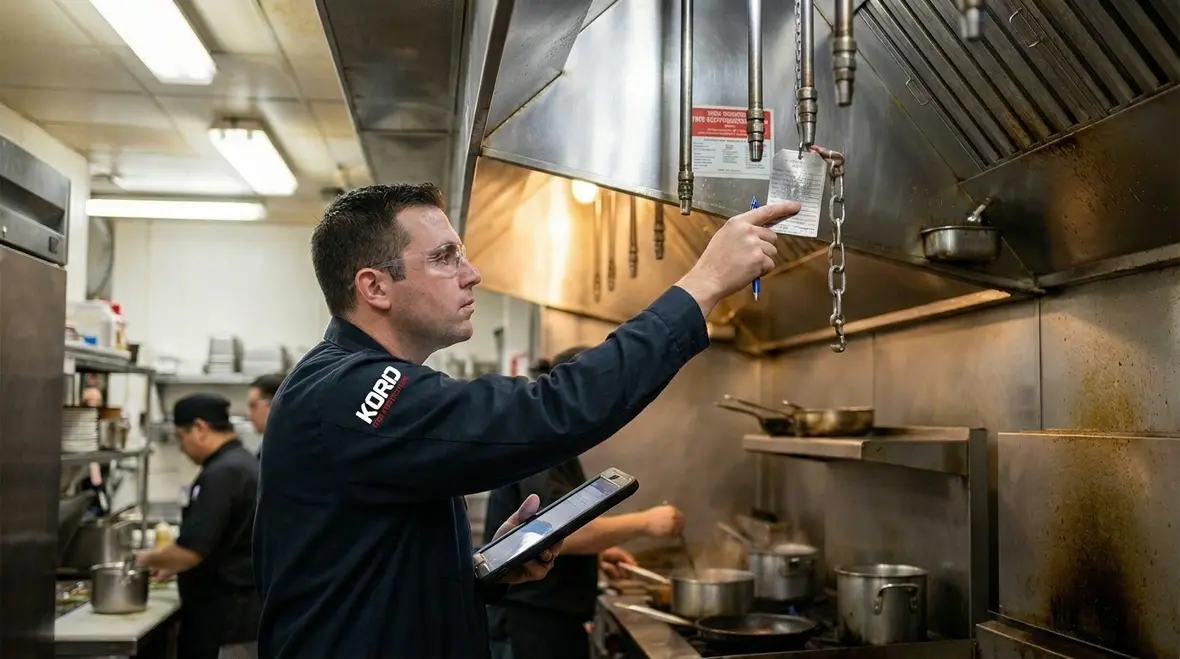
NFPA 96 kitchen fire suppression relies on components that must work together. That means no shortcuts on inspection, cleaning, and verification. Technicians should confirm the system is intact, properly labeled, and free of conditions that can block discharge or reduce effectiveness. They also check that the nozzles, actuators, and related parts remain in good shape.
Additionally, inspections should align with the hazard level of the kitchen. A high output operation typically needs more frequent attention than a low use facility. This is where many teams struggle, because they prefer to wait until the system “looks fine.” However, systems do not always show problems clearly. Corrosion, residue buildup, and minor damage can change performance even if everything appears visually acceptable.
To keep operations moving, some kitchen teams coordinate service during off hours. That step reduces disruption and helps ensure the work happens without cutting corners. When service plans are predictable, maintenance stops feeling like a surprise pop quiz.
What technicians typically verify during service
- Nozzles are present, unobstructed, and positioned correctly over protected hazards.
- System components are labeled and accessible for inspection and future service.
- Manual pull devices and linked shutdown functions remain available and in working condition.
- Grease buildup, corrosion, or physical damage has not compromised protected areas.
- Documentation is updated so the kitchen can show a clear maintenance history.

For kitchens reviewing wet chemical requirements more closely, Kord Fire Protection’s UL 300 restaurant hood fire suppression guide explains why modern protection standards matter so much for grease heavy cooking operations. It pairs well with NFPA 96 discussions because compliance is easier to understand when performance expectations are not kept in a mystery box.
Inspection records, cooking operations, and audit readiness
Compliance is not only about the hardware. It also depends on documentation. Fire officials and insurers often expect clear records of inspection and service activity, because those records show that the kitchen did not simply set a system in place and hope for the best.
Furthermore, audit readiness means connecting protection efforts to how the kitchen actually operates. If the kitchen changes equipment, cooking methods, or operating schedule, the protection strategy must still fit the risk. New fryers, different ventilation settings, or a shift to heavier grease cooking can increase load and affect service needs. A good partner will review these changes and recommend updates.
When teams maintain strong records, they spend less time scrambling during inspections and more time running the business. In short, paperwork becomes a shield instead of a headache.
Why documentation matters more than people think
Records help tell the story of whether protection has kept pace with operations. They also help reveal patterns, such as repeat issues in the same hood section, delayed follow up, or changes in equipment that quietly increased fire risk. Without records, teams are often left with confidence based on memory, and memory in a busy kitchen is sometimes held together by coffee and optimism.
Where Kord Fire Protection becomes a vital partner
Kord Fire Protection can become a vital partner by treating NFPA 96 kitchen fire suppression as a living system, not a one time project. Instead of just checking boxes, they coordinate service in ways that match kitchen reality. This includes aligning inspections with actual use, verifying system readiness, and supporting teams with clear recommendations that reduce future risk.
Moreover, Kord Fire Protection helps businesses keep their protection program consistent. That consistency matters because a kitchen rarely stays the same. Equipment upgrades, menu changes, and staffing shifts happen. Consequently, a good service partner watches for gaps that may form between “what the plan says” and “what the kitchen does.”
Think of it like this: the system is the seatbelt, and Kord Fire Protection helps ensure it works when the driver hits the brakes. Nobody wants to learn that it failed during the worst moment, because that is not a fun learning experience, it is just a costly one.
Service planning and kitchen downtime: how to keep both safe
A kitchen needs to keep operating, but fire protection work still requires access, verification, and sometimes controlled testing procedures. Therefore, service planning must be practical. A strong schedule reduces downtime and helps kitchens avoid the “we will do it later” trap that turns into risk.
Some kitchens ask, “Can we push it out?” Maybe they can push it out for a week, but not for a habit. Instead, teams should plan service around cooking peaks, holiday schedules, and maintenance windows. When a kitchen knows the timeline, staff can prepare and support the work without stress.
To show how planning can work, here is a simple two column view of a typical approach:
Practical scheduling beats reactive scheduling
This is where a dependable service partner earns their keep. Good planning means fewer rushed visits, clearer responsibilities, and less friction between operations staff and compliance work. It also means the kitchen does not have to pick between safety and service speed, which is a terrible game nobody should be forced to play.
FAQ about NFPA 96 kitchen fire suppression and commercial kitchens
Final word: make compliance dependable, not hopeful
Commercial kitchens need NFPA 96 kitchen fire suppression to work when the temperature rises and mistakes happen. That means scheduled inspections, clean components, clear documentation, and a service plan that matches real cooking habits. Instead of waiting for problems to show up, businesses should build a dependable protection program now.
Kord Fire Protection can help teams stay compliant and confident, while reducing downtime and surprise costs. For businesses that want a related service solution, Kord Fire Protection’s kitchen and UL 300 fire suppression services offer a practical next step. Contact Kord Fire Protection to review the kitchen’s current setup and create a practical service plan.

Join Our Newsletter!
Get the latest fire safety tips delivered straight to your inbox From our Newsletter.