NFPA 16 Section 8.5 Acceptance Instructions for Foam Water
Quick Answer: NFPA 16 Section 8.5 requires clear instructions for foam water sprinkler system acceptance so owners, contractors, and inspectors can verify the system works as designed. For industrial, retail, and commercial sites across Australia, this step helps protect people, assets, and operations. Kord Fire Protection can guide testing, documentation, and compliance with calm, steady expertise.
When a foam water suppression project reaches acceptance, the paperwork matters just as much as the pipework. NFPA 16 system instructions, foam water system operating instructions, and complete fire suppression system documentation give the building team a practical roadmap for safe use, testing, and future maintenance. In other words, this is where the system stops being a drawing on a plan and becomes a real, working protection tool. And yes, the fire safety world can feel a bit like a movie sequel nobody asked for, until the alarms go off and everyone is very glad it exists.
Near the start of that journey, many facilities also benefit from broader fire protection services that tie system design, inspection, installation, and compliance support together under one roof. And because foam acceptance rarely lives in a vacuum, it also helps to review Kord Fire Protection’s foam fire suppression system guide for extra context on how these systems behave in the real world before final handover begins.
What NFPA 16 Section 8.5 Means for Acceptance
Section 8.5 focuses on instructions that support acceptance of the foam water sprinkler system. This means the system cannot simply be installed and left with a handshake and a hope. It needs clear operating details, system data, and guidance that the owner or site manager can use. During acceptance, the team checks whether the installed system matches the design intent and whether the written instructions support safe operation.
For commercial and industrial sites, this matters because foam systems often protect high risk areas such as fuel handling zones, warehouses, plant rooms, aircraft related spaces, and certain process areas. Therefore, acceptance is not just about ticking boxes. It confirms that the people who will rely on the system can understand it under pressure, which is exactly when calm instructions become priceless.
Why Foam Water System Operating Instructions Matter
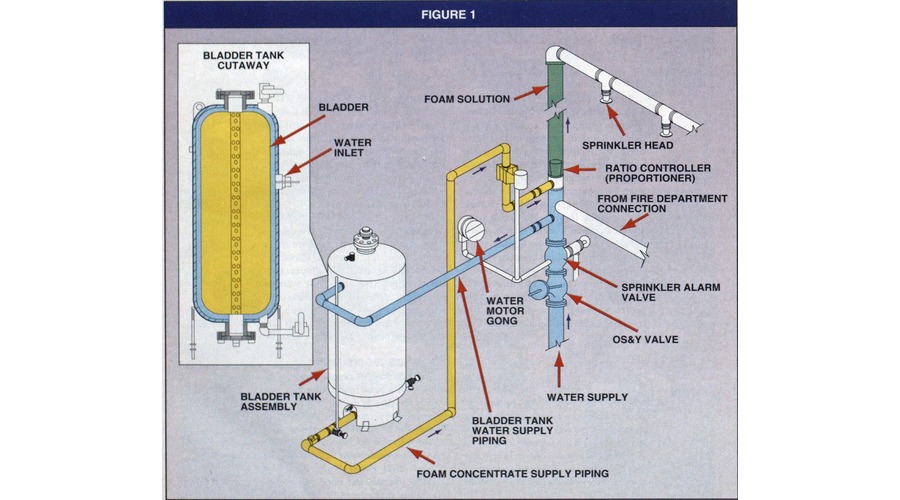
Foam systems are not normal sprinkler systems with a fancy hat on. They use a mix of water, foam concentrate, valves, alarms, and control devices to help suppress fires faster in special hazard areas. As a result, the operating instructions must show how the system starts, what controls exist, what to inspect, and what actions to take after discharge.
Good foam water system operating instructions reduce confusion during an emergency. They also help facility teams carry out routine checks without guessing their way through the process like a character in a crime drama who ignored the manual. Clear instructions support safe training, faster response, and better long term reliability.
The practical role of instructions at handover
At handover, written guidance becomes the bridge between the installation team and the people who inherit the system for the next several years. That bridge needs to hold. If labels are vague, shutdown steps are unclear, or post discharge actions are missing, the site ends up with a technically installed system and a practically confusing one. Nobody wins that award.
- Operating steps for normal and emergency activation
- Control valve locations and identification details
- Foam concentrate type, ratio, and storage notes
- Alarm and shutdown sequence information
- Reset, impairment, and reporting procedures
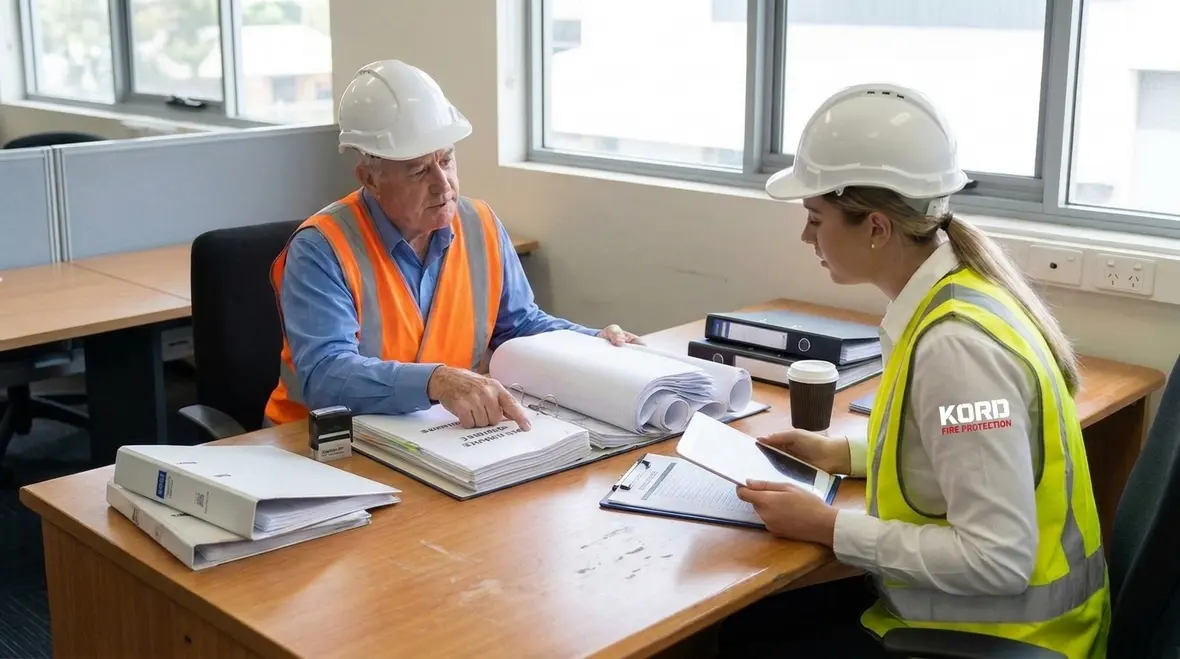
What Documentation Should Be Ready at Acceptance
Section 8.5 connects directly to the information needed for a proper handover. The exact package can vary by project, but strong acceptance support usually includes the following:
- System design basis and approved plans
- Operating sequence for normal and emergency use
- Valve and control identification
- Foam concentrate details and storage instructions
- Testing and inspection requirements
- Maintenance guidance and service intervals
- As built drawings and final system notes
Because many sites operate across multiple shifts, this paperwork must be simple enough for technicians and managers to follow quickly. It should also support local compliance needs in Australia, where facilities often work with broader fire protection and workplace safety obligations. The goal is not fancy language. The goal is usable information.
The records that save time later
Complete documentation does more than satisfy acceptance day. It helps future inspectors, service technicians, insurers, and facility managers understand the system without treating every visit like an archaeological dig. That means fewer delays during maintenance, fewer misunderstandings during audits, and fewer expensive moments where everyone stares at the panel and hopes one person magically knows what it all means.
How the Acceptance Process Usually Works
The acceptance process often begins before the final test. First, the installer and design team review the system layout, equipment selection, and control logic. Then, they confirm that the fire suppression system documentation matches what was installed. After that, the team performs functional testing, alarm checks, and any required water or foam flow tests.
Next, the site representative, consultant, and relevant authorities or certifiers review the results. If issues appear, the team corrects them and retests as needed. Finally, the site receives the operating instructions and final records. That process may sound simple on paper, yet in real life it can feel like moving a grand piano through a narrow hallway. It takes planning, patience, and people who know where the corners are.
Common acceptance pain points
Most acceptance delays are not caused by one dramatic failure. They usually come from smaller gaps that pile up: missing labels, incomplete records, outdated drawings, concentrate details that never made it into the handover file, or testing notes that live in somebody’s inbox instead of the project closeout package. In that sense, acceptance is a little like cooking with four missing ingredients. You can still stand in the kitchen, but dinner is not happening.
Dual View: What the Site Needs and What the Installer Must Deliver
| Site Owner or Facility Manager | Installer or Fire Protection Partner |
| Needs clear instructions for daily use and emergency response | Delivers accurate system data and tested operating procedures |
| Needs confidence that the foam system will work when required | Confirms the system was installed, tested, and documented properly |
| Needs records for audits, service planning, and compliance | Provides handover files, as built details, and maintenance guidance |
This dual view matters because acceptance is both technical and human. The installer must deliver a tested, documented system, but the site team must also receive information they can actually use. If either half of that equation breaks down, the handover may be complete on paper while still being shaky in practice.
How Kord Fire Protection Can Add Real Value
Kord Fire Protection can become a vital partner because acceptance does not end with a signature. It ends when the site truly understands the system and can maintain it with confidence. A capable fire protection partner can help prepare the required instructions, organize documentation, support testing, and spot gaps before they become expensive delays.
For industrial, retail, and commercial properties across Australia, this support can save time and reduce risk. Kord Fire Protection can also help coordinate with other contractors, ensure the system records make sense, and keep the handover process moving. That matters because no one wants a project held hostage by missing paperwork and a mystery valve label. With the right partner, acceptance becomes smoother, clearer, and far less stressful.
If your project touches broader foam system performance, Kord Fire Protection also provides useful reading through its foam system fire protection for flammable liquids article and the dedicated NFPA 16 standard page when that reference is part of your compliance review.
Why This Matters for Australian Commercial and Industrial Sites
Australia’s facilities often face tight schedules, mixed tenant needs, and strict operational limits. Therefore, a foam water sprinkler system must fit the site without disrupting business more than necessary. Clear instructions help maintenance teams act fast, while strong documentation supports audits, service planning, and future upgrades.
In retail centers, warehouses, food processing spaces, logistics hubs, and other busy sites, downtime costs money. So, when NFPA 16 acceptance instructions are done well, they support both safety and business continuity. That combination is the sweet spot: less confusion, better compliance, and a system people can trust when it counts.
Conclusion
NFPA 16 Section 8.5 makes acceptance more than a formality. It turns a foam water system into a documented, usable, and trusted asset. For sites across Australia, Kord Fire Protection can help make that process simple, clear, and compliant.
When the system, the instructions, and the support team all work together, the result is protection that performs when it matters most. Contact Kord Fire Protection to strengthen your next acceptance process.
FAQ

Join Our Newsletter!
Get the latest fire safety tips delivered straight to your inbox From our Newsletter.