NFPA 16 Section 2.3 and Foam Water System
Quick Answer: NFPA 16 Section 2.3 points readers to other standards, codes, and technical documents that support foam water system design, installation, and maintenance. These references help facilities make safer decisions, stay code aware, and avoid costly mistakes. For industrial, retail, and commercial sites, Kord Fire Protection can help turn those rules into practical, reliable fire protection work.
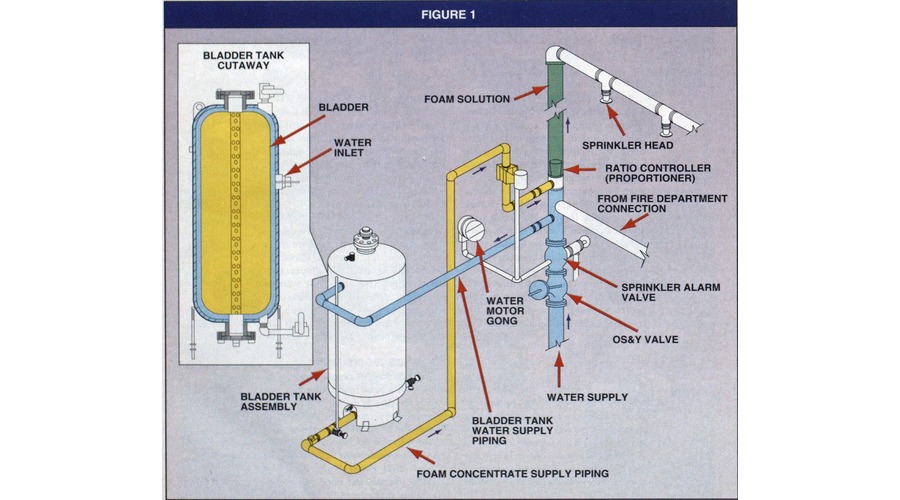
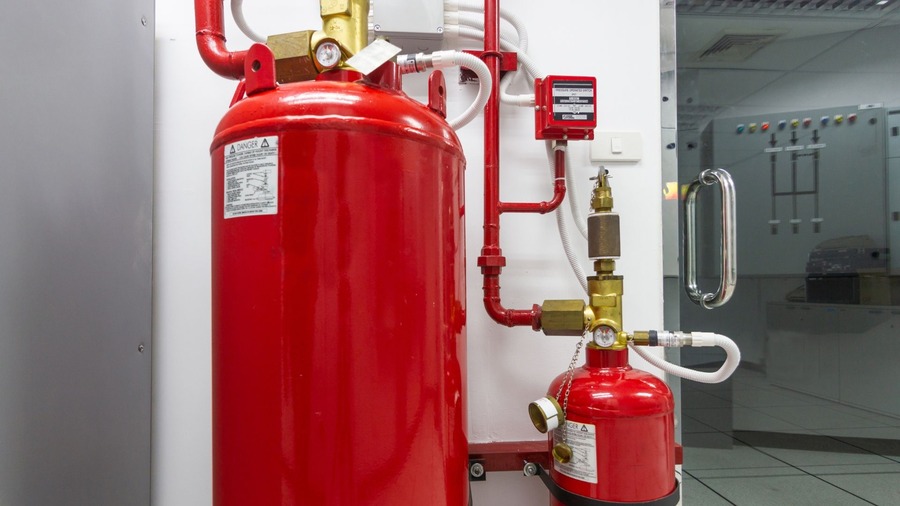
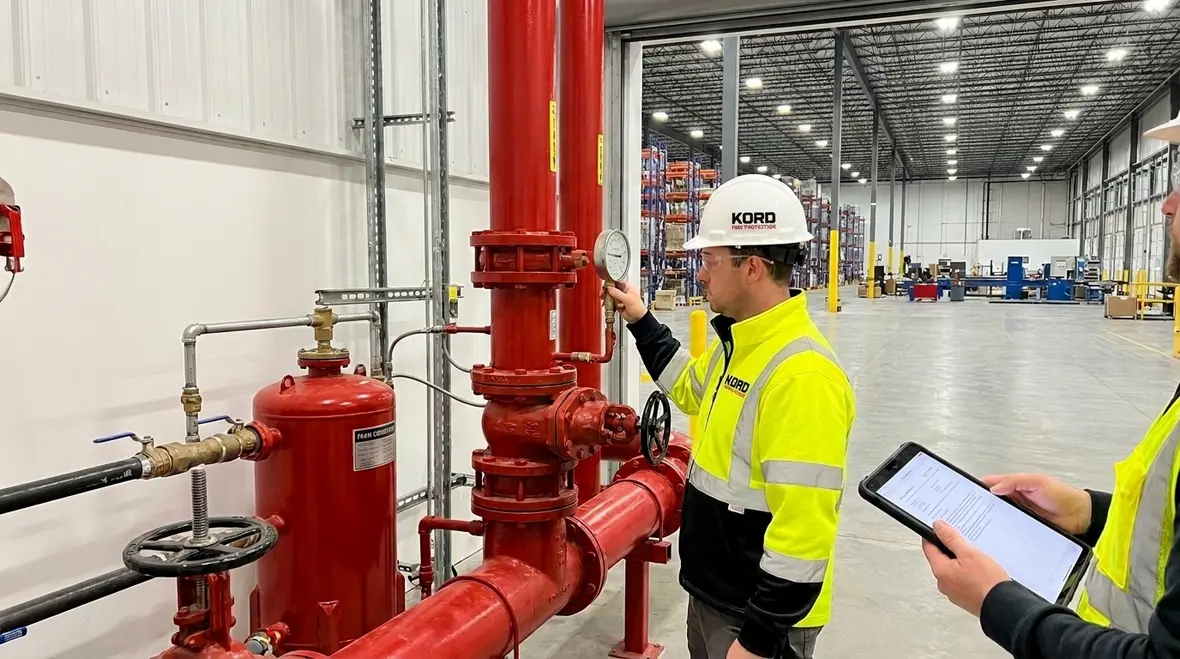
NFPA 16 Section 2.3 does not stand alone. It links foam water system work to NFPA 16 other publications, foam water system external references, and even fire code non NFPA references that shape how systems perform in real life. That matters because a foam system is not just a tank, pump, and a few pipes doing their best impression of modern art. It must line up with the full body of guidance that supports safe design, testing, and upkeep. For industrial plants, warehouses, retail centres, and large facilities, that wider view helps protect people, assets, and business continuity.
If a project is also reviewing broader suppression needs, it helps to pair this code reading with Kord Fire Protection’s fire suppression services so the design path and the service path stay in step from the start.
What NFPA 16 Section 2.3 Does in Practice
Section 2.3 works like a map. It tells the reader where to look next when a foam water system question needs deeper detail. Instead of forcing one document to answer every issue, NFPA 16 points to related standards that cover piping, water supplies, fire pumps, tanks, electrical support, and hazard specific use. As a result, the standard stays focused while still drawing strength from the wider fire protection library.
This matters on the job site because no one wants guesswork when a system protects high value stock, critical plant, or a busy public area. Therefore, the references in Section 2.3 help designers and contractors match foam system choices with the right technical rules. That means fewer conflicts, fewer delays, and fewer awkward “we thought that was fine” moments during inspection.
Why the Reference Trail Is More Than a Formality
In code language, a short list of referenced publications can look harmless. In practice, it is where many of the real project decisions begin to sharpen. A foam system may depend on details that live outside one single document, so Section 2.3 quietly tells the team, “keep reading, this gets important.” That wider reading is what helps turn a design from technically acceptable into practically dependable.
It also helps keep different trades moving in the same direction. Fire protection work often overlaps with hydraulic design, electrical coordination, water supply planning, and commissioning schedules. If those pieces are not aligned early, the site can end up with delays, redesigns, or expensive patchwork fixes that nobody wants to explain later.
Why Related References Matter to Complex Facilities
Many sites deal with fuel risks, chemical storage, plant rooms, loading docks, or high challenge fire loads. In those settings, NFPA 16 other publications help define how foam systems should connect with broader fire protection methods. Project specifications, insurer expectations, and approval pathways often add another layer of duty. That is where fire code non NFPA references become important, because they help bridge the gap between general technical standards and the actual needs of a live project.
In plain terms, the references in Section 2.3 help a facility avoid a system that looks good on paper but stumbles in the field. They guide the reader toward the details that affect real performance, such as hazard type, discharge method, acceptance testing, and maintenance planning. So, while the document may read like a quiet list of titles, it carries serious weight. It is the fire protection version of a supporting cast that keeps the lead actor from falling off the stage.
Reference Group
- NFPA companion standards
- Foam water system external references
- Fire code non NFPA references
What It Supports
- Piping, pumps, water supply, system layout, and inspection flow
- Hazard matching, equipment selection, and performance checks
- Local compliance, site rules, insurer needs, and project approval
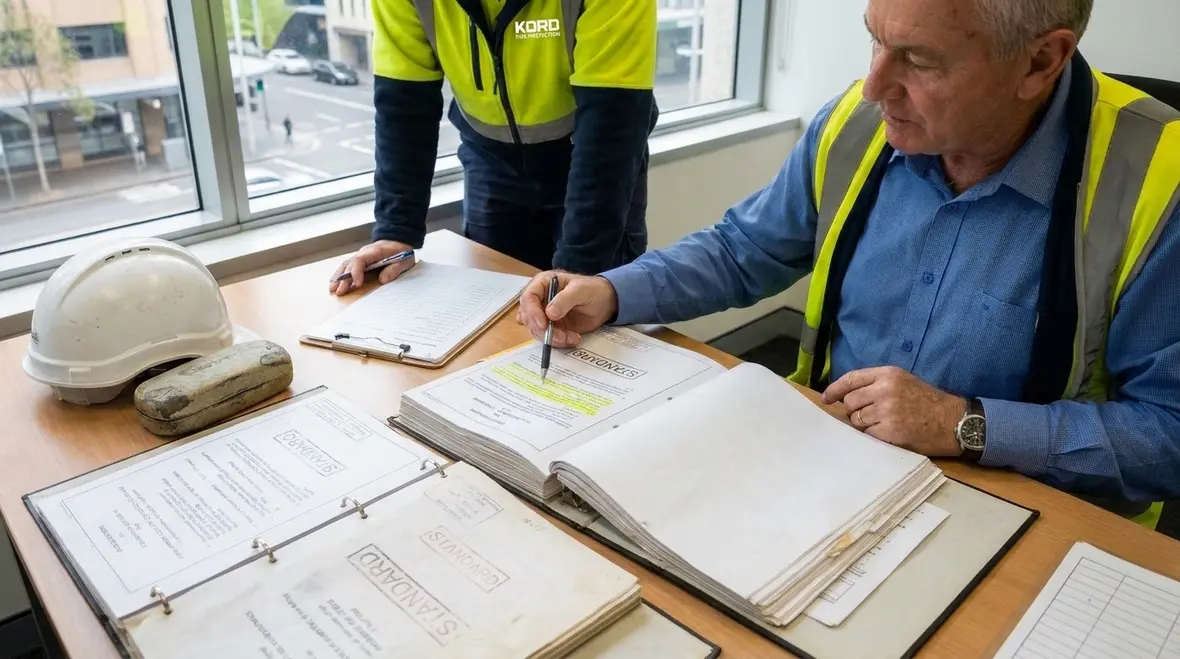
How a Foam Water System Project Uses Those References
A strong project does not begin with hardware alone. It begins with a careful review of the hazard, the site layout, and the codes that touch the job. Then the team checks the related documents in Section 2.3 to confirm that the design supports the intended risk. After that, the contractor can move from theory to build with more confidence.
For example, a distribution warehouse may need a different approach than a manufacturing space with flammable liquids. Likewise, a back of house commercial area may have fire risks that demand targeted foam coverage, but not the same level of system complexity as a processing plant. Because of that, the linked references help the team avoid overdesign on one hand and weak protection on the other.
What a Well Coordinated Review Usually Covers
- Hazard identification and the likely fuel source or exposure profile
- Water supply reliability and whether supporting equipment needs upgrading
- Foam concentrate choice, discharge method, and application objectives
- Testing, documentation, and acceptance steps before handover
- Future maintenance access so the system stays serviceable, not just installable
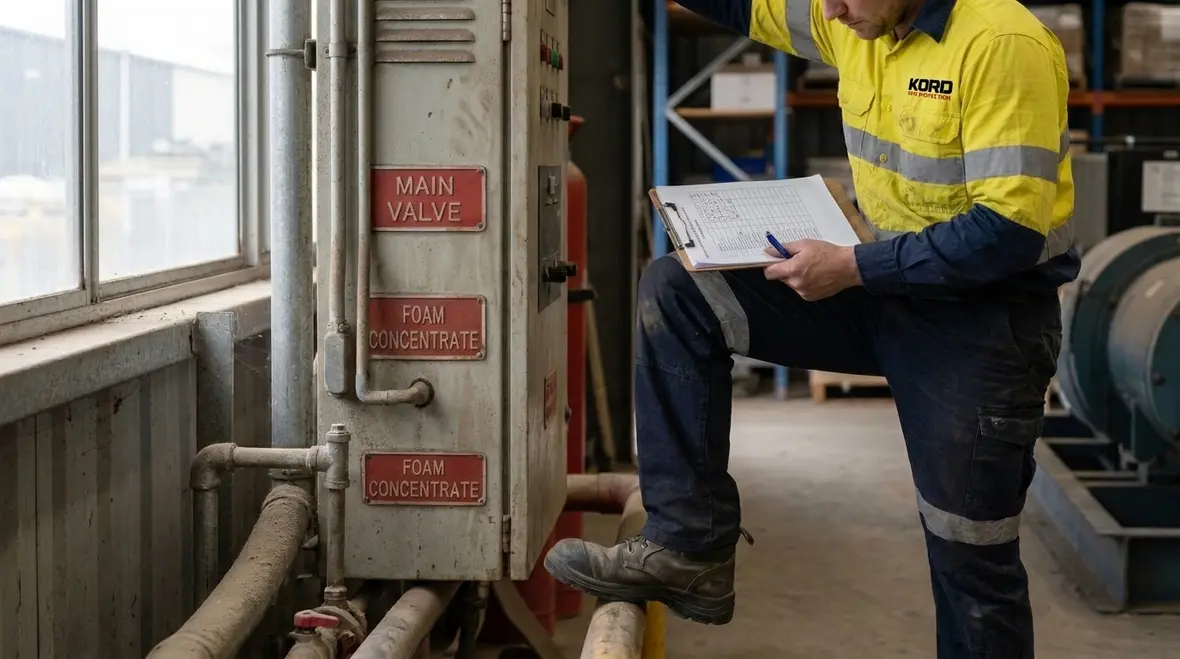
That last point matters more than it gets credit for. A beautifully installed system that nobody can inspect properly later is a bit like buying a race car and welding the bonnet shut. It may look impressive for a while, but maintenance day will not be a happy event.
Facilities digging deeper into supporting standards can also review Kord Fire Protection’s NFPA 16 standard guide for extra context around how the broader document connects with real world suppression strategy.
Where Kord Fire Protection Becomes the Vital Partner
Kord Fire Protection can become a vital partner because this work asks for more than installation skill. It demands code awareness, practical problem solving, and careful coordination with builders, facility managers, consultants, and insurers. In other words, Kord helps turn NFPA 16 other publications and foam water system external references into a real world solution that fits the site.
That support can include design input, system upgrades, maintenance planning, testing coordination, and compliance focused advice. Moreover, Kord can help project teams interpret the links between foam system needs and fire code non NFPA references that may affect approvals or site sign off. This matters because one missed detail can slow a project down faster than a Monday morning coffee line.
Kord’s related resources on foam fire suppression system guidance and foam system maintenance and testing fit naturally into this discussion because they help teams connect code references with day to day system readiness.
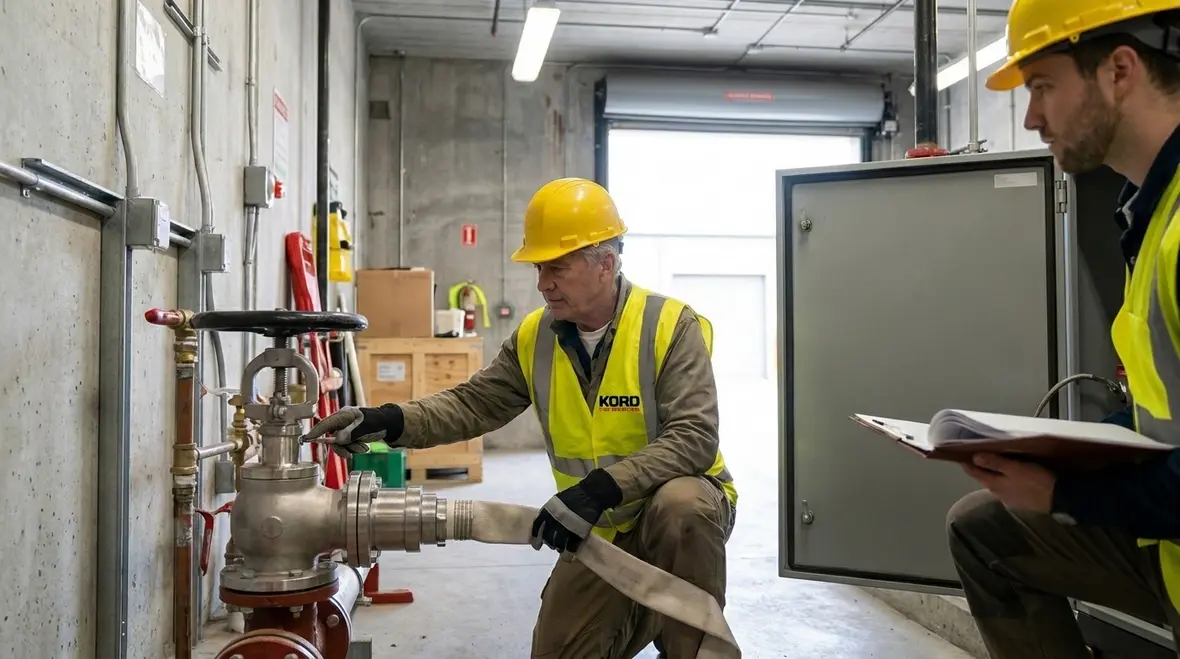
What to Check Before Choosing a Foam Water System Provider
Before selecting a provider, a facility should look at a few key points:
- Experience with foam water systems in large commercial and industrial sites
- Knowledge of NFPA 16 other publications and related technical standards
- Ability to align work with foam water system external references and local rules
- Comfort working with fire code non NFPA references used in project requirements
- Clear testing, maintenance, and handover support
These checks help a facility avoid delays and weak workmanship. Furthermore, they improve trust between the site team and the service provider, which is useful when the system must be maintained over the long term. A provider that can explain the code path clearly usually saves time later, because fewer issues are left to guesswork or hopeful interpretation.
It is also worth checking whether the provider can support the system after commissioning, not just during installation. Long term performance depends on inspection, testing, maintenance records, and timely corrective work. If the contractor disappears once the paperwork is signed, the facility may inherit avoidable problems that show up at exactly the worst moment.
FAQ
Conclusion
NFPA 16 Section 2.3 gives facilities a stronger path to safe foam water system work by pointing to the right supporting documents. The references may look brief, but they shape decisions about design, testing, maintenance, and approval in ways that affect real site performance.
When a skilled partner steps in, those references become easier to apply in the real world. Kord Fire Protection can help turn complex guidance into practical protection, so the next smart move is simple: bring in a team that knows the code, the site, and the job.

Join Our Newsletter!
Get the latest fire safety tips delivered straight to your inbox From our Newsletter.