
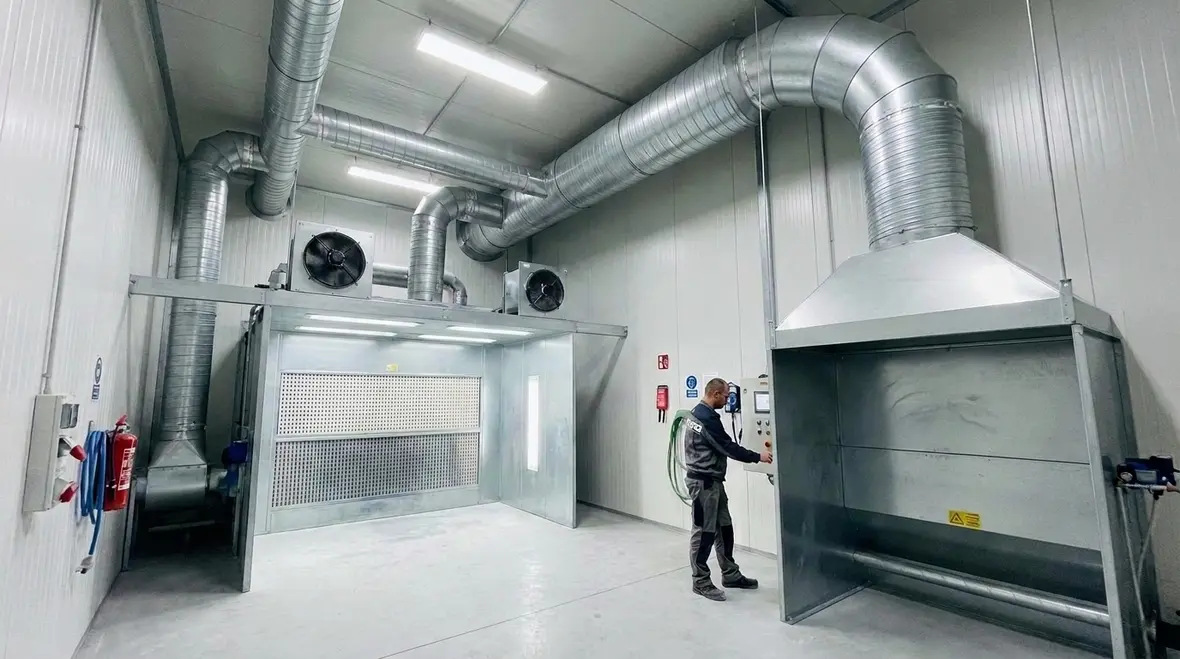
NFPA 33 Section 9.2: Protecting Ventilation Systems in Spray Operations
Quick Answer: NFPA 33 Section 9.2 requires spray area ventilation systems to be protected so ignition and fire spread do not occur through ductwork, fans, or exhaust paths. Protection typically includes engineered controls, detection, and proper maintenance to sustain safe operation.
For facilities tightening up related life safety performance, it also helps to review fire pump testing protocols for reliable industrial uptime as part of a broader readiness mindset across the property.
What does NFPA 33 Section 9.2 require for ventilation system protection?
NFPA 33 ventilation system protection spray operations focus on preventing a fire or explosion inside a spray process from migrating through the ventilation system. In practice, the standard drives facilities to protect the exhaust path, address ignition risk near fans and ducts, and maintain operating conditions so controls perform as designed. Facilities often struggle when retrofit changes, airflow drift, or poor housekeeping undermine the protection strategy.
Why ventilation protection matters in spray operations
Spray operations generate flammable residues and combustible atmospheres in the air stream. Even when ignition sources are controlled, the ventilation system becomes a potential pathway for fire propagation if ignition occurs in or near the exhaust. Section 9.2 intent aligns with several real-world failure modes:
- Ignition at the process that travels into ductwork and exhaust components.
- Accumulated overspray or residue that elevates ignition likelihood inside ducts or at transition fittings.
- Malfunctioning dampers or isolation devices that leave the system open during abnormal conditions.
- Fan and motor hazards when operating conditions shift or components degrade.
- Airflow imbalance that draws contaminants beyond intended areas.
Commercial and industrial occupancies face additional complexity: shared infrastructure, multiple process bays, and frequent production schedule changes. Retail and light industrial users often add challenge through limited maintenance staffing and inconsistent inspection documentation.
Core protection mechanisms used under Section 9.2
Section 9.2 centers on protecting ventilation systems that serve spray operations. Most compliant designs use a combination of engineered protection and operational discipline, tailored to the spray process, exhaust configuration, and hazard classification. Typical elements include the following.
1) Fire and flame path isolation in duct and exhaust systems
Facilities commonly implement devices intended to interrupt propagation through the exhaust path. Depending on system design and risk assessment, this can include isolation features located to protect critical components such as fans, duct segments, and exhaust discharge points. Correct placement and correct sizing matter because flame travel dynamics depend on duct geometry, velocity, and residue loading.
Common failure point: isolation devices installed during construction that later get bypassed, miswired, or blocked during maintenance. Another frequent issue is incorrect reset or testing intervals that prevent verified operation when needed.
2) Proper exhaust discharge and duct configuration control
Protection also includes ensuring exhaust discharge does not create new ignition opportunities or transfer hazards to adjacent spaces. Ducting layout, transitions, and termination location strongly affect whether burning debris can reach an external ignition source.
Common failure point: structural changes to the building after installation, such as added partitions, revised traffic patterns, or altered roofline obstructions, which change how exhaust behaves under operating and abnormal conditions.
3) Integrated system controls and interlocks
Many facilities use ventilation controls tied to spray operation status so that the exhaust system functions correctly whenever spraying occurs. When interlocks do not work as intended, the system may run under abnormal airflow, or it may not respond fast enough during fault conditions.
Common failure point: interlocks that become inconsistent due to sensor drift, poor calibration practices, or production overrides that defeat safety logic.
4) Ignition source control at fans and moving equipment
Ventilation components can create ignition risk if mechanical or electrical conditions deteriorate. Motor condition, fan bearing condition, belt alignment, and electrical components all influence ignition potential.
Common failure point: deferred maintenance leading to overheating, sparking, or friction events. In busy commercial operations, this risk escalates when equipment runs at variable duty cycles without scheduled inspections.
Inspection, testing, and maintenance: the compliance reality
NFPA 33 places responsibility on maintaining the ventilation protection performance throughout the life of the system. Compliance requires more than initial installation records. Facilities must preserve conditions that ensure protection devices operate as intended.
What inspectors and fire safety teams typically verify
- Protective device presence and placement consistent with the original design intent and system layout.
- Operational testing evidence showing interlocks, isolation features, and monitoring functions function during verification activities.
- Airflow condition confirmation that ventilation performance meets design requirements during typical operation.
- Housekeeping and residue control for duct interior cleanliness and downstream surfaces where overspray can accumulate.
- Component condition for fans, dampers, actuators, sensors, motors, and wiring integrity.
Maintenance tasks that prevent common failures
Effective programs for NFPA 33 ventilation system protection spray operations usually include planned cleaning, inspection intervals, and documentation. Key maintenance tasks often include:
- Scheduled duct cleaning to reduce residue loading that increases ignition probability.
- Verification of damper operation, travel, and fail positions.
- Condition checks for fan assemblies, including bearings, vibration indicators, and electrical connections.
- Sensor calibration and interlock functional tests at defined intervals.
- Verification that no bypasses, modifications, or temporary covers exist on protective components.
Commercial facilities frequently miss documentation continuity when vendors rotate or when internal maintenance ownership changes. Establishing a single compliance file and maintenance calendar reduces drift and speeds audits.
How Kord Fire Protection supports ongoing Section 9.2 compliance
Ventilation protection programs work only when inspection and maintenance stay consistent. Kord Fire Protection helps commercial, industrial, and retail clients sustain safe performance through documented testing, practical field verification, and maintenance support that aligns with NFPA 33 expectations.
To strengthen the overall risk management approach, facilities can also reference related impairment and system reliability guidance through Kord Fire Protection resources and service coordination. This supports an end to end compliance posture that addresses both engineered protection and the operational conditions required to keep protection functional.
Frequently Asked Questions
Get your ventilation protection program audit ready
If your spray operation relies on exhaust and ventilation systems, validate that Section 9.2 protection remains functional, maintained, and documented. Contact Kord Fire Protection to review your ventilation protection strategy, confirm inspection and testing evidence, and establish a practical maintenance plan designed for real production schedules. This proactive approach reduces audit findings and improves safety performance across your commercial facility.

Join Our Newsletter!
Get the latest fire safety tips delivered straight to your inbox From our Newsletter.



