NFPA 16 Section 2.4 Mandatory Foam Water References
Quick Answer: NFPA 16 Section 2.4 points readers to the exact references that support mandatory foam-water system rules. In plain terms, it tells industrial, retail, and commercial teams where the real proof lives. Kord Fire Protection can help interpret those citations, align systems with code, and keep projects moving without the usual fire safety headaches.
NFPA 16 mandatory extracts, foam-water code mandatory references, and fire suppression required citations matter because they shape how foam-water systems must be designed, installed, and maintained. For facilities across Australia, this is not just paperwork dressed up in a hard hat. It guides real safety choices in fuel storage areas, loading bays, plant rooms, and high risk commercial sites. Therefore, Section 2.4 matters because it points to the source documents that support compliant work, and that makes life easier for owners, consultants, and contractors who would rather avoid the classic “we thought that was covered” conversation.
When teams need practical system support beyond the page itself, a fire suppression system service partner can help connect code references to real equipment, inspection routines, and site conditions without turning the project into a long-running mystery series.
Why Section 2.4 matters for compliance work
NFPA 16 Section 2.4 does something simple, yet vital. It lists the references that support the mandatory parts of the standard. As a result, teams do not have to guess which documents carry weight when foam-water systems are specified, reviewed, or tested. In practice, this helps when a site needs to prove that a system design matches the code path, not just the mood of the last meeting.
For industrial and commercial sites, that support matters because foam-water systems often protect high hazard spaces. Meanwhile, the reference list helps engineers and fire protection specialists check the correct source before work starts. This reduces rework, helps with audits, and keeps decisions tied to the right standards rather than office folklore.
What Section 2.4 is really doing behind the scenes
A lot of people read a reference section and mentally file it under “admin stuff.” That is understandable, but not especially helpful. Section 2.4 acts more like a map legend. It tells you which referenced material carries mandatory force and which documents are not just there for decoration. That distinction matters when someone asks why a certain component was selected, why a proportioning method was used, or why a testing process has to follow a specific path.
In real project life, that means fewer vague opinions and more traceable answers. Consultants can line up their specifications more cleanly. Contractors can verify what is actually required before installation moves ahead. Owners can ask better questions. Maintenance teams can understand whether an inspection item comes from a mandatory citation or from a nice-to-have recommendation that somehow turned into legend over time.
What the mandatory references help a site prove
The references in NFPA 16 help confirm several key things, and every one of them becomes useful when a project is reviewed, installed, serviced, or challenged by someone holding a checklist and a concerned expression.
- the system type suits the hazard
- the design follows the correct technical basis
- installation aligns with accepted fire protection practice
- testing and maintenance follow the right documents
- the site can show evidence during review or inspection
That may sound dry, but it is the sort of dry that keeps a site from going up in smoke. And unlike a bad action movie sequel, the code actually needs a strong plot line from start to finish.
Proof of technical basis
A site often needs to show that the foam-water approach was selected for a reason, not because it happened to be on an old drawing set. Mandatory references help establish that the chosen system matches the hazard profile and expected suppression objective.
Proof of service and review path
They also support maintenance planning, inspection logic, and testing records. If a site is audited, investigated, or preparing an upgrade, those citations help show that decisions were anchored to recognized requirements rather than crossed fingers and a memory from three projects ago.
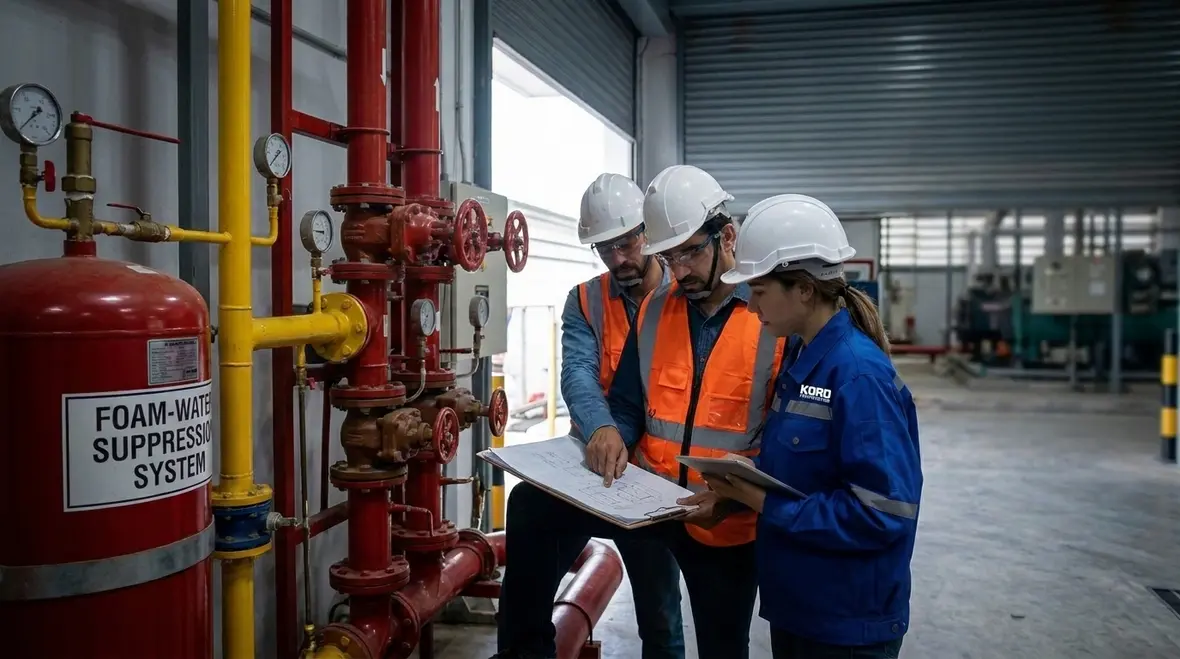
How foam-water code references support Australian sites
Australian facilities often work across multiple standards, local rules, and insurer expectations. Therefore, NFPA 16 mandatory extracts can become part of a broader compliance picture rather than a stand alone rulebook. A warehouse, fuel handling area, transport hub, or retail distribution centre may need careful review of hazard type, discharge method, and water supply capability.
In this setting, fire suppression required citations help technical teams build a defensible path. They support communication between asset owners, engineers, and maintenance teams. Moreover, they help identify where one standard ends and another begins, which is useful when projects cross state borders or involve mixed use sites. No one enjoys a compliance patchwork. It is like trying to build a chess set with Lego pieces.
That is also why it helps to review related guidance such as NFPA 16 standard requirements when a team needs a broader view of how the reference framework connects to design expectations, system purpose, and practical fire protection planning.
Where Australian projects can get tangled
The trouble usually starts when a project assumes every standard operates in isolation. It does not. Foam-water systems often sit inside a larger puzzle that includes building use, storage methods, insurer conditions, equipment compatibility, and long-term servicing. When the mandatory references are understood early, teams can reduce late design changes, conflicting advice, and expensive corrections after hardware is already in place.
Dual column comparison: what the references do and why they matter
| Reference Function | Why It Matters On Site |
|---|---|
| Supports mandatory foam-water system requirements | Helps teams confirm they are using the correct source material |
| Guides design and installation decisions | Reduces errors before equipment reaches the floor |
| Backs inspection and maintenance planning | Keeps records clear during audits and service visits |
| Improves document control | Makes compliance easier for owners and contractors |
How Kord Fire Protection becomes a vital partner
Kord Fire Protection can play a critical role in this service job because foam-water compliance needs more than parts and labour. It needs judgment. It needs people who can read the code, understand the system, and translate mandatory references into practical work on site. That is where Kord Fire Protection becomes a steady hand.
For clients across industrial, retail, and commercial sectors, Kord Fire Protection can help with system checks, reference based reviews, maintenance support, and project coordination. In addition, the team can support owners who need clear advice on what the standard requires and how to keep the system in line with that requirement. This matters because foam systems often sit in high risk areas where downtime, mislabelled drawings, or missing records can create real trouble. In other words, Kord Fire Protection helps keep the process calm, correct, and less dramatic than a final season cliffhanger.
That practical support fits naturally with Kord Fire Protection’s broader foam-related resources, including its foam fire suppression system guide and service content focused on inspections, maintenance, and readiness in high hazard environments.
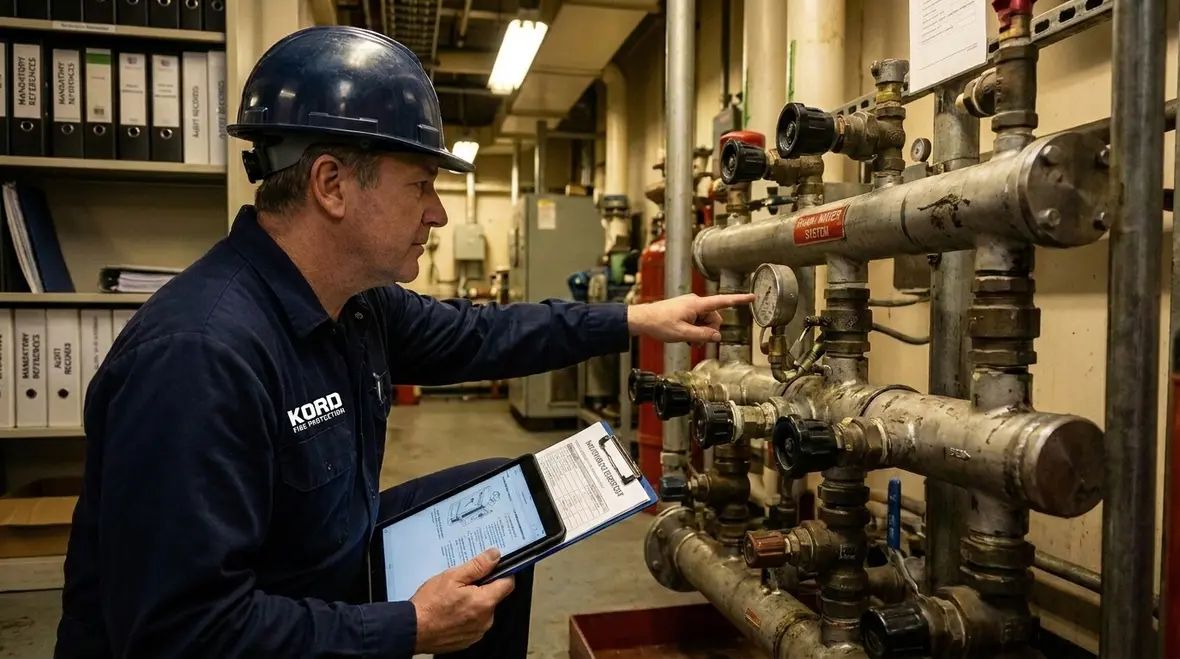
What a good compliance review should include
A strong foam-water system review should not stop at a quick look and a nod. Instead, it should examine the site in a practical way.
- review the hazard and protected area
- check the current standard references used on the job
- confirm system layout and component suitability
- verify maintenance records and test history
- identify gaps before they become costlier problems
Furthermore, the review should link the site conditions to the correct fire suppression required citations. That creates a cleaner compliance trail and supports better planning for future upgrades, repairs, and inspections.
Records matter more than people think
Even when a system appears physically sound, missing documentation can still cause major friction. If testing records are incomplete, reference editions are unclear, or maintenance notes do not align with the cited standard path, a site may find itself defending decisions that should have been easy to prove. Good compliance work is not only about hardware. It is also about showing the reasoning, timing, and supporting evidence behind the work.
When a site should ask for expert support
A site should bring in expert support when it plans a new installation, updates an older foam-water system, prepares for an audit, or faces unclear reference requirements. Likewise, if the site has changed use, expanded storage, or added new hazard zones, the old assumptions may no longer fit. Standards do not usually care about anyone’s schedule, which is rude but predictable.
At that point, Kord Fire Protection can help reduce risk by making sure the project follows the right source documents from the start. That saves time, supports compliance, and helps the site avoid costly surprises later.
FAQ
Conclusion
NFPA 16 Section 2.4 gives the reference map that makes foam-water compliance far easier to manage. For Australian facilities, that clarity can save time, reduce risk, and support stronger fire protection outcomes. It helps teams understand which citations carry mandatory weight, where the technical proof lives, and how to build a cleaner compliance path from design through maintenance.
Kord Fire Protection can be the partner that turns those citations into practical action. For sites that want the work done properly, and without drama, expert support is the smart move. When the standards get dense and the stakes get higher, having the right people in the room is usually better than hoping the paperwork sorts itself out.

Join Our Newsletter!
Get the latest fire safety tips delivered straight to your inbox From our Newsletter.